
Running the fan on your air conditioner does not actually reduce humidity, and in some cases it can make indoor air feel more humid. Here is why: an AC removes moisture only when the compressor is running and the cold evaporator coil is condensing water out of the air. In “fan only” mode the compressor is off, so no moisture is removed. Worse, if you switch the fan to “on” right after cooling, it can blow across the still-wet coil and re-evaporate that water back into your home. A fan does make you feel cooler by speeding evaporation off your skin, but feeling cooler is not the same as lowering humidity. Below we separate what fans really do from what removes moisture.
Using air conditioner to reduce humidity
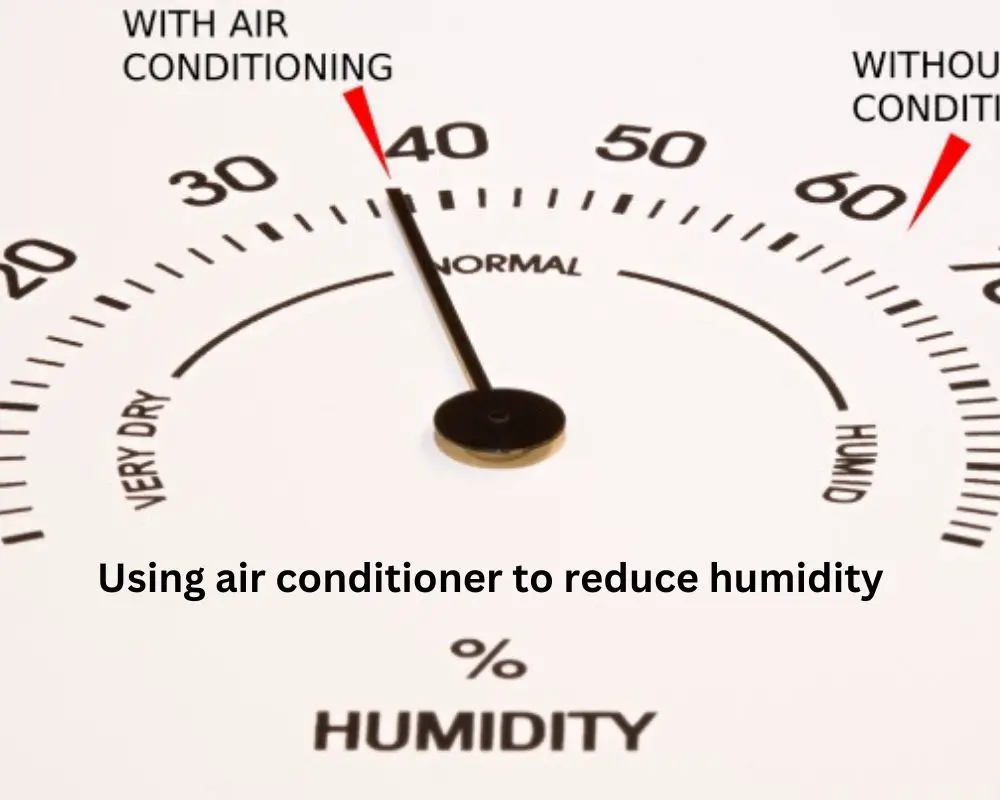
The air conditioner does reduce humidity, but it does so through cooling, not through the fan. As warm, humid air passes over the cold evaporator coil, water vapor condenses on the coil and drains away, leaving drier air. That only happens while the compressor runs. A few things help an AC dehumidify well. Make sure the unit is sized correctly: one that is too large cools the air so fast it shuts off before wringing out much moisture, which is exactly why oversized systems leave a home cool but clammy. Keep the coils and filter clean so the system runs efficiently. And set the fan to “auto” rather than “on,” so the blower stops when the compressor stops and condensed water can drain instead of re-evaporating.
Does running a fan lower humidity?
A plain room or box fan does not actually lower the humidity in the air; it does not remove any moisture. What it does is move air across your skin so sweat evaporates faster, which makes you feel cooler and less sticky even though the moisture content of the room is unchanged. A fan can speed the drying of wet surfaces, like a damp floor or laundry, by encouraging evaporation, but that moisture goes into the room air rather than out of the home. To truly lower humidity you need to remove moisture, which means a dehumidifier or an air conditioner running in cooling mode.
Do oscillating fans lower humidity?
Oscillating fans circulate air around a room, which improves comfort and can help damp spots dry, but they do not reduce the actual humidity level any more than a stationary fan does. The air-moving effect helps you feel cooler and can prevent the stagnant, muggy feeling in spots like a kitchen or bathroom, yet the water vapor stays in the air. In a genuinely humid room, the fan should be paired with real moisture removal, an exhaust fan vented outside, a dehumidifier, or AC, to bring the humidity down.
Humidity setting on air conditioner
The humidity behavior of your AC matters more than most people realize for comfort and energy use. Here is what to know about how humidity and your air conditioner interact:
The air conditioner removes humidity as it cools. If indoor air is too humid it feels stuffy, and excess moisture can cause condensation on windows and walls and eventually mold and mildew. Too dry is also a problem, bringing dry skin and static. The ideal indoor humidity is roughly 30 to 50 percent, and you can measure it with an inexpensive hygrometer.
Some thermostats and many newer AC units include a “dry” or dehumidify mode that prioritizes moisture removal, and whole-home or portable dehumidifiers can supplement the AC. The single most useful setting tip: keep the fan on “auto” so condensed water drains off the coil instead of being blown back into the house.
Does air conditioning reduce humidity?
Yes. Air conditioning reduces humidity as a natural part of cooling. The unit pulls warm air over a cold coil, the air cools, and water vapor condenses out and drains away, so the air returning to the room is both cooler and drier. This is why an air-conditioned space feels more comfortable in hot, humid weather. The key qualifier is that this only happens while the compressor is actively cooling, not when the system is just blowing air in fan mode.
Does running the heat lower humidity?
Running the heat lowers the relative humidity reading because warmer air can hold more moisture, so the same amount of water vapor shows up as a lower percentage. But heating does not actually remove any moisture from the air, and it can leave a home feeling stuffy. If your goal is to genuinely reduce moisture, a dehumidifier is the better tool, since it pulls water out of the air without overheating the space.
Should the fan be switched off when the air conditioner is running?
There is a useful distinction here between the thermostat fan setting and a separate room fan. For the AC’s own blower, “auto” is usually the better choice over “on,” especially for humidity. On “auto,” the blower runs only while the compressor cools, so condensed water drains away. On “on,” the blower runs constantly, and during the off-cooling periods it can re-evaporate moisture from the wet coil back into your home, raising humidity.
A separate room or ceiling fan is a different story; running one alongside the AC helps circulate the cool air and makes you feel cooler, so you can raise the thermostat a bit and save energy. So: keep the AC’s blower on “auto” for better dehumidification, and use a room fan for comfort and even air distribution.
Does circulating air reduce humidity?
Circulating air does not by itself reduce the moisture content of a room, but it can support the things that do. Moving air helps damp surfaces dry and prevents muggy, stagnant pockets, which makes a space feel less humid even when the actual level is unchanged. It can also help an AC or dehumidifier distribute drier air more evenly.
Keep in mind other factors raise humidity: lots of houseplants release moisture, and a humid climate makes the job harder. To circulate air, you can use a fan, open windows for a cross breeze, or run the AC. If you open windows, place them on opposite sides of the house for cross-ventilation, but avoid this on very humid days, since you will just invite outdoor moisture in. For genuine moisture removal, pair air circulation with a dehumidifier or AC running in cooling mode.
How to reduce humidity in a room without AC
If you do not have AC, the most effective tool is a dehumidifier, which pulls water directly out of the air. Beyond that: run exhaust fans vented outdoors in the bathroom and kitchen, especially during showers and cooking; open windows for ventilation when the outdoor air is drier than inside; and fix leaks or damp sources. Moisture-absorbing products such as desiccant tubs can help in small, enclosed spaces like closets. A fan alone will make you feel cooler but will not lower the room’s humidity, so lean on ventilation and a dehumidifier for real results.

Does AC fan mode remove humidity?
No. AC fan mode (fan only) runs the blower without the compressor, so the cooling coil is not cold and no moisture condenses out. It simply moves air around. In fact, if you switch to fan mode right after the AC was cooling, the moving air can re-evaporate water sitting on the coil and push it back into the room, slightly raising humidity. To remove moisture, the AC needs to be in cooling mode with the compressor running, or you need a dedicated dehumidifier.
Does running a fan decrease humidity?
A fan does not decrease the actual humidity of the air, because it removes no moisture. What it does is speed up evaporation, so wet surfaces, like skin, laundry, or a damp floor, dry faster, and you feel cooler and less sticky. That evaporated moisture stays in the room air. So a fan improves comfort and helps surfaces dry, but to actually lower a room’s humidity you need a dehumidifier or an air conditioner in cooling mode.
Does running an AC fan increase humidity?
It can, slightly, in one specific situation. If you set the AC’s blower to “on” so it runs continuously, during the periods when the compressor is off, the fan blows across the still-wet evaporator coil and re-evaporates that condensed water back into your home, nudging humidity up. A standalone room fan does not add moisture to the air. The takeaway is the same setting advice: keep the AC’s fan on “auto” so the coil can drain instead of being blown dry into the house.
How do I lower the humidity in my house with AC?

To lower humidity in your house with the AC, focus on these steps. Make sure the unit is correctly sized; an oversized AC cools so fast it short cycles and never removes much moisture, which is a leading cause of a cool-but-clammy home. Keep the fan on “auto,” not “on,” so condensed water drains rather than re-evaporating. Run the system long enough to dehumidify, which sometimes means a slightly longer runtime rather than blasting it cold and brief. Keep the filter and coils clean. And if your home stays humid despite all that, add a dehumidifier or use the AC’s dedicated dry mode if it has one.
Does running the fan on my air conditioner reduce humidity?
Frequently Asked Questions
Does the fan on my air conditioner reduce humidity?
No. The fan alone does not remove moisture. Your AC only reduces humidity when the compressor runs and the cold coil condenses water out of the air. In fan-only mode the compressor is off, so no dehumidification happens, and it can even re-evaporate moisture off the coil.
Should I set my AC fan to “auto” or “on” for humidity?
Use “auto.” On “auto,” the blower runs only while the compressor cools, so condensed water drains away. On “on,” the blower runs constantly and can blow moisture off the wet coil back into your home, raising humidity.
What actually lowers humidity in a room?
A dehumidifier or an air conditioner running in cooling mode actually removes moisture from the air. Exhaust fans vented outside and ventilation with drier outdoor air also help. A plain fan only makes you feel cooler; it does not remove moisture.
Next Steps
For a standard AC, running the fan does not reduce humidity. The fan only circulates air and helps distribute cool air more evenly; it removes no moisture, and on the “on” setting it can even raise indoor humidity by re-evaporating water off the coil. Real dehumidification happens when the compressor cools the air, so keep the fan on “auto,” size the unit correctly, and add a dehumidifier if your home stays humid. Use room fans for comfort, not for drying out the air.

Author: Ralph P. Sita
Ralph P. Sita is a seasoned professional with deep roots in both the HVAC and tech industries. His family’s business, Ralph P. Sita, Inc., is a locally owned and operated HVAC contractor with over 42 years of experience, serving the DC, Maryland, and Virginia areas. The company specializes in residential, commercial, and industrial heating, ventilation, and air conditioning services, offering everything from installation and maintenance to custom ductwork and indoor air quality solutions -www.ralphpsita.com. A former CPA, he spent the last decade as co-founder and co-CEO at Cybrary, a leading platform for cybersecurity and IT training. Cybrary became the largest, most well-known cybersecurity training businesses in the industry under his leadership. Smart AC Solutions is an opportunity to give back to the HVAC community by providing reliable, actionable information on all things heating and cooling.