Insulate the pipe is the one of solution to get rid of AC pipe sweating. Though sweating pipes are a common problem in homes, especially during the summer.
This can be done with foam pipe insulation or electric heat tape. Another option is to install a dehumidifier in your home. This will help to reduce the amount of moisture in the air, which will in turn reduce the amount of sweating your pipes will do.
Fixing the problem will stop the sweating. If you’re having trouble stopping your AC pipe from sweating, contact a professional for help.
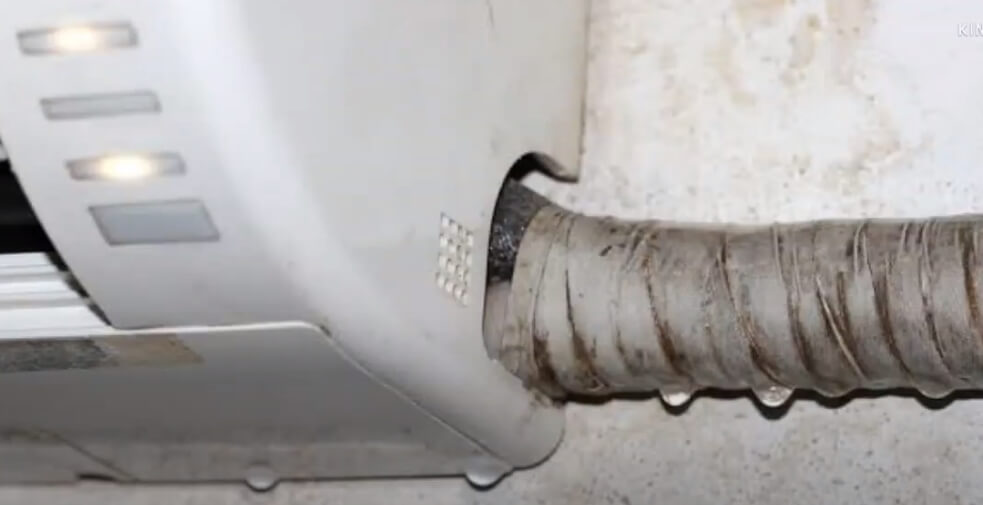
Is it normal for AC drain pipe to sweat?
When your air conditioner is running, the evaporator coils inside the unit remove moisture from the air in your home. This process causes the coils to sweat, and the water drips into a drain pan before being removed from your home through a drain line. In most cases, the amount of sweating is normal and nothing to worry about.
However, if the drain pan or line becomes clogged, the water can back up and cause the coils to overflow, leading to water damage in your home. If you notice your AC unit sweating excessively, make sure the drain pan is clear and the drain line is not clogged.
What causes AC pipes to sweat?
When the weather is humid, your air conditioner works overtime to remove the moisture from the air in your home. This process can cause your AC pipes to sweat. The moisture that condenses on the outside of the pipe can eventually drip down, causing water damage to your home.
To prevent this, you can insulate your AC pipes. This will help to keep the moisture from condensing on the surface of the pipe.
Split ac copper pipe sweating
If your air conditioner is leaking water, it’s likely that your copper pipes are sweating. This is a common problem in homes with central air conditioning. The water is condensation from the evaporator coils and it’s normal for some water to drip from the coils.
However, if your pipes are sweating, it means that too much water is dripping from the coils and this can cause significant damage to your home. There are several things you can do to prevent your copper pipes from sweating. One option is to insulate the pipes.
You can buy special foam pipe insulation at your local hardware store. Another option is to install a humidifier in your home. This will help to reduce the amount of water that’s condensing on your coils.
If your copper pipes are already sweating, you’ll need to take action to fix the problem. The first step is to identify the source of the problem. If your coils are too cold, it’s likely that your air conditioner is too big for your home.
This can be fixed by having a professional come out and assess your unit. If your coils are too warm, it’s likely that your home is too humid. You can reduce the humidity in your home by using a dehumidifier.
Once you’ve identified the source of the problem, you can take steps to fix it. If your coils are too cold, you’ll need to have your air conditioner serviced.
Outside ac pipe sweating
If your home is fitted with an outdoor air conditioner, you may have noticed water dripping or pooling around the unit. This is called condensation, and it’s a normal part of the air conditioning process. However, if you notice that the condensation is excessive, or that it’s dripping onto the ground or onto your home’s foundation, it could be a sign of a problem.
There are a few reasons why your outdoor AC unit might be sweating excessively. One possibility is that the unit is not properly insulated. If there’s not enough insulation around the pipes, the cold air can cause them to sweat.
Another possibility is that the unit is low on refrigerant. This can cause the unit to work harder to cool the air, which can lead to excess condensation.
Anti-sweat pipe condensation spray
If you have a problem with pipe condensation, there is an easy fix. Just get yourself a can of anti-sweat pipe condensation spray. This stuff is great.
It forms a barrier between your pipes and the outside air, and it prevents condensation from forming. Just spray it on your pipes, and let it dry. It’s that simple.
If you have a problem with pipe condensation, there is an easy fix. Just get yourself a can of anti-sweat pipe condensation spray.
This stuff is great. It creates a barrier between your pipes and the outside air, and it prevents condensation from forming. Just spray it on your pipes, and let it dry. It’s that simple.
Pipe condensation can be a real problem, especially in the winter. When the temperature outside drops, the water in your pipes can start to condense, and that can lead to all sorts of problems. But with a can of anti-sweat pipe condensation spray, you can easily prevent that from happening.
Drip tape for sweating pipes
If you have ever had a pipe sweat and drip water all over your floor, you know how annoying it can be. This problem is usually caused by cold water coming into contact with a warm pipe. When this happens, the water on the outside of the pipe begins to evaporate, causing the pipe to sweat.
One way to prevent this from happening is to use drip tape. Drip tape is a thin, perforated plastic film that is wrapped around the outside of the pipe. The holes in the tape allow the water to drip out, preventing it from coming into contact with the pipe and causing it to sweat.
Drip tape is relatively inexpensive and easy to install, making it a great option for preventing sweating pipes. If you are having trouble with your pipes sweating, give drip tape a try!
Car ac pipe sweating
If your car’s air conditioning is blowing warm air, one possible culprit is a sweating A/C pipe. This is a common issue in cars with air conditioning, and it’s usually an easy fix. The A/C system in your car works by circulating refrigerant through a system of coils.
As the refrigerant evaporates, it absorbs heat from the air, cooling it down. This process also creates condensation on the coils. If your car’s A/C system is not functioning properly, the coils can get too cold and the condensation can freeze.
This creates a layer of ice on the coils that prevents the refrigerant from evaporating properly. As the ice melts, it drips onto the floor, creating a puddle of water. If you notice a puddle of water under your car, it’s likely that your A/C pipe is sweating.
To fix this, you’ll need to thaw out the ice on the coils. This can be done by turning off the A/C and letting the car run for a few minutes. The heat from the engine will thaw the ice and allow the A/C to work properly again.
Pipe sweating or leaking
If you’ve ever found a puddle of water on your floor near a pipe, you may have experienced what’s known as “pipe sweating.” While it may look like your pipes are leaking, this water is actually condensation that’s formed when humid air comes into contact with a cold pipe. Pipe sweating is a common problem in homes, particularly in basements and crawl spaces.
There are a few things you can do to prevent pipe sweating, or at least minimize the problem. First, make sure your home is well-ventilated. This will help to keep the air around your pipes from getting too humid.
If you have a crawl space, be sure to install a vapor barrier to help keep moisture out. You can also insulate your pipes to help keep them warm. This is especially important if you live in an area with cold winters.
If you do find yourself with sweating pipes, don’t despair. There are a few things you can do to fix the problem. One option is to simply wipe up the condensation as it forms.
You can also try using a dehumidifier in the area to help dry out the air. If the problem persists, you may need to call a plumber to come and take a look at your pipes.
How to fix sweating pipes?
If you have sweating pipes, there are a few things you can do to fix the problem.
First, try adjusting the thermostat. If that doesn’t work, you can try insulating the pipes.
You can also try turning up the heat in the room or lowering the humidity. If none of these things work, you may need to call a plumber.
How to stop condensation on cold water pipes?
There are a few things you can do to stop condensation on your cold water pipes. One is to insulate your pipes. You can do this by wrapping them in insulation material or by using heat tape.
Another option is to open up your cabinets or cupboards to allow warmer air to circulate around your pipes. Finally, you can simply turn up the heat in your home to help prevent condensation.
Conclusion
If your air conditioner pipe is sweating, it means that the air inside the pipe is cool and the air outside is warm. This can cause condensation to form on the pipe, which can lead to sweating. There are a few things you can do to stop your air conditioner pipe from sweating.
One is to wrap the pipe in insulation. This will help to keep the air inside the pipe cool and the air outside warm. Another option is to use a dehumidifier in the room where the air conditioner is located.
This will help to remove the moisture from the air, which will reduce the amount of condensation that forms on the pipe.
