Skip to content
Smart AC Solutions
  • CategoriesExpand
    • AC Troubleshooting
    • Air ConditionerExpand
      • Portable Air Conditioners
      • Room Air Conditioners
      • Split System Air Conditioners
      • Window Air Conditioners
      • Reviews & Prices
    • Thermostat Solutions
    • Calculator
  • Directory
  • Request HVAC Service
  • Join Our Pro NetworkExpand
    • HVAC BusinessesExpand
      • Residential
      • Commercial
      • Emergency Services
    • Add Business
  • Register
  • Login
  • Forgot Password?
Smart AC Solutions
Air Conditioner

How Good Are Toshiba Air Conditioners? Brand Review

ByRalph P. Sita Updated onJune 28, 2026

Toshiba air conditioners are a good, efficiency-focused choice, best known for mature inverter technology and quiet, reliable operation. Toshiba pioneered the mass-produced inverter split air conditioner back in the early 1980s, and its modern lineup — sold globally through the Toshiba Carrier partnership and built on shared Midea-group manufacturing — leans on that heritage with variable-speed compressors and low-GWP R32 refrigerant in many models. If you want steady comfort, lower running costs, and a unit that runs near-silently, Toshiba earns a serious look. The honest answer to “how good are Toshiba air conditioners” still comes down to picking the right size and getting a professional install.

What makes inverter cooling worth it: instead of slamming the compressor fully on and off like an older fixed-speed unit, an inverter ramps the compressor up and down to match the room’s actual load. That avoids the energy spikes of constant cycling, holds a steadier temperature, and is a big reason Toshiba units feel both more comfortable and cheaper to run.

Quiet operation is the other standout. Variable-speed compressors and improved fan design mean the unit usually settles into a low hum once the room is at temperature — a real benefit in bedrooms and home offices.

Durability rounds it out. Toshiba’s long track record in compressor design is why many owners report a decade or more of service with routine maintenance. As with any brand, that lifespan depends on correct sizing and regular filter cleaning rather than the badge alone.

How Good are Toshiba Air Conditioners

Page Contents

Toggle
  • Is a Toshiba Air Conditioner Good Value for Money?
    • Total Cost of Ownership
    • Energy Efficiency Considerations
    • Quick Tips for Choosing a Toshiba Air Conditioner
  • Key Features of Toshiba Air Conditioners
    • Energy Efficiency in Daily Use
    • Reliability and Durability
    • Versatility and Range
  • Cost-Saving Benefits Over Time
  • How Toshiba Compares to Other Brands
  • What Owners Say
  • Frequently Asked Questions
  • The Toshiba Heritage in Air Conditioning
  • Understanding R32 Refrigerant and Why It Matters
  • Inverter vs. Fixed-Speed Why It Matters for Your Bills
  • Getting the Most Efficiency From a Toshiba Unit
  • Lifespan and Long-Term Value
  • Choosing the Right Toshiba Format for Your Space
    • Ductless Mini-Splits
    • Ducted Central Systems
    • Window and Portable Units
  • A Practical Buying Checklist
  • Is Toshiba the Right Brand for You?
  • Common Mistakes to Avoid When Buying
  • Keeping a Toshiba Running Well Simple Troubleshooting
  • Next Steps

Is a Toshiba Air Conditioner Good Value for Money?

For a budget-conscious homeowner, the sticker price is only part of the story. The true cost of an air conditioner is the total cost of ownership: purchase price plus energy use plus maintenance over its lifespan. Toshiba usually lands in the middle of that equation — not the cheapest brand on the shelf, but priced below premium specialists while delivering efficient, long-lived performance.

Total Cost of Ownership

  1. Purchase price: Toshiba is mid-tier. You pay a little more than entry-level brands for the inverter hardware and quieter operation.
  2. Energy consumption: Check the efficiency rating (SEER/SEER2 for ducted, or the energy label for mini-splits). A higher-efficiency inverter model can meaningfully cut summer cooling costs versus an older fixed-speed unit. You can learn more about SEER ratings here.
  3. Maintenance: Accessible filters keep upkeep simple. Budget for an annual professional check-up. See this guide on HVAC maintenance.
  4. Lifespan: Maintained well, a Toshiba unit commonly runs well over a decade, spreading the upfront cost across many cooling seasons.

Energy Efficiency Considerations

Efficiency is where Toshiba is strongest, and it comes down to the inverter compressor.

  1. Inverter technology: The compressor adjusts its speed to match cooling demand, preventing the energy spikes you get from a unit that constantly cycles on and off. For background, read this explanation.
  2. Consistent temperature: Because the compressor modulates rather than blasts, indoor temperature stays steadier and the room feels more comfortable at the same thermostat setting.
  3. Refrigerant: Many current Toshiba models use R32, which has a lower global warming potential than older R-410A. To understand refrigerants, see this EPA resource.

Quick Tips for Choosing a Toshiba Air Conditioner

  • Look for Energy Star certification where applicable — it signals tested efficiency. Learn more here.
  • Match capacity to room size. The correct BTU rating prevents over- and under-cooling. This buying guide helps.
  • Consider noise levels for bedrooms — Toshiba’s quiet reputation is a genuine advantage at night.
  • Check filter access. Easy-to-reach filters make the routine cleaning that keeps efficiency up far more likely to actually happen. See this guide.
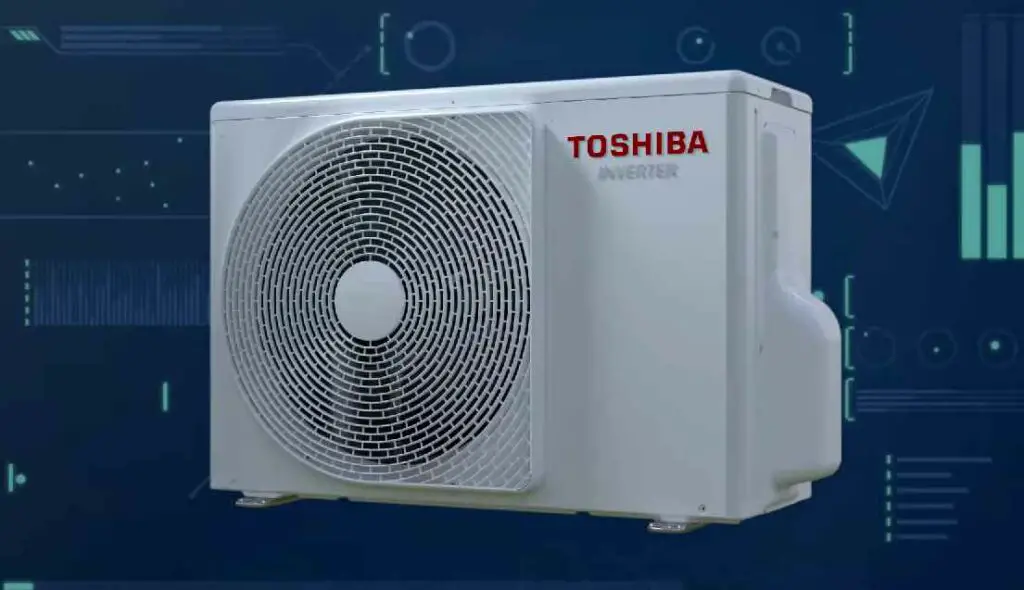
Toshiba Air Conditioners

Key Features of Toshiba Air Conditioners

Toshiba designs around three priorities: energy efficiency, reliability, and flexibility across unit types.

Energy Efficiency in Daily Use

The inverter compressor is the headline feature. Unlike a fixed-speed unit that runs flat-out then shuts off, the Toshiba compressor continuously adapts, holding a steady temperature on less power. For the technical detail, the U.S. Department of Energy explains inverter-driven systems here.

To get the most from that efficiency:

  1. Size it correctly: Measure each room and account for windows and sun exposure. Energy Star offers sizing guidance.
  2. Choose the right capacity and certification: An appropriately sized, Energy Star-rated model is both more efficient and more effective. More on certification here.
  3. Use the timer and setbacks: Cool during peak heat and let the temperature drift up overnight. The Department of Energy has more tips.
  4. Clean filters monthly during cooling season and book an annual service to keep performance up.

Quick tips: Set the thermostat higher when you are out, and use ceiling fans to spread cool air so you can run a higher setpoint without losing comfort. See this guide.

Reliability and Durability

Toshiba’s reputation for build quality is a major reason owners choose it. To protect that reliability over the long haul:

  1. Get a professional installation. Correct positioning, airflow, and refrigerant charge are what determine whether the unit runs without strain. Why pro install matters.
  2. Keep up with maintenance: clean filters and an annual check-up prevent most premature failures.
  3. Listen for changes: unusual noise or weaker cooling is an early warning. Catch it early with these maintenance tips.
  4. Register for the warranty right after installation so coverage is active if you ever need it.

Quick tips: Keep the outdoor unit clear of leaves and debris, and if you live in a storm-prone area, consider a surge protector. More on surge protection.

Versatility and Range

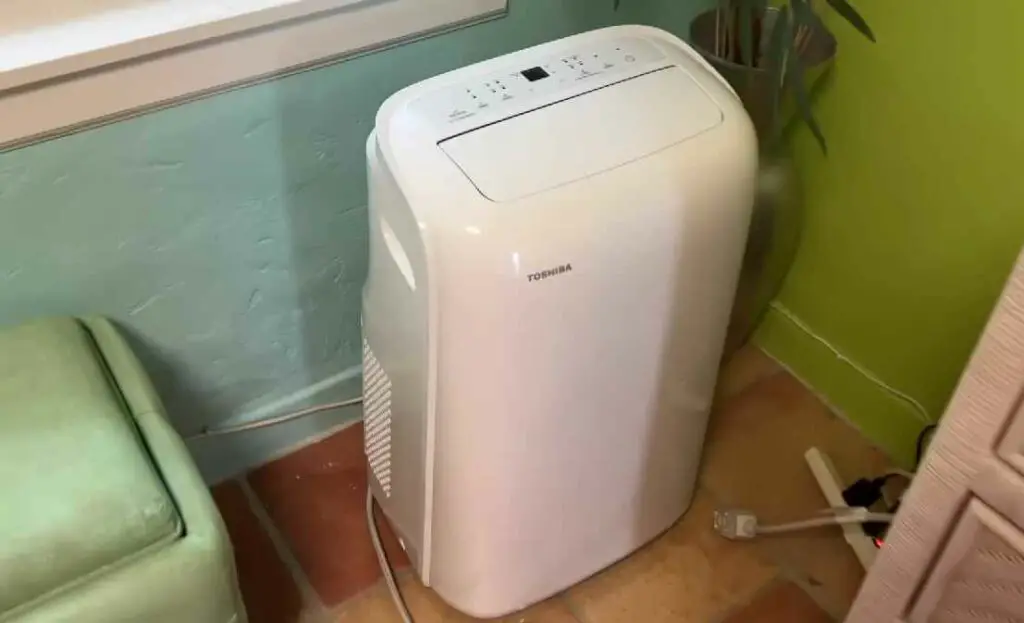
Toshiba sells across formats — wall-mounted mini-splits, ducted systems, window, and portable units — so you can match the equipment to the space. A wall-mounted split suits a large, frequently used room; a portable unit is handy for a renter, a home office, or a space where a fixed install is not an option.

  1. Evaluate the space: how big is the room and how often is it used?
  2. Compare formats: fixed split for permanent comfort, portable for flexibility.
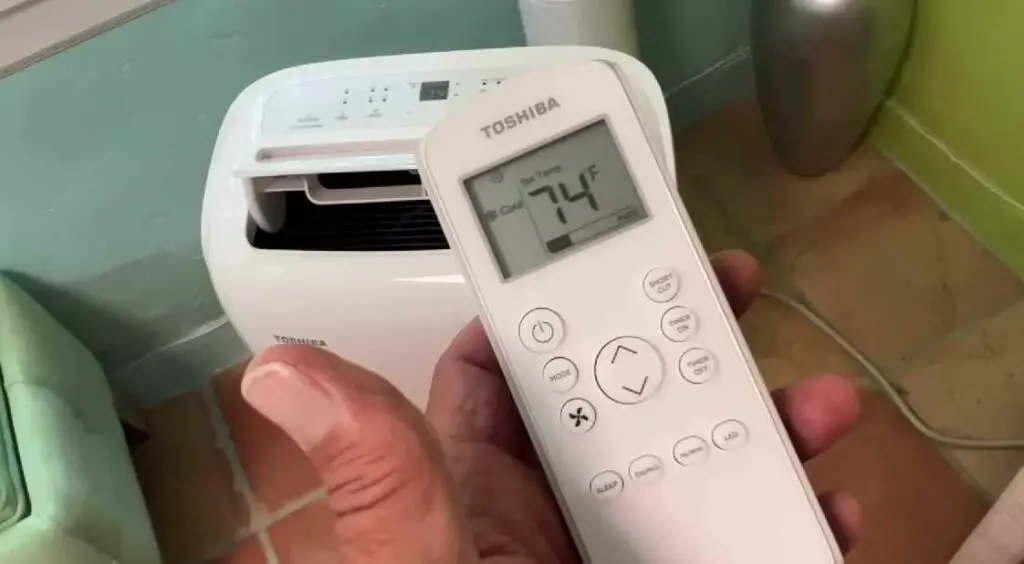
  3. Pick the features you’ll use: remotes, timers, and on some models air-purifying filtration. More on air cleaners.
  4. Plan installation: wall-mounted and ducted units need a pro; portables are largely plug-and-play.

For a deeper comparison, this buying guide covers portable versus fixed units in detail.

How Do Toshiba Air Conditioners Compare to Other Brands

Cost-Saving Benefits Over Time

The case for Toshiba is built on long-run savings, not the lowest sticker price.

Lower energy bills: Inverter operation reduces energy consumption versus older fixed-speed units, and the savings compound every cooling season. The U.S. Department of Energy covers how this works.

Affordable maintenance: Accessible filters and a straightforward design keep routine upkeep cheap. Family Handyman has practical tips.

Long-term value: A durable unit that avoids early replacement and frequent repairs lowers cost of ownership and can add appeal at resale, since buyers increasingly value efficient HVAC. Consumer Reports has more on durability.

How Toshiba Compares to Other Brands

Weighed against the field on cost, efficiency, noise, and environmental impact, Toshiba slots in as a strong mid-premium option.

  • Toshiba vs. Daikin: Daikin is a premium efficiency leader and prices accordingly. Toshiba offers comparable inverter efficiency and quiet operation at a more accessible price, which makes it the better value for many homeowners.
  • Toshiba vs. LG: LG leans into sleek design and smart features. Toshiba focuses on efficient, dependable cooling, often at a lower cost if you do not need the extras.
  • Toshiba vs. Mitsubishi / Panasonic: All three are respected for quiet, efficient inverter systems. Toshiba competes closely on performance and tends to be priced competitively.

On environmental impact, Toshiba’s use of lower-GWP R32 in many models is a plus. Good Housekeeping and the EPA offer more on noise and refrigerants respectively.

Toshiba Air Conditioner Cambridge

What Owners Say

Common themes in Toshiba owner feedback line up with the brand’s positioning:

  • Energy savings: Owners of inverter models frequently report lower summer bills after switching from older fixed-speed units.
  • Reliability: Many reviewers describe years of trouble-free running with basic maintenance.
  • Quiet operation: The low noise level is one of the most consistently praised traits, especially for bedrooms and work-from-home setups.

As always, reviews vary by model and by installer, so read feedback on the specific unit you are considering rather than the brand in general.

One pattern worth noting in the feedback: the homeowners most satisfied with Toshiba air conditioners tend to be the ones who sized the unit correctly, used a qualified installer, and kept up with basic maintenance. The occasional disappointed review more often traces back to an oversized or undersized unit, a rushed installation, or neglected filters than to a fault in the equipment itself. That lines up with how HVAC works in general — the brand sets the ceiling for performance, but sizing, installation, and care determine how close you get to it. Read reviews with that lens, and weight the experiences of owners whose setup resembles yours most heavily.

Frequently Asked Questions

Who makes Toshiba air conditioners?
Toshiba’s air conditioning business is operated globally through the Toshiba Carrier partnership and uses shared Midea-group manufacturing. Toshiba pioneered the mass-produced inverter split AC in the early 1980s.

Are Toshiba air conditioners energy efficient?
Yes. Their inverter compressors modulate to match demand, which reduces energy use compared with older fixed-speed units. Check the specific model’s efficiency rating to confirm.

How long do Toshiba air conditioners last?
With correct sizing, professional installation, and routine maintenance, many units run well over a decade.

Is Toshiba a good budget brand?
It is mid-tier rather than bargain-basement. You pay a little more upfront for inverter efficiency and quiet operation, then recover it through lower running costs over the unit’s life.

The Toshiba Heritage in Air Conditioning

Some of Toshiba’s credibility comes from history, not marketing. Toshiba introduced the world’s first mass-produced inverter split air conditioners at the turn of the 1980s — a genuine milestone, because inverter technology is now the standard that almost every efficient brand builds on. That early lead means decades of refinement in compressor control and reliability sit behind the current lineup. Today, Toshiba’s air conditioning business operates globally through the Toshiba Carrier partnership and draws on Midea-group manufacturing scale, which combines Toshiba’s engineering heritage with the production reach of one of the world’s largest appliance makers.

For a buyer, the practical takeaway is that you are not paying for a brand experimenting with new technology. The inverter systems, the move to lower-GWP R32 refrigerant, and the quiet-operation engineering are all mature, proven implementations. That maturity is part of why owner reviews so consistently mention reliability — the fundamentals have been worked out over many product generations.

Understanding R32 Refrigerant and Why It Matters

Many current Toshiba models use R32 refrigerant, and it is worth understanding why that is a selling point rather than just a spec. Older systems commonly used R-410A, which works well but has a high global warming potential — meaning leaks or end-of-life disposal carry a larger climate cost. R32 has a substantially lower global warming potential while also being an efficient heat-transfer medium, so it can deliver the required cooling capacity with less refrigerant. The result is a unit that is both more environmentally responsible and, in many designs, slightly more efficient.

The industry as a whole is transitioning away from older high-GWP refrigerants, so choosing a model on a modern refrigerant also future-proofs your purchase. As regulations tighten, equipment built around current refrigerants stays easier and cheaper to service. If environmental impact factors into your decision, confirm the refrigerant on the specific model’s spec sheet — and treat R32 as a point in Toshiba’s favor.

Inverter vs. Fixed-Speed: Why It Matters for Your Bills

The single biggest reason to choose Toshiba over a budget brand is the inverter compressor, so it is worth understanding exactly what it changes. A traditional fixed-speed air conditioner has only two states: full on and off. When the room warms past the setpoint, the compressor slams on at 100% power, cools hard, then shuts off — and repeats. Every one of those startups draws a surge of electricity, and the on-off pattern lets temperature drift up and down between cycles.

An inverter compressor instead varies its speed continuously. Once the room reaches temperature, it does not switch off; it throttles down to a low, steady output that exactly offsets the heat leaking into the room. That avoids the repeated startup surges, holds a near-constant temperature, and runs at lower average power. In practice this means three things you will actually notice: lower electricity bills, a room that feels more consistently comfortable, and quieter operation because the compressor rarely ramps to full speed. Over a long, hot cooling season, the difference in running cost between an old fixed-speed unit and a modern Toshiba inverter can be substantial.

One nuance worth knowing: inverter systems deliver their best savings when they run for sustained periods, holding a steady temperature, rather than being switched fully on and off by hand throughout the day. If you set a reasonable temperature and let the unit modulate, you get the full benefit of the technology.

Getting the Most Efficiency From a Toshiba Unit

Efficient hardware only pays off if you use and maintain it well. A handful of habits make a measurable difference to running costs:

  • Set a sensible temperature and leave it. Constant manual adjustments fight the inverter’s efficiency. Pick a comfortable setpoint and let the system modulate.
  • Use timers and setbacks. Let the temperature drift up when you are out or asleep, then have the unit bring it back gently — far cheaper than cooling an empty house at full tilt.
  • Run ceiling fans alongside the AC. Moving air lets you sit comfortably at a higher thermostat setting, which reduces the load on the compressor.
  • Block solar heat gain. Close blinds or curtains on sun-facing windows during the day so the unit has less heat to remove.
  • Keep filters and coils clean. A dirty filter or a debris-blocked outdoor unit forces the system to work harder for the same cooling, erasing efficiency gains.

None of these are unique to Toshiba, but they amplify what the inverter hardware is already doing. Owners who pair an efficient unit with good habits consistently report the lowest bills.

Lifespan and Long-Term Value

A Toshiba air conditioner is a long-term purchase, and its value is best judged over its full life rather than at the till. With correct sizing, professional installation, and routine maintenance, many units run well past a decade. That longevity is where the math turns in Toshiba’s favor: a slightly higher purchase price spread across fifteen-plus cooling seasons, combined with lower energy use and fewer repair calls, often results in a lower total cost of ownership than a cheaper unit that wears out sooner or runs less efficiently.

Durability also protects you from the hidden costs that frustrate owners of bargain units — the mid-summer breakdown, the emergency service call, the early replacement. Toshiba’s track record in compressor engineering is the practical reason its units tend to avoid those. And if you ever sell, an efficient, well-maintained, relatively new air conditioning system is a genuine selling point, since buyers increasingly factor energy costs into what they will pay.

The honest framing is this: Toshiba is not the cheapest brand, and it is not trying to be. It competes on efficiency, quiet operation, and durability — the things that determine what a unit costs you to own, not just to buy. For a homeowner who plans to stay in the home and wants to keep running costs down, that is exactly the right set of priorities.

Choosing the Right Toshiba Format for Your Space

Toshiba’s lineup spans several formats, and matching the format to the space is the first real decision — more important than chasing the highest spec. Here is how the main types compare in practice.

Ductless Mini-Splits

Mini-splits are Toshiba’s strength and the best fit for homes without ductwork, additions, converted garages, or any room you want to zone independently. An outdoor compressor connects to one or more indoor wall-mounted heads, each controllable on its own. Because they are inverter-driven heat pumps, they cool in summer and heat in cooler weather, and they run quietly and efficiently. The trade-off is that installation requires a professional to run and charge the refrigerant lines, so factor install cost into the budget. For multi-room coverage, a multi-zone system lets one outdoor unit serve several heads.

Ducted Central Systems

If your home already has ductwork, a ducted Toshiba system delivers whole-home comfort from a single hidden unit, with no wall heads visible in living spaces. This is the most seamless option aesthetically, but it depends on good duct design and sealing — leaky or undersized ducts will undercut even an efficient unit. Have a contractor evaluate the existing ductwork as part of the quote, since duct improvements sometimes deliver more comfort than the equipment upgrade alone.

Window and Portable Units

For renters, single rooms, or temporary needs, window and portable units are the practical choice. They are far cheaper upfront and, in the case of portables, can move between rooms. They are less efficient than a mini-split and cool a smaller area, but they require no professional install — making them ideal when a permanent system is not possible or not worth it. Match the BTU rating carefully to the room size; an undersized unit will run constantly without cooling a large or sunny space.

A Practical Buying Checklist

Before you commit to a Toshiba air conditioner, run through this short checklist to avoid the most common — and most expensive — mistakes:

  1. Confirm the format fits the space: mini-split for ductless zoning, ducted for whole-home, window or portable for a single room or rental.
  2. Get the size right: have a professional size ducted and mini-split systems with a load calculation; match BTU to square footage for room units. Oversizing wastes money and leaves humidity behind.
  3. Check the efficiency rating on the exact model (SEER2 for ducted, the energy label for mini-splits and room units), and weigh it against your climate.
  4. Verify the refrigerant: many current models use lower-GWP R32, which is a plus for both efficiency and environmental impact.
  5. Read the warranty terms: note any requirement for installation by an approved contractor and on-time registration, then register promptly.
  6. Choose a reputable installer: for anything beyond a plug-in portable, the quality of the install determines real-world performance.

Is Toshiba the Right Brand for You?

No brand is right for everyone, so it helps to match Toshiba’s strengths to your situation. Toshiba is an excellent fit if you value energy efficiency and low running costs, want quiet operation for bedrooms or a home office, plan to stay in your home long enough to recover the upfront cost through savings, and care about a lower-impact refrigerant. Its inverter mini-splits in particular are among the best ways to add efficient, zoned comfort to a home without ductwork.

Toshiba is a weaker match in a few cases. If your only goal is the lowest possible purchase price for a rental or a rarely used room, a budget window or portable brand may serve you for less. If you want the absolute peak of premium efficiency and are willing to pay for it, a top-tier Daikin or Mitsubishi system may edge it out. And as with any brand, local support matters — confirm that a qualified installer in your area handles Toshiba before you commit, since installation and service quality shape the ownership experience more than the badge does.

For the large middle of the market — homeowners who want a quiet, efficient, durable system at a fair mid-market price — Toshiba lands squarely in the sweet spot. That combination of qualities, backed by decades of inverter engineering, is why it remains a brand worth shortlisting.

Common Mistakes to Avoid When Buying

Even a great unit disappoints if the purchase is mishandled. The most common mistakes are easy to avoid once you know them:

  • Buying on price alone. The cheapest model in the wrong size or format will cost more over its life than the right one. Decide on fit and efficiency first.
  • Skipping the load calculation. Guessing the size — or copying the old unit — leads to oversizing or undersizing. Have a professional size ducted and mini-split systems properly.
  • Ignoring the installer. A premium Toshiba installed badly will underperform a mid unit installed well. The contractor is part of the purchase.
  • Forgetting to register the warranty. Many warranties require timely registration and approved-contractor installation. Miss that and you may lose coverage you paid for.
  • Neglecting maintenance from day one. Efficiency erodes fast with dirty filters and a debris-choked outdoor unit. Build the routine immediately.

Avoid these five and you set the unit up to deliver the efficiency, quiet, and longevity Toshiba is known for.

Keeping a Toshiba Running Well: Simple Troubleshooting

Even reliable units occasionally act up, and most issues trace back to maintenance rather than a fault. If a Toshiba unit is cooling weakly, the first suspect is a dirty filter — clean or replace it, since a clogged filter chokes airflow and efficiency. Reduced cooling can also come from an outdoor unit blocked by leaves or debris, so keep that area clear. If the unit is short-cycling or struggling to hold temperature, it may be incorrectly sized or low on refrigerant; refrigerant work is a job for a technician, not a DIY fix. Unusual noises or a unit that will not start warrant a professional service call, especially while the warranty is active.

The preventive routine is simple and pays off: clean filters monthly during cooling season, keep the outdoor unit clear, book an annual professional check-up, and address small changes in performance early before they become expensive repairs. Most owners who follow this get the long, quiet, efficient service life that makes Toshiba worth choosing in the first place.

It also helps to understand what your unit’s controls are telling you. Many Toshiba models display error or status codes when something is wrong; rather than guessing at what a code means, check the model’s manual or contact Toshiba support, since the same code can mean different things across model lines. Resist the temptation to interpret a code from memory or a generic online list — acting on the wrong meaning can turn a minor issue into a real one. For anything involving refrigerant, electrical components, or a code you cannot clear with basic cleaning, call a qualified technician. While the warranty is active, professional service also protects your coverage, which is another reason to register the unit promptly and keep your paperwork together.

Next Steps

Toshiba air conditioners deliver a solid balance of efficiency, quiet operation, and durability at a sensible mid-market price. If those priorities match yours, choose the format that fits your space, confirm the model’s current efficiency rating, have it professionally sized and installed, and register the warranty. For more, explore Toshiba’s window and portable air conditioner pages, or read our guides to energy-efficient systems and choosing the right size. Taken together, the case for Toshiba is consistent: proven inverter technology, quiet and efficient operation, modern low-impact R32 refrigerant, and a durability record that lowers the true cost of ownership over the unit’s long service life. For a homeowner who plans to stay in the home and wants dependable comfort without runaway energy bills, it is a brand that rewards a careful, well-installed, correctly sized purchase — and one that has earned its place on most shortlists.

4.2/5 - (9 votes)
Ralph P. Sita
Author: Ralph P. Sita

Ralph P. Sita is a seasoned professional with deep roots in both the HVAC and tech industries. His family’s business, Ralph P. Sita, Inc., is a locally owned and operated HVAC contractor with over 42 years of experience, serving the DC, Maryland, and Virginia areas. The company specializes in residential, commercial, and industrial heating, ventilation, and air conditioning services, offering everything from installation and maintenance to custom ductwork and indoor air quality solutions -www.ralphpsita.com. A former CPA, he spent the last decade as co-founder and co-CEO at Cybrary, a leading platform for cybersecurity and IT training. Cybrary became the largest, most well-known cybersecurity training businesses in the industry under his leadership. Smart AC Solutions is an opportunity to give back to the HVAC community by providing reliable, actionable information on all things heating and cooling.

Related Articles:

  1. How Good Are Bryant Air Conditioners? Honest Brand Review
  2. How Good Are Danby Air Conditioners? Brand Review
  3. How Good Are Panasonic Air Conditioners? Brand Review
  4. How Good Are Ruud Air Conditioners? Brand Review
Ralph P. Sita

Ralph P. Sita is a seasoned professional with deep roots in both the HVAC and tech industries. His family’s business, Ralph P. Sita, Inc., is a locally owned and operated HVAC contractor with over 42 years of experience, serving the DC, Maryland, and Virginia areas. The company specializes in residential, commercial, and industrial heating, ventilation, and air conditioning services, offering everything from installation and maintenance to custom ductwork and indoor air quality solutions -www.ralphpsita.com.

A former CPA, he spent the last decade as co-founder and co-CEO at Cybrary, a leading platform for cybersecurity and IT training. Cybrary became the largest, most well-known cybersecurity training businesses in the industry under his leadership.

Smart AC Solutions is an opportunity to give back to the HVAC community by providing reliable, actionable information on all things heating and cooling.

Linkedin

Try our new Smart AC Solutions GPT

Description of Smart AC Solutions GPT and link to access.

  • Mastering Whole-Home Ventilation Rate Calculations: A Guide to ASHRAE 62.2 Standards
    by Ralph P. Sita
  • Understanding the Ozone-Based Air Purifier Risks in Occupied Spaces
    by Ralph P. Sita
  • Duct Pressurization Testing (Duct Blaster) Explained: What You Need to Know
    by Ralph P. Sita
  • Optimize Your HVAC Scheduler for Utility Time-of-Use Rates and Slash Energy Bills
    by Ralph P. Sita
  • Ensuring Home Energy Management System (HEMS) Compatibility for Your Smart Home
    by Ralph P. Sita
  • Fresh Air Damper Sizing Guide for Tight Construction: Ensuring Optimal Ventilation
    by Ralph P. Sita

Sites we love:
TrainACE

Facebook Twitter Pinterest YouTube

SmartACSolutions is your go-to source for the latest in heating and air conditioning news, tips, and expert advice.

  • About Us
  • Contact Us
  • Disclaimer
  • Privacy Policy
  • Sitemap

© 2026 Smart AC Solutions । DMCA Protected

SmartACSolutions.com is a property of FieldBin Inc.

Change Location
Find awesome listings near you!
  • Categories
    • AC Troubleshooting
    • Air Conditioner
      • Portable Air Conditioners
      • Room Air Conditioners
      • Split System Air Conditioners
      • Window Air Conditioners
      • Reviews & Prices
    • Thermostat Solutions
    • Calculator
  • Directory
  • Request HVAC Service
  • Join Our Pro Network
    • HVAC Businesses
      • Residential
      • Commercial
      • Emergency Services
    • Add Business
  • Register
  • Login
  • Forgot Password?