Most portable air conditioners have a tank that needs to be refilled with water every few hours. Some models come with a hose that can be connected to a water source, such as a sink faucet, so the unit can run continuously.
Portable air conditioners are a great option for cooling down a small space, and they can be a lifesaver on hot days. But how long can they really run?
Most portable air conditioners have a tank that needs to be refilled with water every few hours, so they’re not meant to run all day long.
However, some newer models have tanks that can last up to 8 hours, so you can keep them running all day if needed.
If you’re using your portable air conditioner to cool down a large space, it’s best to turn it off when you leave the room so it doesn’t have to work overtime. Otherwise, feel free to keep it going as long as you need!
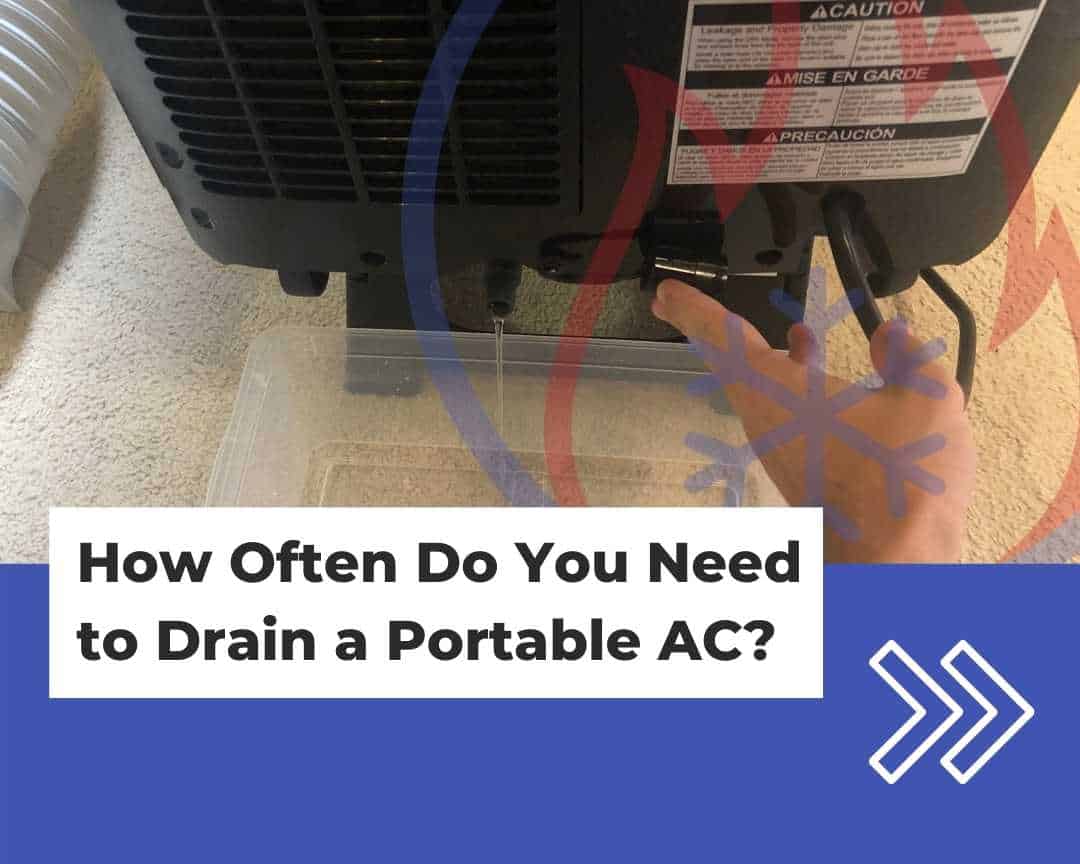
Credit: hvactrainingshop.com
Is It Safe to Leave a Portable Air Conditioner on All Day?
Portable air conditioners are a great way to keep cool during the summer months. But is it safe to leave them on all day?
The answer is yes, it is safe to leave your portable air conditioner on all day.
However, there are a few things you should keep in mind to make sure your AC stays in good working condition.
First, make sure that the room you’re cooling is well-ventilated. Portable air conditioners work best when there’s good airflow around them.
If the room is too stuffy, the AC will have to work harder to cool it down, which can put strain on the unit and shorten its lifespan.
Second, don’t let the temperature get too low. Most portable ACs have an automatic shut-off feature that kicks in when the room reaches a certain temperature (usually around 60 degrees Fahrenheit).
This is to prevent the unit from freezing up and damaging itself. So if you’re leaving your AC on all day, just be sure to check the temperature periodically so it doesn’t get too cold in the room.
Other than those two considerations, there’s no reason why you can’t leave your portable air conditioner running all day long!
Just enjoy the cool breeze and relax knowing your AC has got you covered.
Is It Ok to Run Portable Ac 24 7?
If you’re considering running your portable air conditioner 24/7, there are a few things you should keep in mind. First, while most portable air conditioners are designed for intermittent use, running yours continuously may shorten its lifespan. Additionally, keeping your AC unit running all day and night can be quite expensive – particularly if you’re using an older model that isn’t energy-efficient.
Finally, remember that even the best portable air conditioner won’t be able to maintain a comfortable temperature in an extremely hot or humid environment. If you live in an area with extreme weather conditions, it’s best to consult with a professional before relying on your portable AC unit to keep your home cool.
Is It Cheaper to Leave Portable Ac on All Day?
Assuming you are talking about a portable air conditioner unit:
No, it is not cheaper to leave your portable AC on all day. In fact, it will most likely end up costing you more in the long run.
Here’s why:
First of all, portable air conditioners are not designed to be left on for extended periods of time. They are meant to be turned on when needed and then turned off when the desired temperature is reached.
If you leave them on all day, they will have to work harder to maintain the temperature, which will use more energy and cost you more money.
In addition, leaving your portable AC on all day can shorten its lifespan. These units are not built to withstand constant use and will break down sooner if they are used for long periods of time without a break.
So, not only will you end up paying more in energy costs, but you’ll also have to replace your unit more often, which will cost even more money in the long run.
So what’s the bottom line? It’s simply not worth it to leave your portable AC on all day long.
Save yourself some money (and extend the life of your unit) by using it only when necessary.
Is It Okay to Run a Window Air Conditioner 24 7?
Assuming you mean, is it okay to run a window air conditioner 24/7:
The answer is technically yes, you can run your window air conditioner 24/7. However, we do not recommend running your AC unit around the clock.
There are several reasons for this. First, constantly running your air conditioner puts a lot of wear and tear on the unit. This will cause it to break down more quickly and may shorten its lifespan.
Additionally, running your AC unit constantly will increase your energy bills significantly – so you’ll end up paying more in the long run. Finally, if you live in an area with high humidity, running your AC unit all day long can actually make the air inside your home more humid instead of less! So while you can technically run your window air conditioner 24/7, it’s not advisable from both a financial and comfort standpoint.
Portable Air Conditioners – Why you shouldn't like them
How Long Can Window Ac Run Continuously
If you have ever wondered how long you can run your window air conditioner continuously, the answer is quite simple. As long as the AC unit is properly maintained and has a good working compressor, it can run indefinitely! However, if you start to notice any strange noises coming from the unit or decreased cooling performance, it is best to turn it off and have a professional service technician take a look.
Is It Ok to Run a Portable Air Conditioner Continuously
In the summer heat, it’s tempting to keep your portable air conditioner running all day and night. But is it actually ok to do this? Let’s take a look at the pros and cons of continuous AC use.
On the plus side, continuous air conditioning will obviously keep your home much cooler than if you only used it intermittently. This can be a godsend on particularly hot days. It can also help to lower your overall energy bill, since your AC won’t have to work as hard to cool down your home when it’s already at a comfortable temperature.
However, there are some potential downsides to consider as well. For one thing, running your AC continuously puts a lot of wear and tear on the unit, which can shorten its lifespan. Additionally, continuous use can also lead to higher humidity levels in your home, which can create discomfort or even health problems.
So if you do choose to run your portable AC continuously, be sure to monitor the humidity levels in your home closely.
Overall, there is no definitive answer to whether or not it’s ok to run a portable air conditioner continuously. It really depends on your individual situation and needs.
If you decide that continuous use is right for you, just be sure to take steps to minimize any potential drawbacks.
How Long Can Ac Run Continuously
How Long Can Ac Run Continuously?
When your air conditioner is running, it is drawing in warm air from your home and cooling it. This process removes heat from the air, which makes the air cooler.
The cooled air is then circulated back into your home through a duct system. Your AC will continue to run until the temperature inside your home reaches the temperature you have set on your thermostat.
So, how long can AC run continuously?
It really depends on a few factors, such as:
-The size of your AC unit: Larger units will be able to cool your home faster and for longer periods of time than smaller units.
-The climate you live in: If you live in an area with very hot summers, your AC will likely need to run more often and for longer periods of time than if you live in a milder climate.
-How well insulated your home is: A well-insulated home will retain cool air better than a poorly insulated one, so your AC won’t need to run as much.
Assuming all things are equal, most central AC units should be able to operate continuously for 24 hours without any issues. However, it’s always best to consult with a professional if you’re unsure about anything regarding the operation of your unit.
How Long Can You Run a Portable Air Conditioner Continuously Reddit
A portable air conditioner can be a great way to keep your home cool during the summer months. However, you may be wondering how long you can run your portable air conditioner continuously without damaging it.
According to most manufacturers, you should not run your portable air conditioner for more than 24 hours at a time.
This is because running the unit for too long can cause it to overheat and break down. Additionally, it is important to give your air conditioner a break every few hours so that it can cool off and prevent any damage from occurring.
If you are looking to use your portable air conditioner for an extended period of time, we recommend running it for no more than 12 hours at a time with a few hours in between usage.
This will help ensure that your unit does not overheat and extends its lifespan.
How Long Does a Portable Air Conditioner Take to Cool a Room
It can take a portable air conditioner anywhere from 15 minutes to an hour to cool a room, depending on the size of the unit and the conditions of the room. If the portable air conditioner is too small for the room, it will take longer to cool down. If there are hot objects in the room (like an oven or sun), it will take longer to cool down.
Do Portable Air Conditioners Turn off Automatically
Portable air conditioners are a great way to keep your home cool during the hot summer months. But do they turn off automatically?
The short answer is yes, most portable air conditioners will turn off automatically when the desired temperature is reached.
However, there are a few things to keep in mind when using a portable AC.
First, make sure that the AC unit is properly sized for the room you’re trying to cool. If it’s too small, it won’t be able to reach the desired temperature and will run constantly without turning off.
On the other hand, if it’s too large for the space, it will cycle on and off frequently and won’t be very efficient.
Second, be aware of where you place the unit in the room. The closer it is to windows or doors, the more heat it will take in and have to work harder to cool down the space.
Placing it in a central location away from any heat sources will help it work more efficiently.
Finally, don’t forget to clean or replace the filter regularly. A dirty filter can restrict airflow and cause your AC to work less efficiently.
Does a Portable Air Conditioner Use a Lot of Electricity
A portable air conditioner can be a great way to cool down a room without having to install a window unit. But how much electricity does it use?
On average, a portable air conditioner uses about 7 amps of power.
This means that if you are using a standard 120 volt outlet, your portable AC will use 840 watts of power.
To put this into perspective, an Energy Star certified refrigerator uses about 825 watts of power and a ceiling fan uses about 75 watts of power. So while your portable air conditioner is using more electricity than some other appliances, it is still relatively efficient.
Of course, the actual amount of electricity your portable AC uses will depend on the size and model that you have. A larger unit or one with multiple fans will obviously use more power than a smaller unit. And some models are designed to be more energy-efficient than others.
So if you’re worried about how much electricity your portable air conditioner is going to use, make sure to do your research before you buy. Look for an energy-efficient model and be aware of how much power it needs so you can plan accordingly.
Can I Leave My Portable Ac on All Night
If you’re like most people, you’ve probably asked yourself this question at least once: can I leave my portable AC on all night? The answer is both yes and no. Let’s take a closer look.
On the one hand, leaving your portable AC on all night is perfectly safe. It won’t overheat or catch fire or anything like that. However, it will consume a lot of electricity, which means your energy bill will be higher than usual.
So if you’re trying to save money, it’s not the best idea to leave your portable AC on all night.
On the other hand, there are some benefits to leaving your portable AC on all night. For one thing, it will keep your room cool and comfortable throughout the entire night.
And if you have trouble sleeping in a hot environment, this can be a godsend. Just make sure to set the temperature low enough so that you don’t waste too much electricity – around 68 degrees Fahrenheit is usually ideal.
So there you have it – there are pros and cons to leaving your portable AC on all night long.
Ultimately, the decision is up to you and what works best for your situation.
Conclusion
Portable air conditioners can be a great way to keep cool during the summer months. However, many people are not sure how long they can run without causing damage to the unit. Here is some information on how long portable air conditioners can run.
Most portable air conditioners have a four-hour timer. This means that the unit will automatically turn off after four hours of use. If you want to use the unit for longer than four hours, you will need to reset the timer.
Portable air conditioners are designed for intermittent use. This means that they should not be left on for more than six hours at a time. If you do need to leave the unit on for longer periods of time, it is best to turn it off for at least an hour every six hours.
When using a portable air conditioner, make sure that you do not block the airflow from the unit. This can cause the unit to overheat and shut down prematurely. Also, be sure to keep the area around the unit clear of any debris or obstacles so that airflow is not restricted.
