The air conditioner filter is one of the most important parts of the system. It helps to remove contaminants from the air, making it healthier for you and your family to breathe.
But how long do these filters last?
Depending on the type of filter, they can last anywhere from 30 days to 6 months. The key is to check them regularly and replace them when necessary.
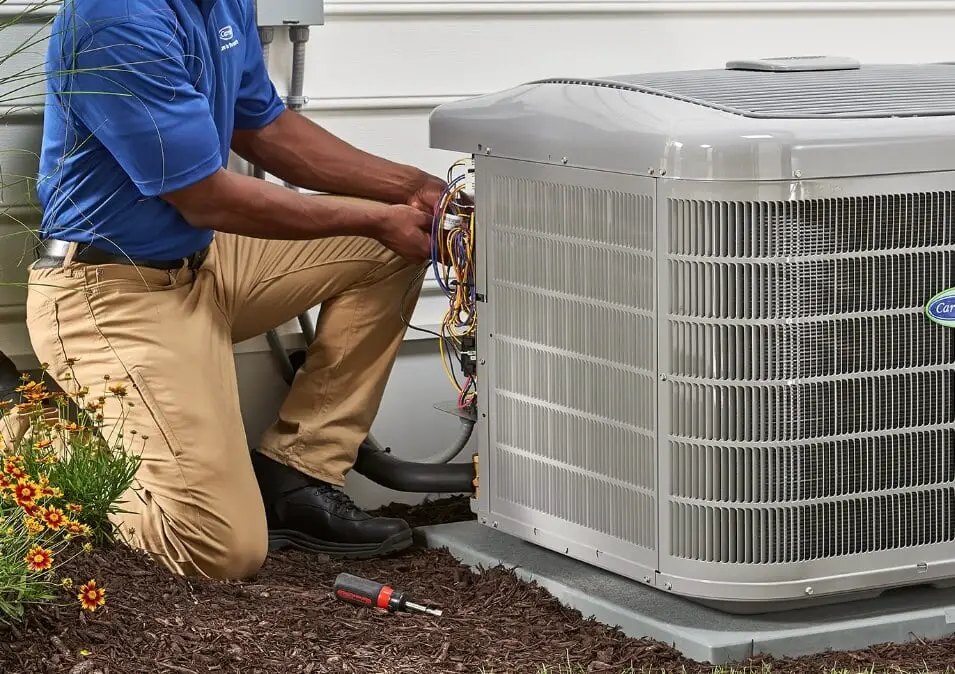
How Long Do Air Conditioner Filters Last?
Air conditioner filters should be replaced at least once a month during the cooling season, and more often if the system is used frequently or if the home is located in a dusty area. Many homeowners forget to replace their filters, which can lead to decreased efficiency and higher energy bills.
How often should I change my AC filter?
It is generally recommended to change the air filter in your air conditioner every 1-3 months, depending on the specific filter and the usage of the air conditioner. Some factors that can affect how often the filter should be changed include the quality of the air in your home, the presence of pets, and the overall cleanliness of your home.
If you live in an area with high levels of air pollution, or if you have pets that shed fur, you may need to change the filter more frequently. Similarly, if you have a large home or run your air conditioner frequently, you may need to change the filter more often. On the other hand, if you live in a clean environment and do not use your air conditioner frequently, you may be able to go longer between filter changes.
Ultimately, the best way to determine how often to change the filter is to refer to the manufacturer’s recommendations and to pay attention to the condition of the filter. If the filter is visibly dirty or clogged, it is probably time to change it.
What happens if you don’t change air filter in AC?
If you don’t change the air filter in your air conditioner, it can cause a number of problems. Here are a few potential consequences of not changing the air filter:
- Reduced air flow: A dirty air filter can restrict the flow of air through the air conditioner, which can reduce its efficiency and effectiveness. This can lead to longer cooling times, higher energy bills, and a less comfortable indoor environment.
- Increased wear and tear: A clogged air filter can cause the air conditioner to work harder and longer to cool your home. This can lead to increased wear and tear on the unit, which can shorten its lifespan and increase the likelihood of breakdowns and repairs.
- Poor air quality: A dirty air filter can allow pollutants and allergens to pass through and circulate in the air inside your home. This can lead to poor indoor air quality, which can affect the health and comfort of those living in the home.
- Higher energy bills: As mentioned, a dirty air filter can cause the air conditioner to work harder and longer, which can result in higher energy bills. By changing the filter regularly, you can help ensure that your air conditioner is operating at peak efficiency and help lower your energy costs.
Overall, it is important to change the air filter in your air conditioner regularly to ensure that it is operating effectively and efficiently.
How do I know when my air filter needs to be replaced?
- Refer to the manufacturer’s recommendations: Many air conditioners come with a recommended schedule for changing the air filter. This information can usually be found in the owner’s manual or on the manufacturer’s website.
- Check the condition of the filter: If the air filter is visibly dirty or clogged, it is probably time to change it. Some filters have a built-in indicator that changes color when it is time to replace the filter.
- Pay attention to changes in performance: If you notice that your air conditioner is not performing as well as it used to, it may be a sign that the air filter needs to be changed. For example, if the air flow seems weaker or if the unit is taking longer to cool the room, these could be indicators that the air filter needs to be replaced.
- Monitor the usage of the air conditioner: If you use your air conditioner frequently, you may need to change the air filter more often. On the other hand, if you only use the air conditioner occasionally, you may be able to go longer between filter changes.
How often to replace air filter in car?
It is generally recommended to replace the air filter in a car every 12,000 to 15,000 miles or once a year, whichever comes first. However, this interval can vary depending on the make and model of the vehicle, as well as the driving conditions and environment in which the vehicle is operated.
For example, if you drive in a very dusty or polluted environment, or if you frequently drive off-road, you may need to replace the air filter more often. On the other hand, if you mostly drive on paved roads in clean conditions, you may be able to go longer between air filter replacements.
How to clean air conditioner filters?
Conclusion
How long do air conditioner filters last? This is a common question that we get asked and there is no easy answer. The lifespan of your filter will depend on many factors, such as the type of filter, the environment it’s used in, and how often it’s used.
In general, most air conditioner filters should be replaced every 3 to 6 months. However, if you live in a dusty environment or have pets, you may need to replace your filter more often.

Thanks for the suggestion to have your air conditioner filters checked and cleaned to avoid temperature changes around your living space. I never knew that this could also increase your monthly bills if left as is! I think my friend can use this information since he wants to install an AC around his home.