Skip to content
Smart AC Solutions
  • CategoriesExpand
    • AC Troubleshooting
    • Air ConditionerExpand
      • Portable Air Conditioners
      • Room Air Conditioners
      • Split System Air Conditioners
      • Window Air Conditioners
      • Reviews & Prices
    • Thermostat Solutions
    • Calculator
  • Directory
  • Request HVAC Service
  • Join Our Pro NetworkExpand
    • HVAC BusinessesExpand
      • Residential
      • Commercial
      • Emergency Services
    • Add Business
  • Register
  • Login
  • Forgot Password?
Smart AC Solutions
Air Conditioner

How Much Does an Air Conditioner Cost for a 2000 Sq Ft Home?

ByRalph P. Sita Updated onFebruary 3, 2025

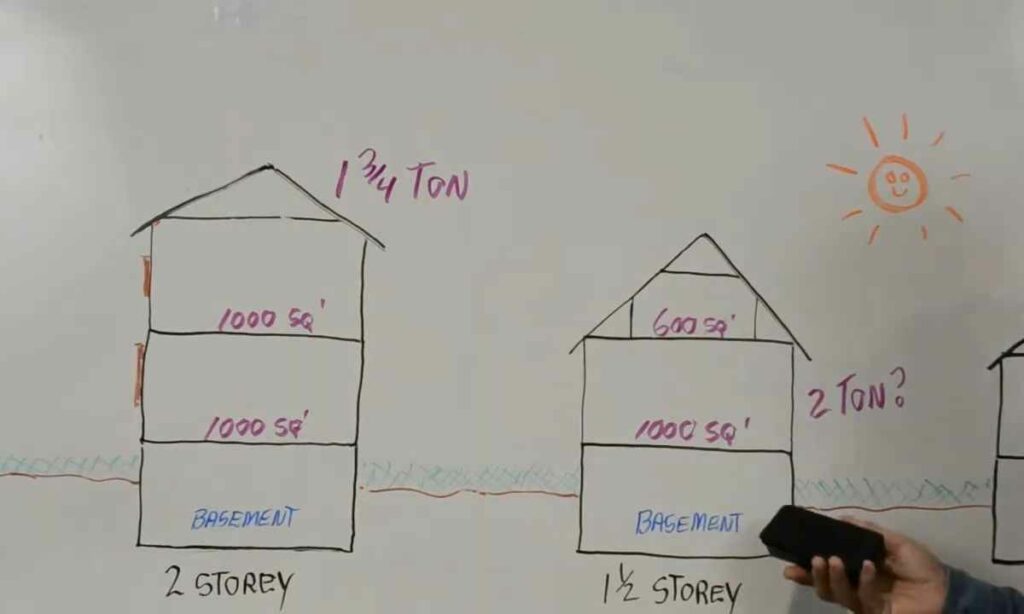
When selecting an air conditioning system for your 2000 sq ft home, understanding the associated costs is crucial. The price can fluctuate widely based on the specific type of air conditioning unit you choose and the complexity of its installation. For instance, central air conditioning systems typically range from $3,000 to $7,000, while more budget-friendly options like window units usually fall between $200 and $600.

At Smart AC Solutions, we recognize that the decision-making process regarding air conditioning systems involves various factors, including energy efficiency, installation requirements, and long-term operational costs. By doing thorough research and considering aspects like the Seasonal Energy Efficiency Ratio (SEER) and available incentives, homeowners can make informed choices that balance upfront costs with future savings.

Additionally, selecting a reputable HVAC contractor is key to ensuring a smooth installation process and maintaining your unit’s efficiency over time. Our team at Smart AC Solutions is committed to providing you with the information needed to navigate this important investment effectively, ensuring your home remains comfortable year-round. If you need further guidance on selecting the best air conditioning solution for your needs, please don’t hesitate to reach out to us.

Page Contents

Toggle
  • What Influences Air Conditioner Costs?
    • Table 1 Average Costs of Different Air Conditioning Systems
  • Analyzing Installation Costs
    • Factors Considered in Estimates
  • Long-Term Costs and Energy Efficiency
    • Evaluating Energy Efficiency
    • Taking Advantage of Incentives
  • Importance of Routine Maintenance
    • Tips for Maintenance
  • Selecting the Right HVAC Contractor
    • Tips for Finding Reputable Contractors
    • Comparing Quotes
    • Importance of Warranties
  • DIY vs. Professional Installation
    • Pros and Cons of DIY
  • Additional Considerations Before Your Purchase
    • Local Codes and Regulations
    • Future Needs
  • Final Thoughts
  • How much does an air conditioner cost for a 2000 sq ft home?
    • Related Articles

What Influences Air Conditioner Costs?

The cost of an air conditioner can vary widely based on numerous factors. Understanding these elements can help you make an informed choice that suits both your needs and your budget.

  • Type of Unit: The type of air conditioning system—central, ductless, or window units—greatly influences the overall cost. Central AC systems are often pricier but provide comprehensive cooling. Ductless mini-split systems offer versatility, while window units are usually the most budget-friendly.
  • Installation Complexity: This refers to how involved the installation process is. For instance, if your home lacks existing ductwork, a central AC system will require additional investment to install new ducts.
  • Seasonal Energy Efficiency Ratio (SEER): The efficiency of the unit also plays a crucial role. Higher SEER ratings generally result in more efficient operation, leading to potential savings on your energy bills over time.

Table 1: Average Costs of Different Air Conditioning Systems

Type of AC UnitAverage Cost (Including Installation)
Central AC$3,500 – $7,500
Ductless Mini-Split$2,000 – $5,000
Window Units$150 – $800
How Much Does an Air Conditioner Cost for a 2000 Sq Ft Home

Analyzing Installation Costs

When we think about installation costs, several components come into play. Not only do we have to consider the price of the unit itself, but also the labor involved in setting it up. On average, homeowners can expect to spend between $5,000 and $10,000 for a new AC system, especially when paired with a furnace. Costs may increase for advanced models or complex installations.

Factors Considered in Estimates

4 Ton Ac Unit Cost

Materials: This includes any additional materials required for installation, such as insulation for ductwork, electrical upgrades, or other necessities.

Labor Costs: These can vary based on where you live and the availability of HVAC professionals. Areas with a higher cost of living typically see increased labor rates.

Long-Term Costs and Energy Efficiency

Understanding the long-term costs associated with your air conditioning choice is essential. While lower-priced units may seem appealing at first, they might not have the durability or efficiency you need over time.

Evaluating Energy Efficiency

When evaluating energy efficiency, look at the SEER rating of an air conditioning system. Higher ratings indicate better energy use and lower monthly bills.

  • Savings Calculation: For instance, a central AC unit with a SEER of 16 may be an upfront investment of $3,500 to $4,500. However, if it saves you on energy costs by running more efficiently, the investment pays off over time.

Taking Advantage of Incentives

Before you commit, consider researching available tax incentives or rebates for energy-efficient AC units. Federal and local programs exist to help offset the costs for homeowners making eco-friendly choices.

Importance of Routine Maintenance

Taking care of your air conditioning system through routine maintenance is crucial for ensuring its longevity and efficiency. We often find that homeowners neglect this aspect, resulting in higher bills and premature system failure.

Tips for Maintenance

  • Regular Cleanings: Schedule annual cleaning for duct systems and replace air filters every 1-3 months. This keeps airflow optimal and reduces strain on the system.
  • Professional Check-Ups: Consult HVAC professionals for scheduled maintenance checks to catch potential issues early on.

Selecting the Right HVAC Contractor

Finding a trustworthy HVAC contractor can make or break your air conditioning experience.

Tips for Finding Reputable Contractors

  • Licensing and Insurance: Always ensure that the professionals you choose are licensed and insured.
  • References and Reviews: Browse online reviews and seek recommendations from friends and family.
  • Detailed Estimates: Ask for clear, detailed estimates that outline the costs and timelines involved.

Comparing Quotes

When you’re considering getting a new air conditioning system for your home, you might get several different quotes or price estimates from various companies. It’s essential to compare these quotes very carefully. While it might be tempting to just pick the cheapest option, there’s a lot more to think about than just the price tag.

Here’s why you should look beyond the numbers:

  1. Services Included: Different companies might offer different services as part of their quotes. For example, one company might include installation and maintenance services, while another might charge extra for those. If you choose the cheaper option and it doesn’t come with installation or follow-up maintenance, you might end up paying more in the long run.
  2. Warranty Coverage: A warranty is like an insurance policy for your air conditioner. It means that the company will help you fix problems at no extra cost if something goes wrong. If one quote includes a warranty and another doesn’t, the one with the warranty might actually be a better deal, even if it costs a little more.
  3. Reputation and Reliability: Sometimes, the cheapest quote can come from a company that isn’t very reputable. Look for reviews or ask friends and family for recommendations. You want to choose a company that is known for doing good work and treating their customers well.

In summary, when you receive multiple quotes, don’t just focus on the price. Read through what each quote includes, compare services provided, check for warranty coverage, and consider the company’s reputation. This can help you make a smarter choice that saves you money and stress in the long run.

Importance of Warranties

When you invest in an air conditioning system, it’s a significant amount of money, and you want to ensure you’re protected in case something goes wrong. This is where warranties come in. A warranty is like a promise from the company that they will fix certain problems free of charge if they happen during the warranty period.

There are two main types of warranties you should know about:

  1. Parts Warranty: This type of warranty covers the parts of the air conditioning unit for a set amount of time, which might be one year, five years, or even longer, depending on the manufacturer. If any parts of your air conditioner break during this time, the company will repair or replace them without you having to pay extra. This can save you a lot of money because repairing or replacing parts can get expensive.
  2. Labor Warranty: Installation can be tricky, and sometimes there can be issues that arise during this process. A labor warranty ensures that if there are any problems related to how the unit was installed, the company will fix them at no additional cost to you. This gives you peace of mind because you know that you won’t be hit with a surprise bill if something goes wrong.

Why Warranties Matter: Having warranties on your air conditioning system provides you with peace of mind. You won’t have to worry as much about unexpected repairs or costs because you know you have some protection in place. It’s like having a safety net — if something goes wrong, you can feel secure that the company will help you without additional expense.

DIY vs. Professional Installation

The decision to go the DIY route or hire a professional can be a contentious one among homeowners.

Pros and Cons of DIY

While DIY installation might offer upfront savings, we have to consider the potential costs if the installation goes awry. Common issues often arise from incorrect sizing or zoning requirements.

  • DIY Tasks: Changing filters, cleaning coils, and insulating ducts are all manageable tasks.
  • Installation Risks: Installing a complete system without professional help may lead to system failures or even safety hazards.

Additional Considerations Before Your Purchase

When preparing for your air conditioning install, think about the broader context of your home and local conditions.

Local Codes and Regulations

Always familiarize yourself with any local regulations surrounding HVAC installations. Building codes can affect what type of systems you can install and whether you need permits.

Future Needs

It’s also wise to consider future needs as you make your decision. Are you planning to expand your home or improve energy efficiency down the line?

  • Growth Considerations: If you envision expanding, a more robust system might provide the flexibility you need without demand for another full installation later.

Final Thoughts

Selecting the right air conditioning system for your 2000 sq ft home is an essential decision that goes beyond just upfront costs. By considering factors like energy efficiency, installation complexity, long-term savings, and maintenance, you can make an informed choice that will serve you well.

At Smart AC Solutions, we’re here to guide you through your air conditioning choices. If you have questions or need assistance finding the right system for your home, please reach out to us. Let’s discuss how we can make your cooling needs a priority, ensuring comfort in your home for years to come!

How much does an air conditioner cost for a 2000 sq ft home?

5/5 - (2 votes)
Ralph P. Sita
Author: Ralph P. Sita

Ralph P. Sita is a seasoned professional with deep roots in both the HVAC and tech industries. His family’s business, Ralph P. Sita, Inc., is a locally owned and operated HVAC contractor with over 42 years of experience, serving the DC, Maryland, and Virginia areas. The company specializes in residential, commercial, and industrial heating, ventilation, and air conditioning services, offering everything from installation and maintenance to custom ductwork and indoor air quality solutions -www.ralphpsita.com. A former CPA, he spent the last decade as co-founder and co-CEO at Cybrary, a leading platform for cybersecurity and IT training. Cybrary became the largest, most well-known cybersecurity training businesses in the industry under his leadership. Smart AC Solutions is an opportunity to give back to the HVAC community by providing reliable, actionable information on all things heating and cooling.

Related Articles:

  1. 2000 Mercedes E320 Ac Relay Location | Searching End Here!
  2. 2000 Honda Accord Ac Control Panel Not Working
  3. How Much Does Air Conditioner Cost in Toronto
  4. How Much Does Air Conditioner Cost Per Month?
Ralph P. Sita

Ralph P. Sita is a seasoned professional with deep roots in both the HVAC and tech industries. His family’s business, Ralph P. Sita, Inc., is a locally owned and operated HVAC contractor with over 42 years of experience, serving the DC, Maryland, and Virginia areas. The company specializes in residential, commercial, and industrial heating, ventilation, and air conditioning services, offering everything from installation and maintenance to custom ductwork and indoor air quality solutions -www.ralphpsita.com.

A former CPA, he spent the last decade as co-founder and co-CEO at Cybrary, a leading platform for cybersecurity and IT training. Cybrary became the largest, most well-known cybersecurity training businesses in the industry under his leadership.

Smart AC Solutions is an opportunity to give back to the HVAC community by providing reliable, actionable information on all things heating and cooling.

Linkedin

Try our new Smart AC Solutions GPT

Description of Smart AC Solutions GPT and link to access.

  • Mastering Whole-Home Ventilation Rate Calculations: A Guide to ASHRAE 62.2 Standards
    by Ralph P. Sita
  • Understanding the Ozone-Based Air Purifier Risks in Occupied Spaces
    by Ralph P. Sita
  • Duct Pressurization Testing (Duct Blaster) Explained: What You Need to Know
    by Ralph P. Sita
  • Optimize Your HVAC Scheduler for Utility Time-of-Use Rates and Slash Energy Bills
    by Ralph P. Sita
  • Ensuring Home Energy Management System (HEMS) Compatibility for Your Smart Home
    by Ralph P. Sita
  • Fresh Air Damper Sizing Guide for Tight Construction: Ensuring Optimal Ventilation
    by Ralph P. Sita

Sites we love:
TrainACE

Facebook Twitter Pinterest YouTube

SmartACSolutions is your go-to source for the latest in heating and air conditioning news, tips, and expert advice.

  • About Us
  • Contact Us
  • Disclaimer
  • Privacy Policy
  • Sitemap

© 2026 Smart AC Solutions । DMCA Protected

SmartACSolutions.com is a property of FieldBin Inc.

Change Location
Find awesome listings near you!
  • Categories
    • AC Troubleshooting
    • Air Conditioner
      • Portable Air Conditioners
      • Room Air Conditioners
      • Split System Air Conditioners
      • Window Air Conditioners
      • Reviews & Prices
    • Thermostat Solutions
    • Calculator
  • Directory
  • Request HVAC Service
  • Join Our Pro Network
    • HVAC Businesses
      • Residential
      • Commercial
      • Emergency Services
    • Add Business
  • Register
  • Login
  • Forgot Password?