Air conditioner 1.5 hp is an essential appliance during the hot summer months. It can be used to cool a small room or office space. The average cost of this unit is about $200.
The average cost of an air conditioner of 1.5 hp is about $250. This includes the unit itself and the installation costs. However, the price may vary depending on the brand, model, and other factors.
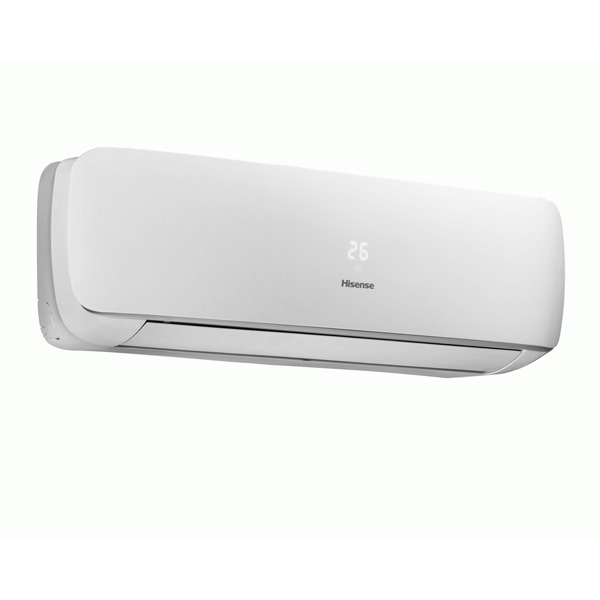
How Much Does a 1.5 Ton Ac Unit Cost?
If you’re looking to purchase a 1.5 ton air conditioner, you can expect to pay anywhere from $500 to $2,000. The price will vary depending on the brand, model, and features. Some factors that will affect the cost include:
-The size of the unit. A 1.5 ton AC unit will be larger and more powerful than a smaller unit, so it will typically be more expensive.
-The efficiency rating. More efficient units will cost more upfront, but they’ll save you money in the long run by using less energy.
-The features offered. Some units come with fancy features like remote control operation or built-in Wi-Fi connectivity.
These added features will obviously cost more than a basic model without them.
How much is a 1.5 ton air conditioner?
Is 1.5 Hp Aircon a Size Room?
1.5 HP aircon is not a size of room. It is a cooling capacity that is suitable for rooms up to 250 square feet.
Which is Better 1Hp Or 1.5 Hp Aircon?
It really depends on what you need the air conditioner for. A 1hp aircon can cool a small room or space, while a 1.5 hp aircon can cool a larger space. If you need to cool a large area, then the 1.5 hp aircon is probably the better option.
However, if you only need to cool a small space, then the 1hp aircon may be sufficient.
What is the difference between 1hp and 1.5 HP air conditioner?
The main difference between a 1 horsepower (HP) and a 1.5 HP air conditioner is the cooling capacity of the unit. A 1 HP air conditioner is generally rated for around 12,000 British thermal units (BTUs) per hour, while a 1.5 HP air conditioner is typically rated for around 18,000 BTUs per hour.
This means that a 1.5 HP air conditioner will typically be able to cool a larger space, or a space that is less well-insulated, than a 1 HP air conditioner. However, it is important to note that the size of the air conditioner required for a given space depends on a number of factors. Including the size and layout of the space, the level of insulation in the building, the number of windows and doors, the climate, and the level of occupancy.
In general, a 1.5 HP air conditioner is suitable for cooling a space of up to about 150-250 square feet, depending on these factors. If you are unsure which size air conditioner you need, it is a good idea to consult with a heating, ventilation, and air conditioning (HVAC) professional. They can assess your cooling needs and recommend the appropriate size and type of air conditioner for your space.
1.5Hp Air Conditioner Room Size
When shopping for a new air conditioner, it’s important to know what size room the unit will need to be able to effectively cool. A 1.5hp air conditioner is typically powerful enough to cool a room that is about 16 square meters in size. This is the equivalent of a small bedroom or office space.
If you have a larger room that you need to cool, you may want to consider a unit with a higher horsepower rating.
1.5Hp Air Conditioner Watts
If you’re looking for a powerful air conditioner that doesn’t use up too much energy, then you’ll want to check out the 1.5 hp air conditioner. This unit is perfect for cooling down a large space quickly and efficiently. Here’s what you need to know about the 1.5 hp air conditioner in terms of watts:
The 1.5 hp air conditioner uses 1500 watts of power. This is significantly less than some of the other high-powered units on the market, which can use upwards of 3000 watts. So, if you’re looking to save on your energy bill, this is a great option.
In terms of cooling capacity, the 1.5 hp air conditioner can cool a room that’s up to 500 square feet in size. So, it’s perfect for larger rooms or spaces that get hot quickly. The bottom line is that the 1.5 hp air conditioner is a great option if you’re looking for a powerful unit that doesn’t use up too much energy.
It’s perfect for cooling down large spaces quickly and efficiently, and it won’t break the bank in terms of your energy bill.
1.5hp Inverter Aircon
How many square meters can 1.5 HP aircon?
The cooling capacity of an air conditioner is typically measured in British thermal units (BTUs) per hour. A 1.5 horsepower (HP) air conditioner is typically rated for around 18,000 BTUs per hour, which is equivalent to about 5.3 kilowatts (kW).
Is 1.5 HP Aircon enough for single room?
A 1.5 horsepower (HP) air conditioner is generally sufficient to cool a single room, provided that the room is not too large and that it is properly insulated. As a general rule of thumb, a 1.5 HP air conditioner is suitable for cooling a space of up to about 150-250 square feet. Depending on a number of factors including the size and layout of the room, the level of insulation in the building, the number of windows and doors, the climate, and the level of occupancy.
How do I know if my AC is 1.5 horsepower?
Check the label: Many air conditioners have a label or sticker on the front or back of the unit that lists the model and specifications, including the horsepower.
Look at the manual: Your air conditioner’s manual should include information about the horsepower of the unit.
How much electricity does a 1.5 HP aircon use?
you can expect a 1.5 HP air conditioner to use about 1,500 watts of electricity per hour when it is running. However, this is just a rough estimate, and the actual electricity usage of your air conditioner may be higher or lower depending on the factors mentioned above.
Which is bigger 1kw or 1HP?
One horsepower (HP) is equivalent to about 0.746 kilowatts (kW). This means that 1 kW is slightly larger than 1 HP.
Conclusion
In short, an air conditioner 1.5 hp will cost you around $200. This includes the cost of installation and labor. If you are looking for a more energy-efficient model, you can expect to pay closer to $400.
