If your portable AC is not cooling, there are several potential reasons. One possibility is that the unit is not properly sized for the room. Another potential issue is that the unit isn’t getting enough air flow.
If the unit is blocked by furniture or curtains, this can prevent proper air circulation and cause the unit to work less effectively.
Additionally, make sure that all filters are clean and that nothing is blocking the intake or exhaust vents. Finally, if you’ve been using the AC continuously for a long period of time, it may simply need to be restarted in order to reset the system and allow it to work properly again.
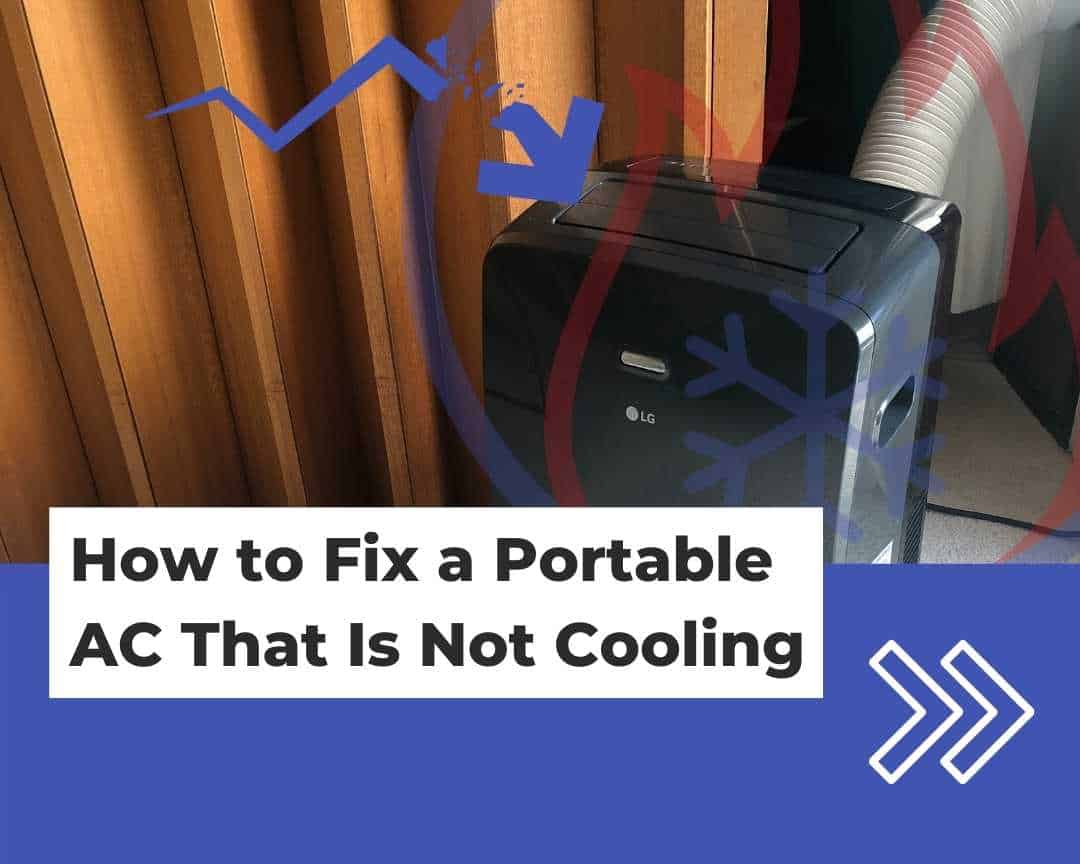
Why is My Portable Ac Running But Not Cooling?
Check to make sure that the unit is properly ventilated. If the unit is not properly ventilated, it will not be able to cool effectively.
Second, check the filters and make sure they are clean. Dirty filters can block airflow and prevent the unit from cooling properly.
Finally, check the temperature setting on the unit. The unit may be set too high and needs to be turned down in order to cool effectively.
Why is My Ac Not Blowing Colder Air?
There could be a number of reasons why your AC is not blowing colder air. It could be that the unit is not big enough for the space, the filters are dirty, or there could be a problem with the compressor. If you have ruled out these potential problems, then it is most likely that there is a refrigerant leak.
Refrigerant leaks are one of the most common AC problems and can cause your unit to blow warm air. If you think you have a refrigerant leak, it is important to call a professional AC repair technician. Do not try to fix this problem yourself as it can be dangerous and may make the situation worse.
Why is My Portable Ac Blowing Warm Air?
The most common reason is that the unit is not receiving enough power to operate correctly. Make sure that the unit is plugged into a working outlet and that the circuit breaker hasn’t been tripped.
Another possibility is that the compressor isn’t working properly. This can be caused by a variety of factors, such as low refrigerant levels or a dirty condenser coil. If you think this might be the problem, it’s best to call a professional for help.
Finally, if the room temperature is already close to the desired temperature, the AC may not turn on at all in order to avoid over cooling the space.
Why is My Portable Ac Not Cooling Enough?
- One possibility is that the air conditioner is too small for the room you’re trying to cool.
- Another possibility is that the air conditioner isn’t properly ventilated. Make sure the exhaust hose is properly attached and that there are no blockages in the path of the exhaust hose.
- Finally, check to see if the air filter needs to be cleaned or replaced. If all of these things check out, then it’s possible that your portable air conditioner simply isn’t powerful enough to cool your entire room.
In this case, you might want to consider purchasing a larger unit or supplementing your portable air conditioner with another cooling method, such as a fan.
How to Make My Portable Ac Colder?
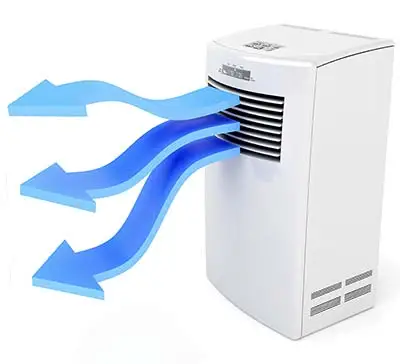
As the weather heats up, many of us are looking for ways to keep our homes cool and comfortable. One option is to use a portable air conditioner. Portable air conditioners can be a great way to cool down a room, but sometimes they don’t seem to get as cold as we would like them to.
First, check the filters. Dirty filters can impede airflow and make the unit less effective. Clean or replace the filters according to the manufacturer’s instructions.
Next, take a look at the vents. Make sure that they are not blocked by furniture or other objects. Blocked vents will restrict airflow and make it harder for the unit to do its job properly. If those two things don’t help, you may need to adjust the temperature setting on the unit itself. Some units have a “swing mode” which circulates air more quickly and can help with cooling power.
Additionally, closing the doors and windows in the room you are trying to cool will also help hot air from outside will make it harder for your unit to do its job effectively.
Finally, if all else fails, you may need a stronger unit for your space. Sometimes smaller rooms require more powerful cooling than portable units can provide. In that case, window or through-the-wall ac might be a better option for you.
How to Make Ac Colder in House Remote
If you want to make your air conditioner colder, there are a few things you can do. One is to simply turn down the thermostat. This will make the unit work harder and longer, which will eventually make the air colder.
Another option is to close the vents in rooms that aren’t being used. This will force more cold air into the room you’re trying to cool off. Finally, if your AC has a “fan only” setting, use it!
This will circulate the cold air without actually cooling off the room, which can help speed up the process.
Why is My Portable Air Conditioner Not Cold?
If your portable air conditioner is not cold, there are a few things you can check to troubleshoot the issue. First, make sure that the unit is properly plugged in and that the circuit breaker has not been tripped. Next, check to see if the air filter is dirty and needs to be replaced.
Finally, verify that the temperature setting on the unit is correct and adjust it accordingly. If none of these solutions solve the problem, you may need to call a technician for assistance.
How to Fix Portable Air Conditioner Not Cooling?
When your portable air conditioner isn’t cooling, it’s a major bummer. You rely on your AC unit to keep you cool and comfortable, so when it starts acting up, it can be a real pain. Luckily, there are some things you can do to try and fix the problem.
First, check to see if the air filter is dirty. A dirty air filter can restrict airflow and prevent your AC from working properly. Clean or replace the filter as needed.
Next, make sure all the vents and openings on the unit are clear and unobstructed. If there’s anything blocking the airflow, that could be why your AC isn’t cooling properly.
If those two things don’t solve the problem, then you may need to call in a professional for help.
They will be able to troubleshoot the issue and get your AC unit back up and running in no time!
Why is My Portable Ac Blowing Hot Air?
The most common reason is that the unit is low on refrigerant. When AC units run low on refrigerant, they can’t properly cool the air, causing them to blow warm or hot air.
Other potential causes include a dirty condenser coil or an airflow blockage. If your portable AC is blowing hot air, check the refrigerant level and clean the condenser coils to see if that fixes the problem.
Lg Portable Air Conditioner Not Cooling
If your LG portable air conditioner isn’t cooling, there are several potential causes.
First, check to make sure that the unit is properly vented. If the unit isn’t vented properly, it won’t be able to cool effectively.
Second, check the air filter. A dirty air filter can restrict airflow and prevent the unit from cooling properly. Third, check the evaporator coils.
If the coils are frozen, they won’t be able to absorb heat and the unit won’t be able to cool effectively.
Third, check the compressor. If the compressor isn’t running, the unit won’t be able to cool at all.
Conclusion
The most common reason is that the air conditioner is not properly ventilated. Make sure that you have proper ventilation by placing the unit near a window or door where it can exhaust hot air outside.
