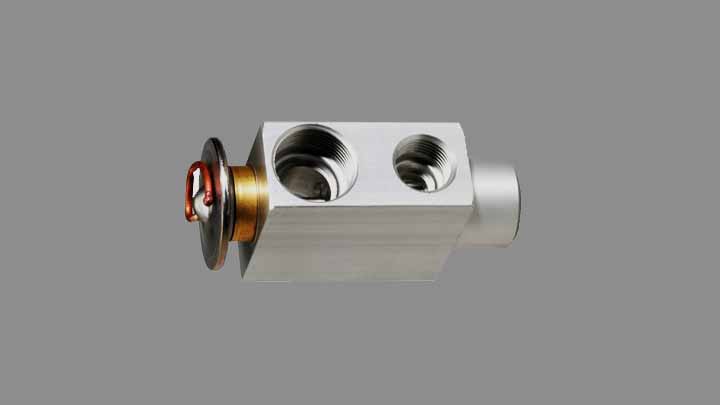
The expansion valve is a component of an automobile air conditioning system. It regulates the amount of refrigerant entering the evaporator so that it can absorb heat from the interior and cool it down. The expansion valve works by converting high-pressure liquid refrigerant into low-pressure vapor in order to reduce its temperature.
This process reduces the pressure on one side, allowing more cold air to flow through vents inside your car. The colder air helps make your ride comfortable when you’re driving in hot weather or during a long road trip. As part of this process, some refrigerant also moves across a filter drier and absorbs any moisture before going into the evaporator core where it begins cooling the cabin space inside your vehicle.
The expansion valve is a key component of your car’s air conditioning system. It works to regulate the flow of refrigerant between the evaporator and condenser, allowing for optimal cooling capacity. The expansion valve is responsible for reducing the pressure of hot, compressed gas as it enters the evaporator so that it can absorb heat from inside your vehicle.
This process creates cold air that is then blown into your cabin via the blower motor and vents. Without an expansion valve, your car’s A/C wouldn’t be able to cool you down on those hot summer days!
Symptoms of Bad Expansion Valve Car Ac
One of the most common symptoms of a bad expansion valve in a car is reduced air conditioning performance. You may notice that your AC system is not cooling as effectively or efficiently as it should, and this can be caused by an issue with the expansion valve. Other signs to look out for include excessive noise coming from the AC unit, leaking coolant, and strange smells coming from the vents.
If you are experiencing any of these issues, it could mean that your car’s expansion valve needs to be replaced or repaired.
Where is the Ac Expansion Valve Located
The AC Expansion Valve is typically located in the evaporator or air handler of your air conditioning system. It is responsible for controlling refrigerant flow and helps to regulate how much refrigerant passes through the evaporator coil. The valve can usually be found near a heat pump, furnace, or blower motor, depending on the type of system you have.
It’s important to regularly check and maintain this component because it plays an essential role in keeping your AC running efficiently.
Expansion Valve Ac Car Price
The average price of an expansion valve AC car can vary depending on the make and model, but is typically in the range of $1,000-$2,000. While this may seem expensive for some budgets, it’s important to remember that you’re investing in a long-term solution that will keep your car cool and comfortable during the hot summer months. Additionally, by installing an expansion valve AC system you’ll also be increasing the resale value of your vehicle as well as improving fuel efficiency.
Ac Expansion Valve Symptoms
An expansion valve, found in many air conditioning systems, is responsible for regulating the amount of refrigerant that flows into the evaporator. Symptoms of a malfunctioning expansion valve can include reduced cooling efficiency, excessive noise from the compressor motor or system cycling on and off more frequently than normal. In addition, unusually high temperatures inside the vehicle may also indicate an expansion valve issue.
It’s important to have any problems with your AC system inspected by a qualified technician as soon as possible to avoid further damage and increased repair costs.
Car Ac Expansion Valve Replacement
Replacing a car’s expansion valve is an important task for any vehicle owner. The expansion valve works to control the flow of refrigerant in your A/C system, and if it becomes damaged or clogged then you won’t be able to cool your car down as efficiently. Replacing the expansion valve requires some knowledge of automotive systems, but with the right tools and instructions it can be done in just a few hours.
Once complete, you should have a working air conditioning system that will keep your passengers nice and comfortable all summer long!
Function of Expansion Valve in Refrigerator
The expansion valve in a refrigerator is an important component that regulates the flow of refrigerant, allowing it to expand and contract as pressure changes. The expansion valve controls the rate of cooling by controlling the amount of refrigerant that enters the evaporator coil. This allows for efficient cooling, and prevents overcooling which can cause damage to components within your fridge.
Car Ac Expansion Valve Location
The car air conditioning expansion valve is typically located between the evaporator and compressor, but its exact location can vary depending on make and model. On many vehicles, it’s found under the hood in an area close to the firewall or along one of the side walls. It’s important to locate your vehicle’s expansion valve before attempting any repairs as improper installation may cause further damage.
Car Ac Expansion Valve Leaking
A leaking car AC expansion valve can cause a variety of problems, such as reduced cooling efficiency and air conditioning performance. In addition to this, the leaking fluid may cause corrosion or damage to other components in your vehicle’s AC system. If you suspect that your car’s AC expansion valve is leaking, it’s important to have it checked out by a professional mechanic right away.
They will be able to diagnose the issue and advise on the best course of action for repair or replacement.
Credit: gomechanic.in
What Happens When an Ac Expansion Valve Goes Bad?
When an AC expansion valve goes bad, it can cause a variety of problems. The most common symptom is reduced cooling capacity. This happens because the refrigerant is not able to flow properly and therefore unable to absorb enough heat from the air passing over the evaporator coils.
Additionally, this can lead to ice buildup on the evaporator coils or other components which will reduce their efficiency even further. Other symptoms include increased noise levels due to restricted airflow and high pressure in certain parts of the system caused by liquid refrigerant backing up in hoses or lines instead of vaporizing as normal. If left unchecked, this issue can eventually result in compressor failure and costly repairs are often necessary if you want your system up and running again soon.
Can Ac Work Without Expansion Valve?
No, an air conditioner cannot work without an expansion valve. The expansion valve is a critical component of the AC system that helps regulate and control the flow of refrigerant through the evaporator coil. It works by throttling or restricting the flow of liquid refrigerant into the evaporator coil, allowing for a controlled release of cold air into your home or business.
Without it, there would be no way to maintain a constant temperature in your space and you’d see drastic fluctuations in cooling performance. Therefore, if there is any issue with your AC’s expansion valve, then it should be addressed immediately to ensure optimal functioning of your system.
How Do You Check a Car Ac Expansion Valve?
To check a car AC expansion valve, you will need to first locate the valve. It is located near the evaporator and often looks like an inverted bottle or cone with a tube running out of it. Once you have located it, start the engine and turn on the air conditioning system.
Listen for any rattling noises coming from around the expansion valve as this could indicate that there is a build-up of debris blocking its flow. If no noise is heard then use a multimeter to measure voltage across terminals in order to test if power is being sent properly through the valve. Finally, take off one side of your air conditioner paneling and inspect for cracks or wear in any visible parts such as O-rings or hoses surrounding the valves.
Replace any damaged components before reassembling everything again for optimal performance of your car’s AC system.
What Causes Car Ac Expansion Valve to Fail?
The most common cause of car AC expansion valve failure is due to a clogged or restricted passage, caused by dirt and debris buildup. This can occur if the system is not routinely serviced, as it can allow for contaminants to build up in the valves. Other causes of expansion valve failure include corrosion from age-related wear and tear, mechanical damage from foreign objects entering the system, improper installation, and faulty wiring or electrical components.
In some cases, an inadequate amount of refrigerant in the system may lead to overheating and eventual valve failure.
The principle of auto expansion valve
Conclusion
In conclusion, the expansion valve plays a critical role in controlling the flow of refrigerant and maintaining the proper pressure balance between high-pressure and low-pressure sides of a car’s air conditioning system. Without it, your vehicle would not be able to maintain adequate cooling performance. To ensure that your car maintains its optimal AC performance, always make sure to have any potential issues with your expansion valve checked by a professional mechanic.
{ “@context”: “https://schema.org”, “@type”: “FAQPage”, “mainEntity”:[{“@type”: “Question”, “name”: “What Happens When an Ac Expansion Valve Goes Bad? “, “acceptedAnswer”: { “@type”: “Answer”, “text”: ” When an AC expansion valve goes bad, it can cause a variety of problems. The most common symptom is reduced cooling capacity. This happens because the refrigerant is not able to flow properly and therefore unable to absorb enough heat from the air passing over the evaporator coils. Additionally, this can lead to ice buildup on the evaporator coils or other components which will reduce their efficiency even further. Other symptoms include increased noise levels due to restricted airflow and high pressure in certain parts of the system caused by liquid refrigerant backing up in hoses or lines instead of vaporizing as normal. If left unchecked, this issue can eventually result in compressor failure and costly repairs are often necessary if you want your system up and running again soon.” } } ,{“@type”: “Question”, “name”: “Can Ac Work Without Expansion Valve? “, “acceptedAnswer”: { “@type”: “Answer”, “text”: ” No, an air conditioner cannot work without an expansion valve. The expansion valve is a critical component of the AC system that helps regulate and control the flow of refrigerant through the evaporator coil. It works by throttling or restricting the flow of liquid refrigerant into the evaporator coil, allowing for a controlled release of cold air into your home or business. Without it, there would be no way to maintain a constant temperature in your space and you’d see drastic fluctuations in cooling performance. Therefore, if there is any issue with your AC’s expansion valve, then it should be addressed immediately to ensure optimal functioning of your system.” } } ,{“@type”: “Question”, “name”: “How Do You Check a Car Ac Expansion Valve? “, “acceptedAnswer”: { “@type”: “Answer”, “text”: ” To check a car AC expansion valve, you will need to first locate the valve. It is located near the evaporator and often looks like an inverted bottle or cone with a tube running out of it. Once you have located it, start the engine and turn on the air conditioning system. Listen for any rattling noises coming from around the expansion valve as this could indicate that there is a build-up of debris blocking its flow. If no noise is heard then use a multimeter to measure voltage across terminals in order to test if power is being sent properly through the valve. Finally, take off one side of your air conditioner paneling and inspect for cracks or wear in any visible parts such as O-rings or hoses surrounding the valves. Replace any damaged components before reassembling everything again for optimal performance of your car’s AC system.” } } ,{“@type”: “Question”, “name”: “What Causes Car Ac Expansion Valve to Fail? “, “acceptedAnswer”: { “@type”: “Answer”, “text”: ” The most common cause of car AC expansion valve failure is due to a clogged or restricted passage, caused by dirt and debris buildup. This can occur if the system is not routinely serviced, as it can allow for contaminants to build up in the valves. Other causes of expansion valve failure include corrosion from age-related wear and tear, mechanical damage from foreign objects entering the system, improper installation, and faulty wiring or electrical components. In some cases, an inadequate amount of refrigerant in the system may lead to overheating and eventual valve failure.” } } ] }