An inverter air conditioner is an air conditioner that uses an inverter to control the speed of the compressor. This allows the air conditioner to work at a lower speed and use less energy. Inverter air conditioners are more expensive than traditional air conditioners, but they are more efficient and can save you money on your energy bill.
Inverter air conditioners are a newer type of AC unit that is becoming increasingly popular. These units use inverter technology to help regulate the flow of electricity, which results in more efficient operation. Inverter ACs also tend to be quieter and have a longer lifespan than traditional AC units.
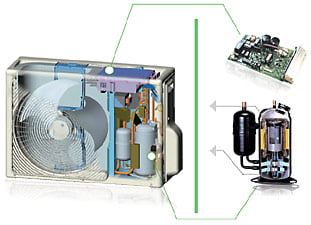
What is the Disadvantage of Inverter Ac?
Inverter air conditioners have several disadvantages. One is that they are more expensive than traditional air conditioners. Another is that they are less efficient, meaning they use more electricity.
Additionally, inverter ACs can be noisy and produce more vibration than traditional units.
Finally, inverter air conditioners require special installation procedures and maintenance, which can add to the overall cost.
Is Inverter Ac Better Than Regular Ac?
There are a few key reasons why an inverter AC may be a better choice than a regular AC for some people. One reason is that inverter ACs tend to be more energy-efficient than regular ACs. This means that they can help you save money on your energy bills.
Another reason is that inverter ACs tend to be quieter than regular ACs, so they may be a good choice if you need an air conditioner for a bedroom or other quiet space. Finally, inverter ACs often have features that regular ACs don’t, such as the ability to run on batteries during a power outage.
What is the Benefit of Inverter Air Conditioning?
Inverter air conditioners are much more efficient than traditional air conditioners. They use less energy to cool a room and can save you money on your energy bill. Inverter air conditioners also tend to be quieter than traditional units, making them ideal for use in bedrooms or other quiet areas of the home.
Is an Inverter Air Conditioner Worth It?
There are a few things to consider when wondering if an inverter air conditioner is worth the investment. Inverter air conditioners are more expensive than traditional air conditioners, but they also use less energy, which can save you money in the long run. Inverter air conditioners also tend to be quieter and have a longer lifespan than traditional models.
So, if you’re looking for an energy-efficient and quiet air conditioner, an inverter model may be worth the investment.
Disadvantages of Inverter Air Conditioner:
An inverter air conditioner is a type of AC unit that uses an inverter to convert DC power into AC power. This allows the compressor to run at a slower speed, which results in lower noise levels and increased efficiency. However, there are some disadvantages to using an inverter air conditioner.
One downside is that they can be more expensive than traditional AC units. Another potential issue is that the slower speeds of the compressor can cause it to overheat, which can shorten its lifespan. Additionally, if there is a power outage, traditional AC units will restart automatically when power is restored, but inverter AC units will need to be manually reset.
Best Inverter Air Conditioner
An inverter air conditioner is a type of AC that uses an inverter to convert DC voltage from the AC mains into alternating current. This enables the AC to run at a lower speed and use less power, making it more efficient than traditional models. Inverter ACs also tend to be quieter and have a longer lifespan.
There are several things to consider when choosing an inverter air conditioner, such as the type of compressor, the cooling capacity, and the features offered. The most important factor is usually the price, so be sure to compare prices from different brands before making your final decision.
Inverter Air Conditioner Vs Non Inverter
Air conditioners have come a long way in recent years, and there are now two main types on the market: inverter and non-inverter. So, which one is right for you? Inverter air conditioners are more energy efficient than their non-inverter counterparts as they can adjust their cooling output to match the desired temperature, rather than running at full power all the time.
This makes them ideal for rooms that aren’t consistently hot or cold. Non-inverter air conditioners, on the other hand, are better suited to rooms that experience extreme temperatures as they will cool the room down quicker. They’re also cheaper to buy initially.
So, which one should you go for? If you want an air conditioner that is energy efficient and can adapt to fluctuating temperatures, then an inverter model is the best choice. However, if you need an AC unit that will cool a room quickly and doesn’t mind being turned on and off frequently, then a non-inverter air conditioner will suit your needs perfectly.
How inverter air conditioner works/ Inverter Ac vs normal Ac
Problems With Inverter Ac
Inverter ACs are a type of air conditioner that uses an inverter to control the speed of the compressor. This allows the AC to run at a lower speed and use less energy. Inverter ACs also have a higher SEER rating, which means they are more efficient than traditional ACs.
However, there are some problems with inverter ACs that you should be aware of before you purchase one. First, they can be more expensive than traditional ACs. Second, they may not work as well in very cold or very hot climates.
Finally, they can be noisy when they first start up.
Conclusion
An inverter air conditioner is a type of AC unit that uses an inverter to convert DC power into AC power. This allows the unit to run at a lower speed and use less energy, which makes it more efficient than traditional AC units. Inverter air conditioners are also quieter and have a longer lifespan than traditional units.
