If you’re looking for a free air conditioner, your best bet is to check with your local utility company.
Many utility companies offer programs that provide free or discounted air conditioners to low-income customers. You may also be able to find free air conditioners through government assistance programs.
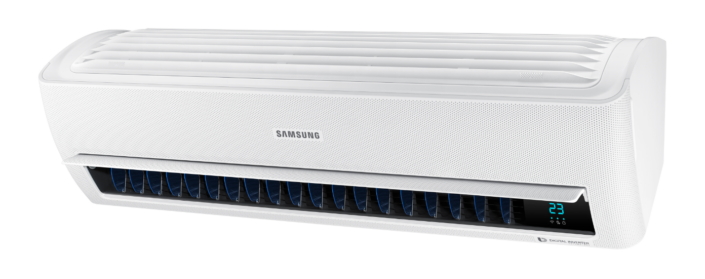
Where Can I Get a Free Air Conditioner near Round Rock, TX?
If you’re looking for a free air conditioner near Round Rock, TX, there are a few places you can check. The first is your local Salvation Army or Goodwill. These organizations often have gently used appliances that they are willing to give away to those in need.
Another option is to contact your city or county government’s human services department. They may have a list of resources for low-income residents who need assistance with essential items like air conditioners.
Finally, you can also reach out to faith-based organizations in your area as they may also be able to help with obtaining a free air conditioner.
Where Can I Get a Free Air Conditioner near Austin, TX?
As the summer heat hits Austin, many people are scrambling to find a way to keep cool. One popular solution is to use an air conditioner, but these can be expensive to purchase and operate.
Fortunately, there are several places where you can get a free air conditioner near Austin, TX.
1. The City of Austin offers a limited number of free air conditioners for low-income residents through their Cooling Assistance Program. To see if you qualify, contact 2-1-1 or visit the City’s website.
2. Williamson County also has a program called “Cool Aid” which provides free window air conditioning units to income-qualified residents.
For more information, call 512-943-3300 or visit their website.
3. Another option is the Salvation Army’s Air Conditioner Assistance Program which provides free window units to those in need. Contact your local Salvation Army or visit their website for more information on how to apply.
With these three options, there’s sure to be a way for you to stay cool this summer without breaking the bank!
How can I get a free air conditioner in NYC?
If you live in New York City, you may be wondering how you can get a free air conditioner. While there are many ways to get an air conditioner for free or at a reduced cost, it is important to note that not all options will be available to everyone. Here are some potential ways that you could get a free air conditioner in NYC:
- Check with your housing authority or building management company. Some buildings offer air conditioners to residents at no cost. If your building does not have central air conditioning, they may provide portable units for individual use.
- Apply for energy assistance programs like HEAP (Home Energy Assistance Program). You may be eligible for a voucher that would cover the cost of an AC unit, depending on your income and household size.
- See if you qualify for any government benefits that would help pay for an AC unit such as Social Security Income (SSI) or Supplemental Security Income (SSDI).
- Reach out to local charities or non-profit organizations who may have programs in place to help low-income individuals afford essential items like air conditioners during hot weather months
How can I get a free air conditioner in Ohio?
There are a few ways that you can get a free air conditioner in Ohio. One way is to contact your local utility company and see if they offer any programs or discounts for air conditioner purchases. Another way is to check with the Department of Energy’s Weatherization Assistance Program.
This program provides free or reduced-cost home energy audits and weatherization services, which can include the installation of energy efficient appliances like air conditioners. Finally, you can also search online for government rebates or tax credits that may be available for energy efficient home improvements like air conditioners.
Where can I get a free ac check?
Most people don’t know that their local library is a great resource for free AC checks. Many libraries offer this valuable service to their patrons. You can usually find the information you need by searching the library’s online catalog or contacting the reference desk.
If your car’s AC isn’t working properly, it can be a real pain – especially during those hot summer months. Fortunately, there are places you can go to get a free AC check. Here are just a few:
- Your Local Library: Believe it or not, many libraries offer free AC checks to their patrons. You can usually find the information you need by searching the library’s online catalog or contacting the reference desk.
- Auto Parts Stores: Some auto parts stores will check your car’s AC for free if you purchase your Freon from them. This is usually done while you wait and only takes a few minutes.
- Tire Stores : Some tire stores also offer free AC checks as part of their services. Again, this is generally done while you wait so it won’t take up much of your time. Plus, they may be able to spot other potential problems with your vehicle while they’re checking out the air conditioning system.
If your car’s AC isn’t working properly, don’t despair. There are plenty of places you can go to get a free AC check. With a bit of research, you should be able to find a location near you that can help keep you cool all summer long.
Free Air Conditioners from the Government 2022
The Low Income Home Energy Assistance Program (LIHEAP) may be able to help you pay your cooling bills. LIHEAP is a federally funded program that helps low-income families with their energy bills. You may be eligible for help if your income is below 150% of the federal poverty level.
If you’re eligible, you may receive help with:
- -Your electric bill
- -A one-time payment for air conditioner repairs
- -A new air conditioner if yours isn’t working properly.
To apply for LIHEAP, contact your state’s energy office or the local social services agency where you live.
What to Do If You Can’t Afford an Air Conditioner?
If you can’t afford an air conditioner, there are still ways to stay cool during the summer. Some low-cost or no-cost options include staying in the shade, using fans, and opening your windows at night. You can also make your own air conditioner by freezing water in a plastic bottle and placing it in front of a fan.
Additionally, try wearing light-colored clothing and drinking lots of fluids to help keep your body temperature down. If you have asthma or another respiratory condition, be sure to check with your doctor before taking any steps to cool off, as some cooling methods could make your symptoms worse.
What Can I Use If I Don’t Have an Ac?
If your home doesn’t have air conditioning, there are still several ways to keep cool during the summer months. Here are a few ideas:
1. Use fans. Ceiling fans and portable fans can help circulate air and make a room feel cooler.
2. Keep blinds and curtains closed during the hottest hours of the day. This will help block out some of the sun’s heat.
3. Take cold showers or baths. This will help lower your body temperature and make you feel more comfortable in the heat.
4. Wear loose, lightweight clothing in natural fabrics like cotton or linen. This will help you stay cooler than if you were wearing heavier fabrics like wool or denim.
How Do People Afford a New Ac Unit?
Assuming you are referring to a central air conditioning unit, they can be quite expensive. The average cost of a new AC unit is $3,500. Some factors that affect the price include the brand, efficiency and size of the unit.
Most people cannot afford to pay for a new AC unit outright and finance it over time. There are many financing options available for those who need to purchase a new AC unit. Some stores offer interest-free financing for up to 18 months.
There are also many lending companies that offer loans for those looking to purchase a new AC unit. The terms of these loans vary, but most require monthly payments over a set period of time, usually 3-5 years.
Free air conditioners for seniors
There are a variety of organizations that offer free air conditioners for seniors, as well as other energy assistance programs. Benefits.gov provides a list of some of these organizations, which include state and local government agencies, electric companies, and nonprofit organizations. Some states also have their own weatherization assistance program that can provide free air conditioners to eligible senior citizens.
In order to be eligible for most of these programs, senior citizens must meet certain income requirements. For example, the Low Income Home Energy Assistance Program (LIHEAP) offers financial assistance to low-income households in order to help them pay their energy bills and make necessary home energy improvements such as weatherization. To find out more about LIHEAP and how to apply for benefits, visit their website or contact your state’s social service’s agency.
In addition, many utility companies offer special discounts or payment plans for customers with low incomes. Contact your local utility company to inquire about what types of assistance they may be able to provide you with during the summer months when cooling costs can really add up!
Conclusion
There are a few ways that you can get a free air conditioner. One way is to look for government programs that offer them. Another way is to check with local charities or non-profit organizations. You can also try searching online for companies that offer free air conditioners.
