Have you ever been in a room with the air conditioning turned on and noticed the lights flickering? This is a common issue that many homeowners experience and it can be quite frustrating.
The reason why your lights flicker when the AC turns on is due to a phenomenon known as voltage fluctuation. Essentially, when your air conditioning system kicks on, it draws a significant amount of power from your electrical system, causing a momentary drop in voltage. This drop in voltage can cause your lights to flicker or even dim for a brief moment.
In this blog post, we will explore the reasons why your lights flicker when the AC turns on and what you can do to fix the issue. We will discuss the effects of voltage fluctuations on your electrical system and appliances, as well as how to prevent them from happening.
Additionally, we will provide tips on how to avoid overloading your electrical system, which can lead to further voltage fluctuations and potential damage to your appliances.
Why Do My Lights Flicker When the AC Turns On: The Reasons
There are a few reasons why your lights may flicker when the AC turns on. One reason could be that the AC is drawing too much power and causing a voltage drop. Another possibility is that the AC is cycling on and off too quickly, which can cause the lights to flicker.
If the flickering is severe, it could be a sign of a more serious problem with the AC unit or electrical system and you should call an electrician.
There are several reasons why lights flicker when the AC turns on, including:
- Voltage fluctuations: When the air conditioning system turns on, it draws a large amount of power, which can cause a momentary drop in voltage. This dip in voltage can cause lights to flicker.
- Overloaded circuits: If the circuit that powers the air conditioning system is already overloaded, adding the load of the AC can cause lights to flicker. This is an indication that you need to upgrade your electrical service.
- Loose connections: If the connections in your electrical panel are loose, the power supplied to your home may fluctuate when the AC turns on. This can cause lights to flicker.
- Faulty wiring: If the wiring in your home is old or faulty, it can cause power fluctuations when the AC turns on, leading to light flicker.
If this is happening, you should have an electrician check your wiring to see if it needs to be upgraded.
How Do I Stop My Lights from Flickering When I Turn the Ac On?
The flickering of lights is a common problem that can occur when the AC is turned on. There are a few things that can cause this to happen, and it is important to identify the root cause in order to fix the issue.
One common cause of flickering lights is loose connections. When the AC is turned on, it can create a vibration that can loosen up any loose wires or connections. This can lead to an electrical current that is not stable, which will cause the lights to flicker.
It is important to check all of the connections in your home and make sure they are tight and secure.
Another possible cause of flickering lights is a power surge. When the AC turns on, it can sometimes create a power surge that can overload the circuit and cause the lights to flicker.
If this happens, you should turn off the AC immediately and reset all of the breakers in your home.
Once everything has been reset, you should be able to turn the AC back on without any problems.
If you find that your lights are still flickering after checking all of the connections and resetting any breakers, then you may have a more serious problem with your electrical system.
In this case, it is best to contact an electrician for help.
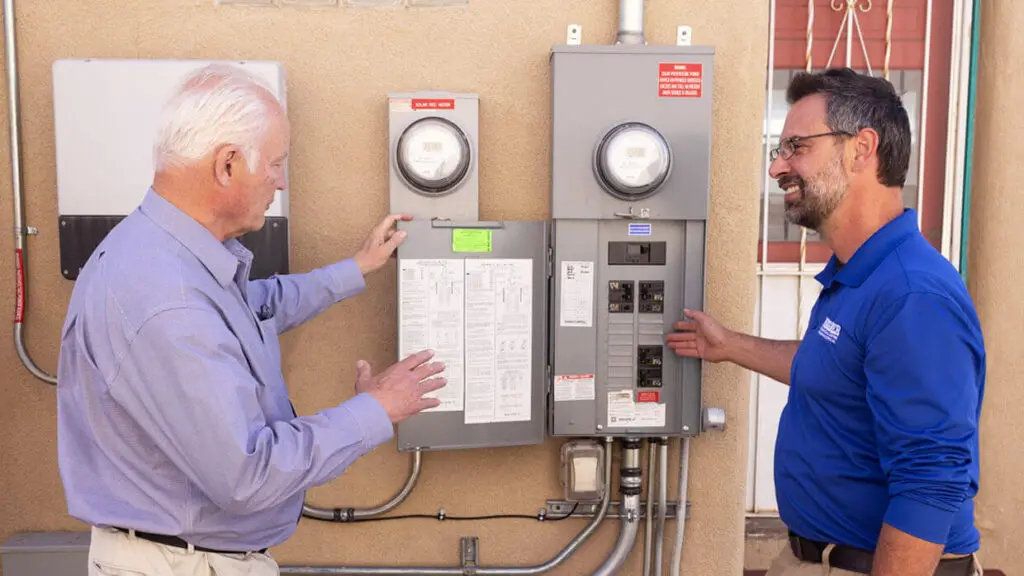
Why Do My Lights Dim When the Ac Turns On in My Car?
There are a few reasons why your car’s lights may dim when the air conditioning (AC) is turned on. One reason could be that the AC is drawing power from the battery, causing the voltage to drop and the lights to dim.
Another possibility is that there is a problem with the alternator or other electrical components in the charging system, which is not providing enough power to keep up with the demand from both the AC and other electrical accessories.
If your car has been having this problem for some time, it’s best to take it to a mechanic or auto electrician for diagnosis and repair.
What Would Cause Lights to Flicker Throughout the House?
There are a few potential causes of flickering lights throughout your home. One possibility is that there is an issue with the wiring in your home. If the wiring is old or damaged, it can cause the lights to flicker.
Another possibility is that there is a problem with the circuit breaker. If the circuit breaker trips frequently, it can cause the lights to flicker. Finally, if you have fluorescent light bulbs in your home, they can sometimes flicker when they are first turned on.
Lights Flicker When Ac Turns on Fix
If your lights flicker when you turn on your AC, there are a few possible causes. First, check to see if the flickering is happening with all of the lights in your home or just some of them. If it’s just one light, it’s likely a loose bulb.
If it’s all of the lights, there are a few other potential causes. One possibility is that the power supply to your home is fluctuating. This can happen for a variety of reasons, including problems with the utility company’s equipment or downed power lines.
If this is the case, you’ll need to contact your utility company to have them investigate and resolve the issue. Another possibility is that there is a problem with your AC unit itself. In some cases, a faulty capacitor can cause flickering lights.
This is a relatively easy fix – simply replacing the capacitor should do the trick. However, if you’re not comfortable doing this yourself, you’ll need to call in an AC repair technician to take care of it for you.
In any case, if your lights are flickering because of your AC unit, it’s best to get it checked out sooner rather than later as it could be indicative of a more serious problem.
Lights Flicker When Ac Turns on New House
If you’ve just moved into a new home and the lights start flickering when you turn on the AC, don’t panic! This is a common problem that can be easily fixed. The most likely cause of your flickering lights is an issue with the home’s electrical wiring.
When the AC is turned on, it creates a slight voltage drop in the electrical system. This can cause old or poorly-wired homes to experience flickering lights.
There are a few easy ways to fix this problem:
1. Check all of your lightbulbs and make sure they are screwed in tight. Loose bulbs can cause flickering.
2. If you have any dimmer switches, try turning them off. Dimmer switches can sometimes add instability to an electrical system.
3. Have an electrician check your home’s wiring. They may need to replace some of the old wiring or add additional grounding wires to stabilize the system.
Lights Flicker When Ac Turns on Reddit
When you flip the switch to turn on your lights, you expect a steady stream of electricity to power them. However, sometimes when you turn on your AC unit, your lights may flicker. This is because both appliances use a lot of power and can cause a dip in the voltage supplied to your home.
While this is not dangerous, it can be annoying.
There are a few things you can do to minimize the flickering:
-Make sure that both your AC unit and light fixtures are properly grounded. This will help reduce the chance of a voltage dip.
-Install low-wattage bulbs in your light fixtures. This will reduce the amount of power they need and minimize flickering.
-Avoid using too many appliances at once. If you have multiple appliances running, they can all compete for power and cause flickering.
Led Lights Flicker When Ac Turns on
LED lights flicker when AC turns on because the current from the AC is not enough to sustain the LED light. The flickering stops when the AC is turned off or when another light source is turned on.

Car Lights Flicker When Ac Turns on
If your car’s lights flicker when you turn on the AC, there are a few possible explanations. First, it could be a sign that your alternator is going bad. Alternators provide power to the electrical system while the engine is running, and if it’s not working properly, it can cause the lights to flicker.
Second, it could be a loose connection somewhere in the electrical system. This is especially likely if the flickering only happens when the AC is turned on; if that’s the case, check to see if any of the connections near the AC compressor are loose or corroded. Finally, it’s possible that there’s something wrong with the AC itself.
If you suspect this is the case, take your car to a mechanic and have them diagnose the problem.
Car Lights Dim When the AC Turns On
“Car Lights Dimming When AC Turns On” is a common issue that car owners face. This is caused by the high power requirement of the air conditioning system which draws electrical power from the car’s battery, causing the voltage available for the lights to drop. This is a normal occurrence and does not necessarily indicate a problem with the car’s electrical system.
However, if the dimming is severe or occurs at other times when high power-consuming devices are not in use, it may be a sign of a faulty alternator or battery and should be checked by a professional mechanic.
Power Flickers When AC Turns On
Power flickers when the AC turns on due to the sudden surge in power required to start the compressor. This increased demand for power can cause a momentary dip in voltage which results in a flickering of lights and other electrical appliances.
This can be mitigated by installing a dedicated circuit for the air conditioner or using a power conditioner to regulate the voltage.
It is important to address this issue as frequent power surges can damage sensitive electronic equipment and appliances.
Lights Brighten When Ac Turns on
As soon as the air conditioner turns on, the lights in the room brighten. This is because the air conditioner is using electricity to power itself, and this causes a slight increase in the overall electricity demand in the home.
While the increase in demand is very small, it can be enough to cause a noticeable difference in the light level in the room.
Lights Dim When AC Turns On Reddit
The phenomenon of lights dimming when the AC turns on is a common occurrence in many households. This is because when the air conditioner is turned on, it requires a significant amount of power to start up its motor. This sudden draw of power from the electrical circuit causes a voltage drop, which in turn causes the lights to dim momentarily.
While this may seem concerning to some, it is a normal and expected behavior of electrical systems.
It is recommended to ensure that the electrical system in one’s home is properly sized and installed to handle the demands of modern appliances.
Why Do My Lights Flicker When I Turn Something On?
If your lights are flickering, it’s likely due to a problem with your home’s electrical system. Flickering lights can be caused by a loose wire, a faulty switch, or a problem with the circuit breaker. If you’re not sure what’s causing the problem, call an electrician to take a look.
Lights Flicker When Window Ac Turns on
When your window air conditioner turns on, does the light in your room flicker? If so, there could be a problem with the AC unit itself. In this blog post, we’ll take a look at what might be causing the issue and how to fix it.
One possible reason for the flickering is that the AC unit is not getting enough power. This can happen if the outlet it’s plugged into is not working properly, or if the AC unit’s cord is damaged. Another possibility is that there is something wrong with the AC unit itself, such as a loose wire.
If you think either of these might be the cause, unplug the AC unit and check the outlet and cord. If everything looks okay, plug it back in and see if the light still flickers. If the light continues to flicker after you’ve checked all of these things, then it’s time to call a professional.
They will be able to diagnose and fix any underlying problems with your AC unit.
Should my lights flicker when ac turns on?
It is not normal for lights to flicker when an AC turns on. This is indicative of an electrical issue or a problem with the AC unit itself.
It is recommended to have a professional electrician inspect the electrical system to ensure it is up to code and can handle the load of the AC.
Additionally, having an HVAC technician inspect the AC unit can ensure it is functioning properly and not causing electrical disturbances.
Why Do My Lights Flicker When The AC Turns On? [Video]
Conclusion
The flickering of lights is a common occurrence when the AC turns on. There are a few reasons why this happens, but the most common reason is that the AC unit is pulling too much power from the electrical grid. This can cause problems for the electrical system and may even lead to a power outage.
