If you’ve ever gotten into your car on a hot day and been greeted by a musty, unpleasant smell, you’re not alone. Many people notice that their air conditioner emits an unpleasant odor when first turned on after sitting in the sun for awhile. While this may seem like a cause for concern, it’s actually perfectly normal.
Here’s a look at why your car’s air conditioner might smell bad and what you can do about it.
If you’ve ever gotten into your car on a hot day and noticed an unpleasant smell, it’s likely that your air conditioner is the culprit. While it’s normal for your AC to emit a slight odor when first turned on after being inactive for awhile, a musty or foul smell is usually indicative of a problem. Here are a few potential causes of why your car’s air conditioner might be emitting an unpleasant smell:
Dirty cabin air filter – A dirty cabin air filter can cause all sorts of problems for your car’s AC system, including making it smells musty or like mildew. If you haven’t replaced your cabin air filter in awhile, it’s definitely worth checking to see if it needs to be replaced.
Leaking refrigerant – If your AC system is leaking refrigerant, it can cause the unit to overwork itself and produce a burning smell.
This is definitely something you’ll want to get fixed as soon as possible by a professional!
Mold or mildew growth – If there is mold or mildew growing somewhere in your AC system, it can cause musty smells to waft through the vents when the unit is turned on. This is another issue that will need to be addressed by a professional.
How to Fix Smelly AC in Your Car Like the Pro in 3 Minutes
Car Ac Smells Bad When First Turned on
If your car’s air conditioner smells bad when you first turn it on, there are a few possible causes. The most likely culprit is bacteria that has built up in the system. This can happen if the system is not used for a long period of time, or if it isn’t properly maintained.
Another possibility is that there is something wrong with the evaporator coil. If this is the case, you’ll need to have it replaced.
Finally, it’s also possible that the air conditioner’s filter needs to be replaced.
If you’re not sure what’s causing the bad smell, take your car to a mechanic and they can help diagnose the problem.
How to Remove Smell from Car Ac
If your car smells musty or foul, it’s likely due to bacteria and mold build-up in the evaporator core. This is a common problem, especially in hot, humid climates. To remove the smell, you’ll need to clean the evaporator core.
Here’s how:
1. Start by turning off your car’s air conditioning system.
2. Next, locate the evaporator core.
It’s usually located behind the glove box or under the dash.
3. Once you’ve found the evaporator core, use a screwdriver to unscrew and remove the cover panel.
4. With the cover panel removed, you should be able to see the evaporator coils inside the core.Use a brush or rag to clean any dirt or debris from the coils.
If there is excessive build-up, you may need to use a cleaner specifically designed for cleaning coils (such as Coil Clean by Foamtec).
5 .Once the coils are clean, replace the cover panel and screw it back into place .
Finally , turn on your car’s air conditioning system and enjoy fresh , odor-free air!
Why Does My Car Air Conditioner Smell Like Chemicals
If your car air conditioner smells like chemicals, it could be because of a leak in the system. coolant may be leaking from the compressor or other parts of the system and getting on your car’s upholstery or into the cabin. In some cases, this can cause a burning smell.
If you think there may be a leak, have your mechanic check it out as soon as possible.
How to Get Rid of Bad Smell from Air Conditioner
You know that musty smell that comes from your air conditioner? It’s not just unpleasant, it can also be dangerous. That’s because the mold and mildew that cause the odor can also cause respiratory problems.
So how do you get rid of the bad smell from your air conditioner?
There are a few things you can do to prevent the growth of mold and mildew in your air conditioner. First, make sure you keep the unit clean.
Wipe down the coils and housing regularly with a damp cloth. You should also change the filter monthly.
If you already have a problem with mold or mildew, you’ll need to clean the affected areas with a solution of bleach and water.
Be sure to wear gloves and a mask when doing this. Once you’ve cleaned up the mold or mildew, take steps to prevent it from coming back by making sure your air conditioner is always clean and dry.
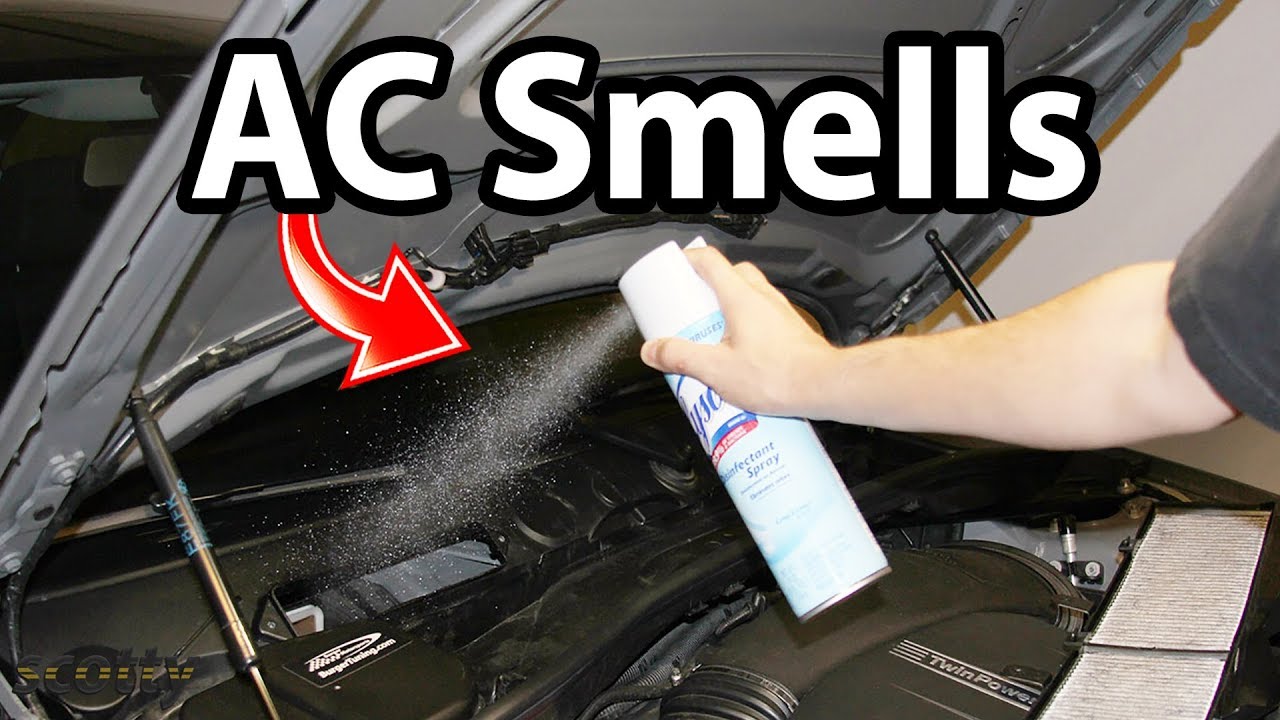
Credit: www.youtube.com
Why Does Air Conditioner in Car Smell
There are a few reasons your car’s air conditioner may be giving off an unpleasant smell. The most common cause is mold or mildew growth within the AC system. This can happen when moisture buildup occurs due to condensation, leaks, or poor drainage.
Another reason for foul-smelling AC could be bacteria growth, which can also result from moisture accumulation. Additionally, your car’s air conditioner may simply be blowing stale air that has been trapped inside the system. To avoid smells coming from your car’s AC, be sure to have it serviced regularly and keep an eye out for any signs of moisture buildup.
How Do I Get Rid of the Smell from My Car’S Air Conditioner
When you turn on your car’s air conditioner, do you notice an unpleasant smell? This is a common problem, but there are some simple things you can do to get rid of the smell and keep your car’s air conditioner fresh.
The first step is to figure out where the smell is coming from.
If it’s coming from the vents, it could be that the evaporator coils are dirty. These coils need to be cleaned regularly to prevent build-up of dirt and dust. You can clean them yourself with a brush or vacuum attachment, or you can take your car to a mechanic or dealership and have them cleaned professionally.
If the smell is coming from the actual air conditioning unit itself, it could be that the filter needs to be replaced. A dirty or old filter can cause musty smells. Again, you can replace the filter yourself or take your car to a professional for help.
Finally, if there’s still a lingering smell after taking these steps, try using an air freshener in your car. There are many different types available; just find one that appeals to you and follow the directions for use. With these tips, you should be able to enjoy fresh-smelling air in your car once again!
What Causes the Musty Smell in My Car’S Air Conditioner
When your car’s air conditioner starts to produce a musty smell, it is typically an indication that there is mold or mildew growing somewhere in the system. This can happen if the system isn’t being used regularly, as moisture can build up and allow mold to grow. Another common cause of a musty smell in your car’s air conditioner is a leak in the system that is allowing water to get inside and mix with the coolant.
If you notice a musty smell coming from your car’s air conditioner, it’s best to have it checked out by a mechanic so they can locate the source of the problem and fix it.
Is It Harmful to Breathe in the Stink from My Car’S Ac
It’s not harmful to breathe in the stink from your car’s AC, but it is unpleasant. The smell is caused by the build-up of bacteria and mold on the evaporator coils. The best way to get rid of the smell is to clean the coils with a solution of water and vinegar.
You can also try using a commercial coil cleaner, but be sure to follow the instructions carefully.
Conclusion
If you’ve ever noticed a musty smell coming from your car’s air conditioning vents, you’re not alone. This is a common problem, and there are a few different reasons why it happens. The most likely reason is that mold or mildew has built up inside the AC system.
This can happen if the system stays wet for too long, either from condensation or from leaks. Another possibility is that the AC filter needs to be replaced. A dirty filter can cause all kinds of smells, including musty ones.
If you notice a musty smell coming from your car’s AC, the first thing to do is check the filters. If they’re dirty, replace them with new ones. If that doesn’t solve the problem, you may need to have your AC system serviced by a professional.
