If you notice that your air conditioner smell sour, it could be a sign that there is mold or mildew growing inside the unit.
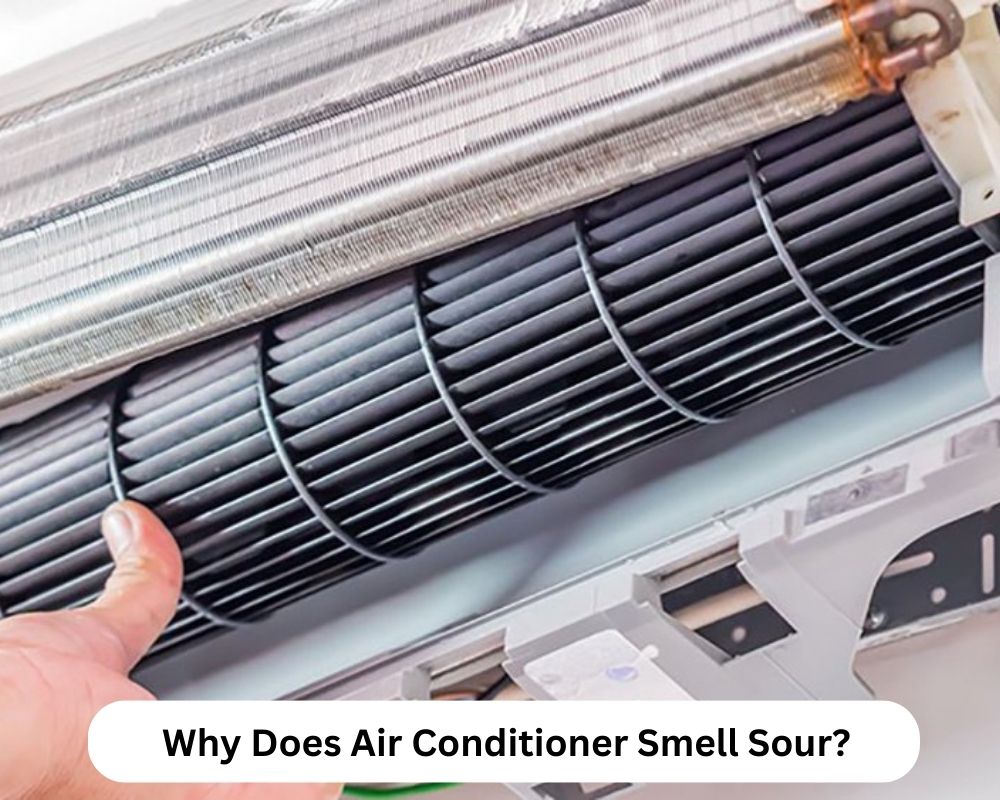
These types of fungi thrive in moist, dark environments, and the coils of an air conditioner provide the perfect conditions for them to grow. In addition to causing a foul odor, mold and mildew can also cause health problems for people with allergies or respiratory conditions.
If you notice a musty smell coming from your air conditioner, it’s important to have a professional inspect the unit and clean it as soon as possible.
If you have ever wondered why your air conditioner smells sour, you are not alone. This is a common problem that can be caused by a number of different things. The most common cause of a sour air conditioner smell is mold or mildew.
This can be caused by condensation on the coils, which allows mold and mildew to grow. Another possible cause of a sour air conditioner smell is bacteria build-up in the unit. This is often caused by dirty filters or an unclean unit.
If you notice a sour air conditioner smell, it is important to clean the unit and change the filters to prevent further growth of bacteria and mold.
How Do I Get Rid of the Sour Smell in My Air Conditioner?
If your air conditioner has a sour smell, it could be caused by a number of things. The most likely culprit is mold or mildew, which can grow in a moist, warm environment inside an air conditioner. Another possibility is that the smell is coming from the Freon, which can leak from the system and cause a foul odor.
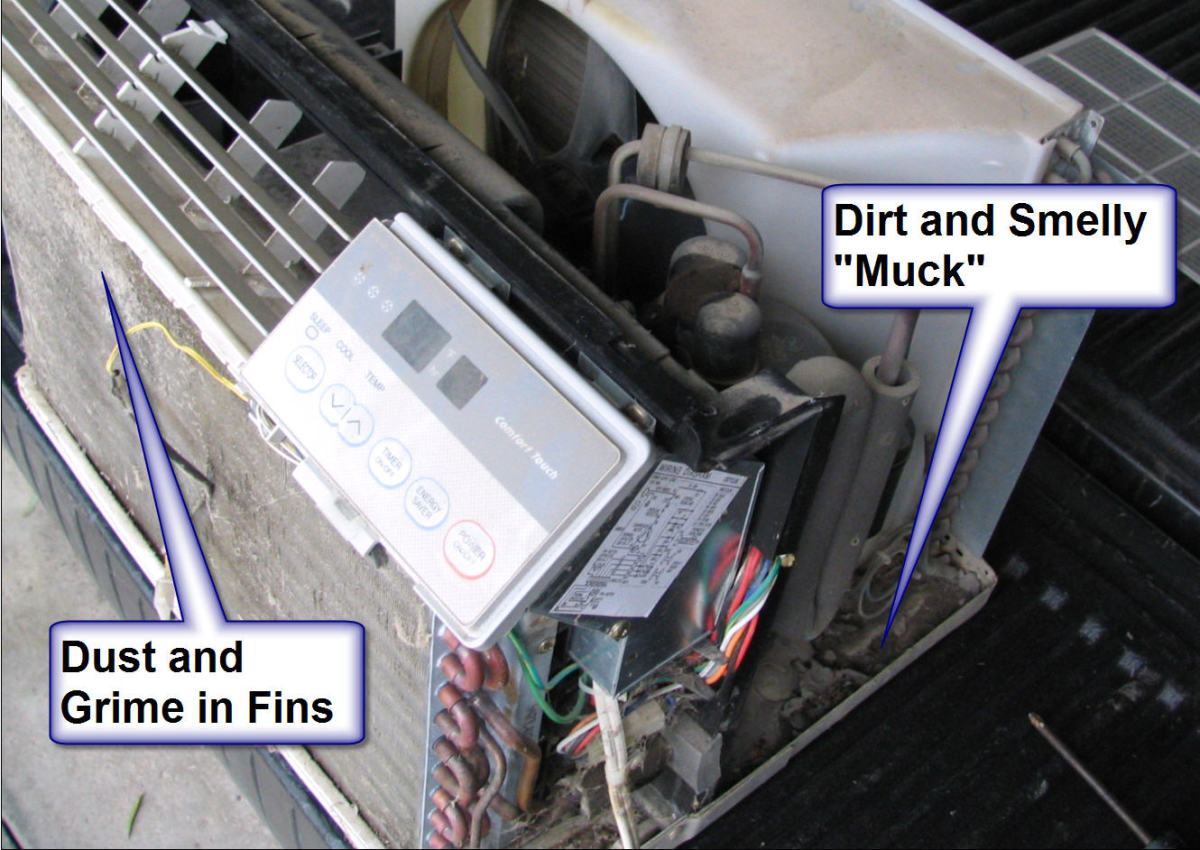
If you suspect that your air conditioner is smelling sour because of mold or mildew, you should clean it as soon as possible to prevent the problem from getting worse. To clean your air conditioner, start by unplugging it and removing the front panel. Then, use a brush attachment on your vacuum to remove any dirt and dust from the coils and fins.
Next, mix equal parts water and vinegar in a spray bottle and mist the solution over all of the surfaces inside your air conditioner. Allow the solution to sit for 30 minutes before wiping it away with a damp cloth. Finally, replace the front panel and plug your unit back in.
If you think that your air conditioner’s sour smell might be due to a Freon leak, you should call a professional for help. Trying to repair this type of problem yourself could be dangerous if you don’t have experience working with Freon.
Why Does My Ac Smell Like Sour Milk?
If your AC smells like sour milk, it could be due to a variety of reasons. It could be that the evaporator coils are dirty and need to be cleaned, or it could be that there is mold or mildew growing somewhere in the unit. If you notice this smell, it’s important to investigate and figure out the cause so that you can address it properly.
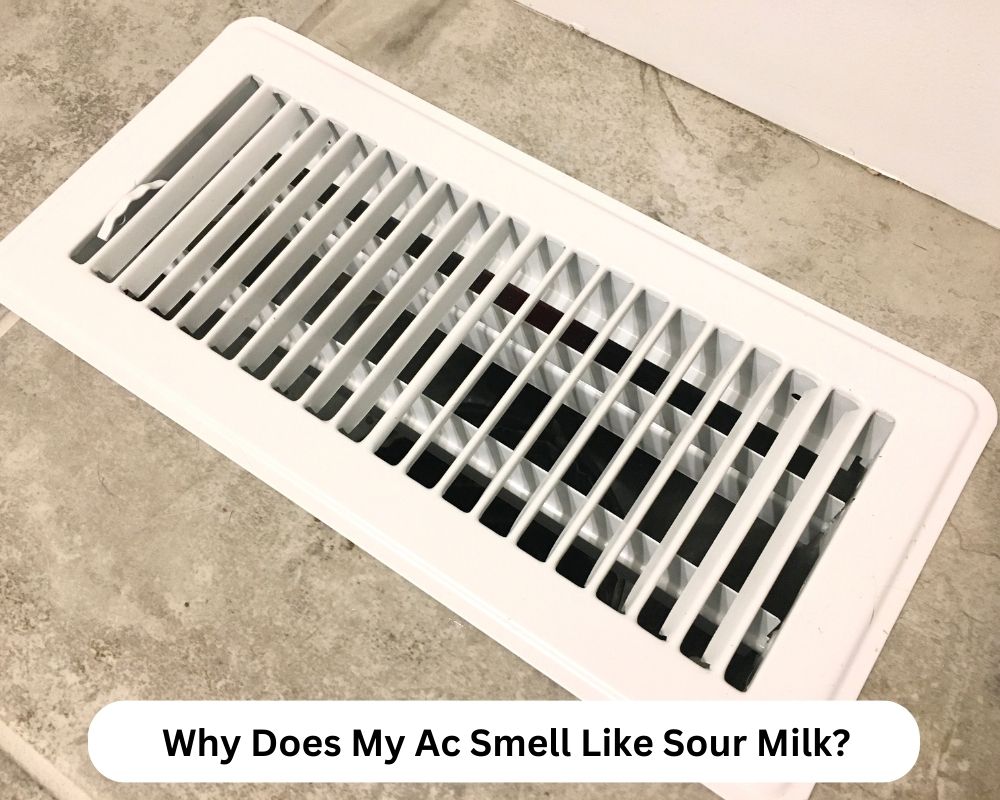
Dirty evaporator coils are one of the most common causes of an AC smelling like sour milk. When these coils get dirty, they can start to harbor bacteria which can then produce a foul smell. If you think this might be the problem, you can clean the coils yourself with some vinegar and water.
Just make sure to turn off your AC unit before starting any cleaning. Mold or mildew growth is another possible reason for a sour milk smell coming from your AC unit. This is usually caused by moisture buildup somewhere in the system, so if you notice this smell it’s important to check for any leaks or condensation issues.
Once again, if you think this might be the problem it’s best to consult a professional before taking any further action. If your AC has started smelling like sour milk, don’t panic! There are a few things you can do to figure out what’s causing the problem and then take care of it accordingly.
Why Does My Ac Smell Sour When I First Turn It On?
If you notice a sour smell coming from your AC unit when you first turn it on, there are a few possible explanations. One possibility is that the evaporator coils are dirty. When the coils are covered in dirt and grime, they can start to smell bad.
Another possibility is that there is mold or mildew growing inside the unit. This can happen if the AC isn’t being used often or if it isn’t draining properly. If you suspect that mold or mildew might be the problem, you should have an HVAC technician take a look at your unit as soon as possible.
Why Does My Air Conditioner Have a Weird Smell?
If your air conditioner has a weird smell, it could be due to a few different things. One possibility is that the unit is dirty and needs to be cleaned. Another possibility is that there could be something caught in the unit, like mold or mildew.
If you suspect that either of these might be the case, you should contact a professional for help. Another potential cause of a weird smell coming from your air conditioner is that the Freon levels might be low. Freon is what helps keep your air conditioner cool, so if it’s not at the right level, it can cause all sorts of problems – including making your AC smell strange.
Again, this is something that you’ll need to have a professional take care of. Finally, if your air conditioner just seems to have a general “off” smell, it might be time to replace it entirely. Air conditioners don’t last forever, and even if yours isn’t super old, it might just be past its prime.
If you’ve tried everything else and nothing seems to work, this may be your best bet.
How to Get Rid of Bad Smell from Air Conditioners?
Bad smells emanating from your air conditioner are not only unpleasant, but they can also be indicative of a larger problem. If you’re wondering how to get rid of bad smell from air conditioners, here are a few tips. First, make sure that your AC unit is clean.
Dust and dirt can accumulate on the coils and other parts of the unit, causing it to smell bad. Cleaning the unit regularly will help prevent this issue. If your AC unit is clean and you’re still noticing a bad smell, it’s possible that the problem lies with your ductwork.
Over time, dust and debris can build up in the ducts, eventually leading to a musty smell. To combat this, be sure to have your ductwork cleaned on a regular basis by a professional. Finally, if you’ve ruled out both of these potential causes, it’s possible that the bad smell is coming from something else entirely – such as an animal carcass or garbage – that has become trapped in your vents.
In this case, you’ll need to call in a professional to safely remove the offending item(s).
Air Conditioner Smells Like Vinegar
If your air conditioner smells like vinegar, it’s likely that the coils are dirty. The coils are responsible for cooling the refrigerant, and if they’re not clean, they can’t do their job properly. As a result, your air conditioner will have to work harder to cool your home, which can lead to all sorts of problems, including strange smells.
Fortunately, cleaning the coils is relatively easy. Just turn off your air conditioner and remove the access panel. Then, use a soft brush or cloth to gently remove any dirt or debris from the coils.
Once you’re finished, replace the access panel and turn on your air conditioner. The smell should be gone within a few minutes.
Sour Smell from Air Conditioner in Car
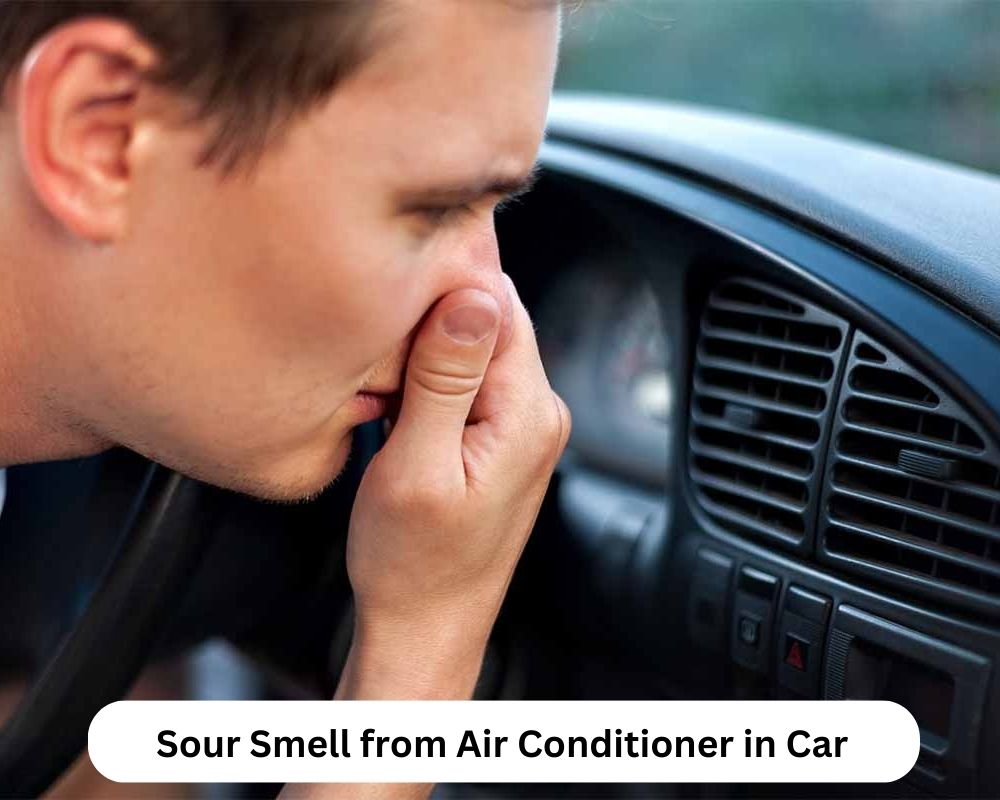
If you’ve ever had the unfortunate experience of getting into your car on a hot day and being hit with a wave of sour-smelling air, then you know how unpleasant it can be. The good news is that there are some things you can do to get rid of the smell and keep your car’s air conditioning system fresh and clean.
The first thing you’ll want to do is identify the source of the smell.
If it’s coming from the vents, then it’s likely that there is mold or mildew growing somewhere in the system. This can happen if the system isn’t used often or if it isn’t properly maintained. If you suspect that this is the problem, then you’ll need to have your car’s air conditioning system serviced by a professional.
If the sour smell is coming from the actual unit itself, then it’s likely that something has spilled inside of it and is causing bacteria to grow. The best way to deal with this is to clean out the unit with a vinegar solution. Just mix equal parts water and vinegar, pour it into the unit, and let it sit for an hour before rinsing it out thoroughly.
Once you’ve taken care of the source of the problem, there are a few other things you can do to keep your car’s air conditioner smelling fresh. First, make sure that you’re using quality filters in your system. These will help to remove any contaminants from the air before they have a chance to cause problems.
You should also run your system for at least 15 minutes each week, even if you aren’t using it, just to keep everything circulating properly. Finally, be sure to have your system serviced regularly by a professional so that any potential problems can be caught early and dealt with quickly.
Air Conditioner Smells Like Feet
If your air conditioner smells like feet, there are a few possible causes. The most common culprit is dirty socks or shoes that have been left in the unit. Other potential causes include mold or mildew growth, pet urine, or tobacco smoke.
If you suspect that any of these may be the cause of your foul-smelling AC, take action to clean or remove the source of the odor. Doing so will help keep your home smelling fresh and free of unpleasant odors.
Conclusion
If you’ve ever noticed your air conditioner emitting a sour smell, you’re not alone. This is a common problem that can be caused by a number of different factors. In most cases, the cause of the smell is relatively harmless and can be easily remedied.
However, in some rare cases, the smell may indicate a more serious issue that should be addressed by a professional.
One of the most common causes of an AC unit smelling sour is dirty coils. When the coils are dirty, they can’t effectively remove heat from the air, which can cause the unit to work harder than necessary and produce excess condensation.
This condensation can build up on the coils and create an ideal environment for bacteria to grow. As these bacteria multiply, they release sulfur compounds that give off that characteristic sour smell.
Fortunately, this problem is relatively easy to fix.
Simply cleaning the coils with a coil cleaner will usually eliminate the bacteria and get rid of the bad odor. If you have difficulty accessing your AC unit’s coils, you may need to contact a professional for assistance.
In some cases, an AC unit may smell sour due to low refrigerant levels.
Refrigerant plays an important role in cooling your home by absorbing heat from indoor air and releasing it outdoors. If there’s not enough refrigerant in your system, it won’t be able to properly remove heat from your home, causing your AC unit to work overtime and produce excess condensation. This condensation can lead to bacterial growth and that unpleasant sour smell.
If you suspect that your AC unit’s low refrigerant levels are responsible for the bad odor coming from it, you’ll need to contact a professional for assistance. Only trained technicians should handle refrigerant because there’s a risk of serious injury if it’s not handled correctly .
