One of the most common questions we get here at the shop is “Why does my AC belt squeal?” There can be a few different reasons for this, but the most common one is that the belt is old and needs to be replaced. If the belt is squealing, it’s probably time for a new one.
Another reason for a squealing AC belt is that it’s loose. This can be easily fixed by tightening the belt. However, if the belt is old and worn, it may need to be replaced even if it’s tightened.
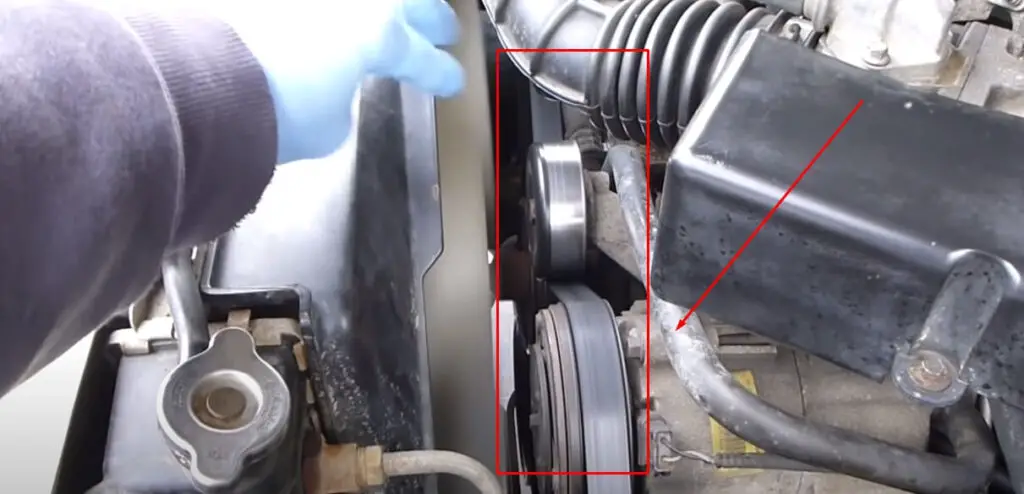
How do I stop my AC belt from squeaking?
If your AC belt is squeaking, it’s likely because it’s loose or needs to be replaced. To stop the squeaking, you’ll need to either tighten the belt or replace it. If the belt is loose, you can try to tighten it by adjusting the tensioner.
The tensioner is usually located near the AC compressor. Once you’ve found it, you can use a wrench to turn it clockwise to tighten the belt. If the belt is worn out, it will need to be replaced.
You can do this yourself if you’re handy, or you can take it to a mechanic. To replace the belt, you’ll first need to remove the old belt. To do this, you’ll need to loosen the tensioner and then slide the old belt off.
Once the old belt is off, you can slide the new belt on and then tighten the tensioner. If your AC belt is squeaking, there are a few things you can do to stop the noise. First, try tightening the belt.
If that doesn’t work, you’ll need to replace the belt.
When I turn my AC on my belt squeals?
The belt in your AC unit is responsible for running the compressor. Over time, the belt can become worn and may start to squeal when the AC is turned on. In some cases, the squealing may stop after the belt is warmed up.
However, if the squealing persists, the belt will likely need to be replaced. If you hear a squealing noise coming from your AC unit, it’s important to have it checked out by a professional as soon as possible. Ignoring the problem could result in further damage to the unit and may even cause the compressor to fail.
Why is my AC making a squealing noise?
If you notice your AC making a squealing noise, there could be several potential causes. One possibility is that the blower motor is starting to fail. Another potential cause could be that the belts that are used to power the unit are starting to slip or break.
If you hear a squealing noise coming from your AC unit, it’s important to have a professional take a look at it as soon as possible to diagnose the issue and make any necessary repairs.
Why does ac belt squeal
One of the most common reasons why an AC belt may squeal is because it has become loose. When a belt becomes loose, it will often make a squealing noise as it moves. If your AC belt is squealing, it is important to have it checked by a professional to ensure that it is not causing any damage to your AC unit.
Squealing noise when ac is turned on
If your car’s air conditioner is making a squealing noise, there are a few possible explanations. The most common reason is that the belt that drives the air compressor has become loose or worn. The squealing noise is the result of the belt slipping on the pulleys.
If the belt is the problem, it will need to be replaced. If the squealing noise is coming from the compressor itself, the compressor may be seized or the bearings may be worn. In either case, the compressor will need to be replaced.
Another possible explanation for a squealing noise from the air conditioner is a problem with the compressor clutch. The clutch is what engages the compressor when the air conditioner is turned on. If the clutch is not engaging properly, it can make a squealing noise.
The clutch can be replaced, but it is often easier and cheaper to replace the entire compressor. If your car’s air conditioner is making a squealing noise, don’t ignore it.
It’s best to have it checked out by a mechanic to diagnose the problem and get it fixed.
Car squeals when ac is on and accelerating
If your car is squealing when you turn on the AC and accelerate, there are a few potential causes. The most likely culprit is a loose or damaged belt. The belt may be damaged from age or wear, or it may have come loose from the pulleys it runs around.
If the belt is damaged or loose, it will need to be replaced. Another potential cause is a problem with the compressor itself. The compressor is the part of the AC system that pressurizes the refrigerant.
If it is damaged or not working properly, it can cause a squealing noise. The compressor may need to be repaired or replaced. Finally, there could be an issue with the AC clutch.
The clutch is what engages the compressor when the AC is turned on. If the clutch is damaged or not working properly, it can cause a squealing noise. The clutch may need to be repaired or replaced.
If your car is squealing when you turn on the AC and accelerate, it is important to have it checked out by a mechanic. They will be able to diagnose the problem and make the necessary repairs.
What does the ac belt do?
The ac belt is a very important part of your car’s air conditioning system. It is responsible for driving the compressor, which is the heart of the system. Without the ac belt, your car’s air conditioning system would not be able to function.
Ac compressor belt
An air conditioner compressor belt also called an AC belt, is a vital component of your car’s air conditioning system. The compressor belt helps to pump refrigerant through the system. If the compressor belt is worn or damaged, it can cause the air conditioner to malfunction.
The compressor belt is located under the hood of the car, around the compressor pulley. It is usually made of rubber and is subject to wear and tear over time. When the compressor belt starts to wear down, it can slip or break.
This can cause the air conditioner to stop working properly. If you think your compressor belt may be worn or damaged, it’s important to have it checked by a mechanic. They can replace the belt if necessary.
Ac belt replacement
If your car’s AC belt has begun to squeal or show signs of wear, it’s time to replace it. This is a relatively simple process that can be completed in about an hour. First, disconnect the battery to prevent any electrical accidents.
Next, locate the AC compressor and remove the bolts that hold it in place. Be sure to label the wires so you can correctly reconnect them later. Once the compressor is removed, you can access the AC belt.
Remove the old belt and install the new one. Make sure it’s tight enough that it won’t slip, but not so tight that it will damage the compressor.
Finally, reconnect the compressor and battery, and start your car to test the new AC belt.
If everything is working properly, you should notice a significant decrease in noise and an increase in cooling power.
How to Fix a Squeaky Belt (figure out where the squeak is coming from)
Ac compressor belt slipping
If you notice your air conditioner’s compressor belt slipping, it’s important to take action right away. If the belt slips too much, it can cause the compressor to overheat and break down. There are a few reasons why a compressor belt may slip.
The most common reason is that the belt is worn out and needs to be replaced. If the belt is relatively new, it may be too loose. In either case, you’ll need to adjust the tension on the belt.
If the belt is worn out, you’ll need to replace it. To do this, you’ll need to remove the old belt and install a new one. Make sure to follow the manufacturer’s instructions carefully.
If the belt is too loose, you’ll need to adjust the tension. To do this, you’ll need to loosen the bolts that hold the compressor in place. Then, you can move the compressor to the correct position and tighten the bolts.
Again, make sure to follow the manufacturer’s instructions carefully. Once you’ve adjusted the tension on the belt, you should check it periodically to make sure it doesn’t slip again. If it does, you may need to replace the belt.
Fix squeaky ac belt
If your car’s air conditioning belt is making an annoying squeaking noise, there are a few things you can do to try to fix it.
First, check to see if the belt is loose. If it is, tighten it according to the manufacturer’s specifications.
If the belt is already tight, you may need to replace it. When the squealing noise is coming from the pulley that the belt is wrapped around, you can try lubricating it with WD-40 or a similar lubricant. If that doesn’t work, you may need to replace the pulley.
Once you’ve determined what the problem is, it’s time to fix it. If you’re not comfortable doing the work yourself, take it to a mechanic. With a few tools and a little know-how, you can usually fix a squeaky AC belt yourself.
Conclusion
If your car’s air conditioner belt is squealing, it’s probably because the belt is loose, damaged, or misaligned. The squealing noise is caused by the belt vibrating against the pulleys it’s wrapped around. If the squeal is loud enough, it can damage the bearings in the pulleys.
There are a few things you can do to fix a squealing AC belt. First, check to see if the belt is loose. If it is, you can try tightening it yourself or have a mechanic do it for you.
If the belt is damaged, you’ll need to replace it. Finally, if the squeal is coming from misaligned pulleys, you’ll need to have a mechanic realign them.
