Skip to content
Smart AC Solutions
  • CategoriesExpand
    • AC Troubleshooting
    • Air ConditionerExpand
      • Portable Air Conditioners
      • Room Air Conditioners
      • Split System Air Conditioners
      • Window Air Conditioners
      • Reviews & Prices
    • Thermostat Solutions
    • Calculator
  • Directory
  • Request HVAC Service
  • Join Our Pro NetworkExpand
    • HVAC BusinessesExpand
      • Residential
      • Commercial
      • Emergency Services
    • Add Business
  • Register
  • Login
  • Forgot Password?
Smart AC Solutions
Air Conditioner

Why Is My Honda Civic AC Not Cooling? Causes & Fixes

ByRalph P. Sita Updated onJune 28, 2026

If your Honda Civic’s AC is not cooling, the most common cause is low refrigerant from a slow leak, which starves the system so it blows warm or only mildly cool air. The other frequent culprits are a failing AC compressor or compressor clutch that is not engaging, a dirty or blocked condenser that cannot shed heat, a bad blower or a clogged cabin air filter, or an electrical fault such as a blown fuse or failed relay. One note on refrigerant: 1994 to 2015 Civics use R-134a, while 2016 and newer Civics use R-1234yf, and the two are not interchangeable, so always check the under-hood A/C label before any recharge. Below we walk through the causes, costs, and when to see a mechanic.

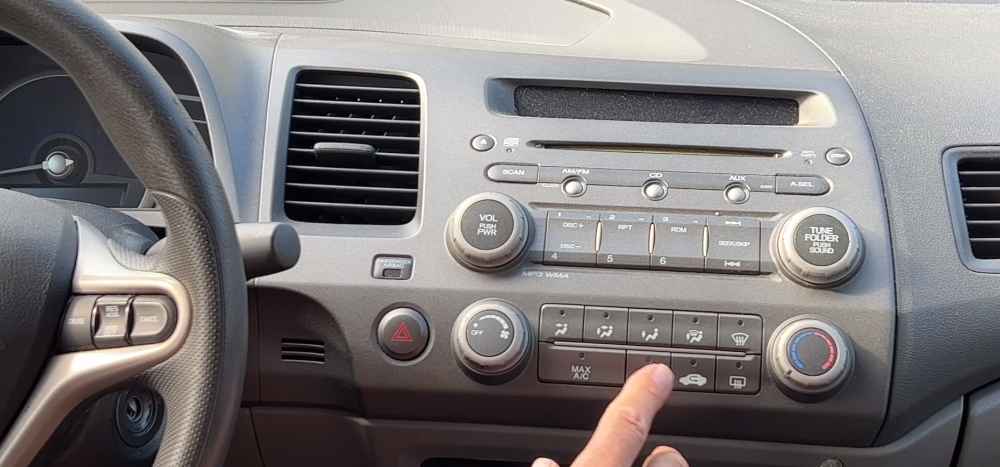
Why Is My Honda Civic Ac Not Cooling Perfect Guide
[mv_video jsonLd=”true” key=”eaqqju39ikayuf9owaho” ratio=”16:9″ thumbnail=”https://mediavine-res.cloudinary.com/video/upload/eaqqju39ikayuf9owaho.jpg” title=”Is Your Honda Civic Suffering? Learn the AC Hack That’ll Blow Your Mind!”]

Page Contents

Toggle
  • What causes a Honda Civic AC to stop cooling?
  • How much does it cost to fix AC in a Honda Civic?
  • Do Honda Civics have AC problems?
  • Honda Civic AC blowing hot air
  • 2016 Honda Civic AC not working
  • Honda Civic car AC does not blow cold air after recharge
  • Frequently Asked Questions
    • Why is my Honda Civic AC not cold?
    • What refrigerant does a Honda Civic use?
    • Why is my car AC running but not cooling?
  • Next Steps

What causes a Honda Civic AC to stop cooling?

The Civic’s AC depends on a few key parts working together, and a fault in any one of them shows up as weak or no cooling. Refrigerant is the coolant that carries heat out of the cabin; if it is low, usually because of a leak, the system cannot cool well. The compressor circulates that refrigerant, so a failing compressor or a clutch that will not engage stops the cycle. The condenser, at the front of the car, releases the absorbed heat, and if it is caked with bugs and road grime or physically damaged, cooling suffers. Add a clogged cabin filter, a weak blower, or an electrical fault, and you have the full short list. A mechanic with gauges can pinpoint which one it is.

How much does it cost to fix AC in a Honda Civic?

Cost depends entirely on the failed part. A simple refrigerant recharge with a minor leak fix is at the low end. A new compressor is one of the more expensive jobs, often running several hundred dollars or more in parts and labor combined, while a condenser or evaporator replacement falls in between. As a rough historical example, an older Civic compressor job has run around $1,000 with parts and labor, or roughly $600 in parts if you do the work yourself.

Because newer Civics use R-1234yf, which is more expensive than the older R-134a and requires dedicated equipment, recharge costs on 2016-and-newer models tend to be higher. Get a diagnosis before authorizing repairs so you are paying to fix the actual fault rather than guessing.

How much does it cost to fix AC in Honda Civic

Do Honda Civics have AC problems?

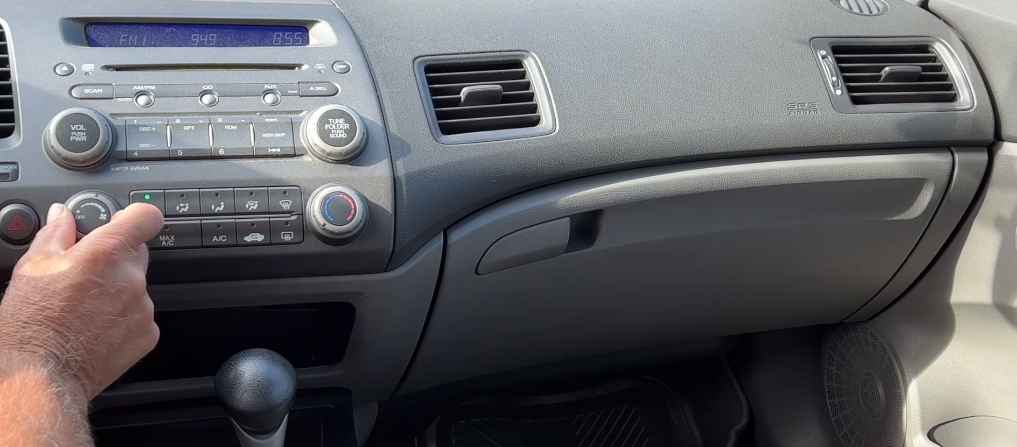
Like any car, Civics can develop AC issues, most often refrigerant leaks at the condenser or fittings and, on some model years, compressor wear. To narrow it down yourself, turn on the AC and listen and look for the compressor clutch engaging at the front of the engine.

If the clutch is not engaging, the problem is likely the compressor or AC clutch, or low refrigerant pressure preventing engagement. If the compressor is engaging but the air still is not cold, suspect the condenser, the evaporator, or a refrigerant charge problem. Either way, a qualified mechanic can confirm the cause with a gauge set and a leak check before any parts are replaced.

Honda Civic AC blowing hot air

If your Civic’s AC is blowing hot air, start by checking whether the compressor is running.

Honda Civic AC blowing hot air

If the compressor is not running, the issue may be the compressor itself, the AC electrical circuit, a blown fuse, or a failed relay, and low refrigerant can also keep the compressor from engaging.

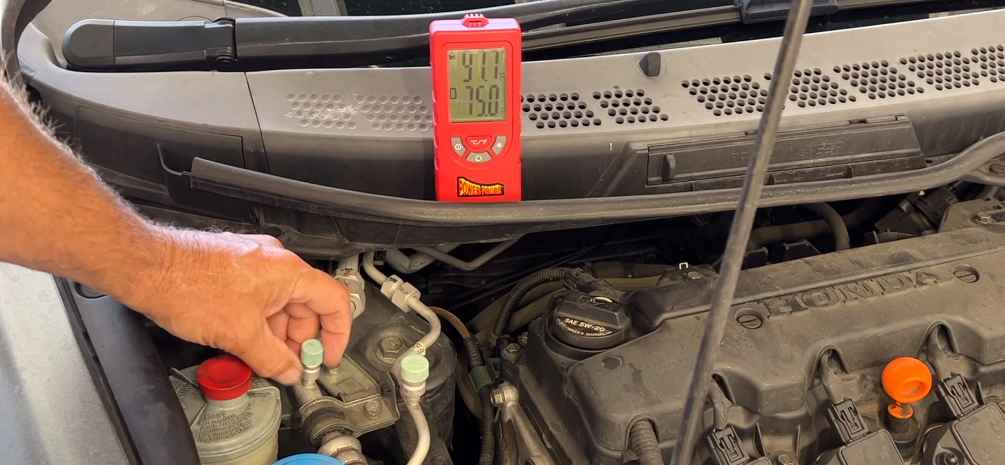
If the compressor is running but the air is hot, have the refrigerant pressure checked.

Low charge points to a leak that must be found and repaired before recharging, not just topped off. An overcharged or contaminated system needs to be recovered and recharged with the correct refrigerant for your model year.

Also confirm the AC fuses are good and that the compressor is getting power. Refrigerant handling requires certified equipment, so leave the recovery and recharge to a shop.

2016 Honda Civic AC not working

The 2016 Civic was the first model year to switch to R-1234yf refrigerant, so any recharge on this car needs R-1234yf and the matching service fittings, never R-134a. Troubleshooting otherwise follows the usual path. If you are having trouble with your Honda Civic’s AC not working, first check whether the AC compressor is engaging.

If it engages but the air is not cold, suspect the AC clutch or condenser. If the compressor is not engaging, the cause may be the compressor itself, the AC relay, the AC fuse, or low refrigerant pressure. If you are still stuck after these checks, take the car to a Honda dealership or a qualified mechanic for a proper diagnosis.

Honda Civic car AC does not blow cold air after recharge

Honda Civic Car ac does not blow cold air after recharge
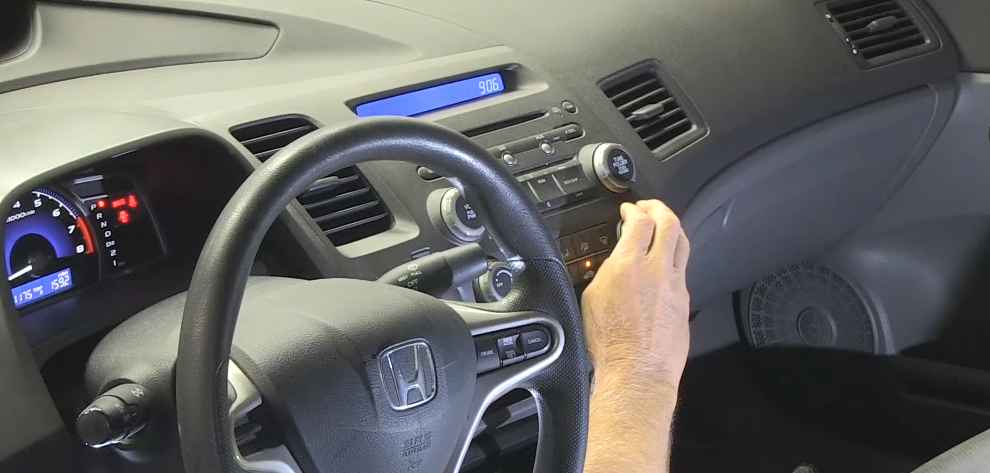
If your Honda Civic’s car AC is not blowing cold air even after a recharge, the recharge likely masked a deeper problem rather than fixing it.

The most common reason is a refrigerant leak that has already let the new charge escape, which is why simply topping off is a temporary fix. Other possibilities are a faulty compressor that cannot build pressure, an overcharge from the recharge itself, a blocked condenser, or a stuck expansion valve. A DIY recharge can also leave the system slightly over- or under-charged, which hurts cooling.

It is best to have a technician find and repair the leak, then evacuate and recharge to the correct specification for your model year. That fixes the cause instead of chasing the symptom.

Frequently Asked Questions

Why is my Honda Civic AC not cold?

The most common reason is low refrigerant from a leak. After that, the usual causes are a failing compressor or clutch that will not engage, a dirty or blocked condenser, a clogged cabin filter, or an electrical fault like a blown fuse or bad relay. A mechanic can confirm the cause with gauges and a leak check.

What refrigerant does a Honda Civic use?

Civics from 1994 to 2015 use R-134a. Civics from 2016 onward use R-1234yf. The two use different service fittings and are not interchangeable, so always check the under-hood A/C label for the correct type and charge amount before recharging.

Why is my car AC running but not cooling?

If the AC runs but does not cool, the system is usually low on refrigerant, the compressor is not building pressure, the condenser is blocked, or the cabin filter is clogged. Because a low charge almost always means a leak, the right fix is to find and repair the leak, then recharge, rather than just adding refrigerant.

Next Steps

If your Honda Civic’s AC is not cooling, the likeliest cause is low refrigerant from a leak, followed by a failing compressor or clutch, a blocked condenser, a clogged cabin filter, or an electrical fault. Confirm your model year’s refrigerant first, R-134a for 1994 to 2015 and R-1234yf for 2016 and newer, since they are not interchangeable. Because automotive refrigerant must be handled with certified equipment, the smartest move is a proper diagnosis at a shop so the actual fault gets fixed and the leak is repaired before any recharge.

5/5 - (2 votes)
Ralph P. Sita
Author: Ralph P. Sita

Ralph P. Sita is a seasoned professional with deep roots in both the HVAC and tech industries. His family’s business, Ralph P. Sita, Inc., is a locally owned and operated HVAC contractor with over 42 years of experience, serving the DC, Maryland, and Virginia areas. The company specializes in residential, commercial, and industrial heating, ventilation, and air conditioning services, offering everything from installation and maintenance to custom ductwork and indoor air quality solutions -www.ralphpsita.com. A former CPA, he spent the last decade as co-founder and co-CEO at Cybrary, a leading platform for cybersecurity and IT training. Cybrary became the largest, most well-known cybersecurity training businesses in the industry under his leadership. Smart AC Solutions is an opportunity to give back to the HVAC community by providing reliable, actionable information on all things heating and cooling.

Related Articles:

  1. 2006 Honda Civic Ac Compressor Not Engaging
  2. 2009 Honda Civic A/C Relay Location
  3. 2010 Honda Civic Air Conditioning Not Working [SOLVED]
  4. 2009 Honda Civic Air Conditioning Problems with Solutions
Ralph P. Sita

Ralph P. Sita is a seasoned professional with deep roots in both the HVAC and tech industries. His family’s business, Ralph P. Sita, Inc., is a locally owned and operated HVAC contractor with over 42 years of experience, serving the DC, Maryland, and Virginia areas. The company specializes in residential, commercial, and industrial heating, ventilation, and air conditioning services, offering everything from installation and maintenance to custom ductwork and indoor air quality solutions -www.ralphpsita.com.

A former CPA, he spent the last decade as co-founder and co-CEO at Cybrary, a leading platform for cybersecurity and IT training. Cybrary became the largest, most well-known cybersecurity training businesses in the industry under his leadership.

Smart AC Solutions is an opportunity to give back to the HVAC community by providing reliable, actionable information on all things heating and cooling.

Linkedin

Try our new Smart AC Solutions GPT

Description of Smart AC Solutions GPT and link to access.

  • Mastering Whole-Home Ventilation Rate Calculations: A Guide to ASHRAE 62.2 Standards
    by Ralph P. Sita
  • Understanding the Ozone-Based Air Purifier Risks in Occupied Spaces
    by Ralph P. Sita
  • Duct Pressurization Testing (Duct Blaster) Explained: What You Need to Know
    by Ralph P. Sita
  • Optimize Your HVAC Scheduler for Utility Time-of-Use Rates and Slash Energy Bills
    by Ralph P. Sita
  • Ensuring Home Energy Management System (HEMS) Compatibility for Your Smart Home
    by Ralph P. Sita
  • Fresh Air Damper Sizing Guide for Tight Construction: Ensuring Optimal Ventilation
    by Ralph P. Sita

Sites we love:
TrainACE

Facebook Twitter Pinterest YouTube

SmartACSolutions is your go-to source for the latest in heating and air conditioning news, tips, and expert advice.

  • About Us
  • Contact Us
  • Disclaimer
  • Privacy Policy
  • Sitemap

© 2026 Smart AC Solutions । DMCA Protected

SmartACSolutions.com is a property of FieldBin Inc.

Change Location
Find awesome listings near you!
  • Categories
    • AC Troubleshooting
    • Air Conditioner
      • Portable Air Conditioners
      • Room Air Conditioners
      • Split System Air Conditioners
      • Window Air Conditioners
      • Reviews & Prices
    • Thermostat Solutions
    • Calculator
  • Directory
  • Request HVAC Service
  • Join Our Pro Network
    • HVAC Businesses
      • Residential
      • Commercial
      • Emergency Services
    • Add Business
  • Register
  • Login
  • Forgot Password?