A float switch is a device used in air conditioning units to automatically shut off the flow of water when the water level in the air conditioning unit reaches a certain level.
This is an important safety feature that prevents the unit from overflowing and potentially causing damage to the surrounding area.
You need to reset the Air Conditioner Float Switch to restart it and make it run smoothly.
The float switch is typically mounted on the side of the unit, and as the water level rises, the float attached to the switch will rise as well, eventually activating the switch and stopping the flow of water.
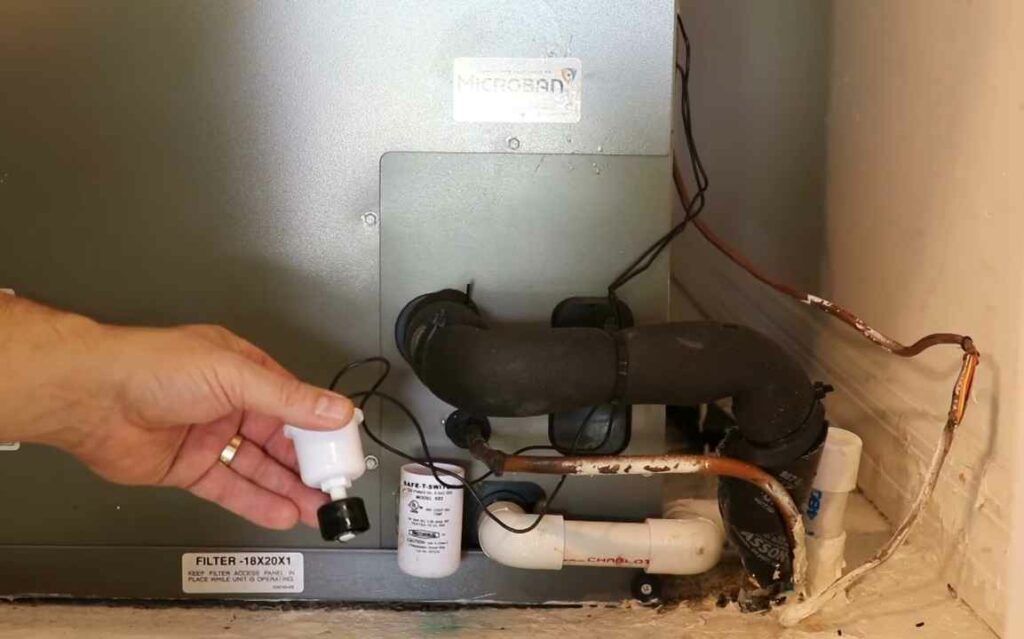
Resetting the ac float switch
To reset an AC float switch, follow these steps:
- Turn off the power to the air conditioning unit by switching off the circuit breaker or unplugging the unit.
- Locate the float switch on the side of the unit. It may be attached to a small plastic tube or rod.
- Use a small tool, such as a screwdriver or pliers, to gently push down the switch and reset it.
- Restore power to the unit and turn it on.
- Observe the unit to make sure it is operating properly and the water level is not rising to a dangerous level.
It’s important to note that resetting the float switch should only be done temporarily.
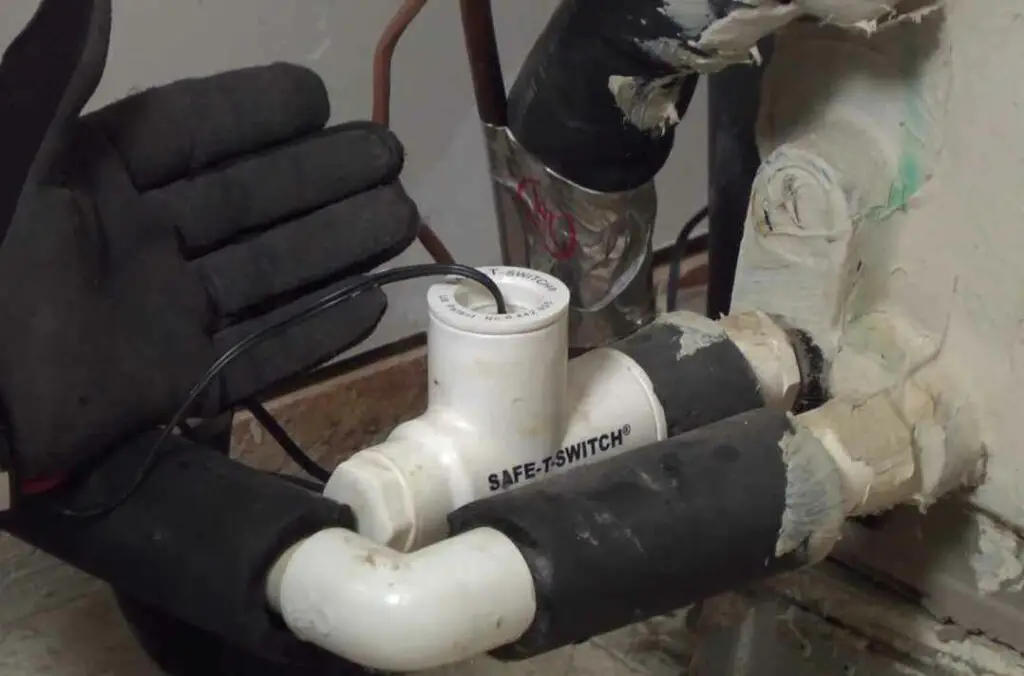
AC float switch won’t reset – What do you do?
If the float switch on your air conditioning unit won’t reset, there is likely an issue with the switch itself or the unit’s water level.
Here are some possible reasons why your float switch won’t reset, and what you can do about it:
- The float switch may be faulty. If so, you must replace the switch with a new one.
- The air conditioning unit may be overfilled with water. In this case, you’ll need to drain excess water from the unit to allow the float to move freely and reset the switch.
- The float may be stuck or obstructed. If this is the case, you may be able to free it by gently pushing or prodding it with a small tool.
- The unit may have a more serious issue, such as a clogged or damaged drain line. In this case, it’s best to contact a professional for assistance.
Resetting AC Drain Line Float Switch
How do I know if my ac float switch is bad?
One way to determine if a float switch is bad is to check if the switch moves freely and if it activates when the water level rises or falls in the AC unit.
You can also test the switch with a multimeter to see if it functions properly.
Additionally, you can try cleaning or replacing the switch to see if that fixes the issue.
It’s also a good idea to check the rest of the AC unit to ensure no other issues could be causing the problem.
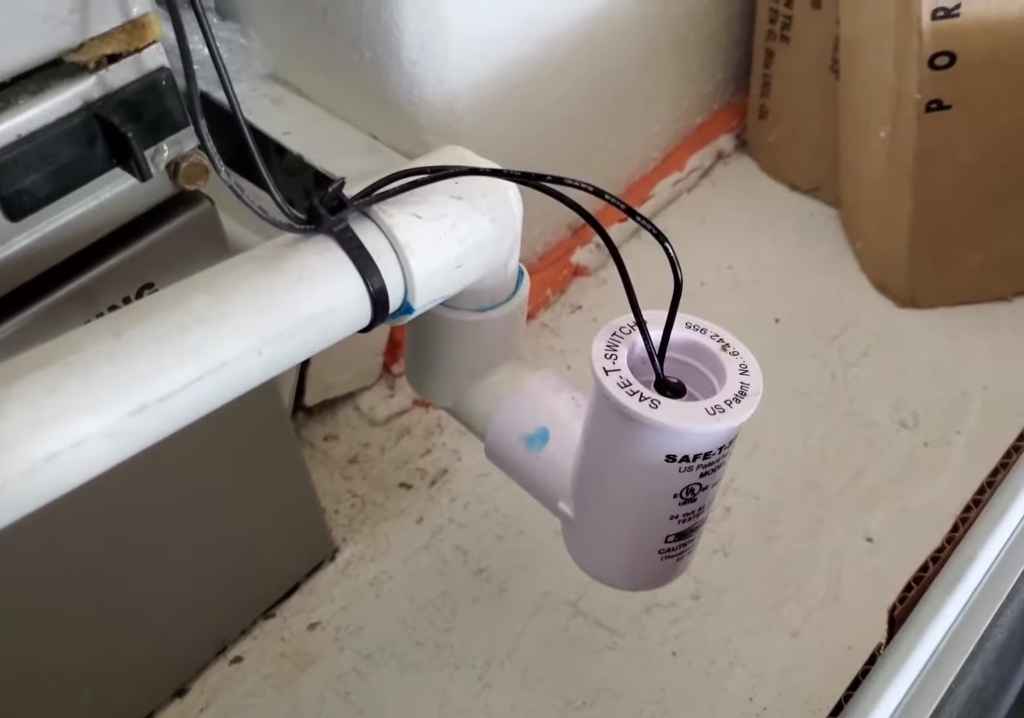
Why does my AC float switch keep tripping?
A float switch may trip repeatedly for several reasons. Some possible causes include a clogged or dirty switch, a malfunctioning switch, or a problem with the AC unit itself.
The best way to determine the cause of the issue is to inspect the switch and the AC unit carefully and test the switch with a multimeter.
If the switch is dirty or clogged, you can try cleaning it to see if that fixes the problem.
If the switch is malfunctioning, it may need to be replaced.
Additionally, it’s important to check the rest of the AC unit to ensure that there are no other issues that could be causing the float switch to trip.
You can simply bypass the float switch if necessary to avoid any hassle.

my float switch will not cut off the a/c when flooded.
Hi, Bruce
Did you try to bypass float switch when it’s not working for your A/C? Just give try!
If not sure how to do it, follow this article ( Bypassing AC Float Switch )
We have our HAVAC unit serviced twice a year, however this is the third time the same float switch did not shut off the unit allowing it to flood my hallway where the air handler is located and into the garage area too. I have the condensate float switch. So every time the pan which is encased in the unit overflows, the float switch does not trip to shut off the unit and I call them for emergency service. Same company who installed the unit, and every time when I ask what is the problem and why didn’t the float switch turn the unit off? The tech says the pan and or drain line got clogged with algae which caused the overflow, but nothing is wrong with the float switch. How could that be possible when the float switch is supposed to turn the unit off preventing the overflow of water from pan or clogged drain line?
Hi,
It is possible that the float switch is not working properly, even though the technician says that it is. The float switch is a mechanical device, and it can wear out over time. It is also possible that the float switch is not properly calibrated.
Here are some other possible reasons why the float switch may not have turned off the unit:
+ The float switch may be dirty or corroded.
+ The float switch may be stuck in the up position.
+ The float switch may not be connected properly.
If you are concerned that the float switch is not working properly, you can ask the technician to check it again. You can also ask them to replace the float switch if they think it is necessary.
I hope this helps!