If your Bryant air conditioner isn’t working, one thing you can try is resetting the unit. To do this, locate the reset button on the control panel. It may be labeled “RESET” or have a picture of a triangle with an arrow pointing down.
Press and hold the button for three seconds, then release it. The air conditioner should now be reset and hopefully will start working again.
If your Bryant air conditioner isn’t working properly, you may need to reset the unit. To do this, simply press the reset button on the control panel. This will restart the unit and hopefully clear any errors that were preventing it from functioning properly.
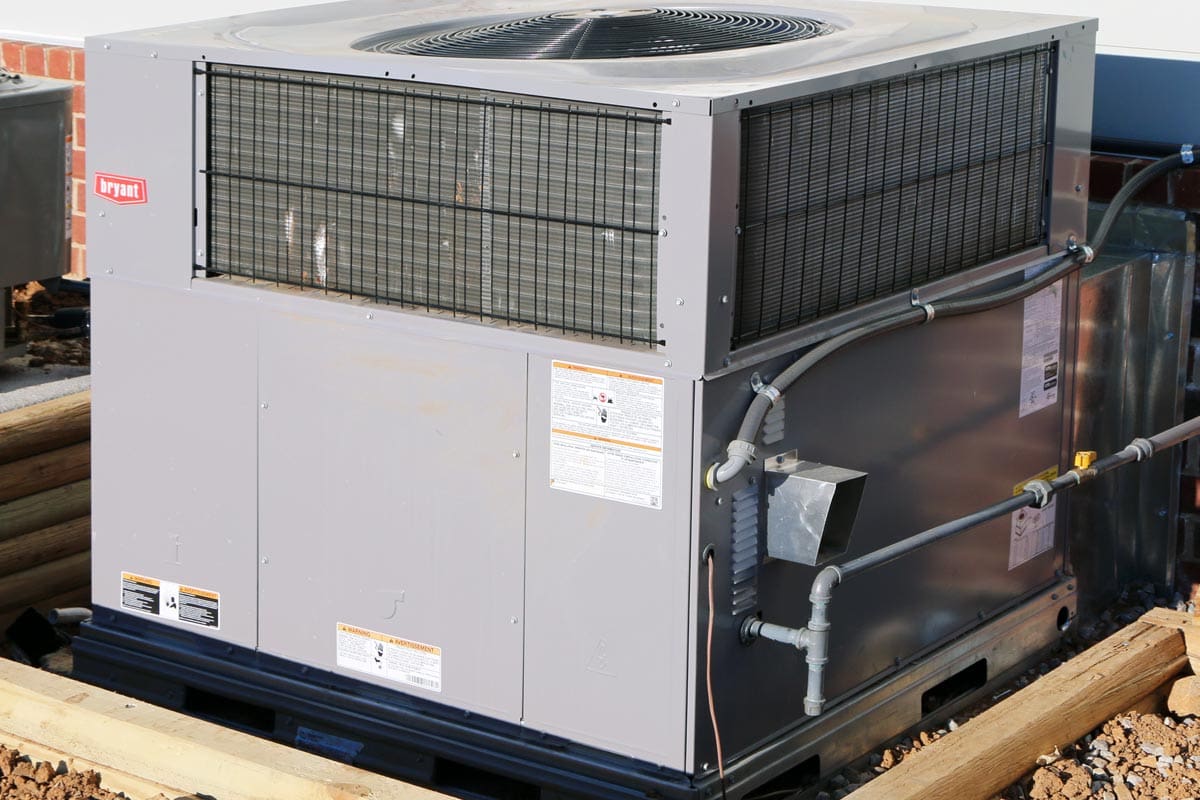
What is the Bryant Air Conditioner Reset Button
The Bryant air conditioner reset button is located on the control panel of your unit. It is typically a small, red button that is recessed into the panel. In order to reset your air conditioner, you will need to press and hold this button for 3-5 seconds.
Once the unit has been reset, it will go through a self-diagnostic mode and then restart.
How Do I Reset My Bryant Air Conditioner?
If your Bryant air conditioner isn’t working properly, you may need to reset it. To do this, first make sure that the unit is turned off. Next, locate the reset button on the control panel.
It should be a small red or black button. Press and hold the reset button for about 5 seconds. The unit should now be reset and should work properly.
Why is My Bryant Air Conditioner Not Working
There are a few reasons why your Bryant air conditioner may not be working. One reason could be that the unit is not receiving power. Check to make sure that the circuit breaker has not been tripped and that there is no loose wiring.
Another reason could be that the condenser or evaporator coils are dirty. Cleaning these coils can improve efficiency and prevent breakdowns. Finally, the air filter may be clogged, preventing proper airflow. Clean or replace the filter as needed.
Bryant Air Conditioner Troubleshooting
Bryant air conditioners are one of the most reliable brands on the market. However, like all mechanical devices, they can sometimes break down or experience problems.
When this happens, it is important to know how to troubleshoot the issue so that you can get your AC back up and running as quickly as possible.
One of the most common issues that Bryant air conditioners experience is a loss of power. This can be caused by a tripped circuit breaker or a blown fuse. If you suspect that this is the problem, check your home’s electrical panel and reset any switches or replace any fuses that may have blown.
Another common issue is when the AC unit starts blowing warm air instead of cool air. This could be due to several different issues, such as a dirty filter, low refrigerant levels, or leaks in the system. Start by checking your filters and replacing them if they are dirty.
Then check your refrigerant levels and add more if necessary. Finally, inspect all of the hoses and connections for any leaks and repair them as needed.
How to reset a Bryant furnace?
If your Bryant furnace is not working, it may need to be reset. To do this, first make sure that the power is turned off to the furnace.
Next, find the reset button on the furnace. It is usually located near the control panel or on the side of the furnace. Once you have found the reset button, press and hold it for three to five seconds.
After a few seconds have passed, release the button and turn on the power to the furnace. The furnace should now be reset and should work properly again.
Conclusion
If your Bryant air conditioner isn’t working properly, you may need to reset the unit. To do this, locate the reset button on the control panel. Once you’ve found the button, press and hold it for three seconds.
If the unit doesn’t start up after this, try pressing and holding the button for five seconds. If the unit still doesn’t work, contact a professional for assistance.
