Yes, you can run your AC 24/7, but it may not be the most efficient or cost-effective option.
Some people believe that running an air conditioner 24/7 is more efficient because it prevents the unit from having to work harder to cool down a hot home.
However, others believe that it is more expensive to run an air conditioner continuously and that it is better to only use it when necessary.
Ultimately, the decision of whether can I run my ac 24/7 is up to the individual’s choice and their specific circumstances.
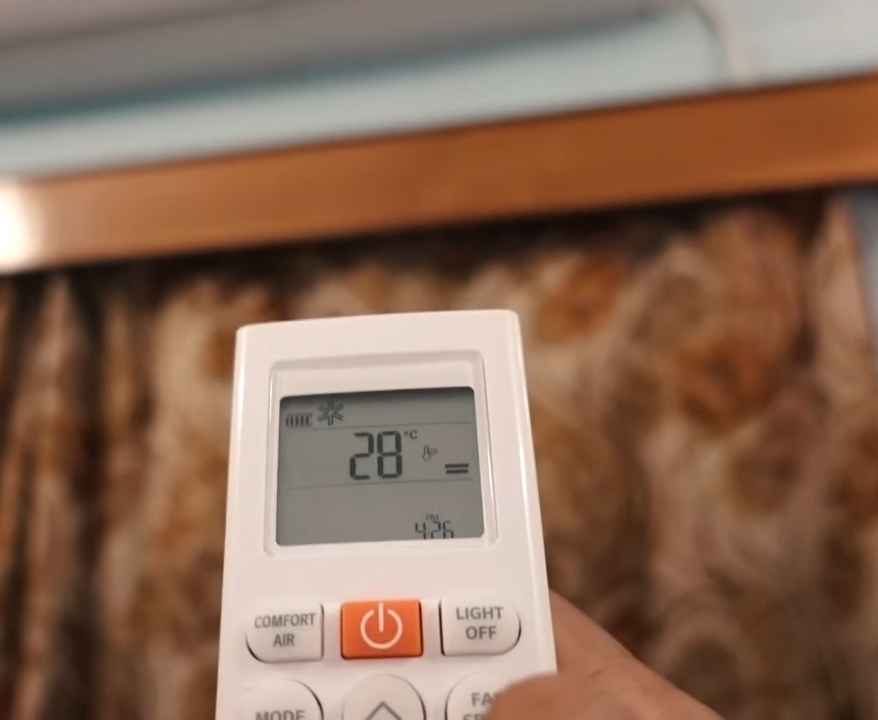
Can I Run My Ac 24/7? The Pros And Cons!
Knowing the pros and cons of running an air conditioner 24/7 will help you to make your informed decision.
So, let’s find the advantages and drawbacks of running your air conditioner continuously.
Pros of Using AC 24/7:
Constant Comfort: With the AC running continuously, you can maintain a consistent and comfortable indoor temperature throughout the day and night.
Better Air Quality: AC systems often come with filters that help improve indoor air quality by removing dust, pollen, and other allergens.
Humidity Control: AC units can dehumidify the air, reducing excess moisture that can lead to mold growth and discomfort.
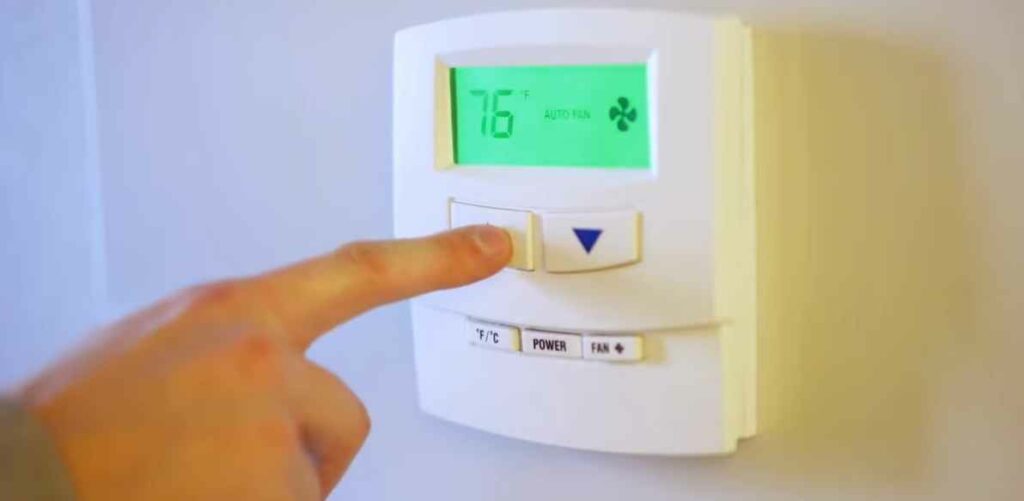
Sleep Quality: A cool and comfortable room can promote better sleep, leading to improved overall health and productivity.
Heat Protection: AC provides relief from extreme heat, preventing heat-related health issues and discomfort.
Increased Productivity: Cooler temperatures can enhance focus and productivity in workplaces and homes.
Electronics and Appliances: Continuous AC operation can help prevent overheating of electronic devices and appliances.
Cons of Using AC 24/7:
High Energy Consumption: Running AC constantly can significantly increase energy bills, especially during peak summer months.
Environmental Impact: Increased energy consumption leads to higher greenhouse gas emissions, contributing to climate change.
AC Maintenance Costs: Continuous operation can put more strain on the AC unit, potentially leading to more frequent maintenance and repair costs.

Dry Air Concerns: Long-term exposure to air conditioning can lead to dry skin and eyes for some individuals.
Temperature Dependency: Constant AC use may make individuals more sensitive to natural outdoor temperatures, making it uncomfortable without AC.
Noise Pollution: AC units can generate noise, which might be bothersome for some individuals, especially during the night.
Carbon Footprint: The higher energy consumption associated with 24/7 AC usage contributes to an individual’s carbon footprint.
Risk of Over cooling: Running the AC continuously may result in over-cooling, leading to health issues like colds or respiratory problems.
It’s essential to strike a balance between using AC for comfort and considering its impact on energy consumption and the environment.
Energy-saving practices, such as using a programmable thermostat or adjusting the temperature when leaving the room, can help mitigate some of the drawbacks of constant AC usage.
How long can ac run continuously?
Assuming you are asking about a window air conditioner unit: Most window air conditioner units have a built-in timer that will automatically turn the unit off after it has been running for a certain amount of time.
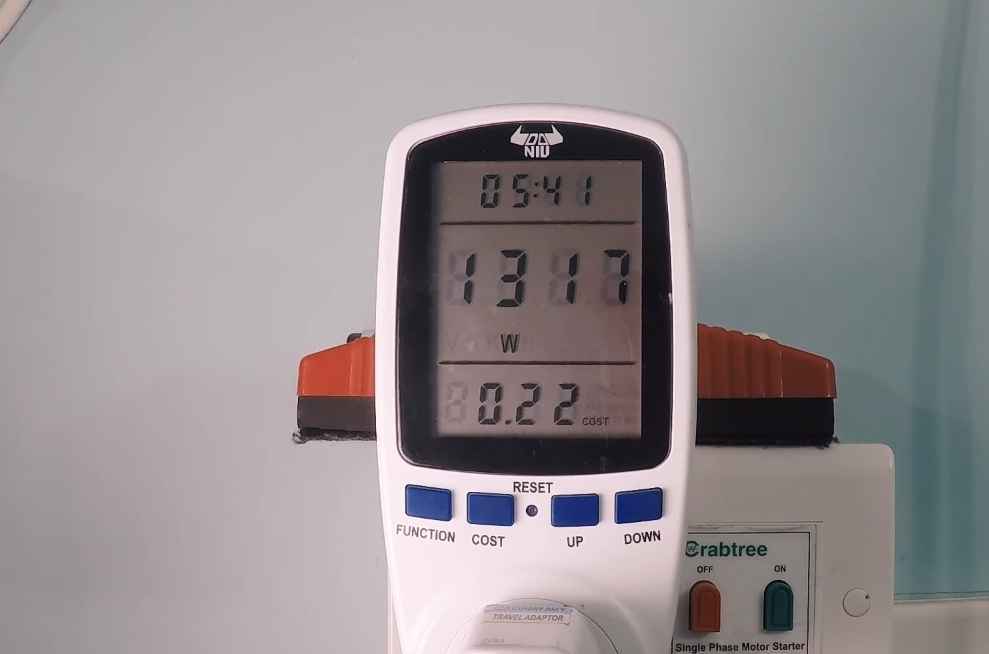
This timer is usually between 2 and 4 hours.
However, you can override the timer and keep the unit running for as long as you want.
Running ac 24/7 cost
If you’re like most people, you probably think that running your air conditioner 24/7 is going to cost a fortune.
However, you can do a few things to keep your costs down.
First, make sure your AC unit is properly insulated.
This will help to keep the cold air in and the hot air out, which will make your AC unit work less hard and use less energy.
Second, invest in a programmable thermostat.
This allows you to set your AC unit to only run when you need it, which can save you a lot of money.
Finally, make sure you keep your AC unit regularly maintained.
This will help to ensure that it is running at its peak efficiency, which can save you money on your energy bills.
By following these simple tips, you can keep your AC costs down and stay cool all summer long!
How many hours per day should AC run?
The ideal amount of time for an air conditioner to run is about 15 minutes.
This allows the AC unit to properly circulate the air and maintain a comfortable temperature.
If the AC unit is running for more than 15 minutes, it is likely that the unit is not sized correctly for the space or there is an issue with the AC unit itself.
If the AC unit is running for less than 15 minutes, the unit may not be able to properly cool the space.

Magnificent beat ! I wish to apprentice while you amend your site, how can i subscribe for a blog web site? The account helped me a acceptable deal. I had been tiny bit acquainted of this your broadcast offered bright clear idea