If you have an air conditioner, you may be wondering whether is it ok for my air conditioner to run continuously. The answer to this question depends on a few factors, including the type of air conditioner you have and the climate in which you live. If you have a central air conditioning unit, it’s typically okay for the unit to run continuously.
However, if you have a window air conditioner, you may want to limit the amount of time the unit is running to prevent overworking the motor. Additionally, if you live in an area with high humidity, you may want to limit the amount of time the air conditioner is running to prevent the unit from creating too much condensation.
Yes, it is perfectly fine for your air conditioner to run continuously. In fact, it is the most efficient way to operate your AC. By running continuously, your AC will maintain a consistent temperature in your home, which will save you money on your energy bill.
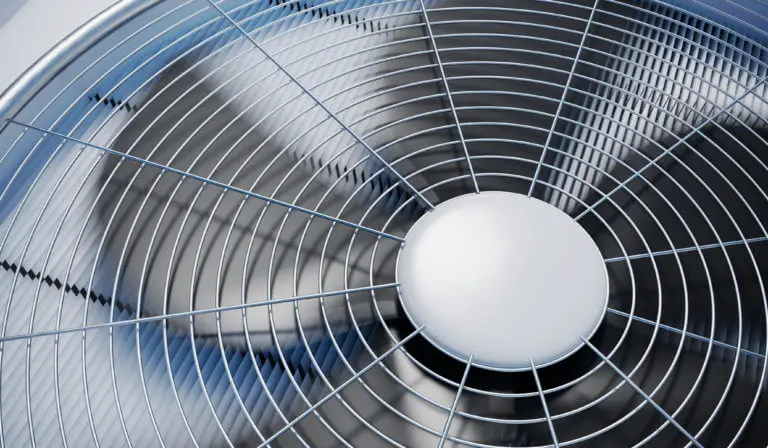
The Pros and Cons of running air conditioner continuously
Running an air conditioner continuously can be both advantageous and disadvantageous. The main benefit of this practice is that it helps maintain a consistent indoor temperature, which can lead to enhanced comfort and improved air quality.
Additionally, continuous operation can prevent the buildup of humidity and the growth of mold and mildew.
However, this practice can also have some downsides. For one, it can lead to higher energy costs and increased wear and tear on the air conditioning unit.
Additionally, continuous use can lead to overcooling and can make it difficult to acclimate to outdoor temperatures.
Ultimately, the decision to run an air conditioner continuously should be based on individual circumstances and preferences.
What happens if AC runs too long?
If a room’s air conditioner runs too long, it could be a sign that the unit is too small for the space. An air conditioner that’s too small will run continuously to cool the room, but won’t be able to lower the temperature to the set point. As a result, the room will feel stuffy and uncomfortable.

If you find that your air conditioner is running too long, there are a few things you can do:
– Check the air filter and replace it if it’s dirty. A dirty air filter can restrict air flow, causing the air conditioner to work harder and run for longer periods of time.
– Make sure all the vents in the room are open and not blocked by furniture or other objects.
– If your air conditioner has a “fan-only” setting, try using it for a few hours to see if that makes a difference.
– If none of these things help, it’s time to call in a professional to take a look at your unit and see if it’s the right size for your space.
How long can an AC unit run continuously?
Assuming you are asking about a central air unit: Most central air conditioners are designed to operate for long periods without shutting off. Some units have timers that allow the homeowner to set how long the unit will run before shutting off.
These are designed to give the homeowner flexibility and can be helpful if, for example, you want the house to be cool when you come home from work.
In general, however, central air units are designed to run for hours at a time without issue. The compressors and other moving parts are made to withstand long periods of continuous use, and the units can regulate their own temperature to prevent overheating.
Of course, like any appliance, central air units will eventually wear out and will need to be replaced. But with proper maintenance, a central air unit can last for many years.
How long should your air conditioner run per day?
Assuming you have a central air conditioner: On a hot day, your air conditioner should cycle about every 15 minutes to keep your home cool. In other words, if you have it set at 78 degrees, it will turn on for about 15 minutes, then off for about 15 minutes, then on again, and so forth.
During the cooling process, your air conditioner will remove humidity from the air. The amount of time it runs also depends on the humidity level inside your home. If it’s humid, it will run more often because it needs to remove more moisture.
If you have an older air conditioner, it may not have an automatic shut-off feature. In this case, it’s important to keep an eye on it and turn it off manually when it’s been running for about 30 minutes.
How long can AC run continuously?
Assuming you are talking about a window air conditioner unit: Most window air conditioners are not meant to run continuously for more than 24 hours. There is a risk of damaging the compressor if the unit is left on for too long.
Additionally, leaving the unit on for extended periods can cause it to use more energy than necessary, driving up your utility bills.
If your air conditioner does need to run for more than 24 hours, it is important to check on it periodically to ensure that it is functioning properly.
Keep an eye out for any unusual sounds or smells, as these could indicate that the unit is overworking and at risk of breaking down.
How many hours should AC run per day?
How many hours should your AC run per day? Is It Ok For My Air Conditioner To Run Continuously? These are the questions we hear a lot. There is no easy answer, as it depends on a variety of factors.
Here are a few things to consider when trying to determine how many hours your AC should run per day. The first thing to consider is the temperature outside. Obviously, if it’s hot outside, your AC will need to run more to keep your home cool.
Conversely, if it’s cooler outside, your AC won’t need to run as much. Another thing to consider is the size of your home. If you have a large home, it will take more AC to keep it cool than if you have a smaller home.
Finally, you need to consider your personal preferences. Some people like their homes to be cooler than others. So, if you like your home to be on the cooler side, your AC will need to run more to achieve that.
Ultimately, there is no definitive answer to how many hours your AC should run per day. It depends on a variety of factors, including the temperature outside, the size of your home, and your personal preferences.
Just make sure to keep an eye on your energy bill, as running your AC too much can end up being quite costly!
Why does my air conditioner keep running after it has reached the set temperature?
If your air conditioner keeps running after it has reached the set temperature, there are a few possible reasons why. One possibility is that the air conditioner is not sized properly for the space it is cooling. An air conditioner that is too small for the space will have to run for longer periods to cool the space down to the set temperature.
Another possibility is that the air conditioner is not installed correctly. If the air conditioner is not level, it will not operate as efficiently and will have to run for longer periods to cool the space down. Finally, the air conditioner could be low on refrigerant.
If the air conditioner is low on refrigerant, it will not be able to cool the space as efficiently and will have to run for longer periods to reach the set temperature. If your air conditioner keeps running after it has reached the set temperature, it is best to contact a qualified HVAC technician to diagnose the problem and make the necessary repairs.
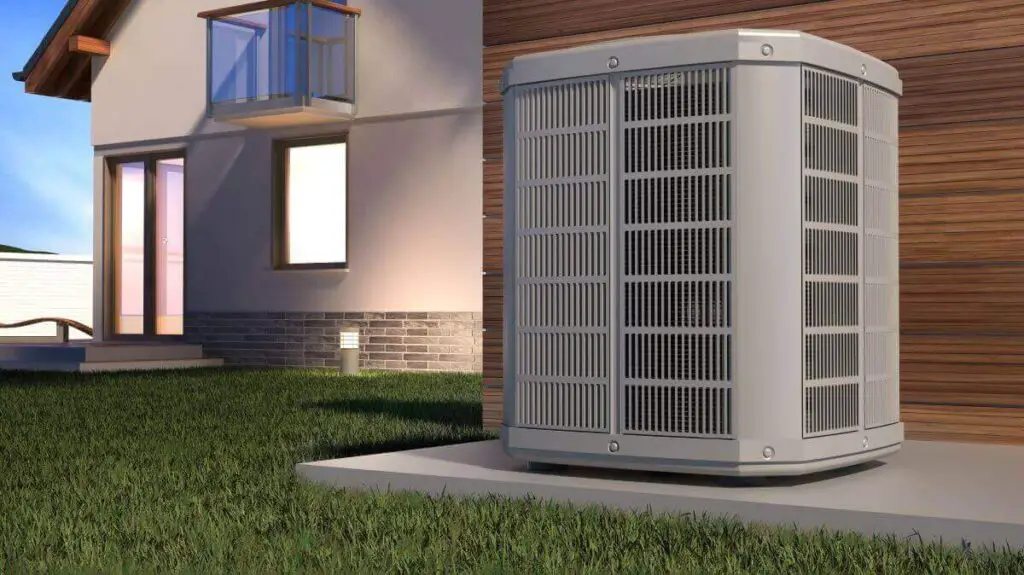
How long can central AC run continuously?
If your central air conditioner is running continuously, it’s probably not operating at peak efficiency. In fact, it’s likely your energy bills are higher than they should be.
While it’s normal for your AC to run for extended periods on hot days, it shouldn’t be running non-stop.
If it is, there are a few potential reasons why:
The temperature in your home is set too low – Your air conditioner will work harder and run longer if the temperature in your home is set lower than 78 degrees.
The air filter is dirty – A dirty air filter can restrict air flow, causing your AC to work harder to cool your home.
There’s a refrigerant leak – A refrigerant leak can cause your AC to run continuously to cool your home.
There’s a problem with the AC unit itself – If there’s a problem with the AC unit, it may run continuously in an effort to cool your home.
If your AC is running continuously, it’s important to have it checked out by a professional.
They can help you determine the cause of the problem and make the necessary repairs.
Is it better to run AC continuously or in intervals?
If you are trying to improve your cardiovascular fitness, running continuously is probably the better option. Interval training, where you alternate periods of running with walking or resting, is more effective for improving your speed or power.
That said, both continuous and interval training has their benefits, and the best approach for you may depend on your goals and preferences.
If you are just starting, you might want to try a mix of both before settling on one or the other.
How many hours should window AC run per day?
Assuming you’re talking about a standard window air conditioner unit, most are designed for around-the-clock operation. So, you can technically run it for 24 hours a day. Of course, that’s not necessarily recommended.
Running your AC unit all day long will undoubtedly increase your energy bill. So, if you’re looking to save money, you’ll want to be more strategic about when you run your unit. Generally speaking, you’ll want to run your AC unit during the hottest hours of the day.
So, if you live in an area with hot summers, you’ll want to run it during the day when temperatures are at their highest. Then, you can turn it off at night when temperatures start to cool down. Of course, this may not be possible for everyone.
If you work during the day, for example, you may not be able to have your AC unit running during the hottest hours.
In that case, you can try to keep your unit running for at least a few hours during the day so that your home will be cooler when you get home. At the end of the day, there’s no magic number of hours that you should run your AC unit for.
It will ultimately depend on factors like the temperature outside, the temperature you want your home to be, and your budget.
How long should AC run per hour?
If your air conditioner is running too much, it could be a sign that it is too large for your home. An air conditioner that is too big will cycle on and off more frequently and will not run for as long as it should. This can cause your energy bills to skyrocket and your home to become uncomfortably humid.
If your air conditioner is running too frequently, the unit is likely too large for your home. A properly sized unit will run for about 15-20 minutes at a time. If your unit is running for shorter periods, it is working harder than it needs to and is not as efficient.
If you notice that your air conditioner is running too much, check the size of the unit. If it is too large, consider downsizing to a smaller unit. This will save you money on your energy bills and keep your home more comfortable.
Air Conditioner Running Constantly
If your AC is running constantly, there are a few possible culprits. First, check your thermostat to make sure it is set to the correct temperature. If it is, then your AC unit may be too small for the space it is cooling, or there may be an issue with the compressor.
If your AC unit is too small, it will have to work harder to cool your space, which will cause it to run constantly. If there is an issue with the compressor, it will need to be repaired or replaced.
How to Fix an Air Conditioner | Runs Continuously
Conclusion
Yes, it is perfectly fine for your air conditioner to run continuously. In fact, it is the most energy-efficient way to operate your AC. By running continuously, your AC will maintain a consistent temperature in your home, which will save you money on your energy bills.
