Why is my window air conditioner freezing up? This situation may have multiple offenders rather than just one.
A window air conditioner may freeze up due to several reasons. One possible reason could be a dirty air filter, which restricts airflow and causes the evaporator coil to freeze. Another reason could be low refrigerant levels, which can cause the coil to become too cold, leading to ice buildup. Poor insulation or a malfunctioning thermostat can also contribute to the issue.
To prevent freezing, it is important to regularly clean or replace the air filter, ensure proper insulation, and schedule regular maintenance with a professional technician.
In conclusion, regular maintenance and upkeep are crucial in preventing your window air conditioner from freezing up.
Causes Behind the Window Air Conditioner Freezing Up
Window air conditioners can freeze up due to various reasons. A dirty or clogged air filter restricts airflow, causing the evaporator coil to become too cold and leading to ice formation. A malfunctioning thermostat can make the cooling system run continuously, resulting in excessive cooling and freezing.
Low refrigerant levels due to leaks can cause the evaporator coil to freeze as well. Inadequate airflow around the unit, often caused by obstructions, can hinder proper air circulation and contribute to freezing.
Malfunctioning blower fans and blocked condensate drain lines also play a role.
Regular maintenance, such as cleaning or replacing the air filter, adjusting or replacing the thermostat, repairing refrigerant leaks, and ensuring proper clearance. And fixing the blower fan or clearing the condensate drain line, can prevent freezing and maintain optimal performance of the window air conditioner.
Quick fix for window ac freezing up
If your window air conditioner is freezing up, there are a few quick fixes you can try before calling for professional assistance. Here’s what you can do:
Turn Off the AC: The first step is to turn off the air conditioner immediately. Let it thaw and do not attempt to force any ice off the unit, as it may cause damage.
Check Airflow: Insufficient airflow is a common cause of freezing. Make sure there are no obstructions around the AC unit, both inside and outside. Clean or replace the air filter if it’s dirty, as a clogged filter restricts airflow.
Set the Right Temperature: Avoid setting the thermostat too low, as extremely cold temperatures can lead to freezing. Aim for a comfortable setting around 22-24°C (72-75°F).
Check for Ice on Coils: Once the AC has thawed, inspect the evaporator coils. If they are covered in ice or frost, it’s a sign of a potential issue.
Clean the Coils: Dirty coils can hinder proper heat exchange and cause freezing. Gently clean the coils with a soft brush or cloth. Be careful not to bend the fins.
Check for Refrigerant Leaks: Low refrigerant levels can cause freezing. If you suspect a leak, it’s best to call a professional HVAC technician to diagnose and fix the problem.
Ensure Proper Drainage: Check the condensate drain and ensure it’s not clogged. A blocked drain can lead to water buildup, which can freeze and affect the AC’s performance.
Keep the Room Sealed: Make sure doors and windows are closed properly while the AC is running. This helps maintain a stable indoor temperature and reduces strain on the unit.
Regular Maintenance: To prevent future issues, schedule regular maintenance for your window AC, ideally before the cooling season begins.
Why does my window unit air conditioner keep freezing over?
As the weather outside gets warmer, you may be noticing that your window air conditioner is freezing over. There are a few reasons why this may be happening, and luckily there are a few things you can do to fix the problem. One reason why your AC may be freezing is that the air filter is dirty.
When the filter is clogged, the airflow is restricted and this can cause the coils to freeze. The solution is to simply replace the filter with a new one. Another reason for freezing coils is that the AC is low on refrigerant.
This is a more serious problem and will require a professional to fix it.
Lastly, the AC may be freezing because the temperature in the room is set too low. The coils will only freeze if the temperature is below 60 degrees Fahrenheit, so try raising the temperature a few degrees and see if that fixes the problem.
If your window AC unit keeps freezing over, don’t despair! Try these simple solutions and you’ll be back to cool, comfortable indoor temperatures in no time.
How to stop a window air conditioner from freezing up?
If your window air conditioner is freezing up, there are a few things you can do to stop it.
First, make sure that the air conditioner is properly installed. If it is not, it will not be able to circulate air properly and will freeze up.
Secondly, check the air filter and clean or replace it if it is dirty. A dirty air filter can restrict airflow and cause the air conditioner to freeze up.
Finally, make sure that the air conditioner is set to the correct temperature. If it is set too low, it will cause the air conditioner to freeze up.
How do you fix a window air conditioner that freezes up?
If your window air conditioner is freezing up, there are a few things you can do to fix the problem. First, try raising the temperature setting on the unit. If that doesn’t work, then you may need to clean the unit’s filters.
If the filters are dirty, they can restrict air flow, which can cause the unit to freeze up. To clean the filters, remove them from the unit and wash them with warm, soapy water. Once they’re clean, dry them thoroughly before putting them back in the unit.
If cleaning the filters doesn’t fix the problem, then you may need to have the unit serviced by a professional.
What causes the AC to freeze up?
The most common cause is simply that the evaporator coils are too cold. This can be due to a number of factors, such as the refrigerant level being low, the airflow being restricted, or the coils themselves being dirty.
Another potential cause is a problem with the condenser fan. If this fan isn’t working properly, it can cause the evaporator coils to get too cold and freeze up.
Additionally, if your home’s ductwork is leaky, this can also lead to cooling issues and eventual freezing.
What to do when your ac unit freezes up inside?
When faced with the frustrating situation of your AC unit freezing up inside, it’s important to take prompt action to prevent further damage and restore proper cooling. Firstly, switch off the air conditioning system to allow the ice to thaw naturally.
Resist the temptation to manually chip away at the ice, as this can harm delicate components. Inspect the air filter for dirt or blockage, as restricted airflow is a common cause of freezing. Replace or clean the filter if necessary.
Next, check the thermostat settings and ensure they are correctly adjusted for optimal cooling. Examine the evaporator coils for dirt or debris, and gently clean them if needed.
If these steps don’t resolve the issue, it’s advisable to contact a professional HVAC technician to diagnose and address any underlying problems. Remember, a frozen AC unit demands attention and timely troubleshooting to restore your comfort effectively.
What Causes My Air Conditioner To Freeze Up?
The most common reason is that the air conditioner is low on refrigerant. When the refrigerant level gets too low, it can cause the air conditioner to freeze up.
Another possibility is that the air filter is dirty. A dirty air filter can restrict air flow, which can cause the air conditioner to freeze up. Lastly, it could be due to a problem with the air conditioner’s coils.
If the coils are dirty or damaged, they can prevent the air conditioner from cooling properly, which can cause it to freeze up. If your air conditioner is freezing up, be sure to check these things first.
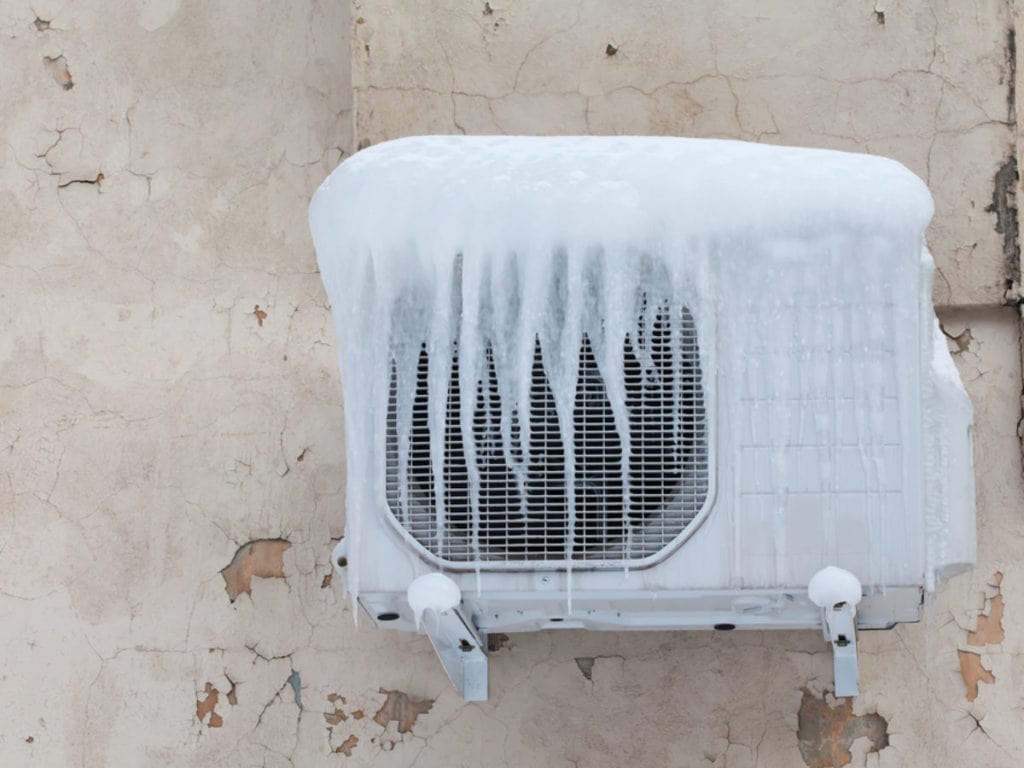
What to do when ac freezes? Tips to Follow
When an AC freezes, it can be a frustrating and uncomfortable experience, but there are several things homeowners can do to remedy the situation.
Here are some tips to keep in mind:
- Turn off the AC unit and let it thaw out for a few hours.
- Check the air filter and clean or replace it if necessary.
- Inspect the evaporator coil and clean it if it appears dirty or clogged.
- Ensure that the fan motor and blades are running smoothly and not obstructed.
- Check the refrigerant level and have it refilled if it’s low.
- Consider calling a professional HVAC technician if the issue persists or if you’re unsure of how to troubleshoot the problem.
By following these steps, homeowners can help prevent their AC from freezing and ensure their home stays cool and comfortable during the hot summer months.
How Do You Unfreeze an Air Conditioner Fast?
If your air conditioner has frozen over, don’t panic! There are a few easy things you can do to unfreeze it quickly.
First, turn off the power to the unit. This will prevent any further damage from occurring.
Next, use a hairdryer or heat gun to thaw out the ice on the coils. Be sure to keep the dryer moving so that you don’t damage the coils.
Once the ice is melted, turn on the power and set the thermostat to a lower temperature. The unit should start working properly again. If it doesn’t, give us a call and we’ll be happy to help!
How do I keep my air conditioner from freezing up?
If your air conditioner is freezing up, there are a few things you can do to try to fix the problem. First, check to see if the air filter is dirty. If it is, replace it with a new one.
Next, check the evaporator coils and see if they are covered in ice. If they are, turn off the air conditioner and let the coils thaw out. Once they are thawed, turn the air conditioner back on and see if the problem is fixed.
If the coils are not frozen, check the Freon levels. If they are low, you may need to add more Freon to the system.
What causes the inside AC unit to freeze up?
One of the common issues that can cause an inside AC unit to freeze up is a lack of proper airflow. When the airflow is restricted, the evaporator coil, which is responsible for cooling the air, can become too cold and freeze.
This restriction can be caused by various factors, such as a dirty air filter, blocked vents or registers, or a malfunctioning blower fan. Additionally, low refrigerant levels can also lead to freezing as the system works harder to cool the air.
It is crucial to address these issues promptly to prevent further damage to the AC unit and ensure optimal cooling performance.
Regular maintenance and cleaning, along with timely professional inspections, can help identify and resolve these problems, keeping the inside AC unit running smoothly and efficiently.
How to unfreeze a window air conditioner?
If your window air conditioner is frozen, there are a few things you can do to unfreeze it. First, try raising the thermostat setting. This will cause the air conditioner to run less often, which will give the coils time to thaw.
If this doesn’t work, you can try turning off the air conditioner for a few hours. This will give the coils time to thaw completely. Finally, if neither of these methods works, you can try using a hairdryer to thaw the coils. Be sure to not use hot air, as this can damage the coils.
Why is my brand new ac unit freezing up?
A brand new air conditioning unit freezing up can be a perplexing issue for homeowners. Several factors could contribute to this unexpected problem. First and foremost, inadequate airflow is a common culprit.
Restricted airflow due to blocked vents or dirty air filters can cause the evaporator coil to become excessively cold and freeze up. Another possibility is an improper refrigerant charge, where the system has either too much or too little refrigerant.
This imbalance can disrupt the heat transfer process and result in ice formation on the unit. Lastly, a malfunctioning thermostat or a faulty defrost control board could also lead to freezing.
If you find your brand new AC unit freezing up, it is recommended to contact a professional HVAC technician to diagnose and address the issue promptly.
Will Frozen AC Fix Itself?
If your air conditioner freezes up, it’s not going to fix itself. In fact, if you don’t take care of the problem, it could actually make things worse.
Here’s what you need to do to fix a frozen air conditioner:
1. Turn off the power. This is probably the most important step. If you don’t turn off the power, you could end up doing serious damage to your AC unit.
2. Let the ice melt. Once the power is off, let the ice inside your AC unit melt completely. This could take a few hours, so be patient.
3. Check for leaks. Once the ice has melted, check for any leaks in your AC unit. If there are any, you’ll need to repair them before turning on your AC again.
4. Turn on the power and test your AC unit.
Why does my window AC freeze up at night?
If your window air conditioner has been freezing up at night, there are a few possible reasons why. One possibility is that the air conditioner is not receiving enough airflow. This can be caused by several things, such as a dirty air filter, a blockage in the air conditioner’s vents, or a problem with the fan.
Another possibility is that the air conditioner is not properly sized for the room. If the air conditioner is too small, it will struggle to cool the room and will often freeze up. Finally, another possibility is that the air conditioner is not properly maintained.
If the coils are dirty or the unit is low on refrigerant, it can cause the air conditioner to freeze up. If your air conditioner has been freezing up, try troubleshooting the problem to see if you can fix it yourself.
Quick fix for ac freezing up
If your air conditioner is freezing up, it’s likely because the air filter is dirty. A dirty air filter restricts airflow, causing the evaporator coil to freeze. To clean the air filter, first, turn off the power to the air conditioner.
Remove the filter and rinse it with warm water. Allow the filter to dry completely before reinstalling it. If your air conditioner still freezes up, it’s possible that the evaporator coil is damaged and will need to be replaced.
How to stop your ac from freezing up?
Is your air conditioner freezing up, leaving you sweltering in the summer heat? Don’t worry, there are a few simple steps you can take to prevent this frustrating issue.
First, ensure that your air filter is clean and free from any obstructions.
A clogged filter restricts airflow, causing the evaporator coil to freeze. Next, check the thermostat settings to ensure they are properly adjusted. Setting the temperature too low can cause the coil to ice over. Additionally, make sure your air vents are open and unobstructed to allow for proper airflow.
Lastly, consider scheduling regular maintenance for your AC unit to identify and address any underlying issues. By following these steps, you can effectively prevent your air conditioner from freezing up and enjoy cool and comfortable indoor temperatures.
What causes a window unit air conditioner to freeze up?
If your window unit air conditioner is freezing up, it could be due to several reasons. Here are some of the most common causes:
1. The air conditioner is not properly ventilated. When an air conditioner is not properly ventilated, the air inside the unit can become very cold and cause the unit to freeze up. Make sure that your air conditioner is properly ventilated by opening the windows and doors in the room where the unit is located.
2. The air conditioner is not the right size for the room.
If the air conditioner is too small for the room, it will have to work harder to cool the room down, which can cause the unit to freeze up. Make sure that you choose an air conditioner that is the right size for the room.
3. The air conditioner is not properly maintained. If the air conditioner is not properly maintained, the coils can become dirty and the unit can freeze up. Be sure to clean the coils and the air filter regularly.
4. The air conditioner is low on refrigerant.
If the air conditioner is low on refrigerant, it will not be able to cool the air properly and can freeze up. Be sure to check the level of refrigerant and add more if needed.
5. The air conditioner is located in a cold room.
Why does my ac keep freezing up at night?
As the night settles in and the air turns cooler, you may find yourself puzzled by a recurring issue: the freezing up of your air conditioning unit. This perplexing phenomenon can stem from several factors.
Firstly, it could be a result of inadequate airflow caused by clogged filters or obstructed vents, preventing the warm air from circulating properly. Secondly, the refrigerant levels might be imbalanced, leading to excessive cooling and subsequent ice formation.
Lastly, it is essential to consider the ambient temperature at night, as extremely low temperatures can strain the AC system and contribute to freezing.
To resolve this issue, it is recommended to ensure proper airflow, clean or replace filters regularly, and consult a professional technician to assess and adjust refrigerant levels.
By addressing these potential causes, you can restore your AC’s functionality and enjoy restful nights in a comfortably cooled environment.
Why did my air conditioner freeze?
If your air conditioner has frozen, it’s likely because the evaporator coils are too cold. This can happen for a number of reasons, including a dirty air filter, a problem with the airflow, or a refrigerant leak. If your air conditioner is frozen, the first thing you should do is turn it off.
Then, check the air filter and clean or replace it if it’s dirty. If the air filter is clean, check the airflow to make sure there’s nothing blocking it. Also, check for a refrigerant leak.
Why is my Brand Aew AC unit freezing up?
If you’ve ever wondered why your brand-new AC unit is freezing up, you’re not alone. It’s a common problem that can be caused by a number of things.
One of the most common reasons for an AC unit to freeze up is because the air filter is dirty.
When the air filter is clogged with dirt and dust, it restricts the airflow to the unit, causing it to work harder to cool the air. This can lead to the coils freezing up. To prevent this, be sure to change your air filter regularly.
Another common reason for an AC unit to freeze up is that the coils are not getting enough air. This can be caused by a number of things, such as a dirty air filter, a blocked duct, or a problem with the air handler.
Finally, an AC unit can freeze up if the refrigerant level is low. When the refrigerant level is low, it means that the unit is not able to cool the air properly.
What causes ac to freeze up in summer?
One possibility is that the unit is low on refrigerant. This can happen if there is a leak in the system, or if the unit was not properly charged when it was installed.
Another possibility is that the air filter is dirty, which can restrict airflow and cause the unit to freeze.
Finally, if the coils inside the unit are dirty, they won’t be able to effectively transfer heat, which can also cause the unit to freeze. If your air conditioner is freezing up, the first thing you should do is check the air filter.
Why Air Conditioner Iced Up?
If your air conditioner is icing up inside, it’s likely due to a few different issues.
1. Dirty filters – If your unit’s filters are dirty, they can restrict airflow and cause the coils to freeze. Be sure to check and clean your filters on a regular basis.
2. Blocked vents – When there are any blockages in your vents (such as furniture or drapes), this can also restrict airflow and cause freezing.
3. Thermostat problems – If your thermostat isn’t working properly, it may not be sending the correct signal to your AC unit, causing it to run longer than necessary and leading to ice formation.
4. Low refrigerant – First, the air conditioner may be low on refrigerant. This can cause the evaporator coils to freeze, which will cause the unit to ice up.
If your air conditioner is icing up, you should check for these four possible causes.
How to Remove Ice from Air Conditioner?
If your air conditioner is freezing up, it’s important to remove the ice as soon as possible. Otherwise, your AC won’t work properly and your energy bills will go up.
There are a few different ways you can remove ice from your air conditioner.
One way is to turn off the AC and let it thaw out on its own. This can take a while, so if you’re in a hurry, you can use a hair dryer or heat gun on the lowest setting to speed up the process.
Another way to remove ice from your AC is to use a mixture of vinegar and water. Simply mix equal parts vinegar and water in a spray bottle and mist the frozen areas of your AC unit. The vinegar will help break down the ice and make it easier to remove. Once the ice is melted, be sure to clean any debris out of the unit so that it doesn’t freeze again.
You may also want to check for any leaks or cracks in the unit that could be causing it to freeze up in the first place.
How Do You Fix an Iced Air Conditioner?
If your air conditioner is frozen, it’s important to thaw it out as soon as possible to prevent damage. Here’s how to do it:
- 1. Turn off the power. Before you do anything, make sure you turn off the power to your air conditioner. Otherwise, you could risk electrocution.
- 2. Locate the problem area. Once the power is off, take a look at your air conditioner unit and try to identify where the ice is located. It’s usually on or near the coils.
- 3. Apply heat to the problem area. You can use a hair dryer, space heater, or even a portable heater to thaw out the ice on your air conditioner unit. Just be careful not to overheat any wires or components while you’re doing this.
- 4. Let the unit thaw completely before turning it back on again.
Outside ac unit freezing up in Summer
During the scorching summer months, a common issue that homeowners may encounter is their outside air conditioning unit freezing up. This perplexing phenomenon can lead to frustration and discomfort as the cool relief of indoor air dwindles away.
The freezing of the AC unit is often caused by a combination of factors, including insufficient airflow, low refrigerant levels, or a malfunctioning thermostat. These conditions can cause moisture to accumulate on the unit’s coils, which then freezes due to the cold air circulating inside.
When faced with an outside AC unit freezing up, it is crucial to promptly address the issue by contacting a professional HVAC technician.
By doing so, you can restore the optimal functioning of your cooling system and ensure a comfortable and refreshing summer season.
How Do I Stop My Air Conditioner from Icing Up in the Winter?
If your air conditioner is icing up in the winter, there are a few things you can do to stop it. First, make sure that the unit is properly insulated. This will help to keep the warm air from coming into contact with the cold coils, which can cause ice to form.
You can also try raising the temperature of the room where the unit is located. This will help to prevent the coils from getting too cold and causing ice to form. Finally, if you have an adjustable thermostat, set it to “fan only” mode when you are not using the air conditioner.
This allows the coils to thaw out and prevent ice from forming.
Conclusion
Your window air conditioner freezing up is likely due to one of three reasons: low refrigerant levels, a dirty evaporator coil, or a blocked air filter.
Each of these issues can cause the air conditioner to work less efficiently, which can lead to the unit freezing up. To prevent your air conditioner from freezing up, be sure to keep the unit well-maintained and clean.

Very soon this website will be famous amid all blogging and site-building people, due to it’s fastidious articles or reviews