There can be several reasons why your AC compressor is frozen. One possible cause is insufficient airflow. When the air isn’t circulating properly, the moisture in the system can accumulate and freeze on the compressor.
This can happen due to clogged air filters, blocked vents, or closed registers. Another reason could be low refrigerant levels. If there is a refrigerant leak, it can lead to a drop in pressure and cause the evaporator coil to become too cold, resulting in the compressor freezing up.
Additionally, a malfunctioning blower fan or a faulty defrost control board can also contribute to compressor freezing.
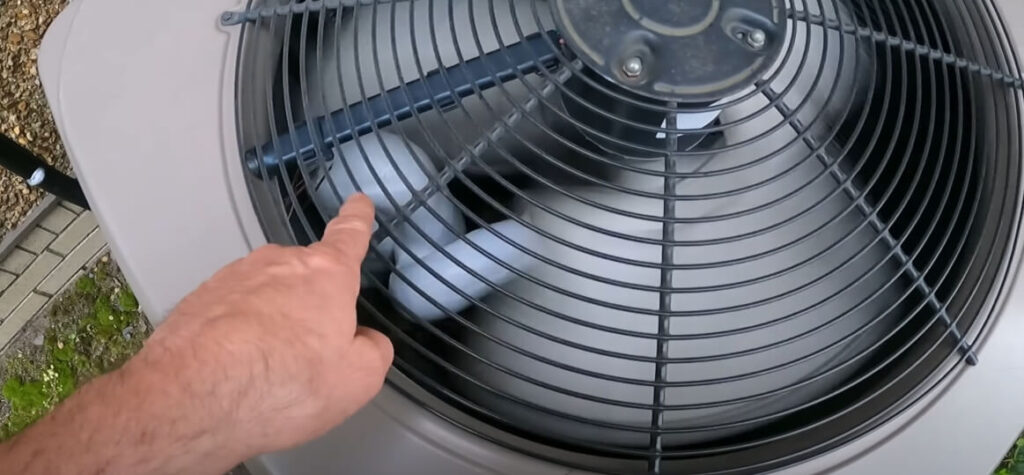
What do you do when your AC compressor freezes?
If you find that your AC compressor has frozen, there are a few things you can do to thaw it out and get it working again. First, you’ll want to turn off the AC unit and remove the power. Next, use a hairdryer or heat gun to thaw out the ice on the compressor.
You’ll need to be careful not to overheat the compressor, so start with the hairdryer on the low setting and work your way up if necessary. Once the ice is thawed, you can turn the AC unit back on and it should start working again. If the compressor continues to freeze, you may need to have it replaced.
How do I unfreeze my AC unit?
If your AC unit has frozen, don’t worry! It’s a common issue and one that is easily fixed. Here are the steps you need to take to unfreeze your AC unit:
1. Turn off the AC unit.
2. Locate the frozen area. This is usually the coils or the lines.
3. Use a hairdryer or a heat gun to thaw the frozen area.
4. Once the area is thawed, turn on the AC unit and check to make sure that it is working properly.
5. If the AC unit is still not working, contact a professional for assistance.
Can you unfreeze an AC compressor?
Yes, you can unfreeze an AC compressor.
There are a few ways to do this, but the most common is to use a hairdryer. You can also use a heat gun or a can of compressed air.
If the compressor is totally frozen, you may need to replace it.
Will frozen ac fix itself?
If your air conditioner is frozen, it’s important to thaw it out as soon as possible to prevent further damage. However, you may be wondering if your AC will fix itself. The answer is unfortunately no, your air conditioner will not fix itself.
Once an AC unit freezes, it needs to be thawed out and repaired. This usually involves calling a professional. There are a few things you can do to prevent your air conditioner from freezing in the first place.
These include making sure the unit is properly insulated, ensuring the coils are clean, and making sure the unit has enough Freon. If your air conditioner does freeze, the first thing you should do is turn off the unit. Then, you’ll need to thaw out the coils.
This can be done with a hair dryer, space heater, or by placing towels soaked in hot water on the coils. Once the coils are thawed, you can turn the unit back on. However, if it doesn’t seem to be working properly, it’s best to call a professional.
They can diagnose the problem and make the necessary repairs.
Why is my brand new ac unit freezing up
If your brand-new AC unit is freezing up, there are a few potential reasons why. One possibility is that the unit is too big for the space it’s cooling. An AC unit that’s too big will cycle on and off too frequently, and this can cause the coils to freeze.
Another possibility is that the unit isn’t properly vented. Make sure that there’s nothing blocking the vents, and that the vents aren’t obstructed in any way. Finally, check the thermostat to make sure it’s set properly.
If it’s set too low, the AC unit will run constantly in an attempt to reach the desired temperature, and this can cause the coils to freeze.
Quick fix for ac freezing up
If your AC unit freezes up, don’t panic! There are a few things you can do to fix the problem.
First, turn off the AC unit.
Then, take a look at the coils and see if they’re dirty. If they are, clean them off with a brush or a vacuum cleaner.
Next, check the fan blades. If they’re dirty, clean them off as well. Once you’ve done that, turn on the AC unit and see if it’s working properly. If not, you may need to call a professional for help.
But in most cases, following these simple steps will get your AC unit up and running again in no time!
Ac unit freezing up in summer
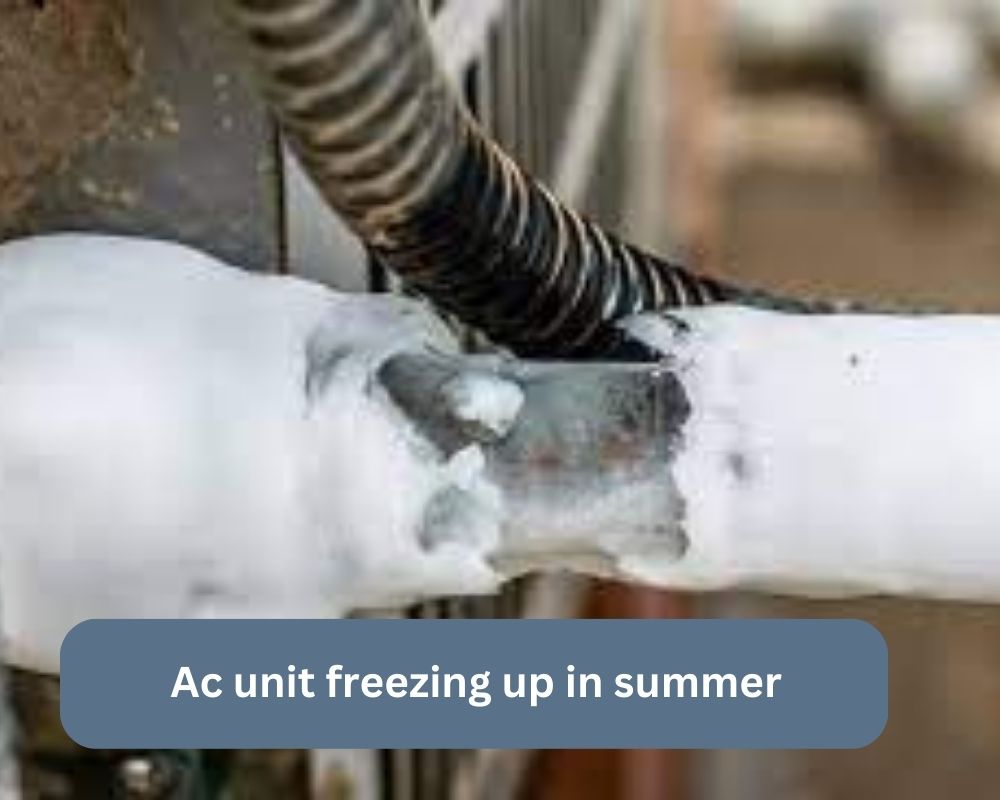
If your air conditioner is freezing up, there are a few potential causes.
First, check to see if the air filter is clean. A dirty air filter can restrict air flow, causing the coils to freeze.
Second, make sure the coils are clean. If the coils are dirty, they won’t be able to absorb heat properly, causing the unit to freeze up.
Finally, check the refrigerant level.
If the refrigerant is low, it can cause the unit to freeze up. If you’re not sure what’s causing the problem, call a professional to take a look at your air conditioner.
How do I keep my air conditioner from freezing up?
If your air conditioner is freezing up, there are a few things you can do to fix the problem. First, check the air filter and make sure it is clean. If it is dirty, replace it with a new one.
Second, check the evaporator coils and make sure they are not frozen. If they are, thaw them out with a hair dryer.
Finally, check the air conditioner’s thermostat and make sure it is set to the correct temperature. If it is not, adjust it accordingly.
Why is my ac unit freezing up in the winter?
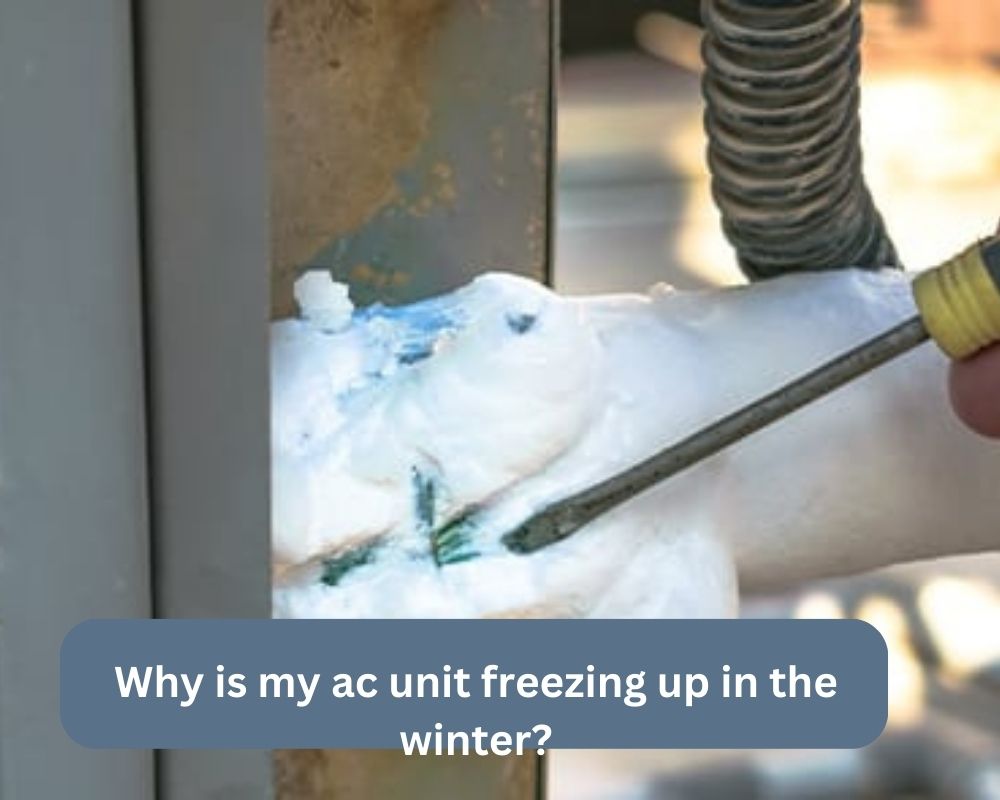
If your AC unit is freezing up in the winter, there are a few possible reasons. One possibility is that the unit is low on refrigerant. This can happen if there is a leak in the system.
Another possibility is that the unit is not getting enough air flow. This can be caused by a dirty filter or by blocked vents. If your unit is freezing up, it’s important to have it checked out by a qualified technician to determine the cause and make sure it’s repaired properly.
Air conditioner freezes when it rains
If you find that your air conditioner freezes when it rains, there are a few possible causes. First, check to see if the air filter is clean. If the filter is dirty, it can restrict air flow, causing the unit to freeze up.
Secondly, make sure that the unit is properly ventilated. If the unit is not getting enough air, it can also cause it to freeze.
Lastly, check the thermostat to see if it is set properly. If the thermostat is set too low, the unit will run longer, which can cause it to freeze.
If you have checked all of these things and the unit is still freezing, it is best to call a professional for help.
Frozen ac compressor car
If your car’s air conditioner isn’t blowing cold air, then the first thing you should check is the compressor. The compressor is responsible for circulating the refrigerant throughout the AC system. If the compressor is frozen, then it won’t be able to do its job properly and your car’s AC will suffer as a result.
There are a few different reasons why your car’s compressor might freeze. One possibility is that the refrigerant level is too low. If there isn’t enough refrigerant, then it can’t absorb enough heat and the compressor will get too cold.
Another possibility is that the compressor itself is faulty and needs to be replaced. If you think that your compressor is frozen, then the best thing to do is to take your car to a mechanic and have them take a look. They’ll be able to diagnose the problem and let you know what needs to be done to fix it.
In most cases, a frozen compressor can be fixed relatively easily.
Frozen Air Conditioner Multiple Issues
Conclusion
If your AC compressor is frozen, it could be because the air filter is dirty, the evaporator coils are frosted, the outdoor unit is dirty, or the refrigerant level is low. To thaw a frozen compressor, turn off the AC and fan, and troubleshoot the problem.
Once you’ve found and fixed the issue, turn on the AC and fan again and enjoy cool, comfortable air.

Great read! I have encountered a similar problem with our AC unit before, which was a hassle. Our neighbor referred us to Anderson Air services because they have fixed the same problem. In no time, they were able to fix our HVAC problem. They even told us that this is a common problem for most AC owners, but it can also be fixed.