When the weather outside is hot and sticky, the last thing you want is for your air conditioner to make things worse. You want to stay cool, but you also want to save money on your energy bill.
So, What Temperature Should I Have My Air Conditioner On? In general, temperature is between 73 and 79 degrees Fahrenheit most people feel comfortable.
The temperature setting on your air conditioner is crucial in maintaining a comfortable indoor environment. However, determining the ideal temperature can be challenging, especially when considering factors such as personal preference, energy efficiency, and the climate you live in.
In this blog post, we will explore the optimal temperature for your air conditioner, taking into account these factors and providing you with practical tips to ensure you get the most out of your HVAC system.
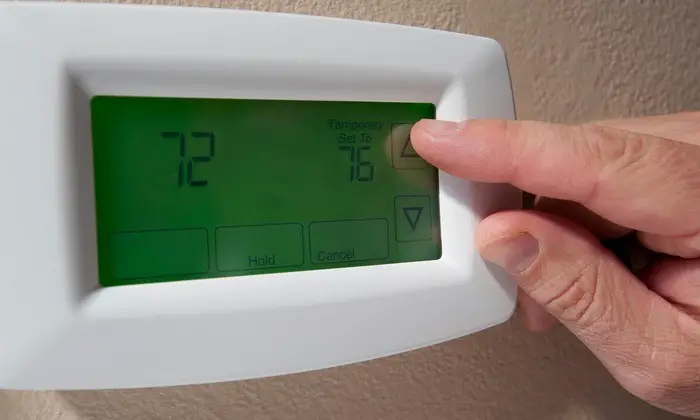
What Temperature Should I Have My Air Conditioner On? The Factors to Consider!
Finding the right temperature for your air conditioner can be a tricky task. With so many variables at play, it’s easy to get overwhelmed and unsure of what setting to choose.
However, we’ll give you some general guidelines to help you find the perfect temperature for your air conditioner. In most cases, it’s best to start with a lower temperature and then adjust as needed.
This will help you save energy and keep your home comfortable. If it’s particularly hot outside, you may need to set your air conditioner to a cooler setting. Conversely, if it’s not too hot, you may be able to get away with a higher setting.
Another thing to keep in mind is that you may not need to have your air conditioner running all the time. If it’s only mildly warm outside, you can open your windows and let the fresh air in. This will help keep your home cool and save you money on your energy bill.
Finally, it’s important to listen to your body and go with what feels comfortable for you. If you find yourself constantly adjusting the temperature, it’s probably a good idea to just choose a setting that’s comfortable and stick with it.
We hope these tips help you find the perfect temperature for your air conditioner. Remember, there’s no one-size-fits-all answer, so just go with what feels best for you and your home.
What should AC be set at in summer?
Most people believe that the ideal setting for their air conditioner in the summer is as low as possible. However, this is not always the case. In fact, setting your air conditioner too low can actually be detrimental to your health.
Here are a few things to keep in mind when setting your AC in the summer:
The first thing to consider is the temperature outside. If it is very hot outside, then you will want to set your AC accordingly.
However, if the temperature is only mildly warm, you may not need to set your AC as low as you think.
Another thing to consider is the humidity levels. If the air is very humid, then you will want to set your AC lower in order to compensate.
Nevertheless, if the air is not very humid, you may not need to set your AC as low.
Finally, you should also consider your own personal comfort levels. If you are someone who gets cold easily, then you will want to set your AC lower.
However, if you are someone who gets warm easily, you may not need to set your AC as low. In general, the ideal setting for your air conditioner in the summer is somewhere between 76 and 80 degrees Fahrenheit.
However, this may vary depending on the factors mentioned above. So, if you are unsure, it is always best to err on the side of caution and set your AC to a slightly higher setting.
What temperature to set air conditioner in summer?
When the mercury rises and the humidity feels like it’s suffocating, there’s nothing more refreshing than walking into a cool, air-conditioned room.
But how low should you set the temperature on your air conditioner during the summer? We asked HVAC experts to weigh in on the ideal air conditioner temperature for summer, plus how to stay comfortable and save money on your energy bill.
The Ideal Temperature for Air Conditioning in the Summer
The ideal temperature for your air conditioner depends on a few factors, including the outside temperature, the humidity, and the number of people in the room. But in general, most people feel comfortable when the temperature is between 73 and 79 degrees Fahrenheit.
Of course, you don’t have to keep your air conditioner at the same temperature all day long. If you’re going to be out of the house during the day, you can raise the temperature to save energy. And at night, when the outside temperature tends to be cooler, you can lower the temperature to stay comfortable.
What temperature to set air conditioner in winter?
The ideal temperature for your air conditioner in winter is around 68 degrees. As the weather starts to cool down, you might be wondering what temperature to set your air conditioner in winter. After all, you don’t want to be too cold or too hot.
This will keep you comfortable without making your energy bills skyrocket. If you have trouble keeping your home at this temperature, consider investing in a programmable thermostat. This allows you to set the temperature for when you’re home and when you’re away, so you’re not wasting energy when no one is home.
minimum outside temperature for air conditioner
The minimum outside temperature for an air conditioner is a topic of frequent discussion among HVAC professionals. While air conditioners are designed to cool indoor spaces even in hot weather, they are not designed to operate effectively in extremely low temperatures.
Most air conditioners are designed to work efficiently at temperatures above 60 degrees Fahrenheit, which is why they are typically not used during the winter months.
Attempting to use an air conditioner below its minimum operating temperature can result in a range of issues, including damage to the unit, reduced efficiency, and increased energy consumption.
Therefore, it is important to consult with a qualified HVAC technician to determine the appropriate minimum outdoor temperature for your air conditioner.
Best ac temperature for energy saving?
The summer heat can be brutal, and your air conditioner is one of the best ways to stay cool. But did you know that there are ways to keep your AC running more efficiently, and even save money on your energy bill? One way to do this is to set the temperature on your AC to the right setting.
Many people think that the colder, the better, but that’s not necessarily the case. In fact, setting your AC to a temperature that’s too low can actually waste energy and drive up your bill.
So what is the best temperature to set your AC to in order to save energy and money? Experts say that the ideal temperature is 78 degrees Fahrenheit.
This temperature is comfortable for most people, and it won’t put too much strain on your AC unit. Of course, 78 degrees might not be the perfect temperature for everyone in your family.
If someone is particularly sensitive to the heat, you can set the AC a few degrees lower. Just be sure not to set it too low, as that can waste energy.
In addition to setting the temperature to the right setting, there are other ways to save energy with your AC.
For example, you can close the blinds or curtains to keep the sun from heating up your home. You can also use fans to circulate the air and keep everyone cool.
What Temperature Should Air Conditioner Be Set at Night?
Setting your AC at a lower temperature at night can help you save on energy costs. If you’re comfortable sleeping in a slightly cooler environment, we recommend setting your AC to around 68 °F.
This should be cool enough to keep you comfortable throughout the night without running up your energy bill. If you have any health concerns that require a certain temperature, be sure to take those into account when setting your AC.
How Can You Conserve Energy With Your Air Conditioner at Night?
You can conserve energy with your air conditioner at night by turning it off when you’re not using it. If you have a central air system, you can set the thermostat to “auto” so that it only runs when the house is warm. You can also open doors and windows to let in cooler air from outside.
Finally, make sure to clean your air conditioner filters regularly so that they don’t have to work as hard to cool your home.
What Temperature Should I Set My Portable Air Conditioner?
A general rule of thumb is to set your portable air conditioner to about 78 degrees Fahrenheit when you’re home and awake. This temperature will strike a good balance between comfort and efficiency. Of course, everyone’s preferences are different, so you may need to experiment a bit to find what works best for you.
Another thing to consider is the humidity of your space. If it’s particularly humid, you may want to set your AC unit to a lower temperature in order to compensate. Conversely, if it’s not very humid, you can afford to set it a few degrees higher without sacrificing comfort levels.
Finally, remember that portable air conditioners work best when they’re properly vented. Make sure that there’s no furniture blocking the vents and that the exhaust hose is properly connected before turning on your unit.
By following these simple tips, you can ensure that your portable air conditioner keeps you cool and comfortable all summer long!
AC Temperature chart
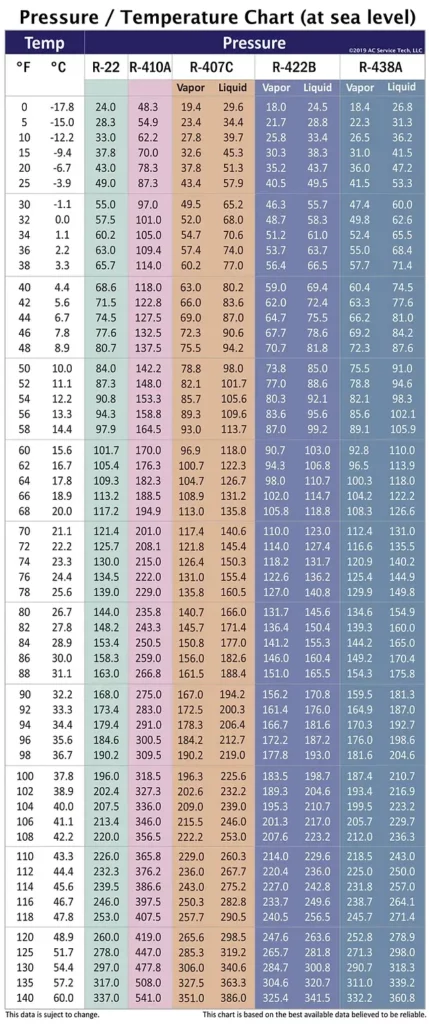
If your air conditioner is blowing warm air, it’s important to know what the temperature should be so you can determine whether or not there is a problem.
Here is a quick guide to help you understand what the temperature should be at different settings on your AC unit.
On a cool day, the temperature inside your home should be about 20 degrees Celsius.
If you have the AC set to low, the temperature will be about 18 degrees. If you have it set to medium, the temperature will be about 16 degrees. And if you have the AC set to high, the temperature will be about 14 degrees.
On a warm day, the temperature inside your home should be about 26 degrees Celsius. If you have the AC set to low, the temperature will be about 24 degrees. If you have it set to medium, the temperature will be about 22 degrees.
And if you have the AC set to high, the temperature will be about 20 degrees.
If your AC unit is set to auto, the temperature will adjust automatically based on the outside temperature.
Now that you know what the temperature should be at different settings, you can troubleshoot if your AC unit is blowing warm air. If the temperature is not what it should be, there could be a problem with the unit itself or with the thermostat.
Window ac temperature setting
If your window air conditioner isn’t cooling your home properly, the first thing you should check is the temperature setting. It’s common for people to mistakenly leave their window AC unit on the “heat” setting, which obviously won’t do anything to cool down your home. The optimal temperature setting for a window air conditioner is usually between 24 and 27 degrees Celsius.
Anything lower than that and your AC unit will have to work overtime to cool your home, which will end up costing you more money in the long run.
And if the temperature is set too high, your AC unit won’t be able to keep up and your home will end up feeling uncomfortably warm. If you’re not sure what the ideal temperature setting is for your window AC unit, it’s best to consult the owner’s manual.
Every AC unit is different, so it’s important to find the specific setting that will work best for you. If you’re still having trouble cooling your home, there are a few other things you can check. Make sure that all the vents in your home are open and that there’s nothing blocking them.
Also, take a look at the air filter and make sure it’s clean. A dirty air filter can restrict airflow and make it harder for your AC unit to do its job.
What temperature to set air conditioner when away?
When you’re away from home, it’s important to know how to set your air conditioner to save energy and money. The U.S. Department of Energy recommends setting your air conditioner to 78 degrees Fahrenheit when you’re away.
This will help you save money on your energy bill and keep your home cool and comfortable when you return.
There are a few things to keep in mind when setting your air conditioner to 78 degrees.
First, make sure that your home is well-insulated to prevent heat from coming in.
Second, open all the doors and windows in your home to circulate the air and keep the temperature even.
Finally, set your air conditioner to run for a shorter period of time to avoid over-cooling your home.
By following these tips, you can save money and energy without sacrificing comfort. So next time you’re leaving for vacation, be sure to set your air conditioner to 78 degrees!

Is 72 a good temperature for air conditioning?
In general, 72 degrees is a pretty standard temperature for air conditioning. It’s not too cold and not too hot.
First, If you live in a hot, humid climate, then 72 degrees is probably not going to be enough to keep you cool.
The second factor is your personal preference. Some people like their air conditioning to be very cold, while others find 72 degrees to be comfortable.
The third factor is the size of your home. If you have a large home, you may need to set the temperature lower to make sure the entire house is cool.
However, if you live in a very hot climate or if you prefer your air conditioning to be colder, you may want to set the temperature lower.
What temperature should I set my ac at night?
Finding the ideal temperature for your AC at night is crucial for a comfortable and restful sleep. While personal preferences may vary, experts generally recommend setting your AC between 65 and 72 degrees Fahrenheit (18-22 degrees Celsius) during the nighttime hours.
This temperature range allows for a cool and soothing environment that promotes better sleep quality. However, it’s important to consider factors such as the climate you live in and any specific health conditions you may have.
Additionally, adjusting the temperature slightly according to your individual comfort level can help create an optimal sleep environment tailored to your needs. Experimenting with different settings and finding the right balance will ensure you wake up refreshed and ready to take on the day.
Is 74 a good temperature for air conditioning?
Most people believe that 74 degrees is the ideal temperature for air conditioning. However, this may not be the case for everyone. Some people may prefer a temperature that is a few degrees cooler or warmer.
Ultimately, the best temperature for air conditioning is the temperature that makes you the most comfortable.
Most comfortable ac temperature
Determining the most comfortable temperature for air conditioning in any given space can be challenging. However, there are certain guidelines that can be followed to achieve optimal comfort. The ideal temperature for most people is between 72 and 78 degrees Fahrenheit. In addition, humidity plays a significant role in perceived comfort.
Ideally, relative humidity should be kept between 30 and 60 percent. It is also essential to consider individual preferences and environmental conditions when setting the air conditioning temperature.
Regular maintenance and cleaning of the air conditioning system can ensure optimal efficiency and performance, leading to a more comfortable living or working environment.
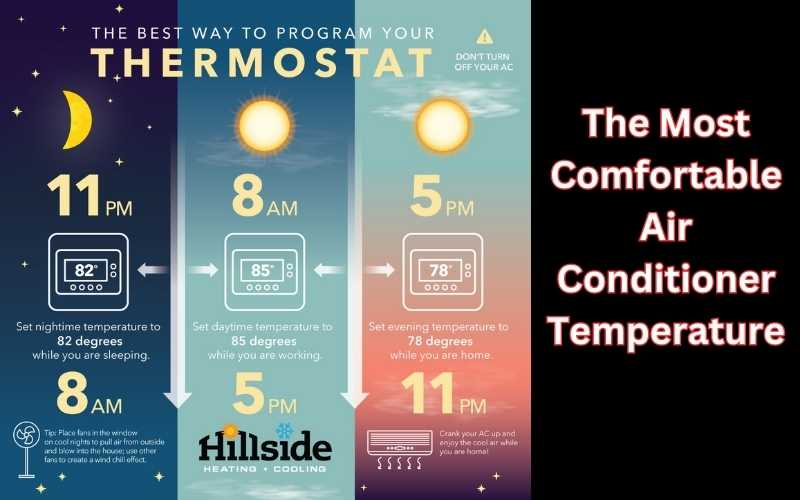
What is normal AC temp for House?
The standard temperature for a home air conditioner is set by the Air Conditioning Contractors of America (ACCA) at 78 degrees Fahrenheit. This temperature is set as the default because it is comfortable for most people and uses the least amount of energy to maintain. That said, your AC temp for house can be set to any temperature that you find comfortable.
FAQs For What Temperature Should I Have My Air Conditioner On
What temperature should I set my ac at night?
The best temperature to set your air conditioner at night is between 60 and 70 degrees Fahrenheit. This will help you to stay cool and comfortable throughout the night.
Will ac reduce body temperature?
Yes, AC can help to reduce body temperature. It does this by circulating the air and providing a cool, dry environment.
What is the air conditioner’s minimum outside temperature?
Most air conditioners have a minimum outside temperature of 60 degrees Fahrenheit. This is because the air conditioner needs to be able to properly and efficiently cool the air inside the home.
If the outside temperature is too low, the air conditioner will not be able to properly cool the air inside the home, which can result in the home becoming too hot.
What is the air conditioner’s operating temperature?
Most air conditioners have a set operating temperature that they will automatically shut off. This is usually between 80-85 degrees Fahrenheit.
Conclusion
If you’re wondering what temperature you should set your air conditioner at, there are a few things to keep in mind.
First, the ideal temperature for sleeping is between 60 and 67 degrees Fahrenheit.
Second, you’ll want to take into account the humidity levels in your home. If it’s particularly humid, you may want to set the temperature a few degrees lower.
Finally, keep in mind that the temperature you set your AC at can also affect your energy bill. If you want to save money, try setting the temperature a few degrees higher than you normally would.

To the smartacsolutions.com administrator, Your posts are always thought-provoking and inspiring.