Water condensation is a common by-product of air conditioning. When humid air comes into contact with the cold evaporator coils inside your AC unit, it condenses and forms water droplets. While a small amount of water condensation is normal, too much water dripping from your AC unit can be a sign of a serious problem.
If you notice water dripping from your air conditioner, it’s important to have a professional AC technician take a look at your unit to diagnose the problem.
If your air conditioner is blowing out water, it’s likely because it’s not draining properly. This can be caused by a clogged drain line, a problem with the evaporator coil, or a leak in the unit. If you notice water around your air conditioner, it’s important to have it checked out by a professional to avoid any further damage.
How do I stop my air conditioner from spitting up water?
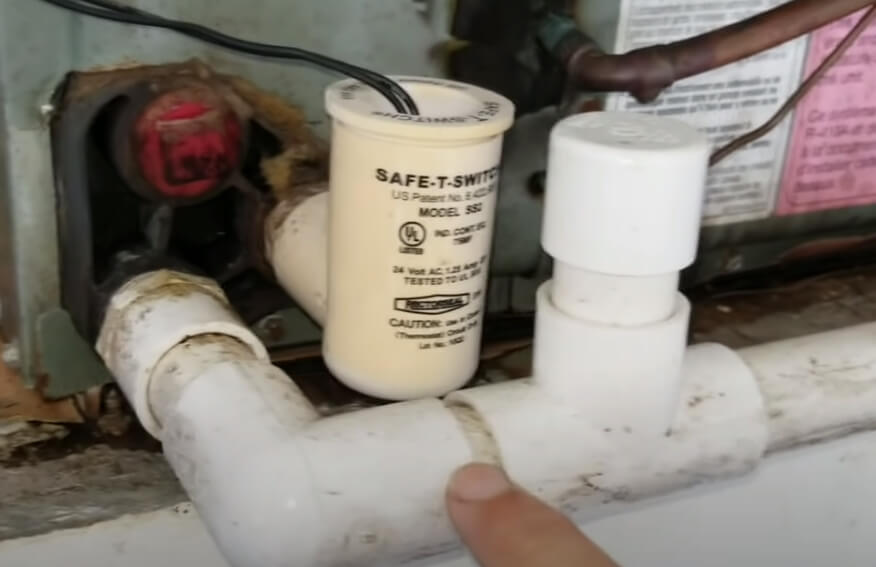
If your air conditioner is spitting up water, there are a few things you can do to stop it.
First, check to see if the unit is properly maintained and that the drain line is clear. If the unit is not properly maintained, it can cause the condensate pan to overflow and the water to be forced out of the unit.
Next, check the humidity levels in your home. If the humidity is too high, it can cause the unit to produce more condensate than usual. You can use a humidifier to lower the humidity levels in your home.
Finally, make sure that the air filter is clean. A dirty air filter can restrict air flow and cause the unit to produce more condensate.
If you follow these steps and your air conditioner is still spitting up water, you may need to call a professional to have the unit serviced.
Why would an air conditioner spit out water?
If your air conditioner is spitting out water, it could be due to a number of different reasons. First, it could be that the unit is not properly draining the condensate water, which can cause water to build up and eventually spill out. Alternatively, the problem could be with the evaporator coils, which can freeze up and cause water to drip down and out of the unit.
Finally, it’s possible that your air conditioner is simply overworked and needs to be cleaned or serviced. If you’re not sure what the problem is, it’s best to call a professional to take a look.
What do I do when water is coming out of my AC?
If you notice water coming out of your AC, it’s important to take action right away. Depending on the cause, water leaking from your AC could indicate a serious problem that needs to be addressed by a professional. One common cause of water leaking from an AC is condensation.
When warm air hits the cold coils inside your AC unit, it can cause condensation to form. This is perfectly normal and is not cause for alarm. However, if there is a lot of water leaking from your AC, it could be a sign that your unit is not draining properly.
This can be a serious problem that needs to be fixed by a professional. Another possible cause of water leaking from your AC is a refrigerant leak. Refrigerant is what helps your AC unit cool the air.
If there is a leak, it can cause water to drip from your AC. This is a serious problem that needs to be fixed immediately by a professional. If you notice water leaking from your AC, the best thing to do is turn off the unit and call a professional for help.
Trying to fix the problem yourself could make it worse.
How to Unclog AC Drain Line Fast (3 Seconds), Avoid Repairman
Why is my window ac spitting out water inside
If your window air conditioner is spitting out water inside your home, there are a few potential causes. First, check to make sure that the unit is properly installed and that the drainage hole is not blocked. If the unit is installed correctly and the drainage hole is clear, the next most likely cause is that the unit is not level.
When an air conditioner is not level, the water can build up in the unit and eventually start to drip out. You can try to level the unit yourself or call a professional to do it for you. Finally, if the unit is level and the drainage hole is clear, the problem could be with the unit itself.
In this case, you will need to call a professional for help.
Air conditioner spitting water and making noise
If your air conditioner is spitting water and making noise, it may be time to have it serviced. Water spitting from an air conditioner can be caused by a variety of issues, including a dirty condenser, low refrigerant levels, or a clogged drain line. If your air conditioner is low on refrigerant, it may need to be recharged.
A dirty condenser can be cleaned with a brush or hose. If your air conditioner’s drain line is clogged, you may need to clear it with a plunger or snake. If your air conditioner is still spitting water and making noise after you’ve tried these simple troubleshooting tips, it’s best to call a professional for help.
Window ac blowing water out of vent
If your window air conditioner is blowing water out of the vent, there are a few possible explanations. First, it could be that the unit is simply condensing water vapor from the air. This is perfectly normal and nothing to worry about.
However, if there is a lot of water coming out of the vent, it could be a sign that the unit is not draining properly. This could be due to a clogged drain line or a problem with the pump that drains the water from the unit. If this is the case, you’ll need to have the unit serviced by a professional.
Finally, if your unit is blowing water out of the vent and it’s not due to condensation or a clogged drain, it could be a sign of a refrigerant leak. This is a serious problem that should be addressed by a professional as soon as possible.
Why is my window air conditioner blowing water?
If you’ve ever had water drip from your window air conditioner, you may have wondered why it’s happening. In most cases, it’s nothing to worry about and is simply the result of condensation. When humid air hits the cold coils of your air conditioner, it condenses and forms water droplets.
This is perfectly normal and is nothing to be concerned about. However, if you notice that a lot of water is dripping from your AC unit, it could be a sign that it is not draining properly. If this is the case, you’ll want to contact a professional AC repairman to take a look at it.
In the meantime, there are a few things you can do to minimize the amount of water that drips from your AC unit. First, make sure that the area around your AC unit is clear of debris. This allows the unit to drain properly.
You can also try raising the temperature on your thermostat. This will cause the unit to run less often, which will also help to reduce the amount of condensation that forms. If you have any concerns about your AC unit, be sure to contact a professional for help.
Why is my portable air conditioner blowing out water?
If you have a portable air conditioner, you may have noticed that it sometimes blows water out of the unit. This is perfectly normal and is actually a sign that your air conditioner is working properly. The water that is expelled from the unit is actually condensation that has collected on the evaporator coils.
When the coils get too cold, the water condenses and drips off into a pan below. The pan is then drained out through a hose. Sometimes, the pan can fill up too quickly and the water will start to overflow.
That’s when you’ll see water coming out of the unit. If this happens, simply turn off the unit and empty the pan.
So, if you see water coming out of your portable air conditioner, don’t be alarmed. It’s just a sign that your unit is working properly.
Conclusion
If your air conditioner is blowing out water, there are a few possible explanations. The most common reason is that the unit is simply condensing water from the air. This is perfectly normal and nothing to worry about.
However, if there is a lot of water, it could be a sign that the unit is not draining properly and you should have it checked by a professional. Another possibility is that the unit is low on refrigerant, which can cause it to blow out water. Again, this is something that should be checked by a professional.
