The air conditioner temperature sensor is located on the evaporator coil. The sensor is mounted on the coil and measures the temperature of the air. The sensor is connected to the air conditioner control panel and sends a signal to the panel when the air temperature reaches a certain point.
The panel then turns on the air conditioner to cool the air.
If you’re having trouble with your AC temperature sensor, there are a few things you can check. First, make sure that the sensor is securely connected to the AC unit. If it’s loose, it may not be reading the temperature correctly.
Also, check the wiring to the sensor to make sure there are no loose connections. If everything looks good, then the problem may be with the sensor itself and you’ll need to replace it.
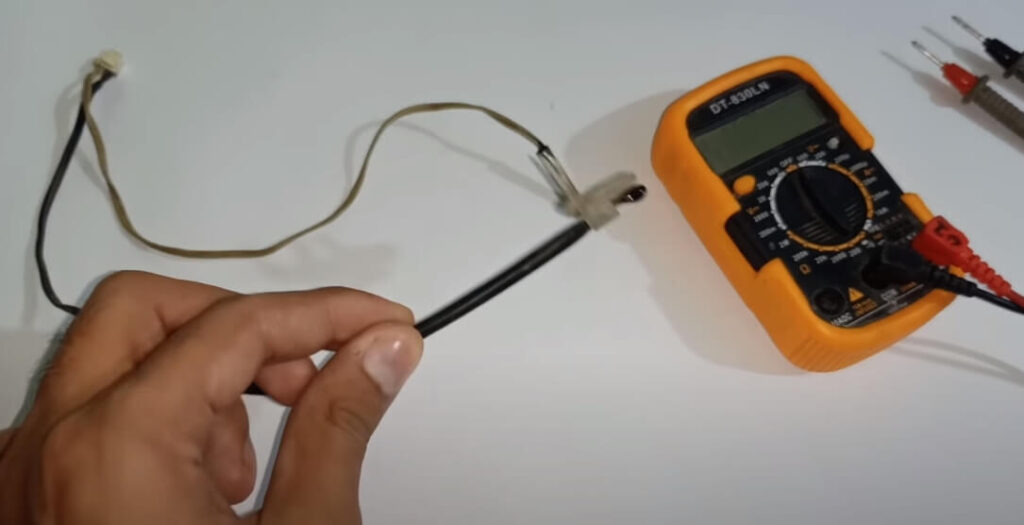
How to check ac temperature sensor?
If your car’s air conditioner isn’t blowing cold air, one possible culprit is a failed temperature sensor. Fortunately, this is a relatively easy problem to check and fix yourself. To check your car’s temperature sensor, first make sure that the air conditioner is turned on and set to the coldest setting.
Then, open the hood and locate the sensor. It will be a small metal probe that is attached to the cooling system. With the engine off, use a multimeter to check for continuity between the sensor’s two terminals.
If there is no continuity, then the sensor is likely the problem and will need to be replaced. If the sensor does have continuity, then the problem is likely with the air conditioner itself and will need to be diagnosed by a professional.
Ac temperature sensor not working
If your AC temperature sensor isn’t working, there are a few things you can do to try to fix the problem. First, check to make sure that the sensor is properly connected to the AC unit. Next, check for any debris or dirt that may be blocking the sensor.
If the sensor is still not working, you may need to replace it.
Where is the ac sensor located?
On most cars, the AC sensor is located on the dash near the vents. It may be on the passenger side or the driver side. There may also be a button to turn on the AC.
Split ac temperature sensor
If you have a split air conditioner, there’s a good chance that it has a temperature sensor. This sensor is responsible for monitoring the temperature inside the air conditioner and sending that information back to the controller.
If the temperature sensor isn’t working properly, it can cause the air conditioner to run less efficiently and even lead to damage.
The first thing you’ll want to do if you think your split air conditioner’s temperature sensor isn’t working properly is to check the wiring. Make sure all of the connections are tight and there are no loose wires. If everything looks good there, the next step is to check the sensor itself.
If the sensor is damaged, it will need to be replaced. You can usually find replacement sensors online or at your local hardware store. Once you have the new sensor, simply install it in the same place as the old one and connect the wires.
If you’re still having trouble, it’s possible that the problem is with the controller. If that’s the case, you’ll need to take it to a professional for repairs.
In most cases, a malfunctioning temperature sensor is a relatively easy and inexpensive problem to fix. However, if it’s not fixed, it can cause serious problems for your air conditioner.
So, if you think your sensor might be on the fritz, don’t hesitate to troubleshoot it and get it replaced if necessary.
Split ac temperature sensor price
If you’re looking for a split ac temperature sensor, you can expect to pay anywhere from $15 to $30. That said, the price can vary depending on the brand, model, and features. For example, some sensors come with a built-in display, while others don’t.
Window ac thermostat sensor
If your window air conditioner isn’t cooling properly, one possible reason is that the thermostat sensor isn’t working correctly. This sensor is located behind the control panel of the AC unit and is responsible for detecting the temperature inside the room. If it isn’t working properly, it can cause the AC unit to cycle on and off too frequently or not turn on at all.
There are a few things you can do to test whether the thermostat sensor is working properly. First, try moving it to a different location in the room. If the AC unit starts working properly, then you know the sensor just needed to be in a different spot.
Ac sensor not working
If your AC sensor isn’t working, there are a few things you can do to troubleshoot the issue. First, check to see if the sensor is dirty or obstructed. If so, clean or remove the obstruction.
Next, check the AC sensor’s wiring to see if there are any loose connections. If so, tighten or reconnect the wires. Finally, check the AC sensor itself to see if it’s damaged.
If so, you’ll need to replace the sensor.
Thermostat temperature sensor not working
If your thermostat’s temperature sensor isn’t working, it can cause your thermostat to give inaccurate readings. This can lead to your home being too hot or too cold, and can be very uncomfortable. Here are some things you can do to troubleshoot the problem:
First, check to make sure that the batteries in your thermostat are fresh. If they are old, they may not be providing enough power to the sensor.
Next, check the sensor itself for any dirt or debris that could be interfering with its ability to accurately read the temperature.
If you see anything, carefully clean it off. If those two things don’t solve the problem, you may need to replace the sensor. This is usually a pretty easy fix – just follow the instructions in your thermostat’s manual.
Where is the temperature sensor for my air conditioner?
There are a few different places that the temperature sensor for an air conditioner can be located. The most common place is in the evaporator coil, which is where the cold air is produced. Other places it can be located are in the condenser coil, the outdoor air sensor, or the return air sensor.
If you are unsure of where your air conditioner’s temperature sensor is located, you can always consult your air conditioner’s manual or contact a professional for assistance.
How do I know if my AC temperature sensor is bad?
If your AC temperature sensor is bad, there are a few things you can look for to be sure.
First, check the reading on the sensor itself. If it is reading higher or lower than the actual temperature, then it is probably bad.
You can also check the readings on the thermostat. If they do not match, then the sensor is likely bad.
Finally, you can check the compressor. If the compressor is not running when it should be, or is running when it should not be, then the sensor is probably bad.
Conclusion
If your AC isn’t blowing cold air, there’s a chance that the temperature sensor is to blame. This sensor is responsible for telling the AC unit when to turn on and off, so if it’s not working correctly, your AC unit won’t work properly either.
The good news is that this is an easy problem to fix – most likely, the sensor just needs to be cleaned.
