
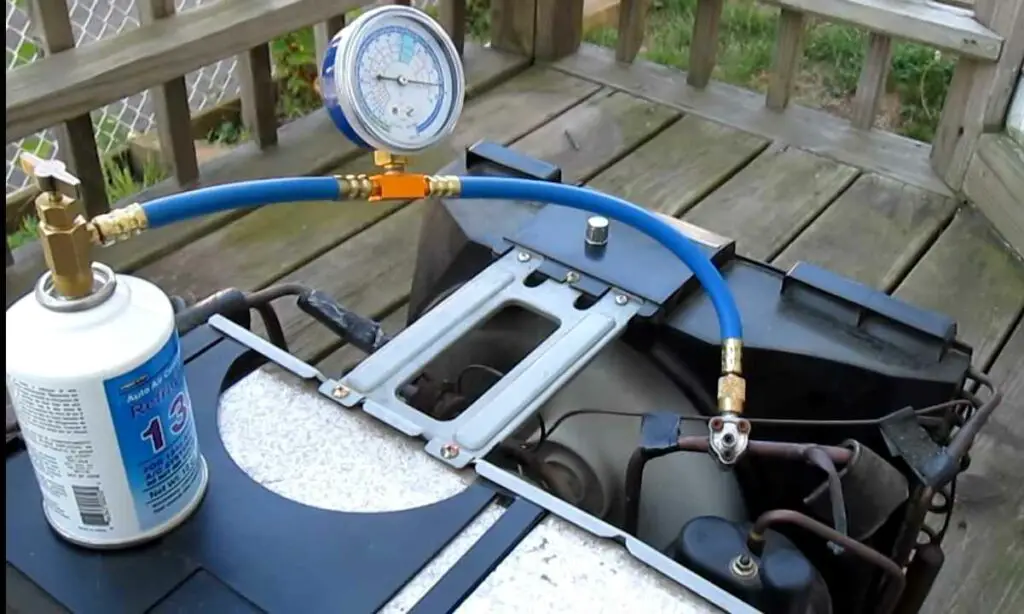
No, you should not add Freon to a window air conditioner yourself. Modern window AC units use R-410A refrigerant, a more efficient and environmentally sound alternative to the older R-22 (Freon). Mixing refrigerants or adding Freon to a unit designed for R-410A will damage the compressor and void your warranty. More importantly, it’s illegal to handle refrigerant without EPA Section 608 certification. If your unit is losing cooling capacity, a licensed HVAC technician must perform the service.
Why You Cannot DIY Freon Refills
Refrigerant handling is tightly regulated in the United States. The Environmental Protection Agency (EPA) requires anyone working with refrigerants—including topping off an AC unit—to hold a valid EPA Section 608 certification. This isn’t a guideline; it’s federal law. Violating it can result in significant fines.
Beyond the legal issue, there are serious safety and technical reasons. Window AC units are sealed systems designed to maintain precise refrigerant charge. Adding refrigerant without proper diagnostic equipment can cause the compressor to overheat and fail. Modern units also use oil-based refrigerants that require specific oil types; mixing the wrong oil with a new refrigerant can permanently damage internal components. Finally, if your AC is leaking refrigerant, simply refilling it addresses the symptom, not the root cause—the leak will persist and waste your money.
How to Know Your Window AC Needs Refrigerant
A refrigerant leak is one of the most common reasons a window air conditioner loses cooling power. Watch for these warning signs:
- Weak or warm airflow: If the unit blows air but it’s noticeably warmer than it should be, refrigerant level is likely low.
- Ice buildup on the coils: A frozen evaporator coil is a classic indicator of low refrigerant. Ice forms because the pressure drop causes the coil temperature to plummet below freezing.
- Hissing or bubbling sounds: These noises suggest refrigerant escaping through a small leak or boiling inside the lines due to low charge.
- Unit runs constantly but doesn’t cool: The compressor works harder to cool with insufficient refrigerant, running without pause but failing to reach your desired temperature.
Refrigerant Types: R-22 vs. R-410A and Others
Modern window air conditioners use one of several refrigerant types, and it’s critical to know which one yours requires before any service.
Mixing these refrigerants is extremely dangerous. Each one has different pressure characteristics and oil compatibility. A technician will check your unit’s nameplate to confirm the correct refrigerant type before performing any work.
What Does a Professional Refrigerant Recharge Cost?
The cost of recharging or refilling a window air conditioner depends on the unit’s size, the refrigerant type, and your location. Here’s what you can generally expect:

R-410A recharge (standard modern units): $200–$400 for a typical residential window unit. Larger units or multiple charges may cost more.
R-22 recharge (older units): $150–$300 for a small unit, but can exceed $400 for larger systems because R-22 is becoming scarce and expensive.
Additional considerations: If a leak is found and repaired, the service cost will be higher. Many technicians charge a diagnostic fee ($75–$150) to locate the leak before refilling. In some cases, if the leak is significant or the unit is old, replacement may be more cost-effective than repair.
When to Call a Professional vs. When to Replace
If your window air conditioner is losing refrigerant, here’s how to decide whether to repair or replace it:
Repair makes sense if: Your unit is less than 10 years old, the leak is small and repairable, and the compressor is still functioning. A recharge with leak repair typically costs $300–$600, which is worthwhile for a mid-lifespan unit.
Replacement makes sense if: Your unit is older than 10 years, the leak is large or difficult to locate, or the compressor has failed. A new window AC costs $150–$400 and comes with a warranty. Over time, repair bills for an aging unit add up.
How Professionals Recharge a Window Air Conditioner
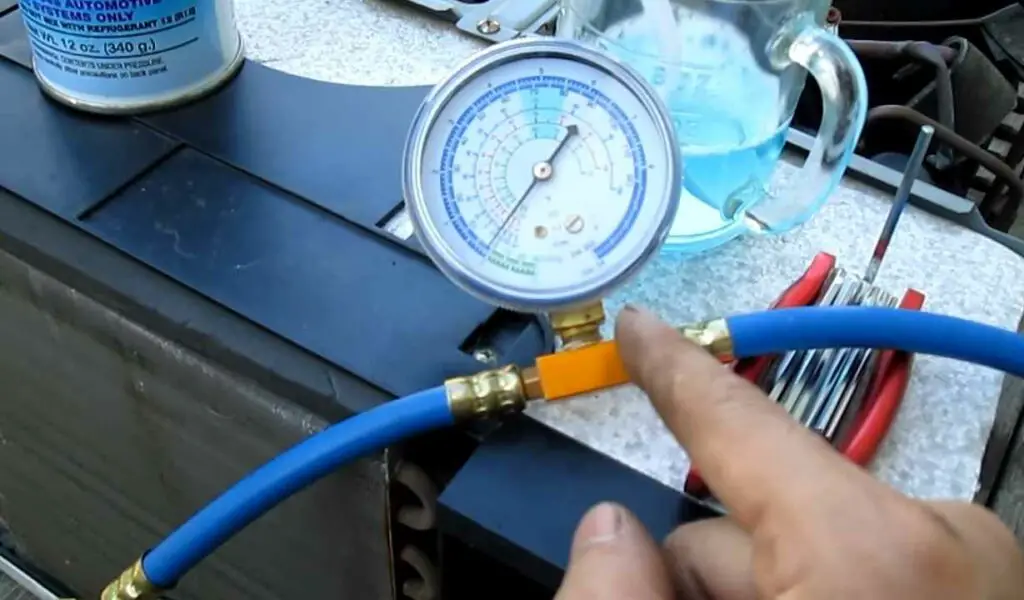
When you call an HVAC technician, here’s what the recharge process looks like:
The entire process typically takes 1–2 hours, depending on whether a leak is found and how difficult it is to repair.
Frequently Asked Questions
Can I Add Refrigerant to My Window Air Conditioner Myself?
No. Federal law requires EPA Section 608 certification to handle refrigerants. Without certification, you face fines up to $37,500. Additionally, modern window ACs have sealed systems designed for precise refrigerant charge; DIY refilling risks damaging the compressor, voiding the warranty, and wasting money on a temporary fix if there’s an underlying leak.
What Happens If I Add the Wrong Type of Refrigerant?
Mixing refrigerant types causes compressor failure. Each refrigerant (R-410A, R-22, R-407C, R-134A) has different pressure and temperature characteristics. Adding the wrong type will cause the oil to separate, the compressor to overheat, and internal seals to fail. The unit will stop cooling and may require complete replacement.
How Long Does a Window AC Refrigerant Charge Last?
If your AC is not leaking, the refrigerant should last the lifetime of the unit—typically 10–15 years or longer. A properly sealed system loses only trace amounts over years. If you need a recharge within a few years of the last one, there’s almost certainly a leak that needs to be found and fixed, not just topped off.
Is It Worth Fixing a Refrigerant Leak in a 12-Year-Old Window AC?
It depends on the repair cost and the unit’s condition. If the leak is small and easily repaired (under $150), a recharge may extend the unit’s life another 2–3 years. If the leak is large, located in the coil, or the unit has other issues (rust, noise, poor airflow), replacement is usually the better choice. A new window AC is affordable and comes with a warranty, whereas repair costs mount on aging units.
How To Recharge a Window Air Conditioner ⚡ | HVAC Training 101

Author: Ralph P. Sita
Ralph P. Sita is a seasoned professional with deep roots in both the HVAC and tech industries. His family’s business, Ralph P. Sita, Inc., is a locally owned and operated HVAC contractor with over 42 years of experience, serving the DC, Maryland, and Virginia areas. The company specializes in residential, commercial, and industrial heating, ventilation, and air conditioning services, offering everything from installation and maintenance to custom ductwork and indoor air quality solutions -www.ralphpsita.com. A former CPA, he spent the last decade as co-founder and co-CEO at Cybrary, a leading platform for cybersecurity and IT training. Cybrary became the largest, most well-known cybersecurity training businesses in the industry under his leadership. Smart AC Solutions is an opportunity to give back to the HVAC community by providing reliable, actionable information on all things heating and cooling.