Skip to content
Smart AC Solutions
  • CategoriesExpand
    • AC Troubleshooting
    • Air ConditionerExpand
      • Portable Air Conditioners
      • Room Air Conditioners
      • Split System Air Conditioners
      • Window Air Conditioners
      • Reviews & Prices
    • Thermostat Solutions
    • Calculator
  • Directory
  • Request HVAC Service
  • Join Our Pro NetworkExpand
    • HVAC BusinessesExpand
      • Residential
      • Commercial
      • Emergency Services
    • Add Business
  • Register
  • Login
  • Forgot Password?
Smart AC Solutions
Air Conditioner

Can You Use AC During Wildfires? Yes—With Precautions

ByRalph P. Sita Updated onJune 29, 2026


Yes, you can operate your air conditioner when smoke from wildfires or other sources is present outdoors, but you must take specific precautions to prevent harmful particles from entering your home. The key is switching your AC to recirculation mode (if available), checking your filter frequently, and monitoring air quality reports. In severe smoke conditions, it’s safer to close windows, seal outdoor air intakes, and run your AC in recirculation mode rather than drawing in fresh air. This guide explains how to safely use AC during smoky conditions and what settings work best.

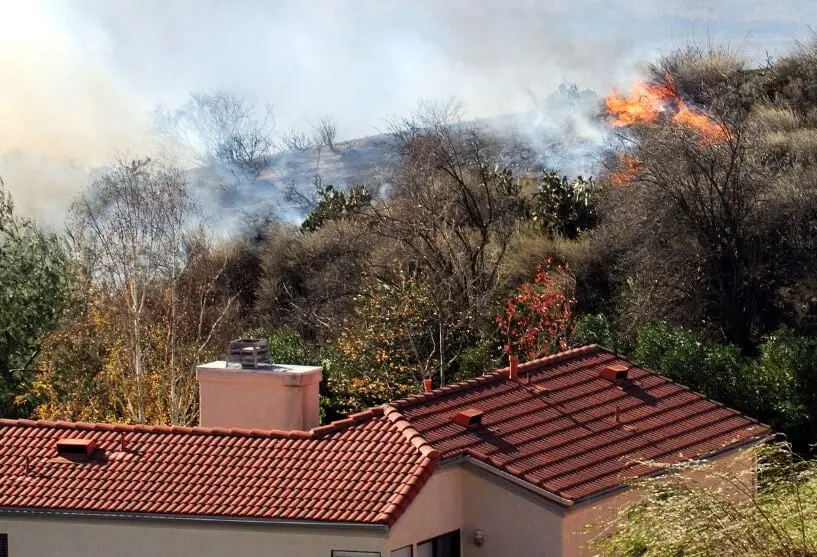
Can You Use Your Air Conditioner When Smoky Outside

Page Contents

Toggle
  • Understanding How AC Handles Smoke
  • Can You Use AC During Wildfires?
  • Does Smoke Damage Air Conditioning Systems?
  • Can Fire Smoke Come Through an Air Conditioner?
  • Best Practices for Window AC Units During Smoke
  • Running Central AC With Smoke Outside
  • Air Quality Monitoring and Thresholds
  • Frequently Asked Questions
  • Smoke and Air Conditioning Safety
  • Summary Safe AC Use During Wildfires
    • Related Articles

Understanding How AC Handles Smoke

Most home air conditioning systems use one of two air intake methods. A traditional split-system AC draws some outside air into the ductwork (called the “fresh air” or “outside air” setting on a thermostat), which can allow smoke and fine particulates to enter your home even if filters are clean. The alternative is recirculation mode, where your AC pulls air only from inside the home, cools it, and returns it—never drawing from outside. Smoke particles are extremely fine (PM2.5 and smaller) and can pass through standard furnace filters if the intake is pulling outdoor air. Upgrading to a high-efficiency MERV-13 filter or higher helps, but mode selection is your first defense.

Can You Use AC During Wildfires?

Can You Use Ac During Wildfires?

Yes, you can use AC during a wildfire, but follow these steps carefully. First, switch your thermostat to recirculation mode or “inside air” if your unit has this option. This prevents the system from pulling smoky outdoor air into your home. Second, seal gaps around your outdoor AC unit and any windows or doors you’re not actively using. Even small openings allow smoke to infiltrate. Third, change your AC filter immediately if it hasn’t been changed recently, and plan to check it every 2-3 days during heavy smoke—clogged filters force your system to work harder and reduce cooling efficiency. Finally, monitor local Air Quality Index (AQI) reports. If AQI exceeds 200 (very unhealthy), remain indoors with your AC on recirculation and avoid outdoor activities entirely. In extreme conditions, portable HEPA air purifiers can supplement your AC system.

Keep in mind that evacuation orders always take priority. Using AC safely is secondary to leaving a dangerous area immediately if fire threatens your location.

Does Smoke Damage Air Conditioning Systems?

Does Smoke Affect Air Conditioners

Yes, smoke can damage air conditioning systems over time. When smoke particles infiltrate the outdoor condenser unit (the metal box outside), they coat the fins and internal components. This buildup restricts airflow, reduces efficiency, and forces the compressor to work harder, consuming more electricity and generating heat that can shorten component lifespan. Smoke also contains acidic compounds that can corrode copper tubing and electrical connections, leading to refrigerant leaks and electrical failures. If you’ve been in a smoky area for several days or weeks, have your AC system professionally inspected and cleaned after wildfire season ends. A technician can flush coils and check for any corrosion or damage that could cause future problems.

Can Fire Smoke Come Through an Air Conditioner?

Yes, fire smoke can come through an air conditioner if it’s set to pull fresh outside air. This is why thermostat mode matters critically during wildfires. In “fresh air” or “outside air” mode, your AC deliberately draws outdoor air indoors before cooling and distributing it throughout your home. If smoke is present, this means smoke-laden air enters your system. Even with a filter in place, particles can slip past standard filters or accumulate on the filter itself, restricting airflow. The answer is to switch to recirculation mode, which isolates your home from outdoor smoke entirely by only cycling indoor air. Window units and portable AC systems are slightly different—they pull air from the room and exhaust it outside, so they don’t introduce outdoor smoke as readily as central systems with fresh air intakes, but they can still allow smoke infiltration through gaps around the unit.

Best Practices for Window AC Units During Smoke

Window air conditioners are safer during smoke events than central systems because they recirculate indoor air by default. However, smoke can still seep around the edges of a poorly sealed unit. Here’s what to do:

Can You Use Window Ac When It's Smoky Outside?

1. Check the filter regularly. Even window units have filters that can clog with smoke particles. Check and replace every 2-3 days during heavy smoke.

2. Seal gaps around the unit. Use weatherstripping or foam tape to close any gaps between the window frame and the AC unit. This prevents outside air from leaking around the edges.

3. Keep windows closed. Don’t open nearby windows while the AC is running, as this allows outside air to enter even as the unit cools.

4. Run on higher cooling settings. A window unit running continuously at a comfortable temperature helps maintain slight positive indoor air pressure, which reduces smoke infiltration from cracks and gaps.

Running Central AC With Smoke Outside

Central air systems require more care during smoke events because they can actively pull outdoor air into your home. If your system has an adjustable outside air damper or fresh air control on the thermostat:

Switch to recirculation mode immediately. Look for a setting on your thermostat labeled “recirculate,” “inside air,” or “recirc.” This stops the system from pulling outdoor air. If your thermostat lacks this setting, ask your HVAC technician to close the outdoor air damper or disconnect the outside air intake temporarily.

Upgrade your filter. Replace your standard furnace filter (typically MERV-8) with a MERV-13 or higher-rated filter. MERV-13 filters capture smoke particles more effectively, though they do restrict airflow slightly, so ensure your system has adequate capacity.

Seal the outdoor unit. Place a temporary plastic barrier or cardboard around your outdoor condenser to reduce smoke intake, but leave the bottom 12 inches open for airflow. Never completely seal the unit or it will overheat.

Avoid cracking windows. Keep all windows and doors closed during heavy smoke. Each opening allows smoke to infiltrate faster than your AC can filter it out.

Air Quality Monitoring and Thresholds

The Air Quality Index (AQI) tells you how safe it is to rely on AC alone:

AQI 0-50 (Good): Air is acceptable. Use AC normally.

AQI 51-100 (Moderate): Sensitive groups (children, elderly, those with asthma) should limit outdoor time. Switch AC to recirculation mode as a precaution.

AQI 101-150 (Unhealthy for Sensitive Groups): Use recirculation mode and upgrade to MERV-13 filters. Avoid outdoor activities.

AQI 151-200 (Unhealthy): Everyone should stay indoors. Run AC in recirculation mode continuously. Supplement with portable HEPA air purifiers if possible.

AQI 201+ (Very Unhealthy/Hazardous): Remain indoors. If air quality remains dangerous for hours, consider evacuating to a cleaner area or entering a community clean-air shelter.

Frequently Asked Questions

Will my AC filter protect me from smoke? Standard MERV-8 filters catch larger particles but allow smoke (PM2.5) to pass through. Upgrade to MERV-13 or better for improved protection, but filtration is only effective if your AC is not pulling fresh outdoor air. Recirculation mode is your primary defense.

Can I run AC with windows open during smoke? No. Opening windows allows smoke to infiltrate faster than your AC can remove it. Keep all windows and doors closed during smoke events.

Should I turn off my AC during smoke? No. Turning off AC leaves you with no cooling or air filtration. Instead, switch to recirculation mode and run it continuously to maintain indoor air quality.

How often should I change my AC filter during wildfires? Check your filter every 2-3 days during heavy smoke. If visibly dirty or clogged, replace immediately. A clogged filter reduces cooling efficiency and defeats your AC’s protective function.

Smoke and Air Conditioning Safety

Summary: Safe AC Use During Wildfires

You can safely use your AC during wildfires by following four key steps: switch to recirculation mode to prevent outdoor air intake, upgrade to MERV-13 filters and check them frequently, keep all windows and doors closed, and monitor air quality reports to know when conditions are too severe. Window units are inherently safer than central systems during smoke events. If AQI exceeds 150, supplement AC with a portable HEPA air purifier. Always prioritize evacuation orders over any protective measures—no amount of AC operation is worth staying in a dangerous fire zone. After wildfire season, have your outdoor condenser unit cleaned professionally to remove smoke residue that could damage components.

5/5 - (1 vote)
Ralph P. Sita
Author: Ralph P. Sita

Ralph P. Sita is a seasoned professional with deep roots in both the HVAC and tech industries. His family’s business, Ralph P. Sita, Inc., is a locally owned and operated HVAC contractor with over 42 years of experience, serving the DC, Maryland, and Virginia areas. The company specializes in residential, commercial, and industrial heating, ventilation, and air conditioning services, offering everything from installation and maintenance to custom ductwork and indoor air quality solutions -www.ralphpsita.com. A former CPA, he spent the last decade as co-founder and co-CEO at Cybrary, a leading platform for cybersecurity and IT training. Cybrary became the largest, most well-known cybersecurity training businesses in the industry under his leadership. Smart AC Solutions is an opportunity to give back to the HVAC community by providing reliable, actionable information on all things heating and cooling.

Related Articles:

  1. Can I Run My RV AC on 30 Amp? Yes, Here’s How
  2. Can Alexa Control My Air Conditioner? Yes, Here’s How
  3. Are Air Conditioners Cheaper in the Winter? Yes
  4. Compression Fittings on AC Lines: Yes, With Proper Technique
Ralph P. Sita

Ralph P. Sita is a seasoned professional with deep roots in both the HVAC and tech industries. His family’s business, Ralph P. Sita, Inc., is a locally owned and operated HVAC contractor with over 42 years of experience, serving the DC, Maryland, and Virginia areas. The company specializes in residential, commercial, and industrial heating, ventilation, and air conditioning services, offering everything from installation and maintenance to custom ductwork and indoor air quality solutions -www.ralphpsita.com.

A former CPA, he spent the last decade as co-founder and co-CEO at Cybrary, a leading platform for cybersecurity and IT training. Cybrary became the largest, most well-known cybersecurity training businesses in the industry under his leadership.

Smart AC Solutions is an opportunity to give back to the HVAC community by providing reliable, actionable information on all things heating and cooling.

Linkedin

Try our new Smart AC Solutions GPT

Description of Smart AC Solutions GPT and link to access.

  • Mastering Whole-Home Ventilation Rate Calculations: A Guide to ASHRAE 62.2 Standards
    by Ralph P. Sita
  • Understanding the Ozone-Based Air Purifier Risks in Occupied Spaces
    by Ralph P. Sita
  • Duct Pressurization Testing (Duct Blaster) Explained: What You Need to Know
    by Ralph P. Sita
  • Optimize Your HVAC Scheduler for Utility Time-of-Use Rates and Slash Energy Bills
    by Ralph P. Sita
  • Ensuring Home Energy Management System (HEMS) Compatibility for Your Smart Home
    by Ralph P. Sita
  • Fresh Air Damper Sizing Guide for Tight Construction: Ensuring Optimal Ventilation
    by Ralph P. Sita

Sites we love:
TrainACE

Facebook Twitter Pinterest YouTube

SmartACSolutions is your go-to source for the latest in heating and air conditioning news, tips, and expert advice.

  • About Us
  • Contact Us
  • Disclaimer
  • Privacy Policy
  • Sitemap

© 2026 Smart AC Solutions । DMCA Protected

SmartACSolutions.com is a property of FieldBin Inc.

Change Location
Find awesome listings near you!
  • Categories
    • AC Troubleshooting
    • Air Conditioner
      • Portable Air Conditioners
      • Room Air Conditioners
      • Split System Air Conditioners
      • Window Air Conditioners
      • Reviews & Prices
    • Thermostat Solutions
    • Calculator
  • Directory
  • Request HVAC Service
  • Join Our Pro Network
    • HVAC Businesses
      • Residential
      • Commercial
      • Emergency Services
    • Add Business
  • Register
  • Login
  • Forgot Password?