A lot of people don’t realize that a dirty air conditioner filter can actually make you sick. The air conditioner filter is there to trap dirt, dust, and other particles so they don’t circulate through your home. However, if the filter is full of dirt and dust, it can’t do its job properly and those particles will end up in your lungs.
This can cause respiratory problems, exacerbating allergies and asthma. In some cases, it can even lead to pneumonia or bronchitis. So if you or someone in your family has asthma or allergies, be sure to check the air conditioner filter regularly and change it when it gets dirty.
If you have ever wondered whether a dirty air conditioner filter can make you sick, the answer is yes. A dirty air conditioner filter can cause a number of health problems, including respiratory infections, headaches and fatigue. When an air conditioner filter becomes clogged with dirt and dust, it can no longer effectively remove these particles from the air.
As a result, they are recirculated back into your home or office, where they can be breathed in. Inhaling these particles can lead to a number of respiratory problems, such as bronchitis, pneumonia and even asthma attacks. In addition to causing respiratory problems, dirty air conditioner filters can also trigger headaches and fatigue.
This is because the particles in the air can irritate your eyes and nose, leading to headaches. Additionally, breathing in these particles can also make you feel tired and fatigued. So if you want to stay healthy, it’s important to keep your air conditioner filter clean.
Cleaning your filter on a regular basis will help ensure that the air in your home or office is free of harmful particles that could make you sick.
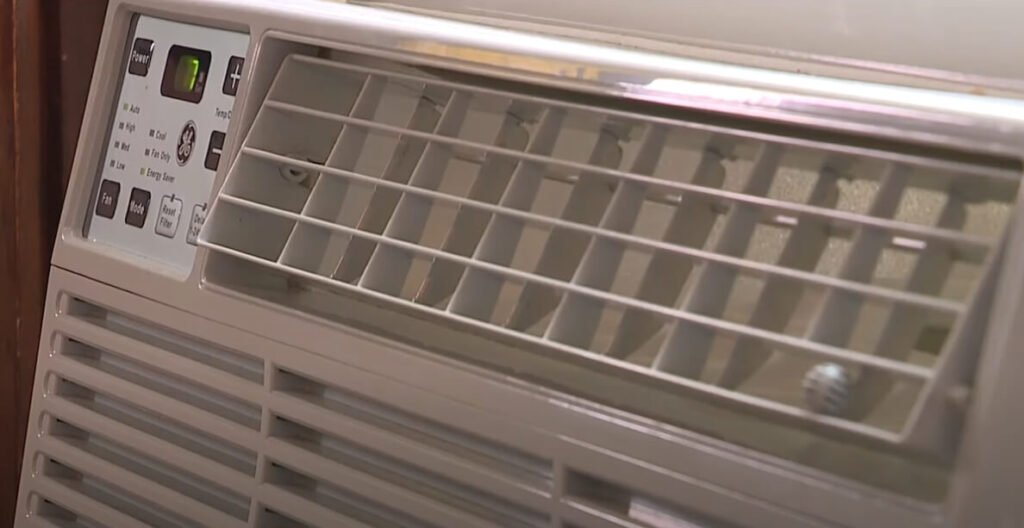
Can a Dirty Air Conditioner Filter Make You Sick?
The air conditioner filter plays an important role in keeping the unit running smoothly and efficiently. A dirty filter can cause a number of problems, including making you sick. When the air conditioner filter is clogged with dirt and debris, it can restrict airflow and cause the unit to work harder to cool your home.
This can lead to a number of problems, including decreased efficiency, increased energy costs, and potentially even health problems. Dirty air filters can circulate dust, pollen, mold spores, and other allergens throughout your home. These airborne particles can trigger asthma attacks and allergic reactions in people who are sensitive to them.
In some cases, dirty air conditioner filters have even been linked to respiratory infections. If you or someone in your family has asthma or allergies, it’s especially important to keep the air conditioner filter clean. Regularly changing or cleaning the filter can help reduce symptoms and improve indoor air quality.
What are the Symptoms of Being Exposed to Dirty Air from an Air Conditioner
Dirty air from an air conditioner can cause a number of respiratory symptoms, including: coughing, wheezing, shortness of breath, and difficulty breathing. These symptoms are caused by the inhalation of particles in the air that can irritate and inflame the lungs. In severe cases, exposure to dirty air from an air conditioner can lead to pneumonia or other serious respiratory infections.
If you or someone you know is experiencing any of these symptoms after being exposed to dirty air from an AC unit, it is important to see a doctor or other medical professional as soon as possible.
How Often Should You Change Your Air Conditioner Filter?
While there is no definitive answer to how often you should change your air conditioner filter, it is generally recommended that you do so every 1-3 months. This timeframe can vary depending on a number of factors, such as the type of filter you have, the climate you live in, and how often you use your AC unit.
If you live in an area with a lot of dust or other airborne particles, it is advisable to change your filter more frequently.
The same goes for if you have pets, as their fur can clog up a filter quickly. Conversely, if you don’t use your air conditioner very often, you may be able to get away with changing the filter less frequently.
Ultimately, it is best to check your air conditioner’s manufacturer guidelines to see what they recommend.
And if all else fails, err on the side of caution and change the filter more often rather than less – after all, it’s not a difficult or expensive task!
Can your air conditioner make you sick? The signs to look out for!
What Happens If You Don’t Change Your Air Conditioner Filter Regularly?
If you don’t change your air conditioner filter regularly, the following things can happen: 1. Your air conditioner will have to work harder to cool your home. This is because the dirty filter will block some of the airflow, making it difficult for the AC unit to do its job properly.
2. A dirty filter can also cause your AC unit to freeze up. When this happens, your AC unit won’t be able to produce any cold air at all. 3. In extreme cases, a dirty air conditioner filter can even cause your AC unit to overheat and break down completely.
This usually happens when the evaporator coil gets clogged with dirt and dust, causing it to stop working altogether. 4. Not changing your air conditioner filter can also lead to poor indoor air quality. All of the dirt, dust and pollen that would normally be filtered out by a clean AC filter will end up circulating in your home, which can trigger allergies or respiratory problems in some people.
Conclusion
While a dirty air conditioner filter won’t necessarily make you sick, it can contribute to poor indoor air quality which can lead to respiratory problems. A clean air conditioner filter is important for keeping your home’s air quality good and preventing sickness.
