If you have an air conditioner, you know that one of the most important parts of maintaining it is regularly changing the air filter. But have you ever wondered why your air filter gets dirty so fast? In this blog post, we’ll explore some of the reasons why your air filter gets dirty and how you can prevent it.
One of the main reasons why your air filter gets dirty so fast is because it’s constantly working to filter out the air in your home. Over time, all of the dirt, dust, and other airborne particles that it filters out can build up on the filter, causing it to get clogged.
Additionally, if you have pets or live in a dusty area, that can also contribute to a dirty air filter. Fortunately, there are some things you can do to help prevent your air filter from getting too dirty. First, make sure to regularly change it according to the manufacturer’s instructions.
In addition, you can try to vacuum around your air conditioner unit to help reduce the amount of dust and dirt that gets into the air.
Finally, if you have pets, try to keep them groomed and brushed to minimize the amount of pet hair that gets into the air. By following these tips, you can help keep your air filter clean and your air conditioner running smoothly.
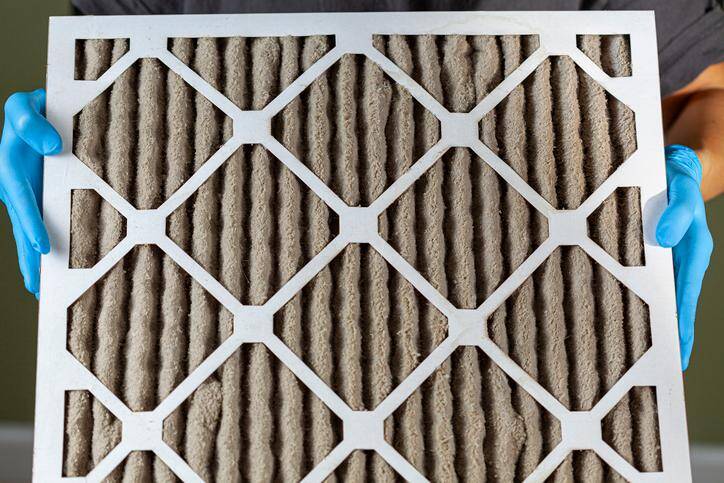
Having to change air filter every 2 weeks
If you have to change your air filter every 2 weeks, there are a few things that could be going on. Maybe you have a lot of pets that shed, or you live in a dusty area. Or, it could be that your air filter is just too small for your space.
Whatever the reason, changing your air filter every 2 weeks is not ideal. It’s best to change your air filter every 1-3 months, depending on the circumstances. But if you find yourself changing it more often, there are a few things you can do to help prolong the life of your air filter.
First, make sure you’re using the right size air filter for your space. If it’s too small, it will get clogged more quickly.
Second, try to keep your space as clean as possible. Dust and pet hair can clog up an air filter quickly.
And finally, if you have a lot of traffic in and out of your home, you may need to change your air filter more often. If you find yourself changing your air filter every 2 weeks, it’s not the end of the world.
But it’s not ideal either. Try to take some steps to prolong the life of your air filter and save yourself some hassle in the long run.
Why are my air filters getting dirty so fast?
If you’re wondering why your air filters are getting dirty so fast, there are a few possible explanations. It could be that you have a leaky duct system, which allows outside air to enter and circulate through your home. This can cause your filters to fill up with dirt and dust more quickly than usual.
Alternatively, if you have pets or live in a particularly dusty area, that could also be the culprit. Whatever the reason, dirty air filters can reduce the efficiency of your HVAC system and cause your energy bills to go up. So it’s important to clean or replace them regularly.
If you have a reusable filter, simply rinse it off with warm water and let it air dry. If you have a disposable filter, replace it with a new one according to the manufacturer’s instructions. Keeping your air filters clean will help your HVAC system run more efficiently and keep your home’s air quality high.
So don’t neglect this simple maintenance task – your wallet and your lungs will thank you!
Why does my aquarium filter get dirty so fast?
If you have an aquarium, you know that keeping the water clean is important for the health of your fish. But why does it seem like your filter gets dirty so fast? There are a few reasons why your aquarium filter might get dirty quickly.
First, if you have a lot of fish in your tank, they will produce more waste. This waste will build up in your filter and cause it to get dirty quickly.
Another reason why your filter might get dirty quickly is if you don’t clean it regularly. Your filter will trap debris and waste, but it can only hold so much. If you don’t clean it out regularly, the debris and waste will build up and cause your filter to get dirty.
Finally, if you have a lot of plants in your aquarium, they can also contribute to your filter getting dirty quickly. Plants release nutrients into the water that can feed algae and other organisms. These organisms can then clog your filter and cause it to get dirty.
Furnace filter dirty after 2 weeks
If your furnace filter is dirty after only 2 weeks, it’s likely that you have a problem with your furnace. There are several possible causes for this, so you’ll need to troubleshoot your furnace to find the problem. One possible cause is that your furnace isn’t drawing enough air through the filter.
This can be caused by a number of things, including a clogged air filter, a dirty blower wheel, or a restricted air flow. Another possible cause is that your furnace is overheating. This can be caused by a number of things, including a dirty flame sensor, a faulty igniter, or a cracked heat exchanger.
If your furnace filter is dirty after only 2 weeks, it’s important to troubleshoot the problem so that you can fix it. Otherwise, you’ll continue to have a dirty filter and your furnace will continue to run inefficiently.
Why is my ac filter not getting dirty?
If your ac filter isn’t getting dirty, it could be because the air in your home is relatively clean. It could also be because the filter is too efficient and is trapping all of the dirt and debris before it has a chance to build up on the filter. Whatever the reason, a clean filter is a good thing!
How does a dirty home air filter look like?
A dirty home air filter can look like a lot of things. It can be covered in dust, dirt, and other debris. It can also be full of mold and mildew.
If you have a dirty air filter, it is important to clean it as soon as possible. A dirty air filter can cause your HVAC system to work harder than it needs to, and it can also lead to poor indoor air quality.
Air filter dirty after one week
If you notice that your air filter is dirty after only one week, there are a few possible explanations. It could be that your home is especially dusty, or that you have a lot of pets that shed. Alternatively, it could be that your air filter is too small for your home and needs to be replaced with a larger one.
If you think that your home is especially dusty, you can try to reduce the amount of dust in your home by vacuuming and dusting regularly.
You can also try to keep your home less cluttered to reduce the amount of dust that accumulates. If you have pets, you may want to groom them outside to reduce the amount of pet hair in your home.
If you think that your air filter is too small, you should replace it with a larger one. A larger air filter will be able to trap more dust and debris, making it last longer before it needs to be replaced. If you’re not sure what is causing your air filter to get dirty so quickly, you can try changing the frequency with which you replace it.
For example, if you typically replace your air filter every month, you could try replacing it every two weeks to see if that makes a difference. Whatever the cause of your dirty air filter, it’s important to keep up with replacement to ensure that your home’s air quality is not adversely affected.
How long should a furnace filter last?
A furnace filter should last anywhere from 30 to 90 days, depending on the type of filter and the environment in which the furnace is located.
In general, homes with pets or smokers will need to replace their filters more frequently than homes without these factors.
Additionally, homes located in dusty areas will also need to replace their filters more frequently than homes in cleaner areas.
Why are my HVAC filters so dirty?
If your HVAC filters are dirty, it could be because your home isn’t being properly ventilated. This can happen for a number of reasons, such as if your home is too airtight or if you have a lot of dust in your home. Dirty HVAC filters can also be caused by pets, smoking or simply not changing the filter often enough.
Whatever the reason, it’s important to clean or replace your HVAC filters regularly. Dirty filters can restrict air flow, leading to all sorts of problems, such as decreased efficiency, ice buildup on the coils, and even complete system failure. In extreme cases, dirty filters can also cause fires.
So how often should you be changing your HVAC filters? It depends on a number of factors, such as the type of filter you have, the amount of traffic in your home, and whether or not you have pets. Generally speaking, most filters should be changed every 1-3 months.
However, if you have a lot of pets or live in a particularly dusty area, you may need to change your filters more often. If you’re not sure how often to change your filters, the best thing to do is check with your HVAC manufacturer or ask your local HVAC professional. They’ll be able to give you specific recommendations based on your individual situation.
Why are my AC filters turning black?
The most likely reason your AC filters are turning black is because they are not being often changed enough. Over time, the filter collects dust and dirt from the air, which turns it black. If you don’t change your filter regularly, the dirt and dust will build up and eventually cause your AC to stop working properly.
Another possibility is that the black filter is due to a problem with the AC itself. If the AC is not properly ventilated, the filters can get clogged with soot and turn black. This is a serious problem that should be fixed by a professional.
If your AC filters are turning black, it’s important to figure out the cause so you can take the necessary steps to fix it. Ignoring the problem will only make it worse and could eventually lead to costly repairs.
How do I keep my AC filter clean?
Assuming you have a central air conditioning unit, there are a few easy steps you can take to ensure your AC filter is clean and functioning properly.
First, check your filter monthly and replace it as needed. A good rule of thumb is to replace your filter every three months, but you may need to do so more frequently if you live in a dusty area or have pets.
Second, vacuum around your air conditioning unit regularly. This will help to remove any dirt, dust or debris that may have collected on the unit itself.
Third, make sure to keep the area around your unit clear of clutter. This includes removing any leaves, branches or other items that may be blocking the airflow to your unit.
By following these simple steps, you can help to ensure that your AC filter is clean and working properly.
How often should a filter be changed in an air conditioner?
Assuming you have a central air conditioning unit, most manufacturers recommend changing your air filter at least once a month during the cooling season. Some filters can last up to three months, but it’s best to err on the side of caution and change your filter monthly, especially if you have pets or live in a dusty area. If you have a window air conditioning unit, you’ll need to change the filter more often, depending on how often you use the unit.
Every two weeks, you should change the filter. If you use it less often, you can change the filter every month.
No matter what type of air conditioner you have, it’s important to check the filter regularly and change it when it’s dirty.
A dirty filter will make your air conditioner work harder, which can lead to higher energy bills and premature wear and tear on the unit.
Why does my AC filter get dirty so fast?
Final Verdict
If you’re wondering why your AC filter gets dirty so fast, there are a few possible explanations. It could be that your home is located in a dusty area, or that you have pets that shed a lot of fur. Alternatively, it could simply be that your AC unit isn’t properly maintained and needs to be cleaned more frequently.
Whatever the reason, it’s important to keep your AC filter clean to ensure optimal airflow and to prevent potential damage to your unit
