If you have a dirty air conditioner filter, it can cause your unit to work less efficiently.
The filter helps to remove airborne contaminants from the air that passes through it.
When the filter is full of dirt and dust, it can restrict airflow and make the unit work harder to cool your home.
You may also notice that your energy bills are higher when the filter is dirty.
If you have a dirty air conditioner filter, it can cause your unit to work less efficiently.
A clogged filter will restrict airflow and make it harder for your AC to cool your home.
You may also notice that your utility bills are higher than normal when you have a dirty filter.
To avoid these problems, be sure to check and clean your filter regularly.
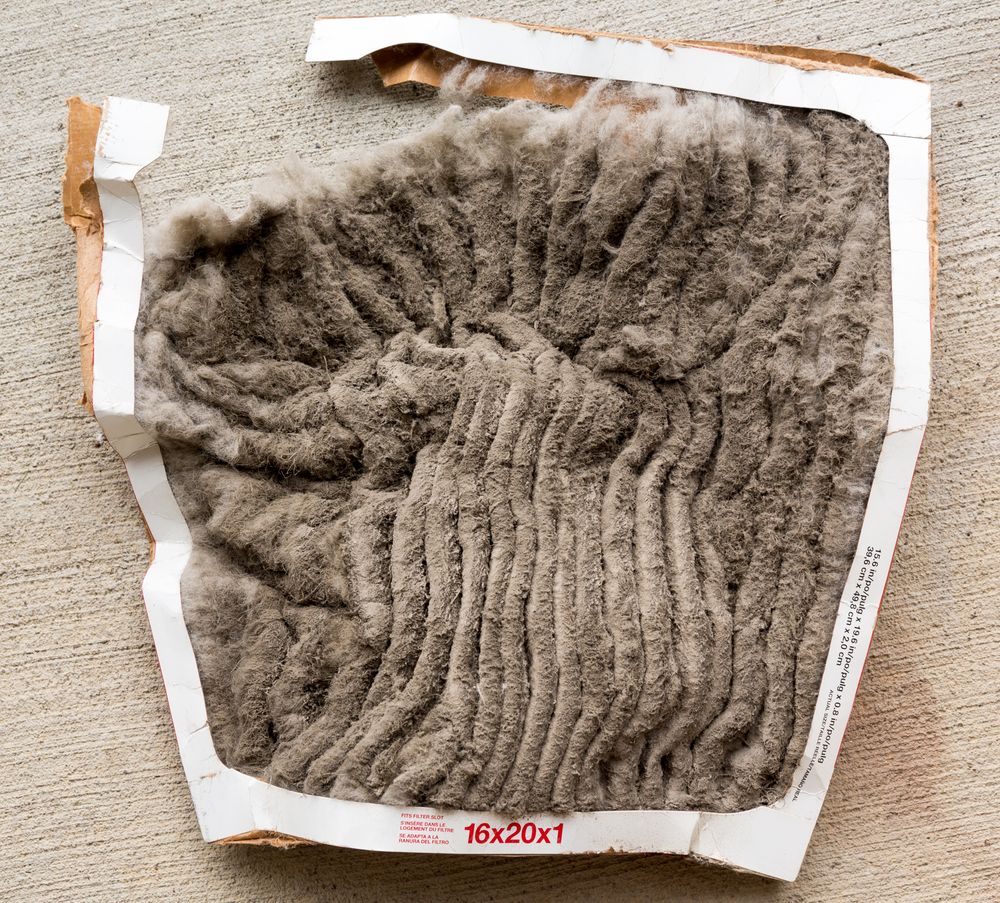
Can a Dirty Air Conditioner Filter Cause It to Not Work?
Yes, a dirty air conditioner filter can cause it to not work.
The purpose of the filter is to clean the air that circulates through the unit, so when it becomes clogged with dirt and debris, it can no longer do its job effectively.
This can lead to a number of problems, including decreased airflow and reduced efficiency.
In some cases, a dirty filter can even cause the air conditioner to overheat and shut down completely.
If you suspect that your air conditioner’s performance is suffering due to a dirty filter, be sure to have it checked and replaced as needed.
How Often Should I Change My Air Conditioner Filter?
If you have a central air conditioner, chances are you have a pleated air filter.
You should check your filter every month during the cooling season and change it when it looks dirty.
At a minimum, replace your filter once per year.
A clogged or dirty filter will restrict airflow, increase pressure on your blower motor, and cause your evaporator coil to freeze up and your air conditioner to overheat.
What are Some Signs That My Air Conditioner Filter Needs to Be Changed?
If you have an air conditioner, it’s important to regularly change the filter.
A dirty filter can make your air conditioner work harder and less efficiently, and can eventually lead to damage.
Here are some signs that it’s time to change your air conditioner filter:
1. Your energy bills are higher than usual. If your air conditioner is working harder than usual because of a dirty filter, it will use more energy and your energy bills will go up.
2. The airflow from your vents is weak. If the airflow from your vents is weaker than usual, it could be because of a clogged filter.
3. Your home feels stuffy or humid. A dirty air conditioner filter can cause your home to feel stuffy or humid because it isn’t circulating the air properly.
4. Your air conditioner is making strange noises. If your air conditioner starts making strange noises, it could be because the motor is overworking due to a dirty filter.
Conclusion
If your air conditioner filter is dirty, it could cause your unit to work less efficiently.
A clogged filter can restrict airflow, making your AC have to work harder to cool your home.
This can lead to higher energy bills and premature wear and tear on your unit.
Change your filter regularly to keep your AC running smoothly.
