The drain hole for a Frigidaire window air conditioner is located on the back of the unit, near the bottom.
The hole should be facing down so that water can drip out of it. If the hole is not facing down, water will build up inside the unit and could cause damage.
Most window air conditioners have a drain hole located at the bottom of the unit. Some units also have a second drain hole near the top of the unit.
These holes are typically located on the side of the unit opposite the control panel.
If your air conditioner does not have a drain hole, you can drill one yourself using a 1/4-inch drill bit.
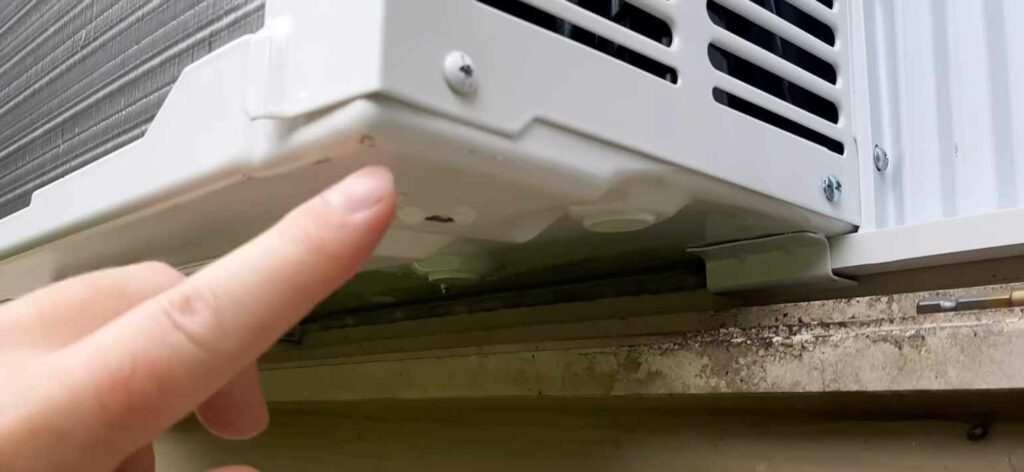
Where is the Drain Hole on My Frigidaire Window Air Conditioner?
If your Frigidaire window air conditioner isn’t draining properly, you should first check the drain hole. This is usually located on the back of the unit, near the bottom.
If it’s clogged, simply clear it with a wire or other sharp object.
If the hole is clear, but your AC still isn’t draining, there may be a problem with the internal drainage system. In this case, you’ll need to contact a qualified repair person.
Does Frigidaire Window Ac Have a Drain Plug?
Yes, the Frigidaire window AC unit does have a drain plug. This is located on the bottom of the unit and can be used to drain any accumulated water in the unit.
If you notice that your AC unit is not draining properly, you may need to clean out the drain plug to ensure that it is clear and unobstructed.
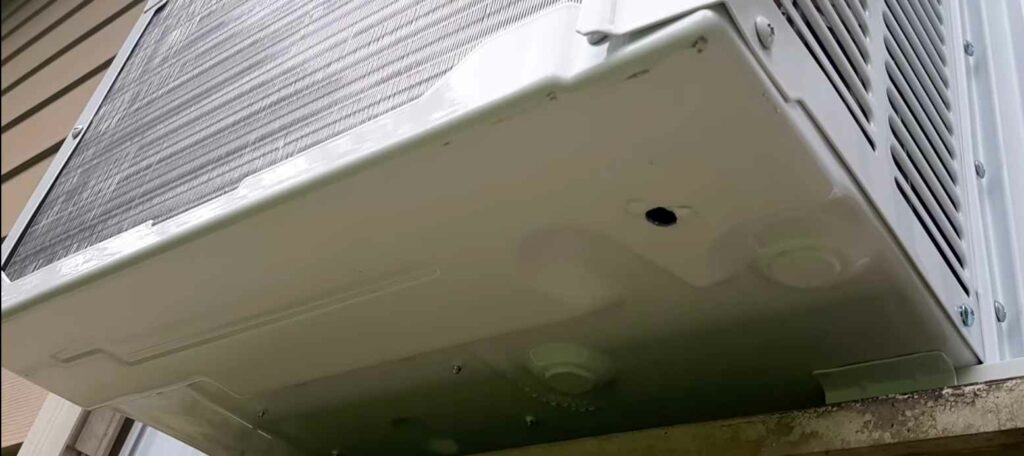
Why is There No Drain Hole in Window Air Conditioner?
If you’ve ever wondered why there’s no drain hole in your window air conditioner, you’re not alone.
It’s a common question, and the answer is actually quite simple.
Window air conditioners are designed to be installed in a window, with the front of the unit facing outside and the back of the unit inside the room.
The reason there’s no drain hole in the unit is because it’s not necessary – gravity does all the work.
When your air conditioner is running, the cold refrigerant inside evaporates and turns into water vapor.
This vapor condenses on the coils inside the unit and drips down into a pan at the bottom of the coil assembly.
From there, it drains out through a small tube that runs to the outside of your home (usually through a nearby window).
So that’s why there’s no drain hole in your window air conditioner – because gravity does all the work!
Where is the Drain Plug on a Window Ac?
If your window ac is leaking water, the first thing you should check is the drain plug. The drain plug is located on the back of the unit, near the bottom.
To remove it, simply unscrew it counterclockwise.
Once it’s removed, any water that has been collected in the unit will drain out.
If there doesn’t seem to be any water in the unit, then the problem may be with the evaporator coils.
These coils can become frozen over time, preventing proper airflow and causing water to leak out.
Where is the drain on a window air conditioner?
The drain on a window air conditioner is typically located at the back or bottom of the unit, near the condenser coils.
The specific placement of the drain may vary depending on the model and manufacturer of the air conditioner.
To locate the drain, you can check the user manual or look for a small hole or opening on the back or bottom of the unit.
Some window air conditioners have a removable drain plug or a drain pan that needs to be emptied manually.
Others may have a built-in drain outlet where you can attach a hose for continuous drainage.
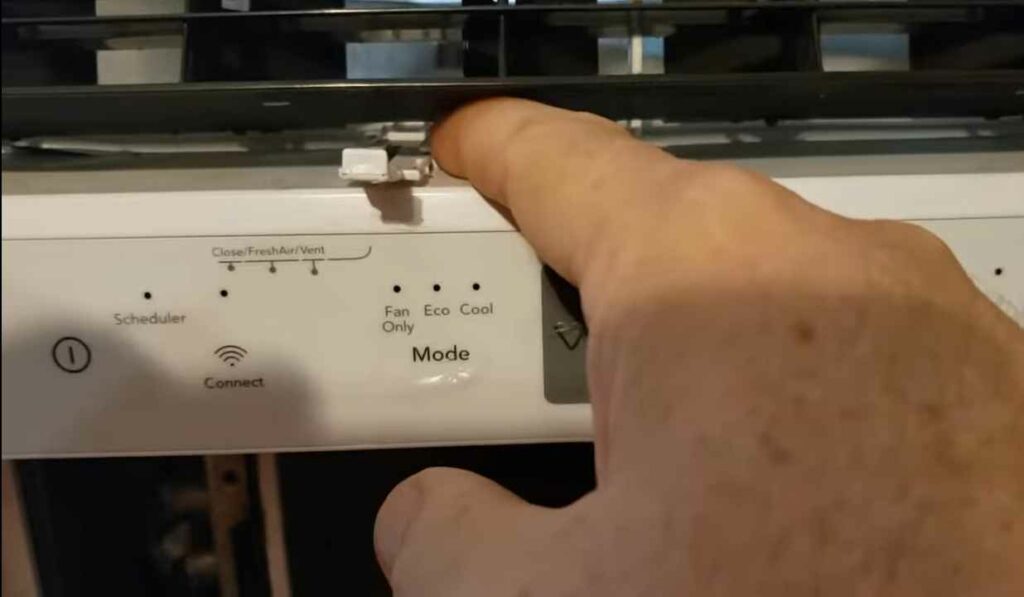
Window Air Conditioner No Drain Hole
If your window air conditioner doesn’t have a drain hole, you’re not alone. Many units don’t come with one, and it’s not always necessary.
However, if you live in an area with high humidity, or if you find that your unit is leaking water inside the house, you may need to drill a drain hole.
Here’s what you need to know about window air conditioner drainage.
Most window air conditioners have a built-in drip pan that catches any water that condenses on the evaporator coils.
The water then drains out of the bottom of the unit through a small plastic tubing.
If your unit doesn’t have this tubing (or if it’s blocked), the water can build up and start to leak into your home.
One way to prevent this from happening is to drill a small hole in the bottom of the drip pan.
This allows any excess water to drain out, preventing it from building up and causing leaks.
You can cover the hole with a piece of tape or a small plug to keep insects and dirt out.
Another option is to install a condensate pump, which pumps the water out of the unit automatically.
These are available at most hardware stores and are relatively easy to install yourself.
If you live in an area with high humidity, it’s also important to clean your air filter regularly.
A dirty filter can cause excessive condensation, which can lead to leaks even if you have a properly functioning drainage system. So there you have it!
If your window air conditioner doesn’t have a drain hole, there are some things you can do to prevent leaks and ensure proper drainage.
Hisense Window Air Conditioner Drain Plug Location
Most people don’t think about their window air conditioner drain plug until they need to empty the water unit.
We’ve got you covered if you’re wondering where your Hisense window air conditioner drain plug is located.
On most Hisense units, the drain plug is located on the back of the air conditioner, near the bottom.
You may need to remove a panel or two to access it, but it should be fairly easy to find.
Once you’ve found the drain plug, simply unscrew it and allow any water that has collected in the unit to drain out.
Be sure to put the plug back in before turning your air conditioner back on – otherwise, it will just fill up with water again!
Midea Window Air Conditioner Drain Hole Location
If you have a Midea window air conditioner, you may wonder where the drain hole is. The drain hole is located near the bottom of the unit’s back.
You will need to remove the back panel to access it.
Once you have removed the back panel, you will see a small hole near the bottom of the unit.
This is where the drain hose attaches. Simply unscrew the hose from the unit and allow any water to drain out.
Window Ac Drain Hole Location
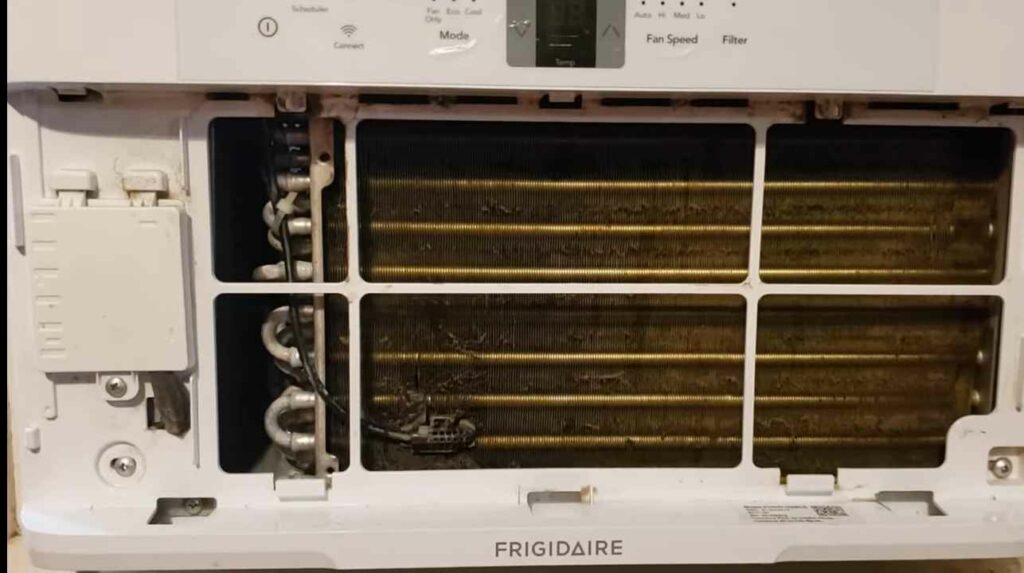
If your window air conditioner has been leaking water inside your home, it is likely that the drain hole is blocked.
The drain hole is located near the bottom of the unit’s back. In order to unblock it, you will need to remove the screws that hold the back panel in place.
Once the back panel is removed, you should be able to see the blockage and clear it away.
Midea 5,000 Btu Air Conditioner Drain Plug Location
If you need to know the drain plug location for your Midea 5,000 BTU air conditioner, it is located on the back of the unit near the bottom.
The drain plug is used to remove water from the unit when it is in use.
To remove water from the unit, simply unscrew the drain plug and allow any water that has collected in the unit to drain out.
Friedrich Air Conditioner Drain Plug
If you have a Friedrich air conditioner, you know that it is important to keep the drain plug clean.
Otherwise, your air conditioner will not work properly and could end up costing you a lot of money in repairs.
The good news is that cleaning the drain plug is easy to do and only takes a few minutes.
First, locate the drain plug on your air conditioner.
It is usually located near the bottom of the unit. Once you have found it, unscrew the cap and set it aside.
Next, use a small brush or toothpick to remove debris blocking the drain hole.
Be sure to remove any foreign objects, such as leaves or dirt, so that they do not cause further damage to your air conditioner.
Once the drain hole is clear, replace the cap and screw it back on tightly.
You should now be able to use your air conditioner without worry!
Ge Window Ac Drain Hole
If your window air conditioner doesn’t drain properly, it could be because the drain hole is clogged.
The drain hole is located on the side of the unit near the bottom, where water from the condensation pan drains out.
If this hole gets clogged, water can back into the pan and cause many problems.
Fortunately, clearing a clogged drain hole is relatively easy. Start by unplugging your AC unit and removing the front panel.
Then, locate the drain hole and use a straightened paperclip or similar object to clear any debris blocking it.
Once the hole is clear, replace the front panel and plug your AC unit back in.
If your AC unit is still leaking after clearing the drain hole, another problem could be at play.
It’s possible that the condensation pan itself is cracked or damaged, in which case you’ll need to replace it.
Or, there could be an issue with one of the hoses leading to or from the pan.
Scrutinize all of these components to determine where the leak is coming from so you can fix it accordingly.
Lg Window Air Conditioner Drain Plug
If your LG window air conditioner leaks water, the first step is to check the drain plug to see if it’s loose or needs replacement.
The drain plug is located on the back of the unit, near the bottom. To remove it, unscrew it with a Phillips head screwdriver.
You can purchase a replacement from most hardware stores if the plug is damaged or missing.
Once you’ve checked (or replaced) the drain plug, ensure the unit’s drainage hose is not kinked or blocked.
The hose should be routed so that water can flow freely out of the unit; if it’s clogged, water will back up into the unit and cause leaks.
If your LG air conditioner is still leaking after checking/replacing the drain plug and clearing any blockages in the drainage hose, there may be another issue at play.
It’s always best to consult a qualified technician to diagnose and repair complex air conditioning issues like this one.
Conclusion
The Frigidaire window air conditioner drain hole is located on the back of the unit, near the bottom.
A small rubber plug can be removed to allow water to drain out. If your unit has no drain hole, you can drill one yourself.

I have to drill my own hole on a friedrich 2008 Quietmaster. Do I have to put a plug in it each time after the WATER DRAINS OUT OR CAN I LEAVE IT IN? IT IS A PAIN TO pull out the AC each time it fills up.
Thank you.
You don’t necessarily have to plug it each time the water drains out. The purpose of drilling the hole is to create a continuous drainage path for the water that accumulates during the air conditioning process.
By having a hole, the water will flow out freely, and you won’t have to worry about emptying a collection tray or reservoir.