If you’re like most people, you rely on your car’s air conditioner to keep you cool and comfortable during those hot summer months. But what happens when your AC starts blowing warm air? Before you call a tow truck or give up hope, there are a few things you can try to get your car’s AC back up and running.
First, check the obvious things like the engine coolant level and whether or not the condenser is clean. If everything looks good there, then it’s time to move on to more technical issues. One possibility is that the compressor clutch has failed.
This is a relatively easy fix – just replace the clutch assembly.
Another possibility is that there is a leak in the system. This is a bit more tricky to diagnose, but if you suspect this might be the case, take your car to a professional for repair.
Whatever the cause of your car’s AC problems, don’t sweat it! With a little troubleshooting, you should be able to find the problem and get your AC back up and running in no time.
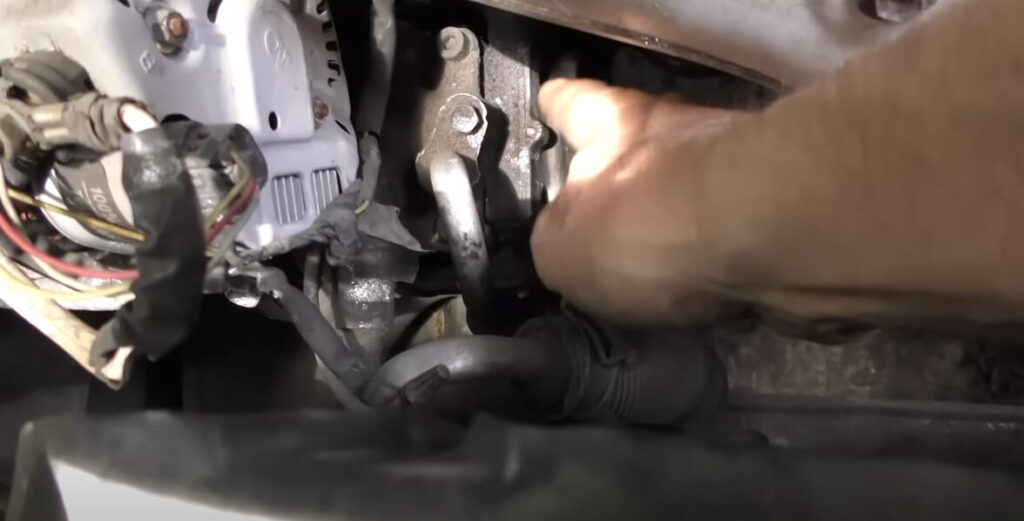
How to Fix Ac in Car Blowing Hot Air?
If your car’s air conditioner is blowing hot air, there are a few things you can do to try and fix the problem. First, check the coolant level in your car. If it’s low, add more until it reaches the full line.
Next, check the condenser coils to see if they’re dirty or obstructed in any way. If they are, clean them off with a brush or hose.
Finally, check the Freon levels in your car and add more if necessary.
These are just a few potential fixes for a car AC that’s blowing hot air – if none of these work, you may need to take your car to a mechanic for further diagnosis and repair.
Car Ac Problems And Solutions
When it comes to car AC problems, there are a few things that can go wrong. The most common issues include the compressor not working, the air conditioner not blowing cold air, or leaks in the system. While these problems can be frustrating, there are a few solutions that can help get your AC back up and running.
If your compressor is not working, one possible solution is to check the fuse. If the fuse is blown, replace it with a new one and see if that fixes the problem. Another solution is to check the pressure in the system using a gauge.
If the pressure is low, you may need to add more refrigerant to the system. If your air conditioner isn’t blowing cold air, one issue could be that the vents are blocked. Check all of the vents in your car and make sure they’re clear.
Another possibility is that there’s an issue with the cooling fans. Make sure they’re turned on and functioning properly. Finally, you may simply need to recharge the system with more refrigerant.
Leaks can be tricky to diagnose because they don’t always show up right away. However, if you suspect there’s a leak in your AC system, one way to check is by applying soapy water to all of the hoses and connections. If you see bubbles forming anywhere, that’s an indication of a leak.
Car Ac Stopped Working Suddenly
As summer temperatures start to heat up, your car’s air conditioner (A/C) is working overtime to keep you cool and comfortable. But what happens when it suddenly stops working? Don’t sweat it!
Here are a few possible reasons why your car A/C may have stopped working, as well as some tips on how to fix the problem. One of the most common reasons for a car A/C to stop working is because the system is low on refrigerant. The A/C system needs this special fluid in order to function properly, so if it’s low (or empty), the system can’t do its job.
You’ll need to take your car to a qualified mechanic who can check the level of refrigerant and add more if necessary. Another possibility is that there’s an issue with one of the components in the A/C system, such as the compressor or condenser. These parts can fail due to normal wear and tear, or they may be damaged by debris or road conditions.
If you suspect that one of these parts has failed, again, you’ll need to take your car in for professional diagnosis and repair. In some cases, a simple problem like a blown fuse or tripped circuit breaker can cause your car A/C to stop working. So if your system suddenly quits, be sure to check all of the fuses related to the A/C system before taking it in for service.
Replacing a blown fuse is usually an easy and inexpensive fix. If your car’s air conditioner has stopped working, don’t panic! There are several potential causes and many of them are relatively easy (and inexpensive) to fix yourself.
However, if you’re not confident in your ability to diagnose and repair the problem, it’s always best to leave it in the hands of a professional mechanic who can get you back on the road – cool and comfortable – in no time at all!
Why is My Car Air Conditioner Not Blowing Cold Air?
If your car’s air conditioner is blowing warm air, there are a few possible reasons why. The most common reason is that the system is low on refrigerant. A leak in the system can also cause the loss of refrigerant.
If your system is low on refrigerant, you’ll need to add more in order to get cold air again. Another possibility is that the compressor isn’t working properly. The compressor is responsible for circulating the refrigerant throughout the system.
If it isn’t working correctly, the air won’t be cooled properly. A clogged filter can also cause problems with the air conditioner. The filter prevents debris from entering the system and clogging it up.
If the filter is clogged, it will restrict airflow and prevent proper cooling from taking place. Finally, if none of these things seem to be causing the problem, it’s possible that there’s an issue with the electrical system of your car. This could be a blown fuse or a problem with one of the sensors in the system.
Can I Fix My Car Ac Myself?
No, you cannot fix your car AC yourself. You need to take it to a mechanic or a car AC specialist.
How Much Does It Cost to Fix Air Conditioner in Your Car?
Assuming you are talking about a standard automotive air conditioner, it will cost you between $100 and $200 to have it fixed. The exact price will depend on the severity of the problem and the type of repair that is required. For example, if your compressor needs to be replaced, this will be more expensive than simply having a Freon recharge.
What Can Cause Air Conditioner to Stop Working in Car?
If your car’s air conditioner starts blowing warm air, there are a few potential causes. The most likely culprit is a problem with the cooling system, which could be anything from a refrigerant leak to a faulty compressor.
Other possible causes include an electrical issue or a problem with the climate control system.
When your car’s air conditioner starts blowing warm air, the first thing you should check is the level of refrigerant in the system. If it’s low, that means there’s a leak somewhere and you’ll need to get it fixed before recharging the system. When the level is fine, then the next step is to check whether the compressor is turning on when you turn on the AC.
If it isn’t, then there may be an electrical issue preventing it from working properly.
Finally, if all else fails, it’s worth taking your car to a mechanic or dealership to have them diagnose and fix any underlying issues with your climate control system.
How to Fix Your Car’s AC for Free – How Air Conditioning Works
What Do You Do If Your Car Air Conditioner Stops Working?
If your car air conditioner stops working, the first thing you should do is check to see if there is any debris blocking the air intake. If there is, simply remove it and see if that fixes the problem. When the issue persists, you’ll want to check the coolant levels in your system.
If they’re low, topping them off may do the trick. If not, it’s likely that there’s a leak somewhere in your system and you’ll need to take it to a mechanic for repairs.
Why is My Ac Blowing Warm Air in My Car?
If your car’s air conditioner is blowing warm air, there are several potential causes. First, check to make sure that the A/C switch is turned on and that the temperature knob is set to a cool setting. If both of these are true and your car’s A/C is still blowing warm air, the problem may be with the cooling fans.
The fans help to circulate cool air through the car’s cabin, so if they’re not working properly, the air will not be cooled sufficiently. Another potential cause of warm air from the A/C could be a low refrigerant level. When refrigerant levels are low, it prevents the A/C system from cooling properly.
Finally, another possibility is that there is an issue with one of the components in the A/C system itself, such as a clogged filter or condenser.
Conclusion
If your car’s air conditioner isn’t working, there are a few things you can do to try to fix it. First, check to make sure that the air filter is clean. If it’s dirty, replace it.
Then, check the coolant level and add more if necessary. Next, check the belts to see if they’re loose or broken. If they are, replace them.
Finally, have a mechanic take a look at the air conditioner to see if there’s anything else that needs to be fixed.
