If your air conditioner suddenly stops working in your car, there are a few possible reasons why. The most common reason is that the air conditioner is not getting enough power. This could be due to a blown fuse or a problem with the electrical system in your car.
Another possibility is that there is something blocking the airflow from the air conditioner, such as a dirty filter or an obstruction in the vents. If you suspect that one of these might be the problem, you can try troubleshooting by cleaning the filter or checking for obstructions in the vents. If neither of those solutions works, it’s likely that there is a more serious problem with your air conditioner.
It’s possible that the compressor has failed and will need to be replaced. This is generally a job for a professional mechanic, so if you think this might be the issue, take your car to a shop to have it checked out. In some cases, other parts of the air conditioning system, such as the evaporator or condenser, may need to be replaced as well.
By troubleshooting and ruling out some of the simpler possibilities, you can narrow down what might be wrong and get back on the road with cool (or at least tolerable) temperatures in no time!
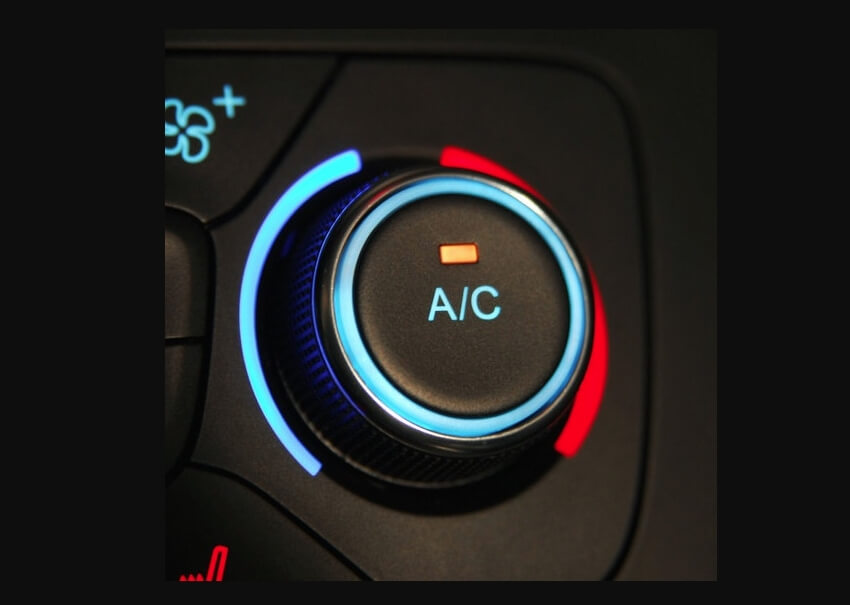
What causes car ac to stop working?
There can be several reasons why a car’s AC (air conditioning) system may stop working. Here are some common causes:
- Refrigerant Leak: One of the most common causes is a refrigerant leak. The refrigerant is responsible for cooling the air, and if there’s a leak, the AC system won’t be able to generate cold air effectively.
- Compressor Issues: The compressor is a crucial component of the AC system. If it fails or becomes damaged, the AC won’t be able to circulate the refrigerant properly, resulting in a lack of cooling.
- Electrical Problems: Electrical issues, such as a blown fuse, faulty wiring, or a malfunctioning switch, can disrupt the functioning of the AC system and cause it to stop working.
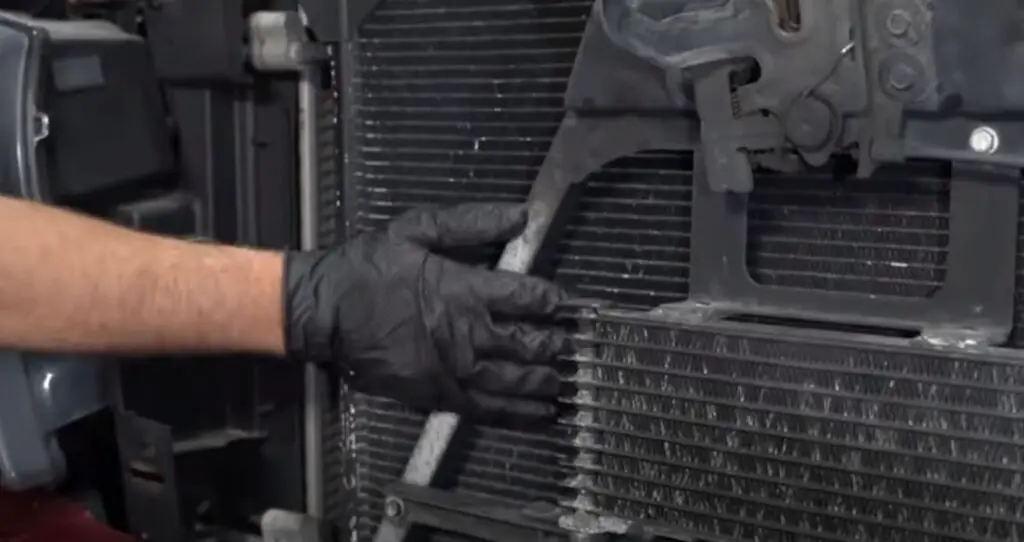
- Clogged Condenser: The condenser is responsible for releasing heat from the refrigerant. If it becomes clogged with dirt, debris, or insects, it can hinder proper heat dissipation and reduce the AC’s performance.
- Faulty Blower Motor: The blower motor is responsible for pushing the cool air into the cabin. If it malfunctions or fails, the airflow may be weak or non-existent, even if the AC system is running.
- Expansion Valve or Orifice Tube Issues: These components regulate the flow of refrigerant in the AC system. If they become clogged or fail, it can lead to reduced cooling or no cooling at all.
- Damaged or Worn-out Components: Over time, various AC components, such as hoses, seals, and O-rings, can deteriorate or become damaged, leading to AC malfunction.
Car Ac Stopped Working Suddenly
If your car’s air conditioner suddenly stops working, there are a few potential causes. The most common cause is simply that the system is low on refrigerant. This is easily fixed by topping off the fluid levels.
Another potential cause could be a problem with the compressor itself. If this is the case, you’ll need to take your car to a mechanic for repair.
Finally, if your AC stopped working along with other electrical components in your car, it could be an indication of a more serious issue like alternator failure.
Car Ac Stopped Working Overnight
If you wake up to a hot car and no AC, there are a few things you can check before calling a tow truck or your mechanic. First, check your fuse box to see if the AC fuse has blown. If it has, replace it with a new one and see if that fixes the problem.
The next step is to check your compressor belt to see if it’s loose or broken. If the belt is loose, tighten it up. If it’s broken, you’ll need to replace it.
Car Ac Stopped Working Then Started Again
If your car’s air conditioner suddenly stops working, don’t panic! There are a few potential reasons why this could happen, and most of them are easily fixable. Here’s what to do if your car AC stopped working then started again:
First, check the obvious things like making sure the AC switch is turned on and that all the vents are open. If everything looks good there, move on to checking the cooling fans. If they’re not running, that could be why your AC isn’t blowing cold air.
Next, take a look at the compressor belt. If it’s loose or broken, that could also be causing your AC problems. Finally, check the refrigerant level.
If it’s low, that could mean there’s a leak somewhere in the system. If you’re still having trouble figuring out why your car air conditioner stopped working then started again, take it to a mechanic or dealership for diagnosis and repair.
Why did the ac in my car stop working?
- Low refrigerant levels: The AC system requires a sufficient amount of refrigerant to operate properly. If the refrigerant level is low, it can result in reduced cooling or a complete failure of the AC system.
- Faulty compressor: The compressor is a vital component of the AC system that pressurizes and circulates the refrigerant. If the compressor fails or becomes faulty, it can prevent the AC from working.
- Leaks in the system: AC systems can develop leaks over time, which cause the refrigerant to escape. A leak can lead to insufficient cooling or a complete loss of AC functionality.
- Electrical issues: Electrical problems, such as a blown fuse or a malfunctioning relay, can disrupt the functioning of the AC system. These issues may need to be diagnosed and repaired by a professional.
- Blocked condenser or evaporator: The condenser and evaporator are essential components of the AC system. If they become blocked or clogged, it can restrict airflow and result in decreased cooling performance or AC failure.
- Malfunctioning blower motor: The blower motor is responsible for pushing air through the vents. If it malfunctions, it can prevent the cold air from reaching the cabin.
- Control module or sensor problems: The AC system relies on various control modules and sensors to regulate temperature and airflow. If any of these components malfunction, it can affect the overall performance of the AC system.
Why Does My Car Air Conditioner Work Sometimes And Not Others?
If you’ve ever had your car’s AC work sometimes and not others, you’re not alone. This is a common issue that can have a few different causes. One possibility is that the air conditioner isn’t getting enough power.
This can happen if the battery is weak or if there are loose connections in the electrical system. Another possibility is that there’s something blocking the airflow, such as a dirty filter or a leak in the ductwork. If your car’s air conditioner isn’t working consistently, it’s best to take it to a mechanic for diagnosis and repair.
In most cases, this is a relatively simple and inexpensive fix.
Why Did My Ac Stop Working All of a Sudden in My Car?
There are a few reasons why your AC might have stopped working all of a sudden in your car. One possibility is that the compressor, which is responsible for circulating refrigerant through the AC system, has failed. Another possibility is that there is a leak in the AC system, which has caused the loss of refrigerant.
Finally, it’s also possible that the AC system is simply not getting enough power from the battery. If you’re not sure what might be causing the problem, it’s best to take your car to a mechanic or dealership for diagnosis and repair.
How Do I Know If My Car Ac Fuse is Blown?
If your car’s air conditioning isn’t working, one possible cause is a blown fuse. But how can you tell if this is the problem? There are a few things you can check.
First, look at the fuse itself. If it’s discolored or burned looking, it’s probably blown. Another way to tell is by testing the fuse with a multimeter.
If it shows no continuity, then the fuse is most likely blown and needs to be replaced. If you’re not sure whether the fuse is blown or not, it’s always best to replace it with a new one just to be safe. That way you can rule out this as a potential cause of your AC problems.
Why would my car ac stop working then start again?
Possible reasons for intermittent AC operation include:
Overheating:
The AC system may temporarily shut off if the engine is overheating. Modern vehicles prioritize engine cooling over other functions, including the AC, to prevent further damage. Once the engine temperature returns to a safe level, the AC system may start working again.
Electrical issue:
A loose connection or faulty electrical component in the AC system can cause intermittent operation. If there is a momentary interruption in the electrical circuit, the AC may stop working and then resume once the connection is reestablished.
Low refrigerant level:
The AC system requires a sufficient amount of refrigerant (commonly known as Freon) to cool the air. If the refrigerant level is low due to a leak, the AC compressor may periodically shut off to protect itself. Once the system detects that the refrigerant level is within an acceptable range, the AC may start functioning again.
Sensor malfunction:
Various sensors in the AC system, such as temperature or pressure sensors, are responsible for regulating its operation. If one of these sensors malfunctions or provides incorrect readings, it can cause the AC to turn off temporarily until the issue is resolved.
Why did my car air conditioner stop working?
If your car’s air conditioner suddenly stopped working, there could be a few possible reasons. It might be due to a refrigerant leak, compressor problems, electrical issues, clogged condenser or evaporator, a faulty blower motor, or a malfunctioning temperature sensor.
To get to the root cause and fix the problem, it’s recommended to have a professional mechanic examine your car’s air conditioning system. Don’t sweat it, expert help is just a visit away!
How Do I Fix My Ac in My Car It Won’t Work?
If your car’s air conditioner isn’t working, there are a few things you can do to try and fix it. First, check to make sure that the air conditioner is turned on. If it is, then check to see if there is enough Freon in the system.
If not, you’ll need to add more. Another possibility is that the compressor isn’t working. This can be due to a problem with the electrical system or a belt that has come loose.
If the compressor isn’t working, then the air conditioner won’t work either. Finally, if all else fails, you may need to take your car to a mechanic for repairs.
AC not working!!! The CAR WIZARD shows how to easily isolate the problem
Conclusion
If your car’s air conditioner suddenly stops working, there are a few possible reasons why. The most common reason is that the Freon levels in the system are low and need to be recharged. Another possibility is that there is a leak somewhere in the system.
You can check for leaks by looking for moisture around hoses or connections. If you find a leak, it will need to be repaired before recharging the system. Finally, the compressor may have failed and will need to be replaced.

Thanks for this post, I am a big big fan of this web site would like to keep updated.
Fantastic web site. Lots of helpful information here. I am sending it to some friends ans also sharing in delicious. And naturally, thank you on your effort!