If you’re like most people, you rely on your air conditioner to keep you cool and comfortable during the hot summer months. So, when your AC suddenly stops working, it can be a real nightmare. There are a number of reasons why your AC might stop working, but the most common cause is a dirty or blocked air filter.
When the filter becomes dirty, it restricts the airflow and causes the system to work harder, leading to potential damage or failure. Another possible cause is a refrigerant leak. If your AC system is low on refrigerant, it can cause the compressor to overwork, leading to a system breakdown. Electrical problems, such as a blown fuse or tripped circuit breaker, can also cause your AC to stop working.
If your AC suddenly stops working, there is nothing to worry about. In this blog post, we will explore the top reasons why your AC may have malfunctioned and what you can do to fix it.
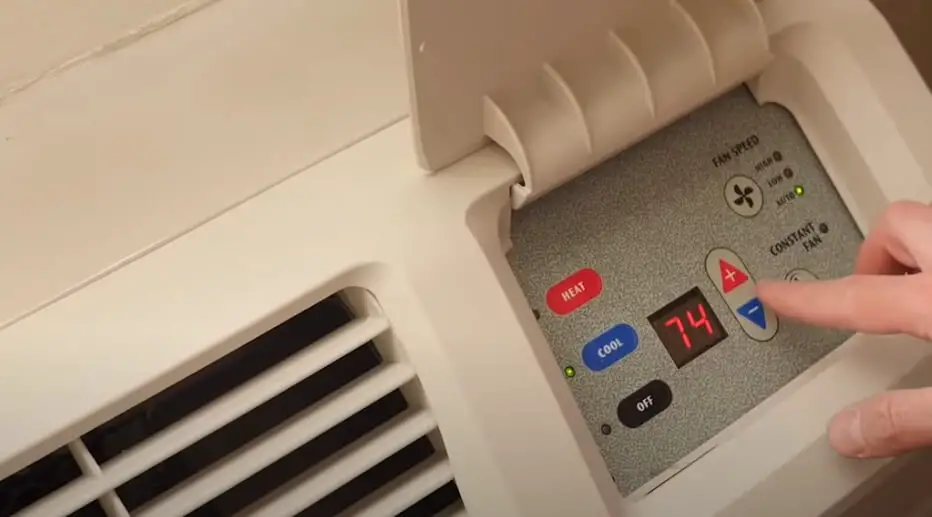
Why Did My AC Suddenly Stop Working? What to check?
If your AC stopped working suddenly, there could be a multitude of reasons behind it. The first and most common reason could be a tripped circuit breaker. In this case, simply resetting the breaker could fix the problem.
Another possibility could be a dirty air filter. A dirty filter could restrict the airflow, which in turn could cause the cooling system to shut down. Low refrigerant levels could also be the culprit. In this case, a professional technician would need to be called to refill the refrigerant.
Lastly, a malfunctioning thermostat could also be the reason behind the sudden shutdown of your AC unit.
So, if you wondered why did my AC suddenly stop working? You can do some simple checks listed above before calling an expert.
However, it is always recommended to call a professional to assess the situation and perform any necessary repairs for optimum performance and longevity of your air conditioning system.
Why did my ac stop working all of a sudden?
If your AC stop working all of a sudden, there could be a number of reasons why.
First, check to see if the power is still on the unit. If the power is off, check your circuit breaker or fuse box to see if there has been a power outage in your area.
If the power is still on and your AC unit is not working, the issue could be with the unit itself. Check to see if the AC unit is properly plugged in and if the thermostat is set to cooling mode.
If the unit is plugged in and the thermostat is set correctly, the problem could be with the AC compressor. The compressor is responsible for circulating the refrigerant in the AC unit. If the compressor is not working, the AC unit will not be able to cool your home.
You will need to call a professional AC repairman to diagnose and repair the problem with your AC unit.
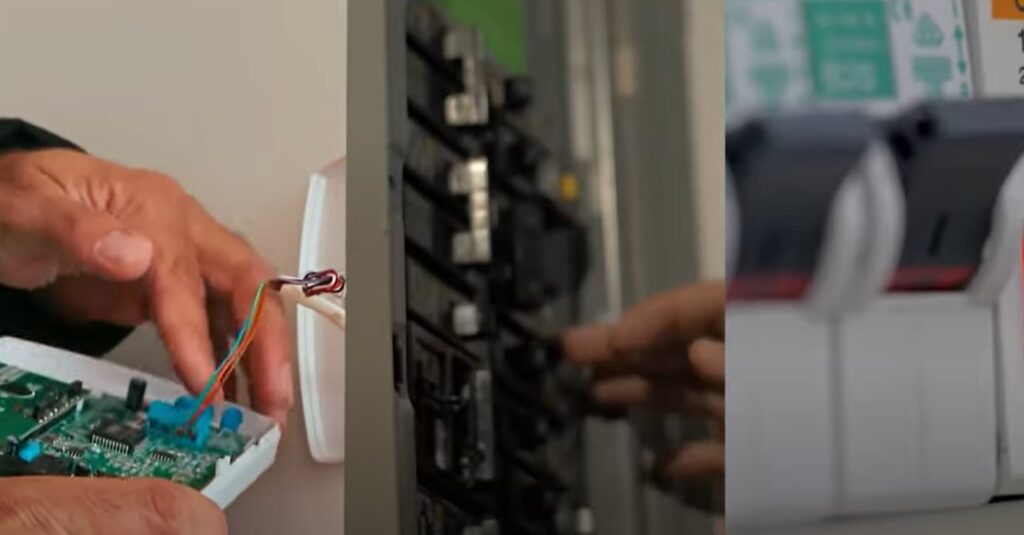
AC Randomly Stopped Working
There can be several reasons why an AC unit may randomly stop working. One possible cause could be a tripped circuit breaker or blown fuse. Another reason could be a malfunctioning thermostat or a clogged air filter.
At times, a faulty compressor or refrigerant leak may also be responsible for the AC unit to stop working. It is essential to have a professional technician diagnose the issue as soon as possible to prevent further damage to the unit and ensure optimal performance.
Regular maintenance and timely repairs can help keep the AC unit functioning at its best and extend its lifespan.
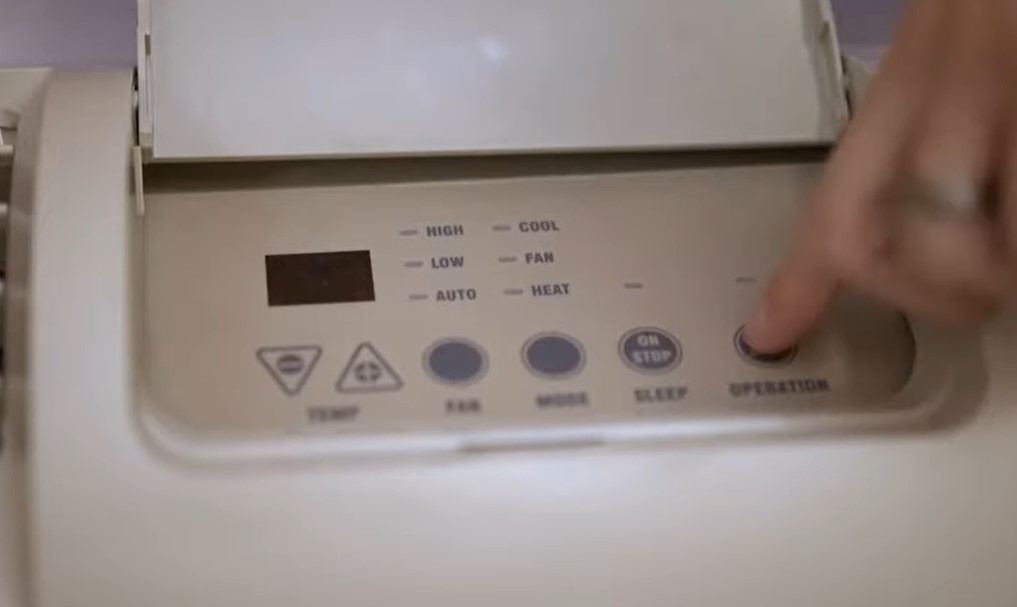
What do you do when your air conditioner stops working?
If your air conditioner stopped working suddenly, there are a few things you can do to try and troubleshoot the issue.
First, check to make sure that the unit is plugged in and that the breaker has not been tripped. If the unit is plugged in and the breaker is not tripped, then check the thermostat that must be set to cool mode and now lower the current room temperature.
Now check to see if the condenser unit is running. If the condenser unit is not running, then check for any obstructions around the unit that could be preventing it from running.
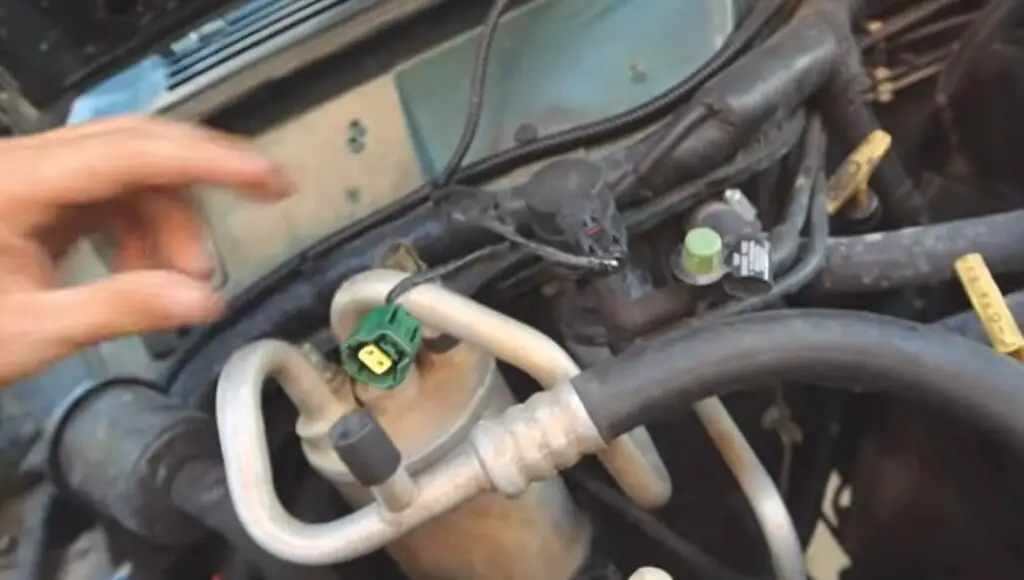
My car ac suddenly stopped working
If your car’s air conditioner suddenly stops working, there are a few things you can check before bringing it in for service.
First, make sure that the air conditioner is turned on. Many cars have a switch or button near the temperature controls that turn the air conditioner on and off. If the switch is in the off position, turn it on and see if the air conditioner starts working.
If the air conditioner still doesn’t work, check the air conditioner’s fuse. The fuse is usually located in the fuse box, which is usually under the hood or in the kick panel near the driver’s seat. If the fuse is blown, replace it with a new fuse.
If the air conditioner still doesn’t work, the problem may be with the compressor. The compressor is the part of the air conditioner that pumps the refrigerant.
Window type Aircon Suddenly Stopped Working
If your window type aircon suddenly stopped working, there are a few things you can check before calling a repairman. First, make sure that the aircon is properly plugged in and that the circuit breaker hasn’t been tripped. Next, check the air filter to see if it’s dirty and needs to be replaced.
If the filter is clean, then the problem may be with the aircon’s compressor. If the compressor isn’t running, it may need to be replaced.
Why did my Aircon suddenly stop?
If your Aircon suddenly stops, there could be a variety of reasons for this issue. It is possible that there is a problem with the electrical system, such as a blown fuse or tripped circuit breaker.
Another possible cause could be a malfunctioning thermostat, which is responsible for regulating the temperature of the unit. Additionally, dirty air filters can restrict airflow and cause the unit to overheat, leading to a shutdown.
It is recommended to consult with a professional technician to diagnose and repair the issue, as attempting to fix the unit on your own could potentially cause further damage.
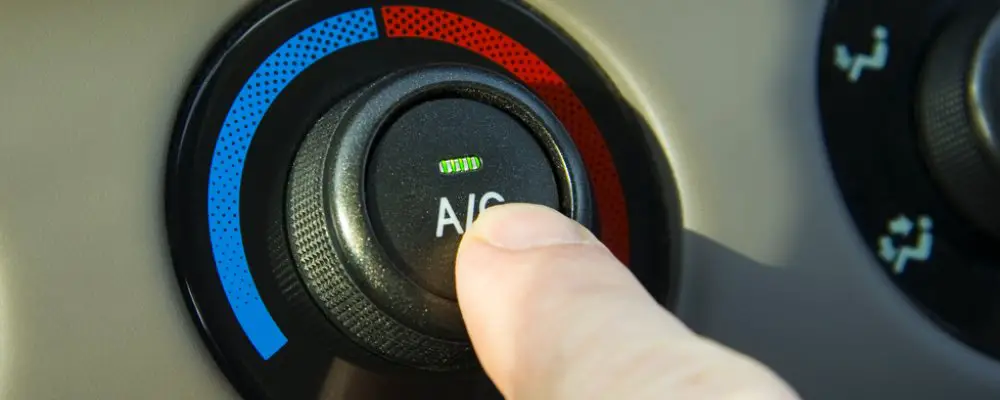
Why is my ac not turning on?
If your AC doesn’t turn on, there could be a number of potential causes. First, check to make sure that your thermostat is set to “cool” and that the temperature is set below the current room temperature.
If the thermostat is set correctly and the AC still won’t turn on, the next step is to check the circuit breaker or fuse.
When the breaker has tripped or the fuse has blown, reset it and try again. If the AC still won’t turn on, the problem could be with the compressor or the condenser. If you suspect the compressor, you’ll need to call a professional for help.
What to do when your ac stops working?
If your AC stops working, there are a few things you can do to try and fix the issue. First, check to make sure that the unit is plugged in and that the circuit breaker is not tripped. If everything appears to be in order, then you can try resetting the unit by turning it off and then back on again.
Why is my ac running but not heating?
If your AC is running but not heating, there are a few possible reasons. One possibility is that the thermostat is not set correctly. Another possibility is that the AC unit is low on refrigerant.
Yet another possibility is that the AC unit is not sized correctly for the space. If your AC is running but not heating, the first thing you should do is check the thermostat. Make sure that it is set to the correct temperature.
If it is, then the next thing you should check is the AC unit itself. Is it low on refrigerant? If so, you’ll need to have it refilled.
Finally, if the AC unit is the correct size for the space, then there may be an issue with the unit itself. In this case, you’ll need to call a professional for help.
Split ac not cooling but fan is running
If your split AC unit’s fan is running but the unit itself isn’t cooling, there are a few potential causes. First, check to make sure that the unit is properly plugged in and that there is power running to it. If the unit is plugged in and there is power running to it, then the issue may be with the unit’s compressor.
The compressor is responsible for circulating refrigerant through the unit, and if it isn’t working properly, the unit won’t be able to cool properly. If the compressor is the issue, you’ll need to call a professional to have it repaired or replaced.
Another potential issue is a dirty or blocked air filter. A dirty or blocked air filter can prevent air from flowing properly through the unit, which can lead to the unit not cooling properly.
Ac not working in an apartment
If your air conditioner isn’t working in your apartment, there are a few things you can check before calling maintenance. First, check your thermostat and make sure it’s set to “cool” and that the temperature is set lower than the current room temperature. If the thermostat is set correctly and the AC still isn’t working, check to see if the outdoor unit is running.
If it’s not, there may be an issue with the power supply to the unit. Finally, check the air filters and make sure they’re clean. If they’re dirty, they can restrict airflow and cause the AC to stop working.
Window ac not cooling but fan is running
If your window air conditioner’s fan is running but the unit isn’t cooling, there are a few potential causes. One possibility is that the air conditioner is low on refrigerant. This could be due to a leak in the system, which will need to be repaired by a professional.
Another possibility is that the air filter is dirty and needs to be replaced. If the filter is clean and the unit is still not cooling, the problem may be with the air conditioner’s evaporator coil. This is a more serious problem that will also require professional repair.
How to Fix Air Conditioner Not Turning On | HVAC Training 101
Conclusion
One possible reason your AC suddenly stopped working is that the power supply to your AC unit may have tripped. Another possibility is that your AC unit may be low on refrigerant. If your AC unit is low on refrigerant, it will need to be recharged in order to work properly.

I got what you mean ,saved to favorites, very decent internet site.