Should I turn off my air conditioner during a thunderstorm? While it is a reasonable concern, there are varying opinions on whether you should turn off your air conditioning unit during a thunderstorm. Many people believe that turning off their AC during a thunderstorm will protect their unit from a lightning strike.
If you live in an area that is prone to thunderstorms, you may be wondering if you should turn off your air conditioner during a storm. The answer is yes; you should turn off your AC during a thunderstorm. Here’s why:
Thunderstorms can cause power surges. These power surges can damage your air conditioner and other appliances in your home. Thunderstorms can also cause trees and branches to fall, which could damage your AC unit.
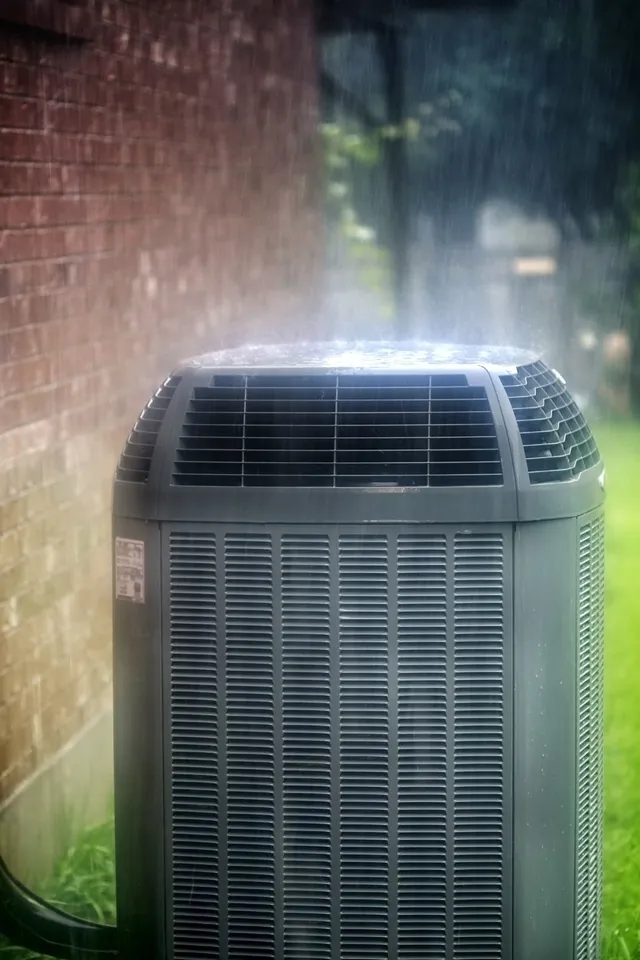
Eventually, thunderstorms can produce heavy rain. If your AC unit is not properly protected, water can damage it and cause it to malfunction. So, to protect your air conditioner and other appliances, it’s best to turn off your AC during a thunderstorm.
In this blog post, we will explore the potential risks and benefits of switching off your air conditioner during a thunderstorm.
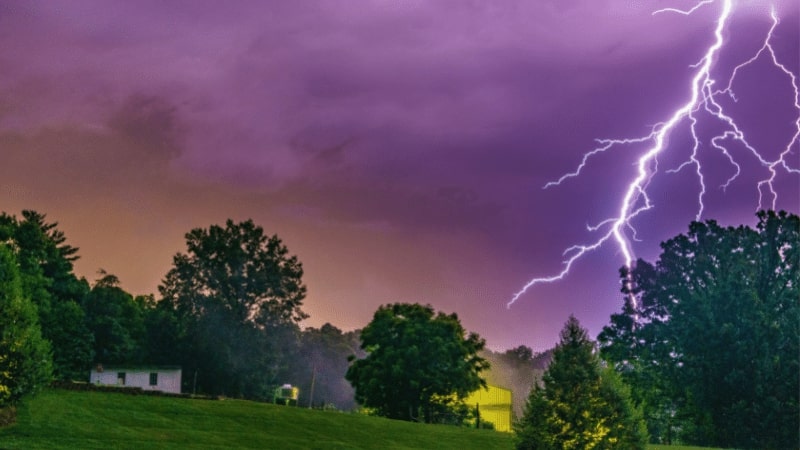
Is it safe to run my air conditioner during a thunderstorm?
Thunderstorms can be dangerous and unpredictable, so it’s important to take precautions when severe weather is in the forecast. One question we often get is whether it’s safe to run your air conditioner during a thunderstorm. The answer is yes; you can safely run your AC during a thunderstorm.
However, there are a few things you should keep in mind to minimize the risk of damage to your AC unit or electrical system. First, if possible, unplug your AC unit before the storm begins. This will help protect it from any power surges that may occur during the storm.
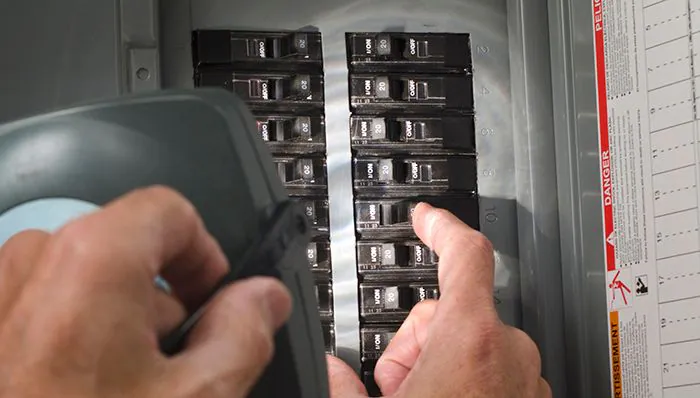
If you can’t unplug your AC unit, make sure to turn it off at the breaker. This will prevent it from drawing any power from the electrical system and minimize the risk of damage. Finally, if your AC unit is located outside, be sure to cover it with a tarp or other waterproof material to protect it from the rain.
Taking these precautions will help to ensure that your AC unit survives the storm unscathed. However, if you do experience any damage to your AC unit or electrical system, be sure to contact a qualified technician to have it repaired or replaced.
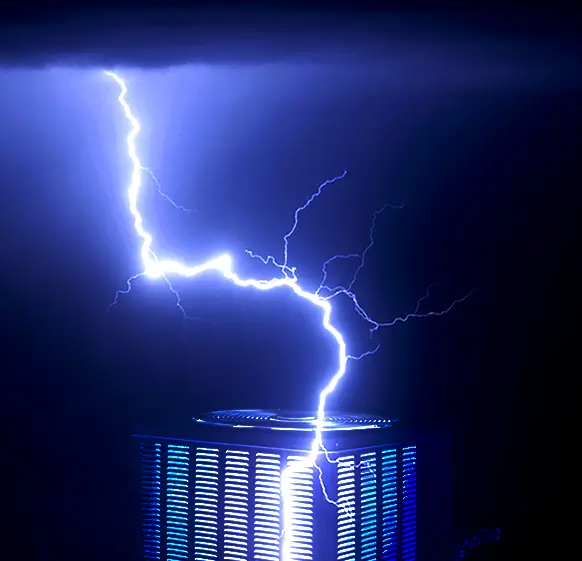
What should I do if my power goes out during a thunderstorm?
If your power goes out during a thunderstorm, there are a few things you can do to stay safe. First, unplug any electronics that you were using before the power went out. This will protect them from power surges when the power comes back on.
Next, find a flashlight and some candles. Candles can be a fire hazard, so be sure to blow them out when you leave the room or go to bed. A flashlight will be useful for moving around your house in the dark.
Finally, stay away from windows and doors during a thunderstorm. If possible, find a room in the center of your house to wait out the storm.
How can I prevent my air conditioner from being damaged during a thunderstorm?
When a thunderstorm hits, the first thing you should do is unplug your air conditioner. This will protect it from any power surges that could occur during the storm. You should also close any windows and doors in your home to prevent wind and rain from getting inside.
If possible, move your air conditioner to a sheltered spot, such as a garage or basement. This will help protect it from the elements. Finally, make sure to check your air conditioner for any damage after the storm has passed.
If you see any damage, you should contact a professional for repairs.
Should I turn off my air conditioner during a hurricane?
As a hurricane approaches, you may be wondering whether to turn off your air conditioner. The answer depends on the severity of the hurricane and the condition of your home. If the hurricane is severe, it’s best to turn off your air conditioner and unplug it from the wall.
This will protect your AC from damage and prevent power outages. If the hurricane is not severe, you can leave your AC on, but be sure to keep an eye on the weather conditions. If the power goes out, you’ll want to turn off your AC to prevent it from overworking when the power comes back on.
Either way, it’s important to have a plan in place for what to do with your AC during a hurricane. Be sure to stay safe and follow the advice of local officials.
Window air conditioner during a thunderstorm
If you live in an area prone to thunderstorms, you may be wondering if it’s safe to use your window air conditioner during a storm. The answer is yes, it is safe to use your window air conditioner during a thunderstorm. However, there are a few things you should keep in mind to ensure your safety.
First, unplug your air conditioner before the storm begins. This will help protect your air conditioner from any power surges that may occur during the storm. Second, close all the windows in your home.
This will help prevent your air conditioner from blowing out any window panes that may be broken by flying debris during the storm. Third, keep an eye on the weather forecast and be prepared to turn your air conditioner off if the storm is expected to be severe. By following these simple tips, you can safely use your window air conditioner during a thunderstorm.
Air conditioner off during a thunderstorm
When a thunderstorm is raging outside, it’s natural to want to stay indoors where it’s nice and cool. But is it safe to keep your air conditioner running during a thunderstorm? The answer is yes and no.
It’s perfectly safe to keep your air conditioner running during a thunderstorm as long as the unit is properly grounded. However, if your air conditioner is not properly grounded, it could become a hazard during a thunderstorm. If you’re not sure whether or not your air conditioner is properly grounded, it’s best to err on the side of caution and turn it off.
You can always turn it back on once the storm has passed.
Is it safe to use ac during rain?
If you’ve ever been outside during a rainstorm, you know that lightning can be a very real and dangerous threat. So, is it safe to use the AC during the rain? The answer is yes; it is safe to use the AC during the rain.
However, there are some precautions you should take to ensure your safety. First, if you can, avoid using AC during a thunderstorm. If you must use the AC during a thunderstorm, make sure to unplug it from the wall outlet.
Second, if you have an outdoor AC unit, make sure to cover it up during a storm. This will protect it from the elements and prevent any potential damage. Third, if you are using AC during a power outage, be sure to use a battery backup system.
This will ensure that your AC unit will continue to operate even if the power goes out. By following these simple safety tips, you can enjoy the comfort of your AC unit during a rainstorm without putting yourself at risk.
Signs of lightning strike to ac unit
On average, thunderstorms produce around 16 million lightning strikes each year. Though most of these strikes occur in the summer months, they can happen any time of year. If you live in an area that’s prone to thunderstorms, it’s important to know the signs that your AC unit has been struck by lightning.
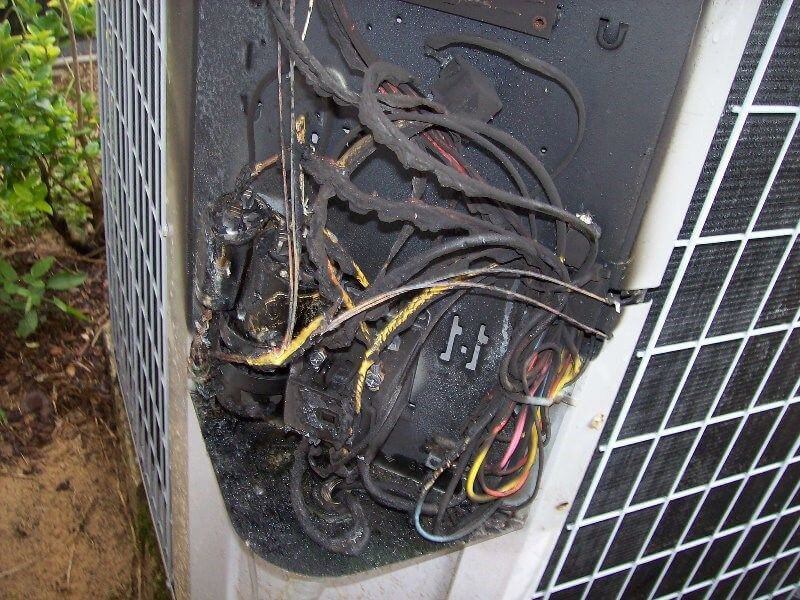
One of the most obvious signs is a loud bang or explosion. This is caused by the massive amount of electricity that flows through the AC unit when it’s struck. Other signs include sparks or flames coming from the unit, smoke, and a burning smell.
If you suspect your AC unit has been struck by lightning, it’s important to call an electrician or HVAC technician immediately. They can inspect the unit and make any necessary repairs. In some cases, the unit may need to be replaced entirely.
Can you run AC during rain?
AC units are designed to withstand a certain amount of moisture, but they are not meant to be run in the rain. If you must run your AC unit during a rainstorm, be sure to keep it covered and protected as much as possible. Also, be sure to check the unit regularly for any water damage.
Will rain damage a window air conditioner?
Window air conditioners are designed to withstand the elements, but that doesn’t mean they’re impervious to damage. Heavy rain can cause water to seep into the unit, damaging the electrical components and shorting out the system. In addition, high winds can dislodge the unit from its window perch, causing it to crash to the ground.
If you live in an area that’s prone to severe weather, it’s important to take steps to protect your window air conditioner. During storms, unplug the unit and close the window to prevent water and wind damage. If possible, move the unit to a sheltered location, such as a garage or storage shed.
If your air conditioner does sustain damage from the weather, it’s important to have it repaired or replaced as soon as possible. Continuing to use a damaged unit can cause further damage to the system and pose a safety hazard.
Can we use split AC during rain?
If you live in an area where it rains frequently, you may be wondering if it’s okay to use your split AC unit during a rainstorm. The answer is yes, you can use your split AC unit during a rainstorm, but there are a few things you should keep in mind. First, make sure that the AC unit is properly covered.
This will help protect it from the elements and keep it working properly. Second, you’ll want to keep an eye on the condenser unit, which is located outside. If it starts to rain heavily, you may want to turn off the AC unit to prevent the condenser from getting wet.
Third, you should know that using your AC unit during a rainstorm can cause your electricity bill to go up. This is because the AC unit has to work harder to cool your home when it’s raining. Fourth, if you have any concerns about using your AC unit during a rainstorm, you can always contact your AC company for more information.
They can help you troubleshoot any problems you may be having. Overall, there’s no need to worry about using your split AC unit during a rainstorm. Just be sure to take a few precautions, and you’ll be fine.
Is it OK to Run My Air Conditioner in a Thunderstorm?
Conclusion
The air conditioner can be turned off during a thunderstorm. The main reason for this is to prevent power surges from damaging the unit. If the power goes out during the storm, the air conditioner will not work anyway.
Also, if there is a lot of wind and rain, the air conditioner will not work as well.
