There are a lot of different air conditioners on the market these days. So, what is the strongest air conditioner? The answer may surprise you.
The strongest air conditioner is not necessarily the most expensive one. In fact, it may be the least expensive one.
Top 5 Best Split AC (Air Conditioner) In 2022
There is no definitive answer to this question as it depends on a number of factors, such as the size and layout of your home, the climate you live in, and your personal preferences. However, we can narrow it down to a few key points to help you choose the strongest air conditioner for your needs.
To start, you’ll want to consider the BTU rating of the unit.
The higher the BTU rating, the more powerful the air conditioner will be. But keep in mind that a higher BTU rating doesn’t necessarily mean that the unit will be more energy-efficient. In fact, some high-BTU units can actually use more energy than lower-BTU models.
So be sure to do your research before making a purchase.
Another important factor to consider is EER (energy efficiency ratio). This measures how much cooling power an air conditioner produces per watt of electricity used.
The higher the EER rating, the more efficient the unit will be. Again, this is something you’ll want to research before making a purchase so that you can find a strong and efficient air conditioner for your needs.
Ac Unit
If you’re like most people, you probably don’t give your air conditioner much thought—that is, until it stops working on a hot summer day. Then, suddenly, all you can think about is how to get it up and running again. Fortunately, troubleshooting an AC unit isn’t rocket science.
In this blog post, we’ll walk you through some of the most common issues that can cause your air conditioner to stop working and what you can do to fix them.
One of the most common reasons for an AC unit to stop working is simply because it’s dirty. Over time, dirt and dust can build up on the coils and other parts of the unit, causing it to work less efficiently.
Luckily, this is an easy problem to fix: just clean the coils with a brush or vacuum attachment (being careful not to damage them) and make sure there’s no debris blocking the airflow around the unit.
Another common issue is a tripped circuit breaker. If your AC unit suddenly stops working, check your home’s circuit breaker box to see if any of the breakers have been tripped.
If so, simply reset them and try turning on your AC unit again. If that doesn’t work or you’re not sure which breaker controls your AC unit, call an electrician for help.
Finally, one of the more serious issues that can cause an AC unit to stop working is a refrigerant leak.
Refrigerant is what helps cool air as it passes through your AC unit; when there’s a leak, there’s not enough refrigerant left to do its job properly.
Lg Air Conditioner
As the weather warms up, many of us are thinking about ways to stay cool. One option is to install an air conditioner. If you’re considering an AC unit for your home, you may be wondering which brand to choose.
In this blog post, we’ll take a look at LG air conditioners and some of the features that make them stand out.
LG is a leader in consumer electronics and appliances, so it’s no surprise that they offer high-quality air conditioners. Some of the things that make LG AC units unique include:
Advanced Inverter Technology: This feature allows LG units to operate more efficiently than traditional ACs, saving you money on your energy bill.
Quiet Operation: LG air conditioners are designed to run quietly, so you can enjoy the cooling power without all the noise.
Multiple Installation Options: depending on your needs, LG offers several different installation options for their AC units.
This flexibility makes it easy to find a solution that works for your home.
Self-Cleaning Function: The self-cleaning function helps keep your LG air conditioner running smoothly by removing dust and dirt from the unit automatically.
These are just a few of the reasons why LG air conditioners are worth considering for your home cooling needs this summer.
With their advanced features and flexible installation options, they offer a great solution for keeping cool while saving money on your energy bill.
Top 10 Air Conditioner Brands
1. LG
2. Carrier
3. Daikin
4. Trane
5. Blue Star
6. Voltas
7. O General
8. Mitsubishi Heavy Industries
9. Hitachi
Most Powerful Portable Air Conditioner
As the weather heats up, many of us are looking for ways to keep cool without breaking the bank. Portable air conditioners can be a great solution, and there are a variety of options on the market to choose from. But with so many choices, how do you know which one is right for you?
To help you make an informed decision, we’ve put together a list of things to consider when choosing a portable air conditioner. Read on for our top tips!
1. BTUs
The British Thermal Unit, or BTU, is a measure of heat energy. The higher the BTU rating, the more powerful the air conditioner. When it comes to portable air conditioners, 4500-6000 BTUs will usually suffice for small rooms (up to 250 square feet).
If you’re looking to cool a larger space (up to 400 square feet), you’ll need an AC unit with a higher BTU rating.
2. Energy Efficiency Ratio (EER)
The energy efficiency ratio measures how much cooling capacity an air conditioner has per watt of power it uses.
A higher EER means better energy efficiency and lower operating costs. To calculate the EER, divide the BTU rating by the watts used (you can find this information on the appliance’s label). Generally speaking, portable air conditioners with an EER of 9 or above are considered good; anything above 12 is excellent.
3. Dehumidifying Capacity
In addition to providing cooling relief from the heat, many portable AC units also have dehumidifying capabilities. This can be especially helpful if your home tends to be humid in summertime due to high temperatures and/or lack of ventilation.
Dehumidifying capacity is measured in pints per hour (pph), and most portable AC units can remove around 50-70 pph under ideal conditions (low humidity and proper ventilation).
4. Noise Level
If noise level is important to you – for example, if you plan on using your portable AC unit in a bedroom – look for models that have low dBA ratings (usually below 65 decibels).
Best Bedroom Air Conditioner
The Best Bedroom Air Conditioner
When the weather outside is hot and humid, coming home to a cool and comfortable bedroom can make all the difference. If your home doesn’t have central air conditioning, or if you want to supplement the cooling in your bedroom, you may be wondering what kind of air conditioner to buy.
There are many different types and models of air conditioners on the market, so it’s important to know what features to look for when choosing the best one for your needs. The first thing to consider is the size of the unit. You’ll need to know the square footage of your bedroom in order to choose a unit that’s properly sized.
Too small a unit will struggle to cool your room, while too large a unit will cool it too quickly and then shut off before removing all the humidity from the air, leaving you with a cold, clammy feeling.
Next, decide what type of air conditioner you want. There are window units, portable units, and whole-house units.
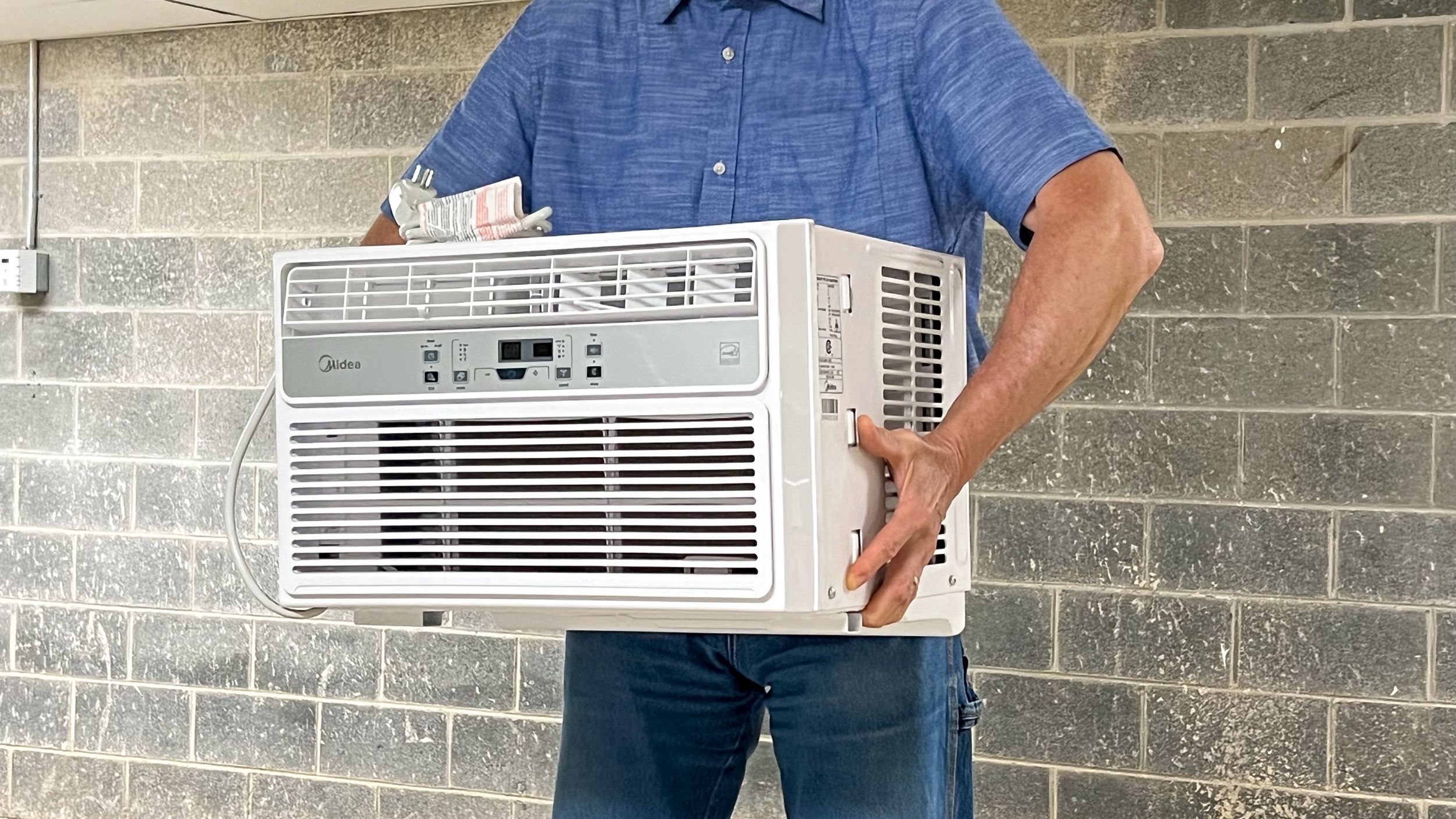
Window units are installed in an open window and blow cooled air into the room. Portable units sit on the floor and take in warm air from around them, cooling it before releasing it back into the room. Whole-house units are connected to your home’s ductwork and circulate cooled air throughout your entire home.
If you have allergies or sensitivities to certain airborne particles like dust or pollen, look for an air conditioner with a filter that can remove these particles from circulation. Some filters are washable; others need to be replaced periodically (usually every few months). Many newer models also come with remote controls so you can adjust temperature settings without getting up from bed!
Whatever type of AC unit you choose for your bedroom, be sure to read reviews from other customers before making your purchase. And once you have your new unit installed or set up, enjoy those cooler nights indoors!
Credit: www.popularmechanics.com
What is the Highest Btu on an Air Conditioner?
There is no definitive answer to this question as it depends on a number of factors, including the size and type of air conditioner. However, most air conditioners have a maximum BTU rating of around 36,000 BTUs. This means that they are capable of cooling a room that is up to 1,500 square feet in size.
Which Ac Has Best Cooling Capacity?
There are a few factors to consider when trying to determine which AC has the best cooling capacity. The first is the size of the unit. A larger AC will obviously have a greater cooling capacity than a smaller one.
Another factor to consider is the efficiency of the unit. A more efficient AC will use less energy to cool your home, which can save you money on your utility bills. Finally, you should also consider the features of the AC unit.
Some units come with special features that can help improve their cooling capacity, such as variable speed fans and multi-stage compressors.
Which Ac Has More Cooling Window Or Split?
The most important factor to consider when choosing an air conditioner is the cooling capacity. But other factors such as Energy Efficiency Ratio (EER), Seasonal Energy Efficiency Ratio (SEER), and noise levels also play a role in deciding which AC is best for you.
Window AC units are less expensive than split ACs.
They are also easier to install and require no ductwork. But window ACs have some drawbacks too. They can be noisy and take up valuable space in your window.
Split ACs, on the other hand, are more energy-efficient and have lower noise levels. But they are more expensive to buy and install, and require ductwork.
So, which type of AC is best for you?
It depends on your needs and budget. If you want an affordable option that is easy to install, then a window AC unit would be a good choice. But if you want an energy-efficient option with low noise levels, then a split AC would be a better choice.
Conclusion
The strongest air conditioner is the one that can best handle the heat. It needs to be able to cool down a room quickly and efficiently. However, there are other factors to consider when choosing an air conditioner.
The size of the unit, its features, and how much it costs all play a role in determining which AC is the best for your needs.
