The size of the air conditioner cover you need is determined by the measurements of your unit.
When determining what size air conditioner cover do I need, there are a few factors to consider. The first is the size of the unit. You’ll need to measure the height, width, and depth of your air conditioner. The second is the climate. If you live in an area with severe weather conditions, you’ll need a heavy-duty cover. Finally, consider the material. Air conditioner covers are made from a variety of materials, so choose one that will best suit your needs.
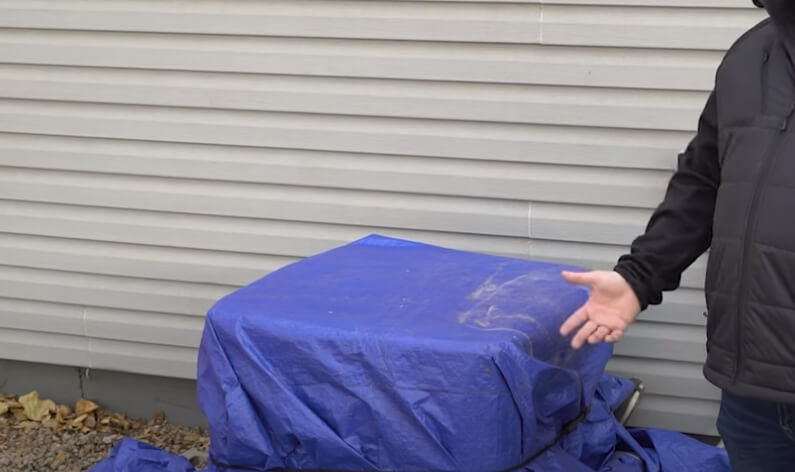
Should I Cover My Air Conditioner?
As a professional in the HVAC industry, it is important to consider whether or not to cover your air conditioner during the off-season. While some homeowners may believe that covering their unit will protect it from the elements and extend its lifespan, covering your air conditioner can actually do more harm than good. Covering your unit can trap moisture inside, leading to rust and corrosion. Additionally, covering your air conditioner can create a warm and humid environment that can attract pests and rodents, leading to potential damage.
Some other professionals recommended covering your air conditioner during the off-season or when it is not in use for an extended period of time. They think that this will protect it from natural elements such as falling debris, snow, and ice that can cause damage to the unit. Additionally, covering the air conditioner can prevent dust and debris from accumulating inside the unit, which can negatively impact its performance.
As a result, whether or not to cover your air conditioner is a matter of personal preference. Depending on the weather, you may want to consider covering it. To ensure optimal efficiency and lifespan, keep your air conditioner exposed when using it and cover the air conditioner during the off-season.
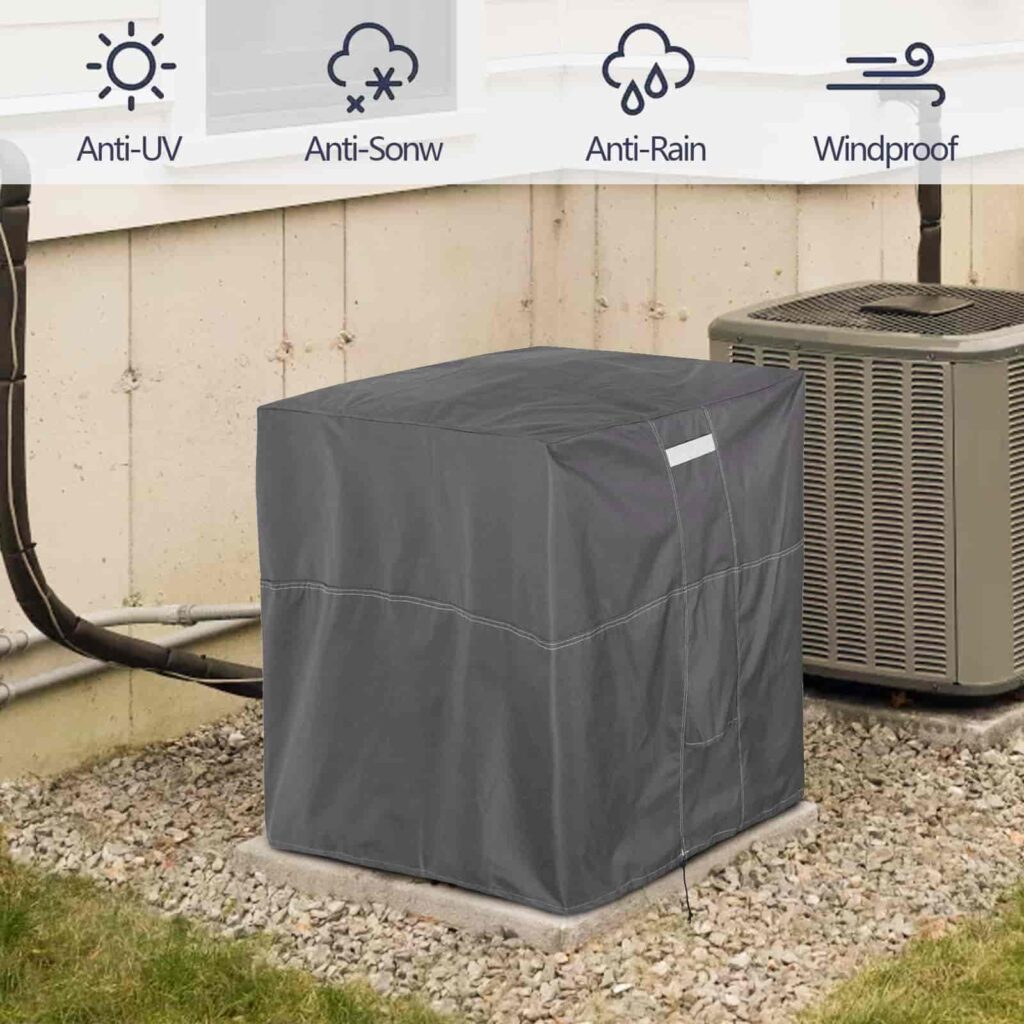
Why You Need An Air Conditioner Cover?
If you have an air conditioner, you need an air conditioner cover. Here’s why:
1. Air conditioners are expensive. An air conditioner cover will protect your investment from the elements and prolong its life.
2. Air conditioners are vulnerable to weather damage. An air conditioner cover will protect your unit from wind, rain, snow, and sun damage.
3. Air conditioners are an eyesore. An air conditioner cover will improve the appearance of your home by hiding the unit.
4. Air conditioners can be a safety hazard. An air conditioner cover will prevent children and pets from accessing the unit and being injured.
5. Air conditioners can be a source of noise pollution. An air conditioner cover will muffle the sound of the unit, making it more bearable for you and your neighbors.
6. Air conditioners can be a source of light pollution. An air conditioner cover will block the light from the unit, making it less of a nuisance at night.
7. Air conditioners can attract pests. An air conditioner cover will keep insects and other pests away from the unit.
8. Air conditioners can be a source of dust and dirt. An air conditioner cover will keep the unit clean and prevent dust and dirt from entering your home.
9. Air conditioners can be a source of mold and mildew. An air conditioner cover will save the unit from the attack of insects and other harmful objects.
As a result, you may consider covering your expensive air conditioner to get optimum output as well as be safe from diseases. However, never cover up your unit while it is running.
The Benefits Of Using An Air Conditioner Cover
If you’ve ever spent any time in a hot, stuffy room, you know how important it is to have a working air conditioner. But did you know that using an air conditioner cover can help prolong the life of your unit and keep it running more efficiently?
Here are just a few of the benefits of using an air conditioner cover:
1. Protection from the elements: An air conditioner cover protects your unit from the elements, including sun, rain, snow, and ice. This can help prolong the life of your unit by protecting it from corrosion and other damage.
2. Energy efficiency: By keeping your unit clean and free of debris, an air conditioner cover can help improve its energy efficiency. This means your unit won’t have to work as hard to cool your home, which can save you money on your energy bills.
3. Reduced noise: An air conditioner cover can also help reduce the noise your unit makes. This can be a great benefit if you have a unit that’s located near your bedroom or another area where you don’t want to be disturbed by loud, disruptive noises.
4. Better air quality: By filtering out dust and other airborne particles, an air conditioner cover can help improve the air quality in your home. This can be especially beneficial for people with allergies or asthma.
5. Increased safety: An air conditioner cover can also help increase the safety of your unit. Covers can keep the unit safe from weather damages like snow, ice, and rain.
The use of air conditioner covers ensures your unit stays in good condition for extended periods, providing the best performance year after year.
What Size Air Conditioner Cover Do I Need? Factors Need to Consider
When it comes to air conditioner covers, choosing the right size is crucial. An ill-fitting cover can leave your air conditioner exposed to the elements, leading to potential damage and costly repairs.
To determine what size air conditioner cover you need, measure the height, width, and depth of your unit. Use these measurements to find a cover that fits snugly around your air conditioner, without being too tight or too loose.
Keep in mind that covers should be made of durable, weather-resistant materials to provide optimal protection.
By selecting the correct size and material, you can ensure that your air conditioner remains in top condition for years to come.
Measuring For The Correct Air Conditioner Cover Size
It’s important to measure your air conditioner before purchasing a cover for it. You’ll need to know the width, height, and depth of your unit in order to find a cover that fits properly.
To measure the width of your air conditioner, simply measure the distance across the front of the unit. For the height, measure from the top of the unit to the ground. To find the depth, measure from the front of the unit to the back.
Once you have these measurements, you can start shopping for air conditioner covers. There are a variety of sizes and styles available, so you should be able to find one that fits your unit perfectly.
If you’re not sure which size cover to purchase, it’s always a good idea to err on the side of caution and buy a larger size. That way, you can be sure that the cover will fit over your air conditioner without being too snug.
How To Choose The Right Air Conditioner Cover For Your Needs.
If you’re shopping for an air conditioner cover, you’ve probably noticed that there are many styles, sizes, and materials to choose from. How do you know which one is right for you?
Here are a few things to consider when choosing an air conditioner cover:
1. The size of your air conditioner: Make sure to measure your air conditioner before you buy a cover, so you know what size to look for.
2. The climate: If you live in a climate that gets very hot or very cold, you’ll want to choose a cover that’s designed to withstand extreme temperatures.
3. The material: Air conditioner covers are usually made from either plastic or metal. Some people prefer the look of metal, but plastic is often lighter and easier to store.
4. The price: Air conditioner covers can range in price from a few dollars to a few hundred dollars. It’s important to find a cover that fits your budget.
5. The warranty: Some air conditioner covers come with a warranty, which can be helpful if you have any problems with the cover in the future.
Once you’ve considered all of these factors, you should be able to narrow down your choices and find the perfect air conditioner cover for your needs.
Conclusion
In conclusion, finding the right size air conditioning cover for your unit is crucial to protect it from damage during the off-season. It’s not a difficult task, but it does require some knowledge about your unit’s size and measurements.
Taking the time to measure your AC unit and selecting a cover that fits properly will ensure that your air conditioner is protected from the elements and will be ready to use when the warm weather returns. With the right size air conditioner cover, you can extend the life of your unit and save money in the long run.
