Covering an air conditioner, particularly during off-season periods, can be beneficial in protecting the unit from various external elements. Outdoor units can be exposed to inclement weather, dust, leaves, and other debris that may potentially damage the components over time.
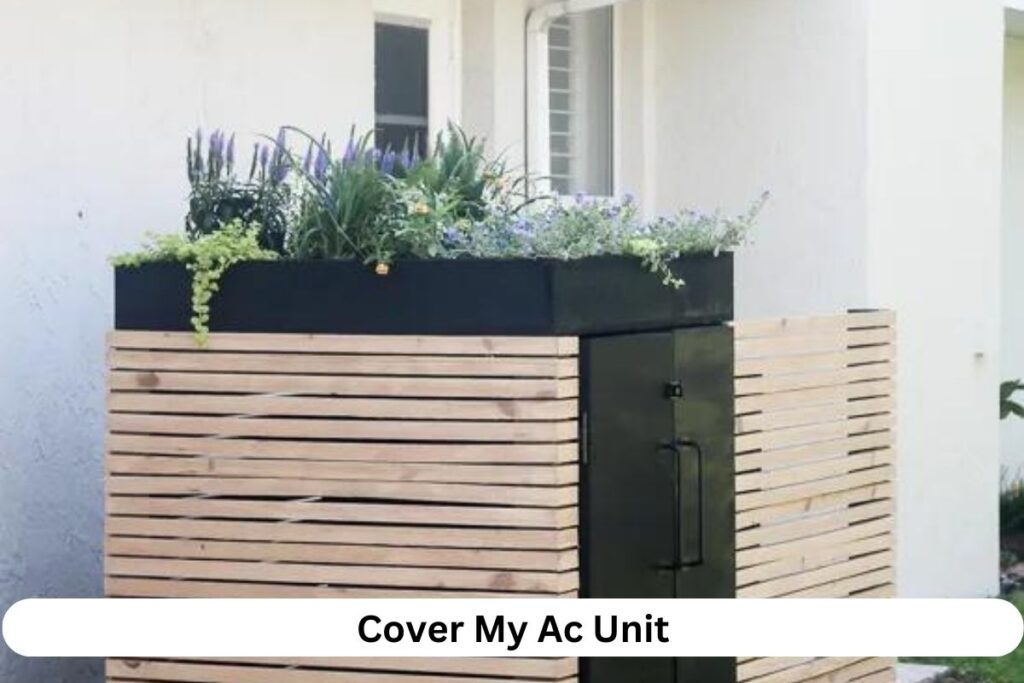
Using a cover can help mitigate these risks and extend the lifespan of the air conditioner. However, it’s important to ensure the unit is completely off and dry before covering to prevent the buildup of moisture which can lead to corrosion or mold growth.
As the temperatures start to rise, you may be wondering if you should cover your AC unit.
There are a few things to consider when making this decision.
- First, will covering the unit keep it clean?
- Second, will it help the unit run more efficiently?
- Third, is there a risk of damaging the unit if it is covered?
If you live in an area with a lot of dust or pollen, covering your AC unit may help to keep it clean.
This can be especially beneficial if you have allergies or asthma. Covering the unit can also help to protect it from the elements, which can prolong its life.
However, it is important to make sure that the cover is breathable. If it is not, it could cause the unit to overheat and damage the compressor. If you are looking to increase the efficiency of your AC unit, covering it may not be the best solution. In fact, it could actually decrease efficiency.
The unit needs airflow to function properly, so a cover could restrict the airflow and cause the unit to work harder. If you are concerned about energy efficiency, you may want to consider investing in a more energy-efficient model. There is a risk of damaging your AC unit if you cover it.
If the cover is not breathable, it could cause the unit to overheat and damage the compressor.
Ultimately, the decision of whether or not to cover your AC unit is up to you. But if you’re not sure, it’s better to be safe than sorry – covering it up is usually the best bet.

Does covering your AC unit help?
Most people believe that covering their air conditioner will help it to run more efficiently. Unfortunately, this is not the case. Covering your air conditioner can actually do more harm than good.
Here’s why: When you cover your air conditioner, you trap moisture and humidity underneath the cover. This can lead to rust and corrosion, which can shorten the lifespan of your air conditioner.
Covering your air conditioner also prevents air from circulating in the unit. This can cause the air conditioner to overheat, which can lead to expensive repairs.
So, what can you do to help your air conditioner run more efficiently?
Make sure that the area around your air conditioner is clear of debris and vegetation. This will help ensure that the air can circulate freely around the unit. Also, be sure to change your air filter regularly.
A clean air filter will help your air conditioner run more efficiently and prevent expensive repairs.
Should I Cover My Ac Unit With Top 3 Informative Tricks
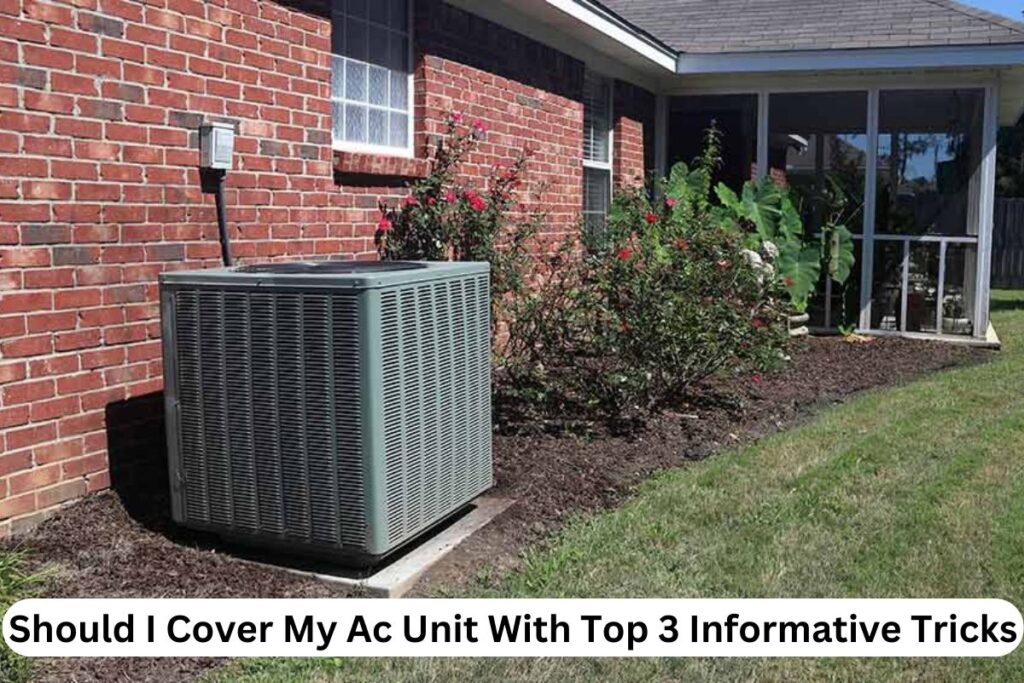
Covering your air conditioner, particularly the outdoor unit, during the off-season can help extend its lifespan by protecting it from debris and harsh weather. However, you should also be careful to not create an environment that encourages mold growth. Here are the top three tricks:
- Cover the Top Only: Cover just the top of your outdoor unit to protect it from falling leaves or snow. Make sure the cover is breathable to avoid trapping moisture, which can lead to rust and mold.
- Choose the Right Cover: Use a cover that’s designed specifically for air conditioners. It should be durable, waterproof, and fit your unit snugly, while allowing some air circulation to prevent moisture buildup.
- Check and Clean Before Covering: Before covering your air conditioner, clean it thoroughly and check for any signs of damage or mold. Repair any damage before covering the unit to avoid worsening the problem over the winter.
Always follow the manufacturer’s recommendations for your specific air conditioner model, as some manufacturers do not recommend covering at all due to the risk of creating a suitable environment for pests or trapping moisture.
Why you shouldn’t cover your air conditioner?
You might be surprised to learn that covering your air conditioner is actually not a good idea! There are several reasons why you shouldn’t cover your air conditioner, even if it’s just for the winter months. Here are some of the top reasons:
1. It can cause your air conditioner to overheat.
2. Cover can cause condensation, which can lead to rust and other damage.
3. It can block airflow and cause your air conditioner to work less efficiently.
4. It can attract pests, which can cause all sorts of problems.
So, as you can see, there are plenty of good reasons to avoid covering your air conditioner. And, if you were thinking about doing it, you might want to think again!
Should I Cover My Air Conditioner In Winter?
The answer is yes! By covering your AC unit, you can help protect it from the elements and extend its lifespan.
Here are a few tips for how to cover your air conditioner in winter:
1. Use a tarp or heavy-duty plastic sheeting to cover the unit.
2. Secure the tarp or plastic sheeting in place with bungee cords or ropes.
3. Make sure the cover is tight and secure, so that snow and ice cannot get inside.
4. Check the cover periodically throughout the winter to make sure it is still in place and good condition.
By following these simple tips, you can help keep your air conditioner in good condition and prolong its life. So don’t forget to cover your A/C unit this winter!
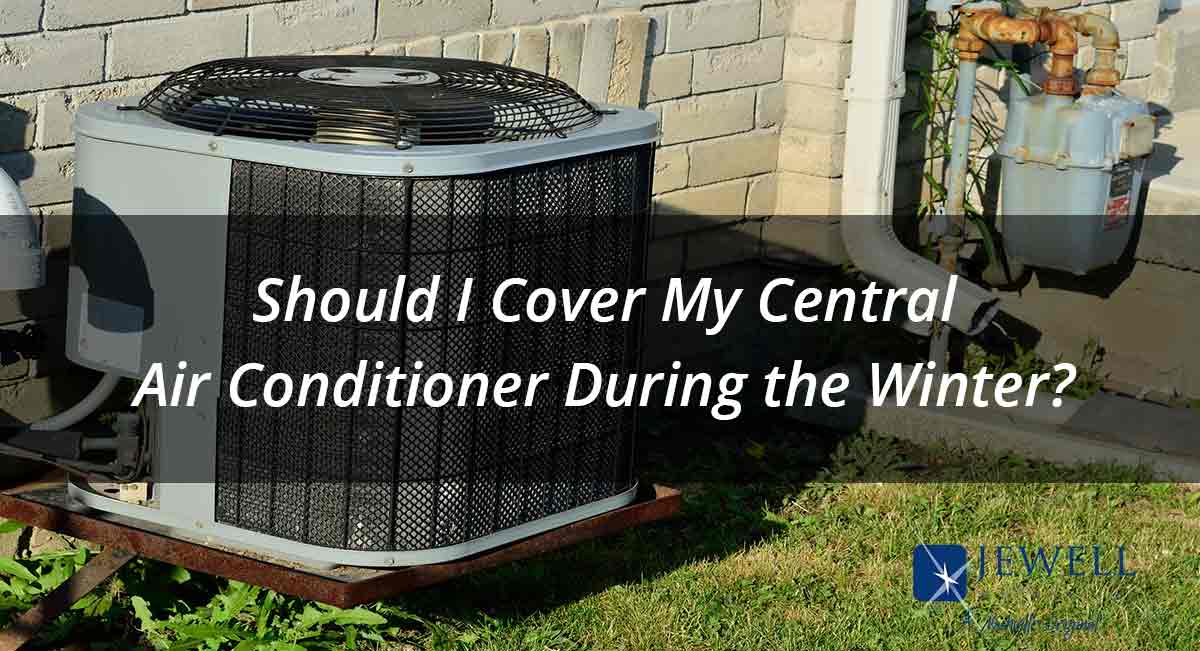
Is it good to cover your AC unit in the winter?
Yes, it is good to cover your AC unit in the winter. Though AC unit is designed to be outdoors and exposed to the elements but you should cover the AC unit while it is not working in winter.
How do I protect my air conditioner for the winter?
Assuming you live in an area where it gets cold in the winter, you’ll want to take some steps to protect your air conditioner so it will be in good working order when spring and summer come around again. First, if your air conditioner is an outdoor unit, you’ll want to cover it with a tarp or other type of waterproof cover. This will keep it dry and protected from the elements.
Next, you’ll want to make sure the unit is clean. Remove any leaves or other debris that may have accumulated on it over the year. Finally, you’ll want to have a professional inspect and service the unit.
This will ensure that it’s in good working condition and that any potential problems are caught and repaired before they become major issues. By taking these simple steps, you can help protect your air conditioner and ensure it will be ready to keep you cool and comfortable when the warm weather arrives.
What happens if you don’t cover your AC in the winter?
If you don’t cover your AC in the winter, it can lead to several problems. The most obvious problem is that the AC unit will be more susceptible to damage from the elements. This is because the unit will be exposed to snow, ice, and freezing temperatures, which can cause the unit to malfunction.
In addition, the AC unit will be less efficient when it is not covered, which can lead to higher energy bills. Finally, not covering your AC unit can also void your warranty.
Should I cover my window air conditioner in the winter?
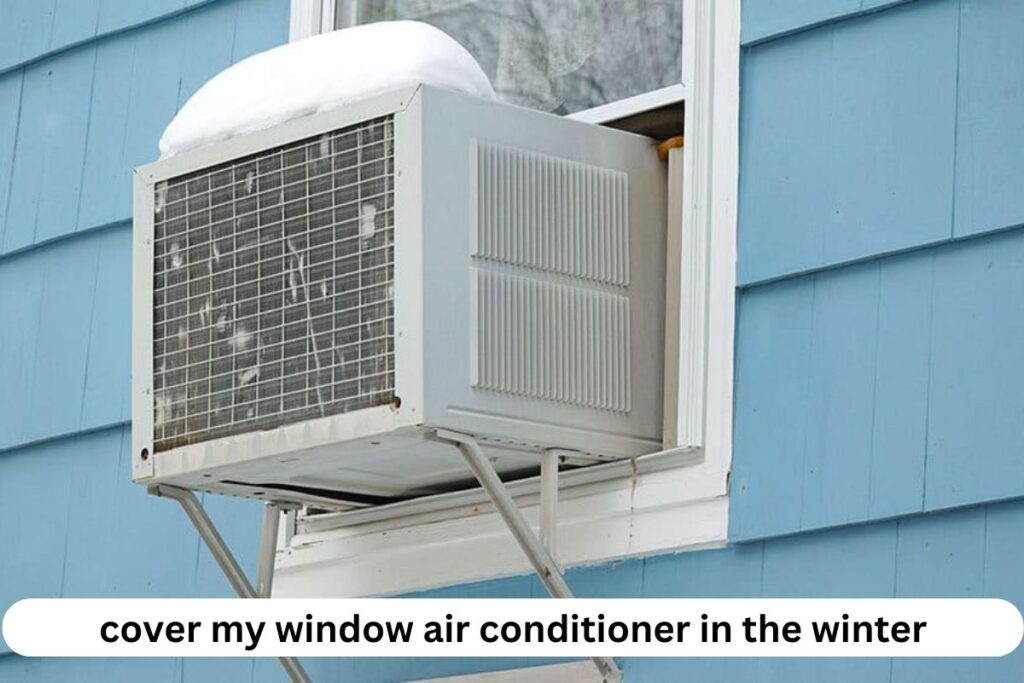
If you live in a climate where the winters are cold, you may be wondering if you should cover your window air conditioner. The answer is yes, you should cover your window air conditioner in the winter. There are a few reasons why you should cover your window air conditioner in the winter.
First, it will help to protect your air conditioner from the elements. Snow, ice, and wind can all damage your air conditioner, so it’s important to keep it covered. Second, covering your air conditioner will help to keep it clean.
Dust and dirt can build up on your air conditioner over time, and covering it will help to keep that dirt and dust from getting inside. Third, covering your air conditioner will help to prevent ice and frost build-up. If ice and frost build-up on your air conditioner, it can damage the unit.
So, it’s important to keep it covered to prevent this from happening. Overall, there are many reasons why you should cover your window air conditioner in the winter. Doing so will help to protect your air conditioner and keep it running smoothly for years to come.
Should I cover my AC unit in the summer?
Assuming you mean during the off-season when the unit isn’t in use: It’s generally a good idea to cover your AC unit when it’s not in use, especially if it’s going to be exposed to the elements. This will help protect it from dust, debris, and weather damage.
However, you don’t want to completely seal off the unit, as it needs to be able to ventilate. Make sure there’s still some airflow around the unit, and that you can access it for maintenance.
Covering AC After Summer: Should You Do It?
Air conditioner covers
If you live in an area where it gets hot in the summer, then you know how important it is to have a working air conditioner. But did you know that you can extend the life of your AC unit by using a cover? Air conditioner covers are designed to protect your unit from the elements when it’s not in use.
They’re usually made from durable materials like canvas or polyester, and they’re easy to put on and take off. covers can help keep your air conditioner clean and free of debris, and they can also prevent damage from happening to your unit. If you live in an area where there are severe weather conditions, then a cover can also help protect your AC unit from wind, rain, and hail.
There are a few things to keep in mind when you’re choosing an air conditioner cover. Make sure that the cover is the right size for your unit, and that it has a tight fit. You also want to make sure that the cover is breathable so that your unit doesn’t overheat.
If you take care of your air conditioner, then it will take care of you. And using a cover is one of the best ways to keep your AC unit in top condition.
Breathable air conditioner cover
If you have an air conditioner, you know that one of the most important things you can do to maintain it is to keep it covered when it’s not in use. This not only helps to protect it from the elements but also helps to keep it clean and dust-free. There are a lot of air conditioner covers on the market, but not all of them are created equal.
Some are made from materials that are not breathable, which can trap moisture and cause mold and mildew to grow. This can be a serious health hazard, so it’s important to choose a breathable air conditioner cover. There are a few things to look for when choosing a breathable air conditioner cover.
First, make sure that the material is breathable. This can be determined by looking for a cover that has vents or holes in it. Second, make sure that the cover is made from a durable material that will withstand the elements.
And finally, make sure that the cover is easy to put on and take off. With a bit of research, you should be able to find a breathable air conditioner cover that meets all of your needs.
Air conditioner top cover
If you have an air conditioner, it’s important to keep the top cover clean. Otherwise, dirt and dust can accumulate on the coils and prevent the air conditioner from working properly. The best way to clean the top cover of your air conditioner is to vacuum it with a soft brush attachment.
You can also wipe it down with a damp cloth. Be sure to unplug the air conditioner before you begin cleaning it. Once you’ve cleaned the top cover, you can replace the filter and put the cover back on.
Your air conditioner will be good as new and ready to keep your home cool and comfortable all summer long!
Should I cover my Lennox air conditioner?
If you have an older model Lennox air conditioner, you may be wondering if you should cover it during the winter months. While it’s not necessary to cover your AC unit, it can help extend its lifespan. If you live in an area where snow and ice are common, covering your air conditioner can help prevent rust and corrosion.
It can also help keep debris from getting into the unit and damaging the coils. If you decide to cover your air conditioner, be sure to use a heavy-duty tarp or cover that’s specifically designed for AC units. Don’t use a regular tarp, as it could blow away or allow moisture to get inside the unit.
Remove the cover before turning on the air conditioner in the spring, and be sure to clean the unit before using it for the first time.
By taking a few simple steps, you can help keep your Lennox air conditioner running smoothly for years to come.
Conclusion
In the summer, it’s important to keep your AC unit running properly. One way to do this is to cover it when it’s not in use. This will protect it from the elements and keep it clean.
There are a few things to consider when deciding whether or not to cover your AC unit. First, you’ll need to find a cover that fits properly.
Second, you’ll want to make sure the cover is breathable so that your AC unit can properly ventilate.
Finally, you’ll want to consider how often you’ll be using your AC unit. If you only use it occasionally, it’s probably not necessary to cover it. But if you use it regularly, a cover can help extend its life.
