If you’ve ever found your AC’s drain line clogged, you know it’s a pain. But why does this happen, and how can you prevent it? Let’s take a look.
The most common is that the line is simply old and needs to be replaced. If your AC is more than a few years old, it’s a good idea to have the drain line inspected and replaced if necessary.
Another reason for a clogged AC drain line is that the drain pan is full of water. This can happen if the AC is not draining properly or if there is a leak in the drain pan. Either way, the pan needs to be emptied, and the AC should be inspected for leaks.
Finally, your AC’s drain line may clog if there is debris in it. This could be anything from dust to leaves to small animals.
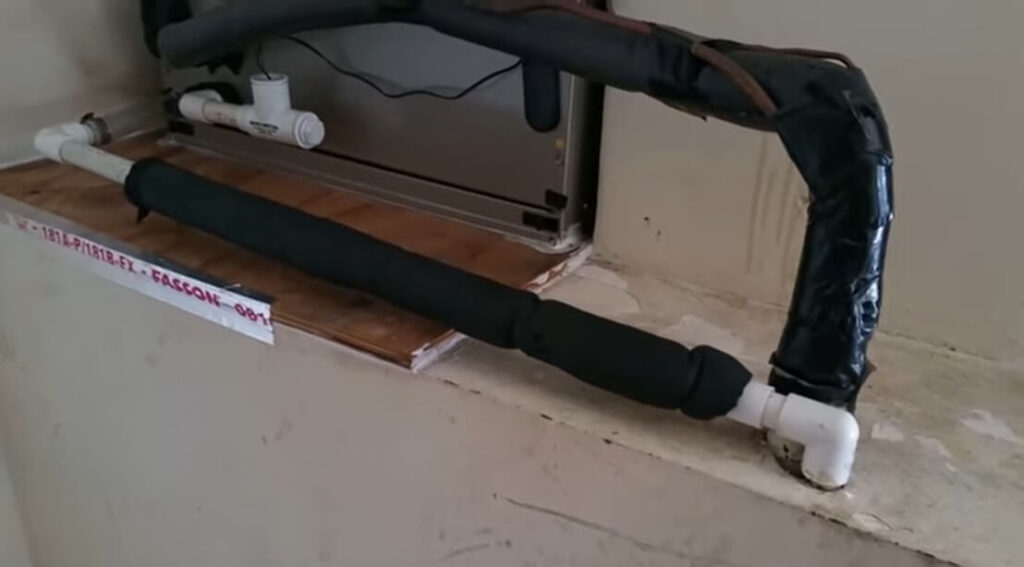
Why Does My AC Drain Keeps Clogging? Discover the Reasons!
There are several reasons why your AC drain keeps clogging, which can be frustrating and costly. Here are some possible contributors to this issue:
- Dirt and debris buildup: Over time, dust, dirt, and other particles can accumulate in your AC system and block the drain. This is especially common if you don’t clean or replace your air filters regularly.
- Algae and mold growth: When there’s moisture in your AC system, it can create a breeding ground for algae and mold, which can clog your drain line.
- Poorly designed or installed drain line: If your AC drain line was not installed properly or is too narrow, it can easily become clogged.
- Low refrigerant level: If your AC is low on refrigerant, it can cause the evaporator coil to freeze, leading to a blocked drain line.
With regular maintenance, you can control many of the above issues and keep your air conditioner clogging-free.
But if you have any of these problems and can’t fix them yourself, it’s best to get help from a professional to make sure your air conditioner works well and runs smoothly.
How do I stop my AC drain from clogging?
If your AC drain line is clogged, you’ll need to take some immediate action to clear the line and prevent the clog from returning. Luckily, there are a few simple things you can do to unclog your AC drain line and keep it flowing freely. The first thing you’ll need to do is locate the clog.
This is usually easy to do, as the clog will cause water to back up in the drain line. Once you’ve found the clog, you can try to remove it with a plunger. If the plunger doesn’t do the trick, you can try using a plumber’s snake.
If the clog is located further down the drain line, you may need to call a professional to clear it. In most cases, a professional will be able to clear the clog quickly and efficiently. Once you’ve cleared the clog, it’s important to take steps to prevent it from returning.
First, make sure that you’re using the AC unit properly. If you’re not using it correctly, it can lead to clogs. Second, have your AC unit serviced regularly.
This will help to keep the unit clean and free of debris. If you follow these simple tips, you should be able to keep your AC drain line clear and flowing freely.
Why does my AC condensate line keep clogging?
If your AC condensate line keeps clogging, there could be a few different reasons why. The most common reason is that the line is not installed properly, or it is not the right size for your AC unit. Another reason could be that the line is not pitched correctly, which means that water is not flowing properly and is instead sitting in the line and clogging it.
You can clean out your AC condensate line yourself with a wet/dry vac, or you can hire a professional to do it for you.
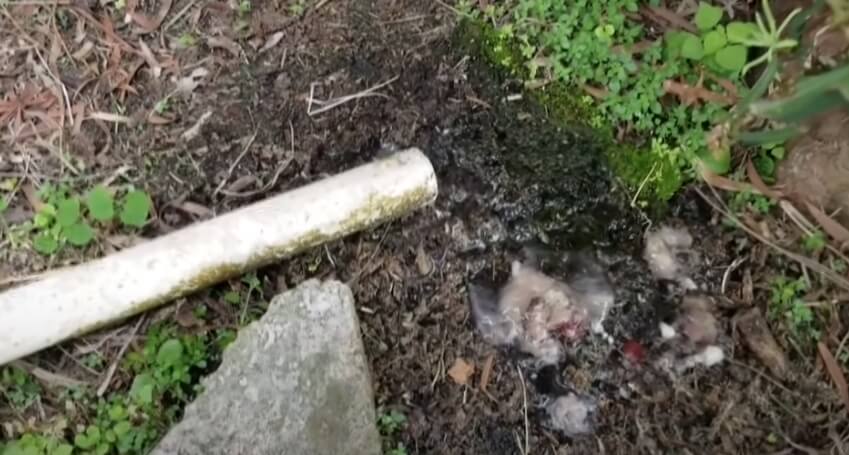
How often should an AC drain line clog?
If your AC’s drain line becomes clogged, it could cause water to back up and overflow inside your unit, leading to expensive repairs.
To avoid this, it’s important to clear your drain line regularly. Depending on the size of your unit and the amount of use it gets, you may need to clear your drain line every few weeks or months.
If you notice water pooling around your AC unit, it’s a sign that your drain line is clogged and needs to be cleared. To clear a clogged drain line, start by disconnecting your AC unit from its power source. Then, use a wet/dry vac to suction out any water and debris from the line.
Finally, flush the line with a garden hose to remove any remaining debris.
Stubborn ac drain clog
If your home has an ac drain clog, it can be a real pain. The clog can cause your air conditioner to stop working properly, and it can be difficult to remove.
However, there are some things you can do to try to remove the clog and get your air conditioner working again.
First, you can try using a plunger. If the clog is small, you may be able to dislodge it with a plunger. Just make sure to cover the drain with the plunger so that you create a seal.
Then, push and pull the plunger up and down to try to dislodge the clog. If the plunger doesn’t work, you can try using a drain snake. A drain snake is a long, flexible piece of metal that you insert into the drain.
Then, you turn the handle to try to snake the clog out of the drain. If neither of these methods works, you may need to call a plumber. A plumber can use a special tool to remove the clog. However, this may be a last resort, as it can be expensive.
AC Drain line Keeps Clogging
A clogged AC drain line can be a frustrating and potentially damaging problem. The drain line is responsible for removing condensation from your air conditioning unit, and when it becomes blocked, water can back up and cause damage to your home or business.
There are several reasons why your AC drain line may keep clogging, including debris buildup, algae growth, or a misaligned drain pan.
Regular maintenance and cleaning can help prevent clogs, but it’s important to address the underlying issue to prevent future problems.
A professional HVAC technician can diagnose and repair the issue, ensuring that your AC unit is functioning properly and your home or business is protected.
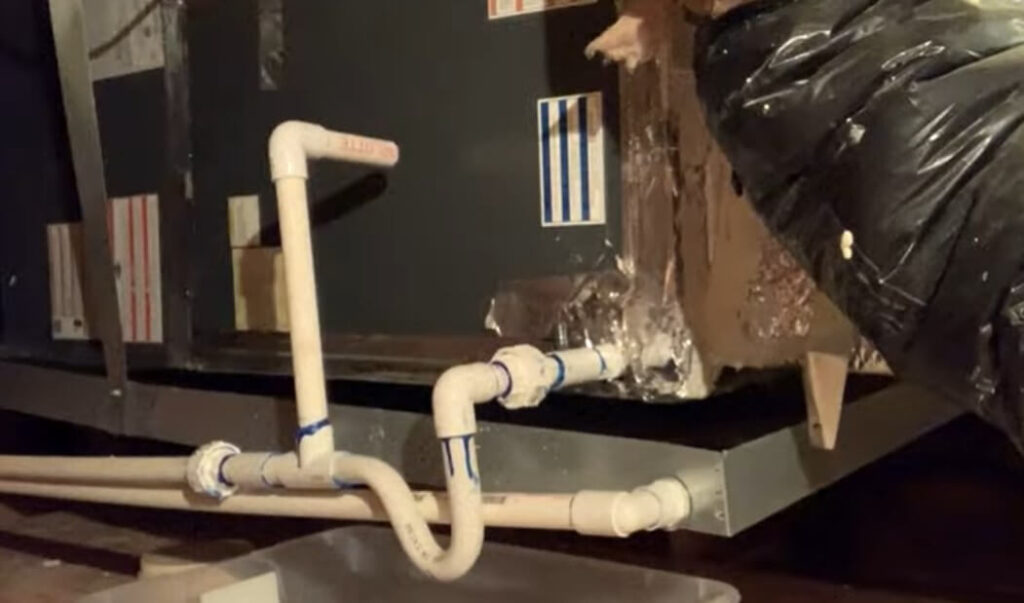
Air conditioner drain line inside house clogged
An air conditioner drain line that is clogged inside the house can cause a number of problems, including water damage, mold growth, and reduced efficiency of the air conditioner.
The reason for a clogged drain line is typically due to a buildup of dirt, dust, and debris over time.
To prevent this from happening, it is important to regularly clean and maintain the drain line.
The solutions to a clogged drain line include using –
- A wet/dry vacuum to remove the blockage,
- A plumbing snake to clear out any debris, or
- A chemical drain cleaner to dissolve the blockage.
It is important to address a clogged air conditioner drain line promptly to prevent further damage and improve indoor air quality.
How to prevent ac drain line from clogging?
If your air conditioner’s drain line becomes clogged, it can cause water to back up and overflow, leading to costly repairs. Fortunately, there are a few things you can do to prevent your AC drain line from clogging in the first place.
First, make sure that the drain line is properly installed and sloped so that water can drain properly. If the line is installed incorrectly, it can cause water to build up and eventually clog the line.
Next, keep the area around the drain line clear of debris. If there are leaves or other debris around the line, they can eventually make their way into the line and cause a clog.
Finally, you can pour a cup of bleach down the drain line once a month to help keep it clear. Just be sure to flush the line with water afterward so that the bleach doesn’t damage your AC unit.
By following these simple tips, you can help prevent your AC drain line from becoming clogged and save yourself a headache (and a repair bill) down the road.
What happens if ac drain is clogged?
If your AC drain is clogged, water will back up into your AC unit and eventually start to leak out. This can lead to serious water damage to your home and even mold growth. It’s important to keep your AC drain clear and free of debris to avoid this problem.
AC Drain Line Snake
An AC drain line snake is a specialized tool that is used to clear clogs from AC drain lines. This type of snake is different from a regular drain snake in that it is specifically designed for AC drain lines and is much narrower in diameter. Now, the question is that can you snake an ac drain line?
AC drain lines can become clogged with all sorts of debris, including dust, dirt, and mold. A clogged AC drain line can cause water to back up into the AC unit, leading to water damage and mold growth. If you have an AC drain line snake, you can simply unclog your AC drain line.
However, the best course of action is to contact a professional AC repair company. They will have the proper equipment and expertise to clear the clog quickly and efficiently.
If you’re feeling adventurous, you can try to clear the clog yourself using an AC drain line snake.
To use an AC drain line snake, start by disconnecting the AC unit from power.
Next, locate the AC drain line, which is usually located near the outdoor condenser unit. Once you’ve located the drain line, insert the snake into the drain line and start feeding it through.
The snake will push through the clog, clearing the way for water to flow freely again.
If you don’t have an AC drain line snake, you can try using a regular drain snake. However, be careful not to damage the AC drain line with the snake. Also, regular drain snakes are not always effective at clearing AC drain line clogs.
How to clean split AC drain pipe?
If your split ac drain pipe is starting to get dirty, it’s important to clean it on a regular basis.
Here’s how to do it:
1. Start by unplugging your split ac unit.
2. Next, locate the drain pipe. It’s usually located near the bottom of the unit.
3. Once you’ve found the drain pipe, disconnect it from the unit.
4. Now, use a garden hose to flush out the pipe. Start by running water through it in one direction, then reverse the flow and run water through it in the other direction.
5. Once you’ve flushed out the pipe, reconnect it to the unit.
6. Finally, plug your unit back in and turn it on. That’s all there is to it!
By following these simple steps, you can keep your split ac drain pipe clean and free of debris.
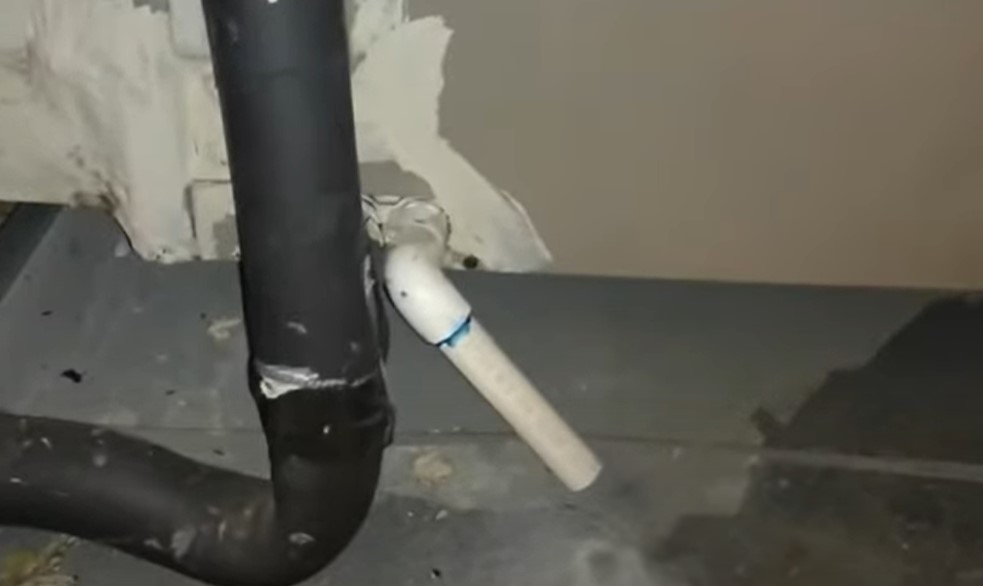
No water coming out of AC drain pipe
If you notice that your AC’s drain pipe has stopped emitting water, there are a few potential causes. The first is that the AC unit may be turned off. If this is the case, simply turn it back on and the water should start flowing again.
If the unit is already on, then the problem may be with the condensate pump. This pump is responsible for moving water from the unit to the drain pipe, so if it isn’t working properly, the water will just sit in the unit. You can try resetting the pump, but if that doesn’t work, you’ll need to replace it.
Another possibility is that the drain pipe itself is clogged. This can happen if dirt or other debris gets into the pipe and blocks the water from flowing through. If this is the case, you’ll need to clean out the pipe to get it working again.
Clean AC drain line bleach vs vinegar
If you have a problem with a clogged AC drain line, you may be wondering if it’s better to use bleach or vinegar to clean it. The answer depends on the severity of the clog and the type of material the drain line is made of. If the clog is minor and the drain line is made of PVC, you can probably get away with using vinegar.
Just pour a cup or so of vinegar down the drain and let it sit for a while. Then, run some hot water down the drain to flush it out. If the clog is more severe, or if the drain line is made of metal, you’ll need to use bleach.
Be careful, though, as bleach can damage some types of metal. Pour a cup of bleach down the drain and let it sit for half an hour. Then, flush the drain with hot water.
How to unclog ac drain line with shop vac?
If your AC unit is leaking water, it could be because the drain line is clogged. You can try to unclog it yourself with a shop vac, but if the clog is too severe, you’ll need to call a professional.
To unclog your AC drain line with a shop vac, start by making sure that the unit is turned off and disconnect the power.
Next, remove the cap from the drain line and insert the shop vac hose. Turn on the shop vac and let it run for a few minutes. If the clog is severe, you may need to repeat this process a few times.
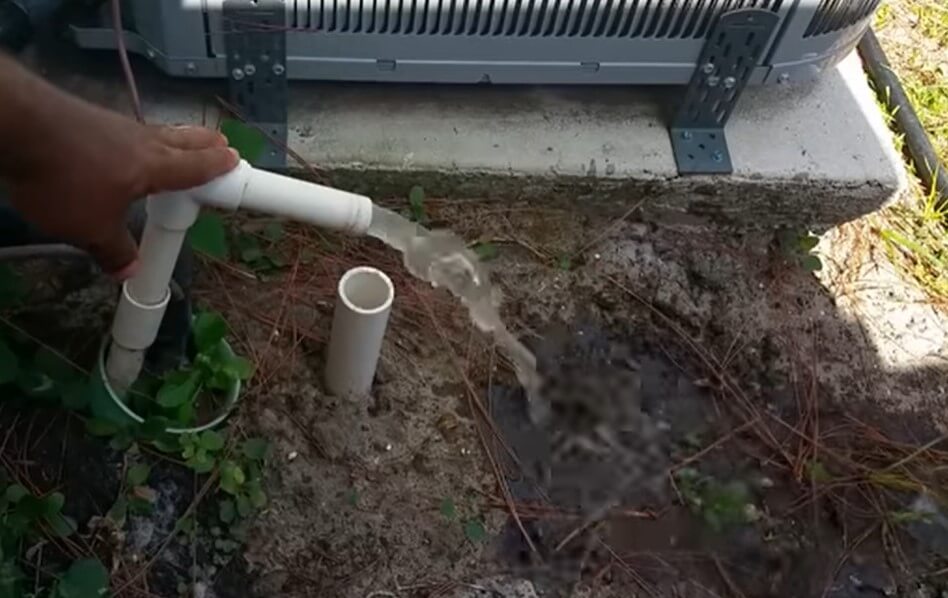
How to Blow Out AC Drain Line?
To blow out an AC drain line, first, ensure that the air conditioning unit is turned off. Next, locate the drain line and remove the cap or plug. Using a wet/dry vacuum or a compressor, blow air through the drain line to clear any blockages.
Repeat this process until the air flows smoothly through the drain line. Once the line is clear, replace the cap or plug and turn the AC unit back on.
Regularly clearing the drain line will prevent water damage and improve the unit’s efficiency.
How to clean a HVAC drain line?
Cleaning an HVAC drain line is crucial to ensure that your HVAC system is functioning efficiently. First, turn off the power supply to the HVAC unit. Locate the drain line and detach it from the unit. Use a wet/dry vacuum cleaner to suction out any debris or dirt from the drain line.
Alternatively, you can use a pipe cleaner or a long brush to dislodge any clogs within the line. Pour a mixture of bleach and water into the drain line to sanitize it.
Finally, reattach the drain line and switch on the power supply to the HVAC unit.
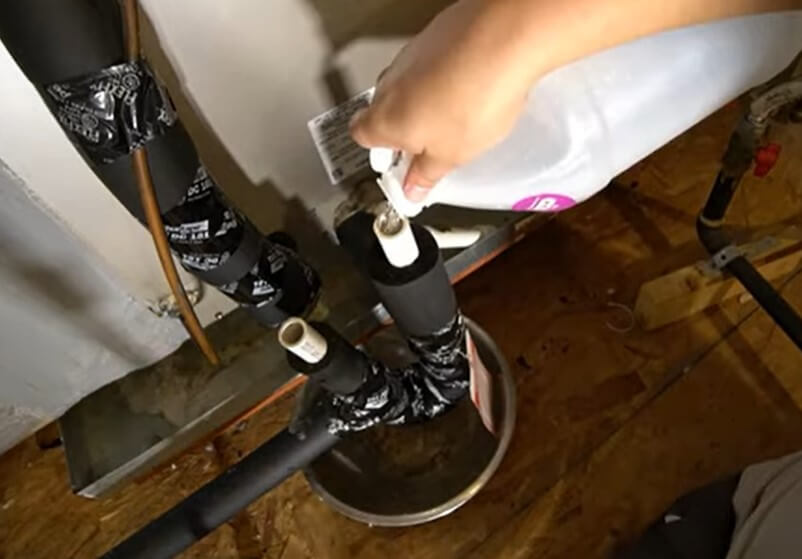
How to flush AC drain line?
To flush an AC drain line, first, turn off the AC and locate the drain line exit. Next, use a wet/dry vacuum to suck out any debris or blockages from the drain line, being careful not to apply too much suction.
Finally, pour a mixture of one part bleach and three parts water into the drain line to kill any remaining bacteria or mold.
Repeat this process annually to keep your AC drain line flowing smoothly and prevent potential water damage to your home.
Best way to clean AC drain line
The best way to clean an AC drain line is to begin by turning off the unit and unplugging it from the power source. Next, locate the drain line and remove any visible debris or buildup using a small brush or vacuum. Then, mix a solution of equal parts water and vinegar and pour it down the drain line. Allow the solution to sit for at least 30 minutes before flushing the line with water.
For hard-to-reach areas, a wet/dry vacuum may be necessary to suction out any remaining debris. Regular cleaning of the AC drain line can prevent clogs and potential water damage to your unit and home.
Conclusion
The most common reason your AC’s drain line becomes clogged is due to a build-up of algae. Algae can enter your system through your outdoor unit and travel through the ductwork into your indoor unit, where it will eventually clog the drain line. You can prevent this by regularly cleaning your outdoor unit and making sure there is no debris around it that could allow algae to enter.
If your drain line does become clogged, you can try using a plunger or a snake to clear it.
