When faced with a malfunctioning AC unit, homeowners often wonder how do I unclog my AC condensate drain line. This situation can cause water leaks, damage to the AC unit, and even mold growth, making it a frustrating and potentially expensive problem to deal with. However, there are simple yet effective steps that you can take to unclog your AC condensate drain line and prevent these issues.
To help you keep your system running smoothly and save you money in the long run, we have provided some professional information on how to clean your AC drain lines. This guide is useful for both homeowners and business owners who want to maintain their AC units in top shape.
So, if you’re wondering how to unclog your AC condensate drain line, scroll below to learn that.
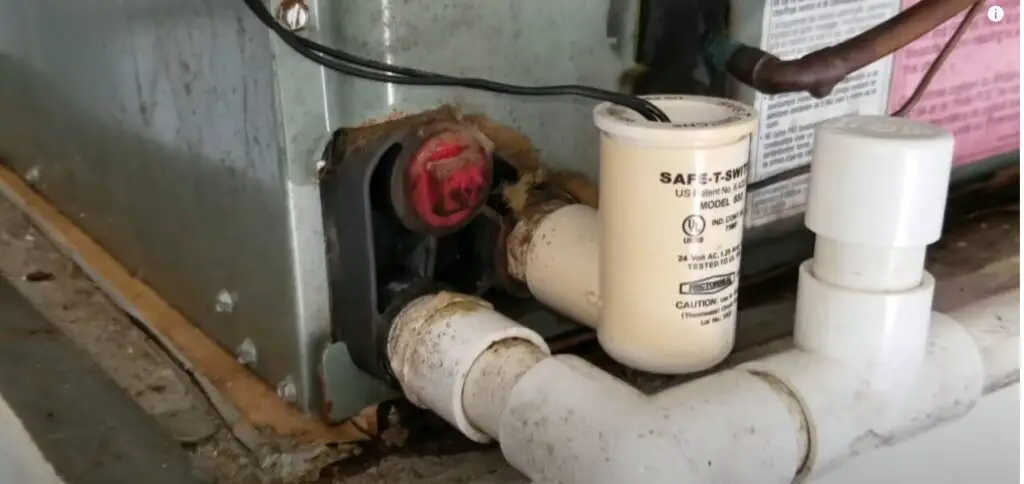
How Do I Unclog My AC Condensate Drain Line? A Step-by-Step Guide
To unclog your AC condensate drain line, you can follow these steps:
- Locate the drain line: The condensate drain line is typically a PVC pipe located near the indoor unit of your air conditioner. It may be connected to a drain pan or directly to a drain.
- Turn off the AC: Before you begin, switch off the power to your air conditioner to avoid any electrical hazards.
- Inspect the drain line: Check for any visible signs of clogging, such as standing water or debris in the drain line. If you can see a blockage, remove it using gloves or a small brush. Be careful not to push the clog further into the pipe.
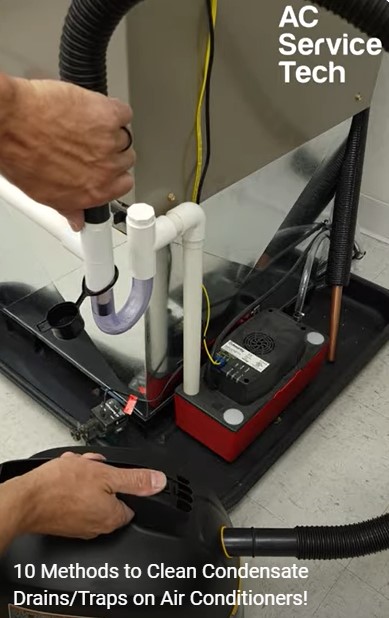
- Use a wet-dry vacuum: If the blockage is not visible, you can try using a wet-dry vacuum to clear the clog. Attach the vacuum to the end of the drain line and create a seal. Set the vacuum to the wet setting and turn it on. This should create suction that can pull out the clog.
- Use a drain cleaning solution: If the clog persists, you can try using a commercial drain cleaning solution specifically designed for air conditioner drain lines. Follow the instructions on the product carefully to avoid any damage to the pipes. Remember to wear gloves and protective eyewear.
- Flush the drain line: After using the vacuum or drain cleaning solution, it’s a good idea to flush the drain line with water to remove any remaining debris. You can use a garden hose or pour water into the drain line from a container. Be cautious not to overflow the drain pan.
- Check for proper drainage: Once you’ve cleared the clog, turn on your air conditioner and monitor the condensate drain line for proper drainage. Make sure water is flowing freely without any leaks or backups.
- Regular maintenance: To prevent future clogs, it’s essential to perform regular maintenance on your air conditioner. This includes cleaning or replacing air filters, keeping the surrounding area clean, and inspecting the drain line periodically.
How do I know if my AC condensate line is clogged?
If your AC condensate line is clogged, you will likely notice water pooling around your AC unit. This is because the condensate line is responsible for draining water away from the AC unit, so if it is clogged, the water has nowhere to go but to pool around the unit.
In some cases, you may also notice water dripping from the ceiling near your AC unit, as the clogged condensate line can cause water to back up and out of the unit.
If you notice either of these issues, it is important to clean out your condensate line as soon as possible to prevent water damage to your home. Cleaning out your condensate line is relatively simple and can be done with a wet/dry vacuum. First, locate the condensate line and identify where the clog is.
Once you have found the clog, attach the vacuum to the line and turn it on. The vacuum will pull the water out of the line and should also break up the clog, allowing the line to drain properly again. If you have a very stubborn clog, you may need to repeat this process a few times until the line is completely clear.
Is bleach or vinegar better for AC drain line?
If you have a clogged AC drain line, you may be wondering whether to use bleach or vinegar to clear it. Both substances can be effective at clearing clogs, but there are some key differences between them. Bleach is a stronger chemical than vinegar, so it can be more effective at clearing tough clogs.
However, bleach is also more likely to damage your AC drain line, so it should only be used as a last resort. Vinegar, on the other hand, is a milder acid that is less likely to damage your AC drain line. It’s also cheaper than bleach, so it’s the better option if you’re on a budget.
To use either substance, simply pour it down your AC drain line and let it sit for a few hours. Then, run some hot water down the line to flush out the clog. If you’re still having trouble, you may need to call a professional to clear the line.
What happens if condensate drain is clogged?
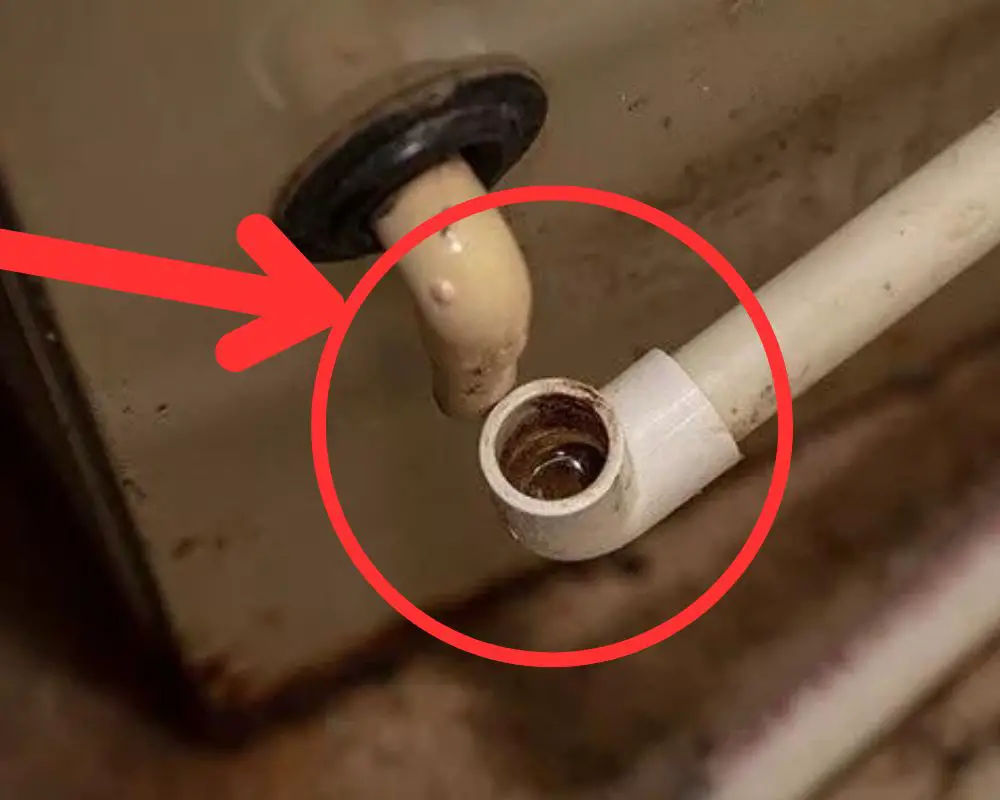
If your condensate drain is clogged, the water that would normally be drained away will start to build up in your system. This can lead to a number of problems, including:
- Waterlogged air filters
- Reduced airflow
- Frozen coils
- Leaking ductwork
If you suspect that your condensate drain is clogged, it’s important to take action right away. Depending on the severity of the clog, you may be able to clear it yourself with a plunger or a snake. However, if the clog is severe, you’ll need to call a professional to clear it for you.
If left untreated, a clogged condensate drain can cause serious damage to your HVAC system. In extreme cases, it can even lead to a complete system failure. To avoid costly repairs or replacement, be sure to keep an eye on your condensate drain and take action as soon as you notice a clog.
How to unclog ac drain line with shop vac?
If your AC unit isn’t draining properly, it could be because the drain line is clogged. You can try to unclog it yourself with a shop vac, but if that doesn’t work, you’ll need to call a professional. Here’s how to do it:
Turn off your AC unit and unplug it from the power source. Then, remove the cover of the unit so you can access the drain line. Attach the shop vac to the drain line and turn it on.
Run it for a few minutes to see if the clog starts to loosen. If it does, continue running the shop vac until the clog is completely removed. If the shop vac doesn’t work, you can try using a plunger.
Start by pouring a cup of hot water down the drain line. Then, place the plunger over the drain and push and pull it up and down. Do this for a few minutes to see if the clog starts to loosen.
If neither the shop vac nor the plunger work, you’ll need to call a professional to clear the clog.
Where to run ac condensate drain line?
If you have an air conditioner, you know that it produces a lot of water as it runs. This water is called condensate, and it needs to be drained away from the unit so that it doesn’t cause any problems. So, where do you run the condensate drain line?
The answer may vary depending on the specific air conditioner unit that you have, but in general, the drain line should be run to a nearby sewer or drainage pipe. If you don’t have a sewer or drainage pipe nearby, you can also run the drain line to a sump pump or other type of water pump. Whatever method you use, just make sure that the drain line is sloped so that the water can easily flow away from the air conditioner.
You don’t want the water to pool around the unit, as this can lead to all sorts of problems. If you’re not sure how to run the drain line for your air conditioner, consult your owner’s manual or the manufacturer. They should be able to provide you with specific instructions.
How to unclog ac drain line under sink?
If your AC drain line is clogged, it can be a real pain. The good news is that there are some simple steps you can take to unclog it. First, start by pouring a cup of hot water down the drain.
This will help to loosen any debris that may be stuck. Next, use a plunger to try and clear the clog. If this doesn’t work, you can try using a drain snake.
Clogged ac drain line symptoms
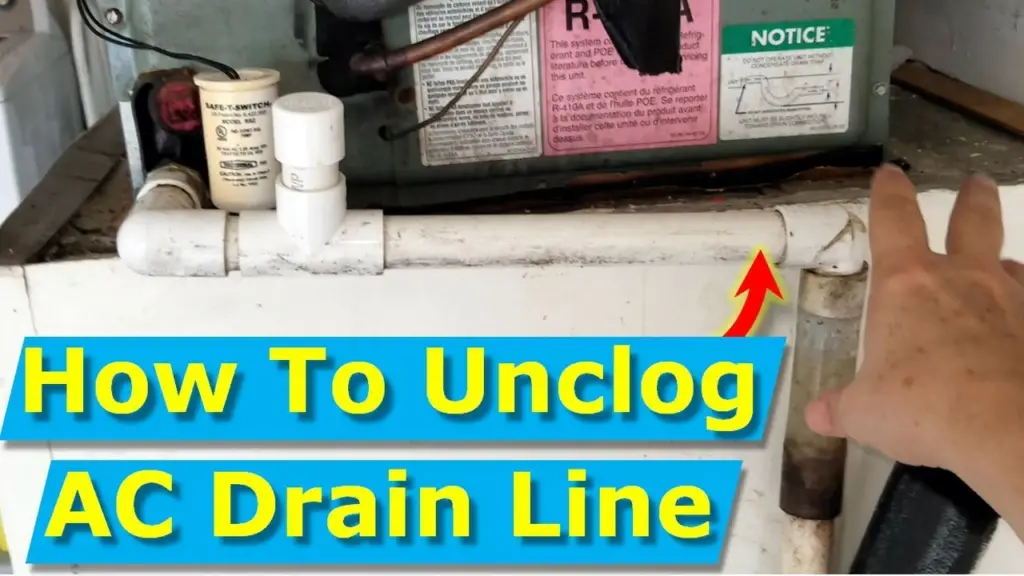
If your home has an air conditioner, it’s important to know the signs of a clogged AC drain line. A clogged AC drain line can cause your air conditioner to stop working properly, and it can also lead to water damage in your home. There are a few telltale signs that your AC drain line is clogged.
If you notice any of these signs, it’s important to call a professional to clean your drain line: Your air conditioner is making strange noises. There is water around your air conditioner unit.
Your air conditioner is not cooling your home as well as it used to. Your air conditioner is running constantly. If you notice any of these signs, don’t hesitate to call a professional to clean your AC drain line.
Ignoring a clogged AC drain line can lead to serious problems, so it’s best to address the issue as soon as possible.
How to clean ac drain line with vinegar?
If your AC drain line becomes clogged, it can create a serious problem for your AC unit. The drain line is responsible for carrying away condensation from your AC unit, so a clog can cause water to back up and potentially damage your unit. Fortunately, you can clear a clog from your AC drain line using vinegar.
To clean your AC drain line with vinegar, start by pouring a gallon of distilled vinegar into a bucket. Then, locate the clean-out port for your AC unit. This is usually located near the base of the unit.
Using a funnel, pour the vinegar into the clean-out port. Let the vinegar sit in the clean-out port for at least an hour. This will give the vinegar time to break down the clog.
After an hour, pour a gallon of hot water into the clean-out port. This will flush the vinegar and clog debris out of the drain line. If your AC drain line is still clogged after following these steps, you may need to call a professional to help clear the line.
How to unclog ac drain line in the apartment?
If you live in an apartment, you may be wondering how to unclog your AC drain line. The first thing you need to do is locate the drain line. It is usually located near the outdoor unit of your AC system.
Once you have located the drain line, you will need to remove the cap from the line. Once the cap is removed, you will need to use a plunger to try and unclog the line. If the plunger does not work, you may need to use a snake or other tool to try and clear the line.
If you are still having trouble, you may need to call a professional to help you unclog your AC drain line.
How to clean ac drain line with an air compressor?
If your AC unit has been leaking water inside or you’ve noticed water pooled around it, there’s a good chance your AC drain line is clogged.
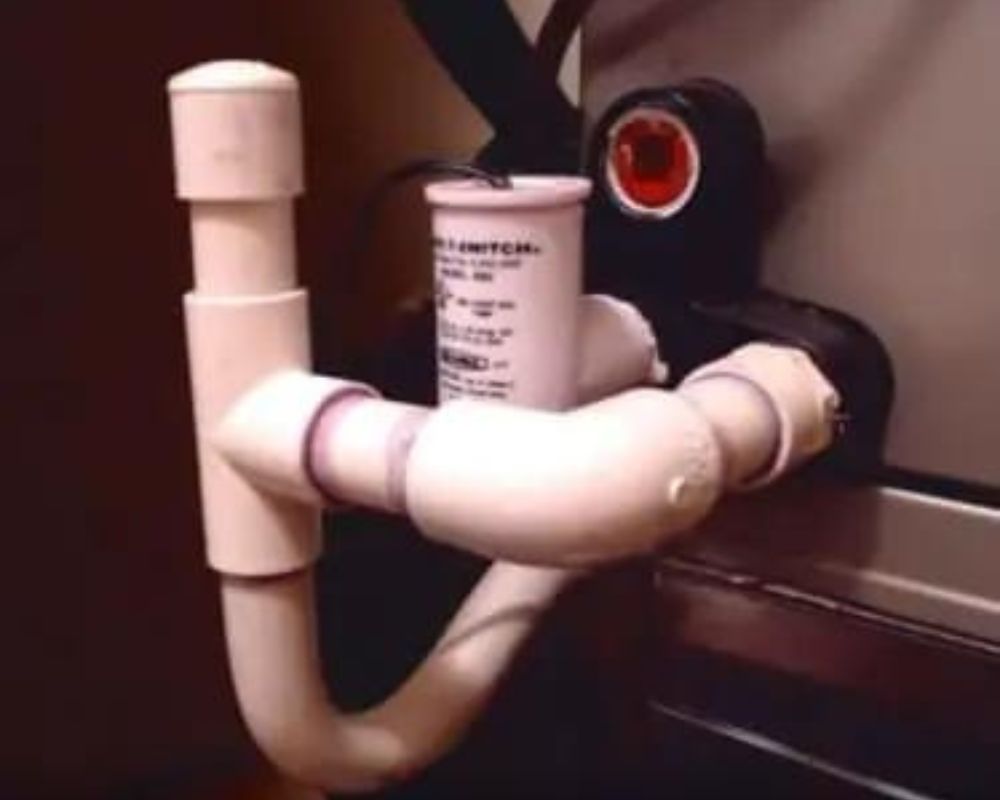
A clogged AC drain line can cause your unit to malfunction and can even lead to water damage in your home. But don’t worry, cleaning your AC drain line is a fairly easy process that you can do yourself.
Here’s what you’ll need:
- An air compressor
- A drain line cleaning kit (available at most hardware stores)
- A bucket
- Gloves
- Eye protection
To start, locate your AC unit’s drain line. It will likely be located near the base of the unit. Once you’ve found it, put on your gloves and eye protection.
Then, use your drain line cleaning kit to clear any debris or buildup that may be causing the clog. Now it’s time to use your air compressor. First, disconnect the AC unit from its power source.
Then, attach the air compressor to the drain line. Be sure to use the proper attachments and settings on your compressor, as using too much pressure can damage the drain line. Once the compressor is properly attached, turn it on and let it run for a few minutes.
This will help to clear any remaining debris and buildup in the drain line.
HVAC condensate drain line design
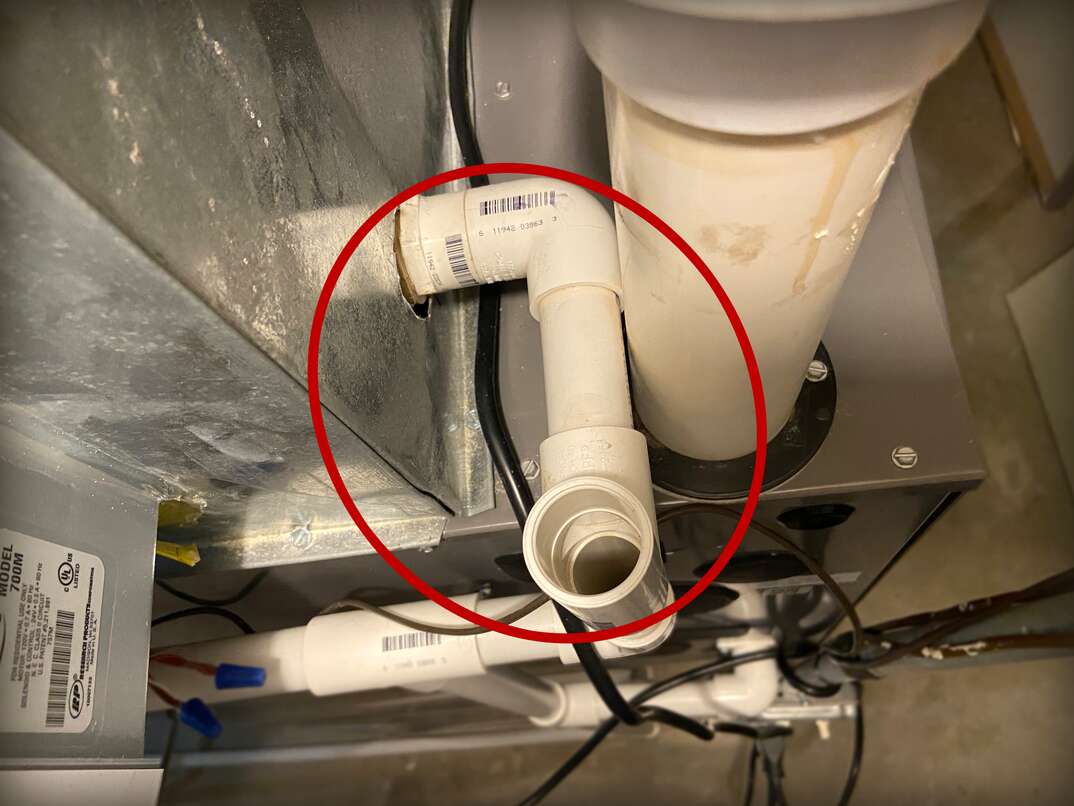
If you have a central air conditioner, you know that it has a condensate drain line that carries away water that condenses on the evaporator coils.
The drain line is usually made of PVC and is very simple in design. However, there are a few things that you should know about condensate drain line design to ensure that your AC system works properly.
The first thing to know is that the condensate drain line must be sloped properly so that water can drain away from the AC unit. If the drain line is not sloped properly, water can back up into the unit and cause all sorts of problems. The second thing to know about condensate drain line design is that the line must be sized properly.
If the drain line is too small, it will become clogged with water and will not be able to drain properly. Conversely, if the drain line is too large, the water will drain away too quickly and will not be able to properly condense on the evaporator coils.
Finally, you should know that the condensate drain line must be properly sealed. If the drain line is not sealed, air can enter the AC unit and cause the evaporator coils to freeze. All of these things are important to know about condensate drain line design. By following these tips, you can be sure that your AC system will work properly and will not have any problems.
How to clean ac drain line with shop vac?
Cleaning the AC drain line with a shop vac is a straightforward process. Here’s a step-by-step guide:
- Ensure safety: Before you start, turn off the power to your air conditioner to avoid any electrical hazards. Safety should always be a priority when working with any electrical appliance.
- Locate the drain line: Find the PVC drain pipe connected to your air conditioner. This drain line is usually located near the indoor unit or connected to a drain pan.
- Prepare the shop vac: Get your shop vac ready by attaching the appropriate nozzle or attachment suitable for small spaces and crevices. Ensure a tight seal to maximize suction power.
- Access the drain line: Depending on the setup of your AC system, you may need to detach or remove a portion of the drain line to access it. This step may not be necessary for some AC units, as you can directly connect the shop vac to the end of the drain line.
- Connect the shop vac: Attach the nozzle or hose of your shop vac to the end of the drain line. Create a tight seal to prevent any air leakage.
- Turn on the shop vac: Once the shop vac is securely connected, switch it on. The powerful suction of the vacuum will draw out the clog or debris causing the blockage in the drain line.
- Maintain suction: Keep the shop vac running for a few minutes to ensure that all the debris and clogs are completely cleared from the drain line. Move the nozzle or hose around to cover the entire length of the drain line.
- Check for proper drainage: After using the shop vac, reattach any detached portions of the drain line if applicable. Switch on the air conditioner and monitor the drain line for proper water flow. Ensure there are no leaks or backups.
By following these steps, you can effectively clean your AC drain line using a shop vac.
Conclusion
If your air conditioner’s condensate drain line is clogged, you may be able to clear it yourself using a wet/dry vacuum.
First, locate the condensate drain line (it will be either white or clear and will be located near your AC unit).
Next, attach the vacuum’s hose to the drain line and turn on the vacuum. You may need to use the vacuum’s brush attachment to help loosen the clog. Once the clog is clear, turn off the vacuum and remove the hose.
