One of the most possible cause why AC only work when driving is that the A/C compressor is only getting power when the car is running.
Another possibility is that there may be a blockage in the A/C system that is only allowing air to flow when the car is moving.
As the compressor is responsible for circulating the refrigerant in the A/C system. If the compressor is not getting power, the A/C will not work.
If the compressor is getting power, the next thing to check is the A/C system for a blockage. A blockage can be caused by a build-up of dirt and debris in the system. A blockage can also be caused by a leak in the system.
If there is a leak, the refrigerant will escape from the system and the A/C will not work.

Why does my car ac only get cold when I accelerating?
There could be several reasons why your car’s AC only gets cold when you accelerate. One possible explanation is low refrigerant levels, which can make it difficult for the AC system to cool the air properly at idle or low speeds.
However, when you accelerate, the increased speed of the compressor can help overcome this issue, resulting in colder air. Another potential cause is a weak or malfunctioning compressor. If the compressor is not operating at its full capacity, it may struggle to generate sufficient cooling power at lower speeds. Acceleration can increase the compressor’s efficiency, leading to colder air.
Additionally, a faulty AC clutch that doesn’t engage properly at idle or low speeds can affect the compressor’s performance. When you accelerate, the clutch may engage more effectively, resulting in improved cooling.
Other factors such as issues with the condenser, cooling fan, or airflow restrictions can also contribute to this problem. It’s advisable to have a qualified mechanic inspect your AC system to identify and address the specific issue accurately.
Ac Only Works When Accelerating
If your car’s air conditioner only works when you’re accelerating, there are a few potential causes. First, it could be a problem with the compressor clutch. If the clutch is not engaging properly, the compressor can’t do its job.
Another possibility is that there could be a leak in the air conditioning system. A leak will prevent the system from holding enough pressure to function properly. Finally, it could be an issue with the electrical system.
Why Does Ac only work when driving?

If your car’s AC only works when you’re driving, there could be a few different causes. It could be a problem with your car’s compressor, a Freon leak, or a clogged expansion valve. If it’s a problem with your compressor, it could be that the compressor clutch is not engaging.
This can be caused by a faulty switch or relay, a low refrigerant charge, or a problem with the compressor itself. A Freon leak can also cause your car’s AC to only work when you’re driving. Freon leaks can be caused by a hole in the AC line, a faulty compressor, or a problem with the seals in your AC system.
A clogged expansion valve can also cause your car’s AC to only work when you’re driving. This can be caused by debris in the AC system, a faulty compressor, or a problem with the seals in your AC system. If your car’s AC only works when you’re driving, it’s best to take it to a mechanic to diagnose the problem and get it fixed.
Why Does My Car Ac Only Work Sometimes?
One of the most common reasons why a car AC might only work sometimes is because there’s not enough refrigerant in the system. The AC needs refrigerant in order to cool the air, so if there’s a leak somewhere in the system, it will eventually run out and stop working.
You can usually tell if this is the problem if you hear hissing or whistling when you turn on the AC, which indicates that there’s a leak.
Another way to tell is if your AC blows warm air instead of cold; this means that it’s not getting enough refrigerant from the compressor.
Another possibility is that your compressor isn’t working properly. The compressor is responsible for circulating the refrigerant through the AC system, so if it’s not working right, then your AC won’t either.
Ac only works when it rains
If you’re having trouble with your AC unit, it might be because it’s only designed to work when it rains. That’s right – AC units are only meant to be used in wet weather, so if you’re trying to use yours in dry conditions, it’s not going to work properly.
So what can you do if you need to use your AC unit in dry weather?
The best thing to do is to contact a professional AC repair person and have them come out to take a look at your unit. They’ll be able to diagnose the problem and get your AC unit up and running again in no time. In the meantime, there are a few things you can do to try and get your AC unit working again.
First, make sure that the unit is plugged in correctly. If it’s not, then plug it in and try again. Next, check the filters and make sure they’re clean.
If they’re not, then replace them. Finally, check the condenser and make sure it’s not blocked. If it is, then you’ll need to call a professional to come out and take a look at it.
Remember, AC units are only meant to be used in wet weather, so if you’re having trouble with yours, it’s probably because it’s not raining. If you need to use your AC unit in dry weather, contact a professional AC repair person to come to take a look at it.
Ac only works when driving slow

If your car’s air conditioner is only working when you’re driving slowly, there are a few potential causes. One possibility is that the compressor clutch is not engaging properly. The compressor clutch is what allows the compressor to turn on and off, and if it’s not working correctly, the air conditioner will only work when the car is moving slowly.
Another possibility is that there is a problem with the air conditioner’s belt. If the belt is loose or damaged, it can cause the air conditioner to only work when the car is moving slowly.
Finally, there could be a problem with the air conditioner’s Freon level. If the Freon is low, the air conditioner will only work when the car is moving slowly.
Heat and ac only work when driving
If your car’s heat or air conditioning only works when the car is moving, there are a few potential causes. One possibility is that the blower motor, which moves air through the car’s ventilation system, is not working properly.
Another possibility is that there is a problem with the car’s heater core, which is responsible for heating the air that is circulated through the car.
If you’re not sure what is causing the problem, it’s best to take your car to a mechanic to have it checked out.
In the meantime, you can try running the car’s engine for a few minutes before you get in to see if that helps to get the heat or air conditioning working.
VW Jetta ac only works when driving
If you’re having trouble with your Volkswagen Jetta’s air conditioning only working when you’re driving, there are a few potential causes. First, check to see if the A/C compressor is turning on when you turn on the A/C. If it’s not, then the problem is likely with the compressor itself or with the A/C clutch.
If the compressor is turning on, then the problem could be with the A/C condenser or with the A/C evaporator.
In either case, it’s best to take your Jetta to a qualified mechanic to have the problem diagnosed and repaired.
Ac only works on high
If you have an AC unit that only works on high, there are a few things that could be causing the issue. First, check to see if the AC unit is dirty. If the AC unit is dirty, it will not be able to function properly.
Second, check to see if the AC unit is properly sized for the room. If the AC unit is too small, it will not be able to cool the room properly. Finally, check to see if the AC unit is properly plugged in.
If the AC unit is not plugged in, it will not be able to function properly.
Car ac not working at high speed
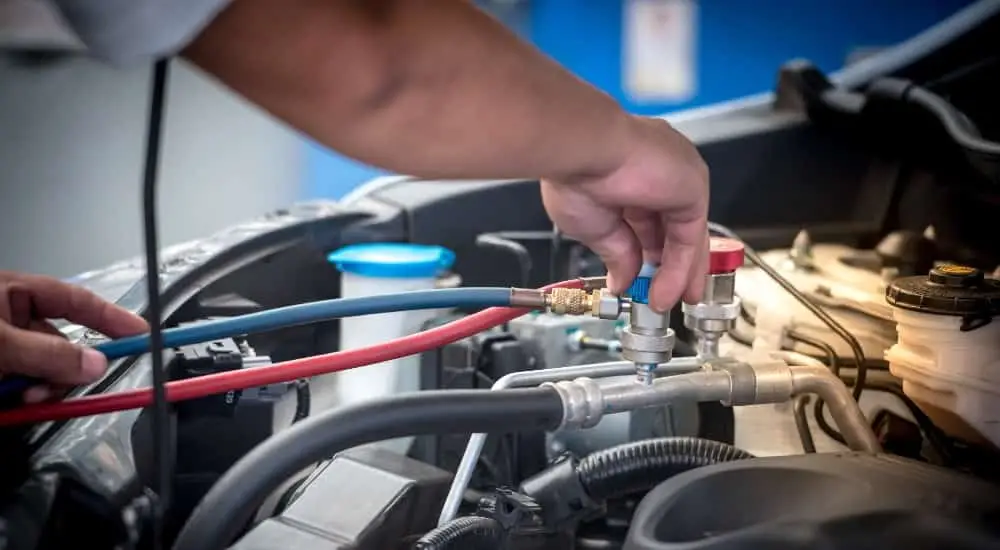
If your car’s air conditioner isn’t working at full blast when you’re driving on the highway, there are a few potential causes.
First, check to see if the air conditioner is turned on. If it is, then the problem may be with the air conditioner itself.
It could be low on refrigerant or there could be a problem with the compressor. If the air conditioner is turned off, then the problem is likely with the blower motor. This is the part of the car that circulates the air, and it may be dirty or malfunctioning.
You can clean the blower motor yourself, but it’s best to take your car to a mechanic to have it checked out.
Air conditioner only works when car is moving
An air conditioner that only works when a car is moving could indicate an issue with the vehicle’s cooling system. Typically, the air conditioning system should provide cold air regardless of the car’s movement.
However, when the cooling effect is only noticeable while the vehicle is in motion, it might be due to inadequate refrigerant levels, a faulty compressor, or an issue with the car’s radiator fans, which can affect the efficiency of the A/C system at idle.
It’s advised to have the system checked by a professional to resolve the issue.
Why does my ac only blow cold when i’m driving
Your air conditioning system might only blow cold air when you’re driving due to an insufficient refrigerant level or a malfunctioning condenser fan. When your car is in motion, the airflow increases, helping the system cool the refrigerant, which in turn cools the air being blown into your car.
However, when the vehicle is stationary, the condenser fan should produce this necessary airflow. If it’s not working properly, or if the refrigerant level is low, the AC system won’t cool effectively when the car is idle, resulting in warm air being discharged.
AC Stops working when driving
When you are on the road, your vehicle’s air conditioning (AC) system should ideally maintain a comfortable environment, regardless of the weather outside. However, if your AC stops working while driving, it can become quite problematic, especially during the hot summer months.
This issue can be caused by various reasons such as a low refrigerant level, a failing compressor, a clogged condenser, electrical issues, or even a leak in the system. It’s important to have a professional inspect your vehicle to diagnose and resolve the problem, ensuring your driving experience remains comfortable and safe.
Why does my car AC only work while driving?
When you turn on your car’s air conditioner, you expect it to blow cool air into the cabin. However, sometimes the AC only works while the car is moving. Why is this?
There are a few reasons why your car’s air conditioner might only work while driving. One possibility is that the AC compressor is not engaging when the car is idling. The compressor is responsible for circulating the refrigerant throughout the AC system.
If it’s not working, the AC won’t work. Another possibility is that the AC condenser is not getting enough airflow while the car is stopped. The condenser needs airflow to release heat from the refrigerant.
If it’s not getting enough air, it can’t do its job properly. Finally, there may be a leak in the AC system. Refrigerant leaks are relatively common in cars, and they can prevent the system from working properly.
If your car’s AC only works while driving, it’s likely due to one of these three issues. To diagnose the problem, you’ll need to take your car to a mechanic or an auto AC repair shop. They’ll be able to pinpoint the exact cause of the problem and get your AC blowing cold air again in no time.
Why does my AC work better when I’m driving?
If you’ve ever wondered why your air conditioner (AC) works better when you’re driving, you’re not alone. It’s a common question, and there are a few different reasons why this is the case. One reason is that the AC can circulate the air more effectively when the car is moving.
This is because the air is constantly being pushed through the vents and into the cabin of the car. When the car is stationary, the air can get stagnant and start to feel stuffy. Another reason is that the AC compressor is designed to work best when the engine is running.
The compressor is what helps to circulate the refrigerant in the AC system and keep the air cold. When the engine is off, the compressor isn’t running as efficiently, which can make the AC not work as well.
So, if you’re looking to get the most out of your AC, make sure to take it for a spin every once in a while!
Why does my AC only work when I’m moving?
If your AC only works when you’re moving, it’s likely because the fan isn’t working properly. The fan is responsible for circulating air throughout the room, and if it isn’t working, the air will only be cooled when you’re moving. There are a few possible reasons why the fan isn’t working, including:
-The fan blades are dirty and need to be cleaned.
-The fan motor is defective and needs to be replaced.
-The fan speed is set too low.
-Something is blocking the fan blades from spinning.
If you’re not sure what the problem is, it’s best to call a professional AC repair person to diagnose and fix the issue.

Why does my AC stop working when I’m not driving?
If your AC system is set to “recirculate” air while you’re driving, it will stop working when you’re not driving because there’s no air movement to circulate.
The recirculate setting on your AC is designed to save energy by reusing the air that’s already inside your car.
However, this can cause your AC to stop working when you’re not driving because the air inside your car can get stale.
To prevent this, make sure to set your AC to “fresh air” when you’re not driving. This allows air to circulate and keep your AC working properly.
AC only works when driving
Conclusion
If your car’s air conditioner (AC) only works when you’re driving, there are a few potential causes. One possibility is that the AC compressor isn’t engaging when the car is turned on.
This can be caused by a problem with the compressor itself, the engine’s serpentine belt, or an issue with the AC clutch.
Another possibility is that there’s a leak in the AC system, which can be caused by a damaged hose, leaky gasket, or failed seal. If your AC only works when you’re driving, it’s best to have it diagnosed by a professional mechanic.
