If your AC smells like mildew, it could be caused by several things. One possibility is that mold or mildew is growing somewhere in your AC unit. This can happen if the unit is not properly maintained and cleaned.
Another possibility is that your AC unit is not draining properly, which can cause water to build up and create an ideal environment for mold and mildew to grow. If you notice a musty smell coming from your AC unit, it’s important to investigate the cause so that you can take steps to fix the problem.
If your AC unit smells like mildew, there are a few possible causes.
- First, check to see if there is any standing water around the unit. If so, this could be the source of the problem.
- Second, the air filter may be dirty and need to be replaced.
- Finally, the AC unit itself may be dirty and in need of a good cleaning.
How to remove the musty smell from the air conditioner?
When you remove a musty smell from the air conditioner, you are also removing mold and mildew. These two elements are what create the musty smell in the first place. By removing them, you are also making your air conditioner more efficient.
Here are some tips on how to remove the musty smell from the air conditioner
- First, you need to identify the source of the musty smell. This is usually mold or mildew.
- Next, you need to clean the affected area. This can be done with a bleach solution or by using a mold and mildew remover.
- Once the area is clean, you need to make sure that it is dry. This can be done by using a fan or by opening a window.
- Finally, you need to replace the filters in your air conditioner. This will help to remove any remaining musty smell and will also make your air conditioner more efficient.
How to get rid of bad smell from the air conditioner?
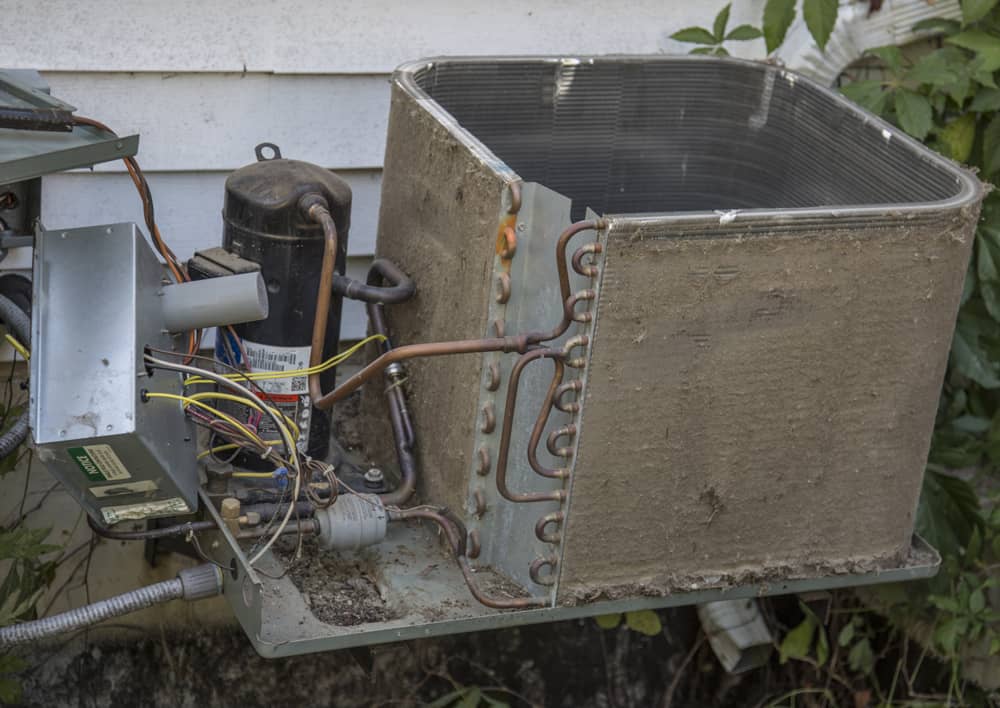
If your air conditioner has started to emit a bad smell, there are a few things you can do to try to get rid of the odor. First, check the air filter and clean or replace it if it is dirty. If the air filter is clean, the next step is to clean the coils.
You can do this by turning off the power to the unit and then using a brush or vacuum attachment to clean the coils. If the coils are clean and the unit is still emitting a bad smell, it may be time to call a professional for help.
The air conditioner smells bad when turned on
If your air conditioner smells bad when you turn it on, there are a few possible causes. The most common cause is mold or mildew inside the unit. This can happen if the unit is not properly cleaned or if it is not properly ventilated.
Another possible cause is a dirty air filter. A dirty air filter can cause the unit to smell bad because it is not able to properly circulate the air. If you have a dirty air filter, you should replace it with a new one.
Finally, if your unit is not properly ventilated, it can cause the unit to smell bad. Ventilation is important because it allows the unit to circulate the air and prevent the build-up of moisture.
Car ac smells like mildew
If you notice that your car AC smells like mildew, there are a few possible explanations. First, mildew can form if the AC unit isn’t properly ventilated. If you live in a humid climate, this can happen more easily.
Another possibility is that the AC filter is dirty and needs to be replaced. Finally, if there is water leaking into the AC unit, that can also cause mildew to form. If you think that your AC unit might be the cause of the mildew smell, the first thing to do is to make sure that it is properly ventilated.
It will keep coming back if it isn’t. You can try opening the windows and doors to let some fresh air in, or you can use a fan to help circulate the air. If the problem persists, the next step is to check the AC filter.
It will need to be replaced if it is dirty. You can usually find replacement filters at your local auto parts store. Finally, if there is water leaking into the AC unit, that can also cause mildew to form.
You’ll need to have the unit serviced to fix the leak and get rid of the mildew smell. If you notice that your car AC smells like mildew, don’t ignore it. There are a few possible causes, and it’s important to figure out what is causing the problem so that you can fix it.
The window air conditioner smells musty
If your window air conditioner smells musty, there are a few possible causes. The most common cause is mold or mildew, which can grow in the moist, warm environment created by the air conditioner. To remove mold or mildew, start by cleaning the air conditioner filter.
If the filter is dirty or clogged, it can cause the unit to smell. Next, clean the coils and drain the pan with a vinegar solution. Finally, use a disinfectant to clean the entire unit, including the casing, grille, and control panel.
If the musty smell persists, it may be coming from the ductwork. Inspect the ductwork for mold or mildew and have it cleaned by a professional if necessary.
The split system air conditioner smells musty
If your split system air conditioner smells musty, there are a few potential causes. First, check the air filter. A clogged air filter can cause musty smells, as well as decreased airflow and efficiency.
If the air filter is clean, the next potential cause is mold or mildew inside the unit. This can be caused by condensation buildup, which can be remedied by cleaning the coils and draining the pan. If you suspect mold or mildew, be sure to wear protective gear when cleaning the unit.
Finally, musty smells can also be caused by a dirty evaporator or condenser. These parts of the unit can be cleaned with a solution of water and bleach. If you have any questions about cleaning your unit, be sure to consult your owner’s manual or contact a professional.
The air conditioner smells like rotten eggs
If your air conditioner smells like rotten eggs, there are a few possible causes. The most common cause is a build-up of sulfur in the system. This can happen if the system isn’t properly maintained and the filters aren’t changed regularly.
Sulphur can also build up if the system isn’t used for a long period. Another possible cause of a rotten egg smell from your air conditioner is a leak in the system. If there is a leak, Freon could be leaking out.
This could be dangerous, so it’s important to have a professional check it out as soon as possible. If you’ve ruled out sulphur and Freon, the next most likely cause is bacteria. Bacteria can build up in the system and cause a foul smell.
This is more common in systems that use water instead of Freon. To get rid of bacteria, you’ll need to have a professional clean the system. No matter what the cause of the rotten egg smell is, it’s important to have it checked out by a professional.
If the problem is left untreated, it could cause serious health problems for you and your family.
Musty smell from ac but not heat
If you have an ac unit that is giving off a musty smell, it could be due to a few different things. First, make sure that your unit is clean and free of any dirt or debris. If it is clean and the musty smell persists, it could be due to a problem with the air filter.
Try replacing the air filter and see if that helps. If the problem persists, it could be due to a leak in the ductwork. Have a professional check the ductwork for any leaks or damage.
How do you get the musty smell out of an air conditioner?
If you have ever noticed a musty smell coming from your air conditioner, you are not alone. This is a common problem that can be caused by several things. The good news is that there are a few simple things that you can do to get rid of the musty smell and keep your air conditioner smelling fresh and clean.
One of the most common causes of a musty smell coming from an air conditioner is mold or mildew. This can happen if the air conditioner is not properly maintained and cleaned regularly. To prevent mold or mildew from growing in your air conditioner, be sure to clean it regularly with a mild detergent.
You should also be sure to change the air filter regularly. Another common cause of a musty smell coming from an air conditioner is bacteria. Bacteria can grow in an air conditioner if it is not properly cleaned and maintained.
To prevent bacteria from growing in your air conditioner, be sure to clean it regularly with a mild detergent. You should also be sure to change the air filter on a regular basis. If you have noticed a musty smell coming from your air conditioner, there are a few simple things that you can do to get rid of the smell.
Be sure to clean your air conditioner regularly with a mild detergent and to change the air filter on a regular basis.
Why does it smell like mildew when I turn my AC on?
If you notice a musty smell coming from your AC unit, mildew has likely begun to grow inside. This can happen for several reasons, such as high humidity levels in your home, a build-up of dust and dirt on the AC unit, or a leak in the unit that has allowed water to seep in.
Mildew is a type of fungus that thrives in warm, damp environments, so if your AC unit is creating these conditions, it’s the perfect breeding ground for mildew.
If left unchecked, mildew can cause serious damage to your AC unit and may even lead to health problems for you and your family.
The best way to prevent mildew from growing in your AC unit is to keep the unit clean and free of dust and dirt. You should also have the unit serviced regularly to check for any leaks or other potential problems.
If you do notice a musty smell coming from your AC unit, don’t ignore it – contact a qualified technician to come and take a look.
How do I get rid of mold in my air conditioner?
If you notice mold growing in your air conditioner, it’s important to take action to remove it as soon as possible. Mold can cause a variety of health problems, so it’s not something you want to ignore. There are a few different ways to remove mold from an air conditioner.
You can use a commercial mold remover, or you can make your natural mold remover. To make your own mold remover, mix equal parts of water and white vinegar in a spray bottle. Then, simply spray the mixture onto the moldy areas and let it sit for a few hours.
After a few hours, scrub the area with a brush or a cloth to remove the mold. If the mold is particularly stubborn, you may need to repeat the process a few times.
However, if you’re persistent, you should be able to get rid of all the mold in your air conditioner.
How to Fix Smelly AC in Your Car Like the Pro in 3 Minutes
Conclusion
If your air conditioner smells like mildew, it could be because of mold or bacteria growth in the unit. These can cause health problems, so it’s important to clean the unit and get rid of the smell.
