If your window air conditioner smells like fish, there are a few possible causes.
The most likely cause is that the unit is not properly ventilated. When window air conditioners are not properly ventilated, they can start to smell like fish.
Another possible cause is that the unit is not properly maintained. If the unit is not regularly cleaned, it can start to smell like fish.
Lastly, the unit may be located near a source of the fish odor. If the unit is near a garbage can, for example, it may start to smell like fish.
Why does my air conditioner smell like fish when I turn it on
There are many people who have turned on their air conditioner only to be greeted with a smell. This is a fairly common problem, and there are a few possible explanations for why it’s happening. One possibility is that there’s a dead fish somewhere in your AC unit.
If a small fish or other animal has made its way into your AC unit, it could have died and started to decompose. This would obviously cause a fishy smell. Another possibility is that your AC unit is simply dirty.
If there’s a build-up of dirt, dust, and other debris, it could start to smell. This is especially true if the build-up is near the coils of your AC unit, as this is where the smell would be most concentrated. If your AC unit is smelling like fish, the best thing to do is to have it checked out by a professional.
They’ll be able to determine the cause of the smell and take steps to fix it. In the meantime, you can try running your AC unit with the fan setting on “high” to help circulate the air and dissipate the smell.
The fishy smell coming from the window air conditioner
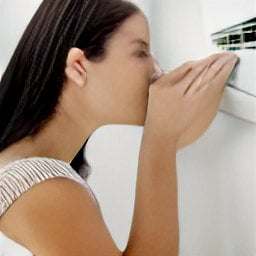
If you notice a fishy smell coming from your window air conditioner, there’s a good chance that your unit is harboring mold or mildew. These fungi love to grow in damp, dark places, and your air conditioner’s coils provide the perfect environment for them to thrive. In addition to causing an unpleasant odor, mold and mildew can also cause health problems, so it’s important to address the problem as soon as you notice it.
The first step is to clean the coils of your air conditioner. You can do this with a coil cleaning solution, or you can make your own by mixing equal parts vinegar and water. Once the coils are clean, be sure to dry them thoroughly before turning the unit back on.
If the fishy smell persists after cleaning the coils, the problem may be with the drain pan. This is the pan that collects water that condenses on the coils. If the pan is full of water, it can create the perfect environment for mold and mildew to grow.
To clean the drain pan, remove it from the unit and scrub it with a mixture of bleach and water. If you’re still having trouble getting rid of the fishy smell, the unit itself may be harboring mold or mildew. In this case, it’s best to call a professional for help.
They will be able to safely clean the unit and prevent the problem from coming back.
Why does my ac smell like fish in my car
If you’ve ever noticed your AC smelling like fish when you turn it on in your car, you’re not alone. This is a fairly common problem, and there are a few possible explanations for why it’s happening.
One possibility is that there is actually a fish living in your car’s AC system.
This is more common than you might think, and it’s usually not a big deal. The fish will likely die soon after getting into the system, and the smell will go away on its own.
Another possibility is that you leak into your AC system that is allowing water to get in.
When this happens, the water can cause mold and mildew to grow, and this can cause a fishy smell. If you think this might be the case, it’s important to have your AC system checked out by a professional as soon as possible.
Finally, it’s also possible that the fishy smell is coming from something else entirely, like a dirty cabin air filter.
If this is the case, you can try replacing the filter to see if that takes care of the problem. No matter what is causing the fishy smell in your car’s AC, it’s important to have it checked out so that you can ensure that your AC system is functioning properly.
Why does my window air conditioner smell?
Window air conditioner smell because it is not properly maintained, dust and dirt can accumulate on the coils and in the drain pan. This can cause mold and mildew to grow, which will cause your air conditioner to smell bad.
Another reason for a smelly air conditioner is if there is a leak in the refrigerant line. This can also cause mold and mildew to grow, as well as damaging the compressor.
Ac smells like fish
If your car’s AC smells like fish, there’s a good chance that there’s a dead fish somewhere in your car’s AC system. The fishy smell is caused by the release of ammonia from the decomposing fish, and it can be quite strong. If you notice this smell, it’s important to find the source of the fish and remove it as soon as possible to prevent further decomposition and the release of more ammonia.
There are a few ways that a fish can end up in your car’s AC system. If you live near a body of water, a fish could have been sucked into the system when the car was turned on. Alternatively, if you’ve recently had your car’s AC system serviced, the fish could have been left behind by the technician.
If you suspect that there’s a fish in your car’s AC system, the best course of action is to take the car to a professional for an inspection. They will be able to locate the source of the fish and remove it. In some cases, the fish may have caused damage to the AC system, so it’s important to have it checked out as soon as possible.
Why does my Air Conditioner, HVAC, Smell Like Fish? Conditioned Air Solutions, Huntsville AL
Why does my window ac smell like pee
If you have a window air conditioner that smells like pee, there is likely a buildup of bacteria and mold in the unit. This can happen if the unit isn’t cleaned regularly, or if it isn’t ventilated properly. To clean the unit, start by unplugging it and removing the front panel.
Then, use a brush or vacuum attachment to clean the coils and evaporator. If there is mold or mildew present, you can use a mixture of bleach and water to kill it. Be sure to rinse the area well afterward.
Once the unit is clean, make sure that it is properly ventilated. This means opening the windows when the unit is in use and keeping the vents clear of debris. If the unit is still smelling, it may be necessary to replace the filter.
New ac smells like fish
If you’ve ever wondered why your new AC smells like fish, you’re not alone. This strange smell is quite common in new air conditioners, and there are a few possible explanations for it. One possibility is that the smell is coming from the evaporator coils.
These coils are responsible for absorbing heat from the air, and they’re often coated with a thin layer of oil to help with the heat transfer process. This oil can sometimes start to break down and produce a fishy smell. Another possibility is that the AC’s drain pan is full of water that’s gone stale.
This water can sometimes start to smell like fish if it’s not drained regularly. Finally, the fishy smell may be coming from the AC’s Freon.
Freon is a refrigerant that helps to cool the air, and it can sometimes develop a fishy smell if it’s not properly sealed.
If your new AC is smelling like fish, don’t panic. This is a common problem that can usually be fixed fairly easily. Just be sure to contact a professional AC technician to have them take a look at your unit and diagnose the problem.
Ammonia smell from air conditioner
If you’ve ever noticed a strong ammonia smell coming from your air conditioner, there’s a good chance that your unit is leaking Freon. Freon is a colorless, odorless gas that’s used as a refrigerant in air conditioners. When it leaks, it can cause a strong ammonia smell.
If you think your air conditioner is leaking Freon, the first thing you should do is turn it off and contact a qualified HVAC technician. They will be able to repair the leak and recharge your unit with Freon. In the meantime, you can try to minimize the ammonia smell by opening windows and doors to ventilate the area.
Air conditioner smells bad when turned on
If your air conditioner smells bad when you turn it on, there are a few possible causes. The most common is that the evaporator coils are dirty. When the coils are dirty, they can cause a musty smell.
Another possible cause is that the air filter is dirty. A dirty air filter can also cause a musty smell. If neither of these is the cause, the problem may be with the air conditioner itself, and you should have it serviced by a professional.
How do I get the fish smell out of my air conditioner?
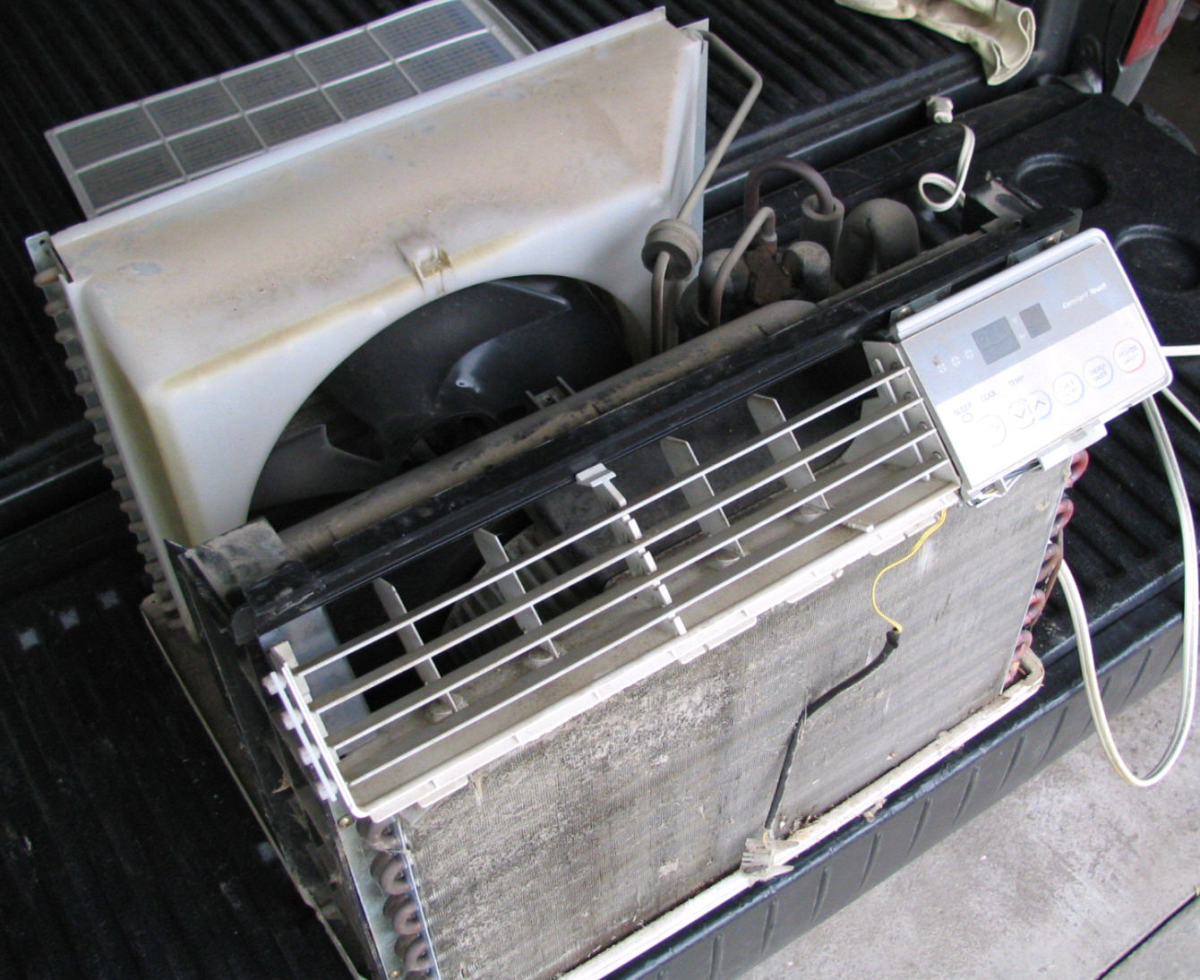
If your air conditioner smells like fish, the first thing you should do is locate the source of the smell. The smell is likely coming from the drain pan or the evaporator coils. If the smell is coming from the drain pan, it is probably because it is dirty and needs to be cleaned.
To clean the drain pan, remove it from the air conditioner and clean it with a mild detergent. If the smell is coming from the evaporator coils, they may be dirty and need to be cleaned. To clean the coils, turn off the air conditioner and remove the access panel.
Clean the coils with a brush and vacuum them.
Why does my AC unit smell like fish?
If you’ve ever noticed your AC unit smells like fish, you’re not alone. This is a surprisingly common problem that can be caused by several things. One possibility is that your AC unit is simply dirty and needs to be cleaned.
This is especially true if you live in an area with a lot of pollen or other allergens in the air. Another possibility is that there is a dead animal somewhere in your AC unit. This is gross, but it does happen from time to time.
If you think this might be the case, you’ll need to call a professional to come and take a look. Finally, it’s also possible that the fishy smell is coming from your drains. This is especially common if you have a basement AC unit.
If you think this might be the problem, you can try pouring some bleach down your drains to see if that helps. If you’re still not sure what’s causing the fishy smell, or if it’s just not going away, you should call a professional AC repair person to come and take a look.
They’ll be able to diagnose the problem and get your AC unit smelling fresh and clean again in no time.
Why does my window AC smell weird?
If your window air conditioner smells bad, there are a few possible explanations. The most common cause of a musty smell is mold or mildew, which can grow in the unit if it isn’t properly cleaned and maintained. Another possibility is that the smell is coming from the Freon, which is the coolant used in air conditioners.
Freon can leak from the unit and cause a foul smell. Finally, if your AC unit is old, the wiring may be decaying, which can also cause a bad smell. If your air conditioner smells musty, the first thing you should do is clean the unit.
Start by removing the front panel and washing it with soap and water. Then, clean the coils with a coil cleaner. Be sure to follow the instructions on the cleaner, as some can be harmful if used improperly.
Once the coils are clean, dry them off and put the front panel back on. If the musty smell persists, mold or mildew is growing inside the unit. To clean mold or mildew, you’ll need to remove the front panel and coils again.
Then, mix a solution of 1 part bleach with 10 parts water and spray it on the affected areas. Let the solution sit for about 15 minutes, then rinse it off and dry the coils.
Why does my window smell like fish?
If you have a window that smells like fish, it could be due to a few different things. First, if you live near water, the smell could be coming from the water itself. Second, if you have a pet fish, the smell could be coming from your fish tank.
Third, if you’ve been cooking fish, the smell could be coming from your kitchen.
If the smell is coming from the water, the best thing to do is to open your window and let the fresh air in. If the smell is coming from your fish tank, you’ll need to clean it out and make sure there is no food or waste build-up.
If the smell is coming from your kitchen, you’ll need to make sure you’re cooking fish properly and not letting the smell linger.
In any case, if you have a window that smells like fish, it’s best to identify the source of the smell and take care of it as soon as possible.
How to Clean Window Ac Unit that Smells Musty or like Dirty Old Sox!
Why does my split AC smell like fish?
If your split AC smells like fish, it could be due to a number of different factors. First, it’s important to rule out any potential food sources that could be causing the smell. If you have any fish or seafood stored in your home, it’s possible that the smell is coming from there.
The drain pan is the next culprit. If your AC unit is not draining properly, water can build up in the pan and start to stink. Another possibility is that your AC’s evaporator coils are dirty.
When dirt and dust build up on the coils, it can cause a musty smell. Lastly, it’s possible that the smell is coming from your ductwork. If your ducts are dirty or have mold growing in them, that could be the source of the smell.
If you’re not sure what’s causing the smell, it’s best to call a professional AC repair technician to take a look.
Why does my AC air smell like fish?
If your AC air smells like fish, it could be caused by a variety of things. First, check the air filter to see if it needs to be replaced. If the filter is clean, the problem may be with the AC unit itself.
If the unit is not properly ventilated, moisture can build up inside, causing a musty or fishy smell. Another possibility is that the unit is not draining properly, which can also cause a build-up of moisture and a bad smell. If you can’t figure out the cause of the smell, it’s best to call a professional AC repair person to take a look.
Conclusion
If your air conditioner smells like fish, it could be due to a few different things. First, it could be because there is actually a fish somewhere in the unit. Second, it could be because of algae or other bacteria that have built up in the unit.
Third, it could be because of a leak in the unit that is allowing Freon or other chemicals to escape. If you notice any of these things, you should contact a professional to have your air conditioner serviced.
