When you turn on your car’s air conditioner, you expect cool, refreshing air to flow from the vents.
However, sometimes that air can smell like vinegar. This is typically caused by bacteria growing in the evaporator core.
When the air conditioner is turned on, it circulates the air from the vents through the evaporator core. If there are bacteria present in the core, it can get blown into the air that you breathe, causing that vinegar smell.
Ac smells like vinegar dangerous
If you notice that your air conditioner smells like vinegar, it’s important to take action immediately. This is because the vinegar smell is usually indicative of a refrigerant leak. Refrigerant is a toxic substance that can be dangerous if it’s leaked into the air.
Inhaling refrigerant can cause several health problems, including respiratory irritation, headaches, and dizziness. In extreme cases, it can even lead to death. So, if you notice a vinegar smell coming from your AC, it’s important to shut it off and call a professional for help.
Trying to fix the problem yourself is not worth the risk.
The air conditioner smells like vinegar
If your air conditioner smells like vinegar, it could be a sign that the unit is dirty and needs to be cleaned. The vinegar smell is caused by the accumulation of dirt, dust, and other debris on the coils and other parts of the unit. Over time, this build-up can cause the unit to function less efficiently and eventually break down.
If you notice a vinegar smell coming from your air conditioner, it’s important to take action right away. The first step is to clean the unit, which you can do yourself or hire a professional to do. Be sure to follow the manufacturer’s instructions when cleaning the unit.
If the vinegar smell persists after cleaning the unit, it could be a sign of a more serious problem. In this case, it’s best to call a professional for help. They will be able to diagnose the problem and make the necessary repairs.
Why does my car smell like vinegar?
If you’ve ever wondered why your car smells like vinegar, you’re not alone. This is a common problem, and there are a few different reasons why it might be happening. One possibility is that your car’s coolant system is leaking.
Coolant is typically a mixture of water and antifreeze, and it can start to leak from the cooling system if there’s a problem with the hoses or gaskets. When coolant leaks, it can mix with the engine oil and cause a burning smell. Another possibility is that your car’s battery is leaking acid.
Battery acid is very corrosive, and it can cause a burning smell if it leaks onto other parts of the car. If you think this might be the concern, it’s important to have your car checked by a mechanic as soon as possible. Finally, it’s also possible that your car just needs a good cleaning.
Dust and dirt can build up over time, and this can cause a musty smell. If you think this might be the problem, be sure to vacuum and clean your car’s interior regularly. If your car is smelling like vinegar, it’s essential to figure out the cause so you can take the necessary steps to fix it.
In most cases, it’s not a serious problem, but it’s always best to err on the side of caution and have your car checked out by a mechanic if you’re unsure.
BMW ac smells like vinegar
If your BMW’s air conditioning system is emitting a vinegar smell, the system is likely leaking refrigerant. When this happens, the refrigerant reacts with the moisture in the air to form an acidic solution. This acidic solution can corrode the components in your AC system, which can lead to expensive repairs.
If you notice a vinegar smell coming from your AC, it’s important to have the system checked by a professional as soon as possible. A certified BMW technician will be able to diagnose the problem and make the necessary repairs.
Vinegar smell in car Hyundai
If you notice a vinegar smell in your car, it’s probably coming from your air conditioning system. Vinegar is a common ingredient in many household cleaning products, and it can easily make its way into your car’s A/C system. While a vinegar smell is not necessarily harmful, it can be unpleasant, and it can also indicate that your A/C system is not functioning properly.
If you notice a vinegar smell coming from your car, the first thing you should do is check your A/C system. Make sure that all of the vents are closed and that the system is turned off. Next, locate the source of the vinegar smell.
It’s likely coming from the evaporator coil, which is located behind the dash. To clean your evaporator coil, you’ll need to remove it from your car. This can be a bit tricky, so it’s best to consult your owner’s manual or a professional mechanic.
Once you have the coil out, soak it in a vinegar and water solution for about an hour. Then, rinse it off with clean water and dry it before putting it back in your car. If you don’t want to remove the evaporator coil, you can try cleaning it with a vinegar and water solution.
Simply spray the solution onto the coil and let it sit for a few minutes. Then, rinse it off with clean water.
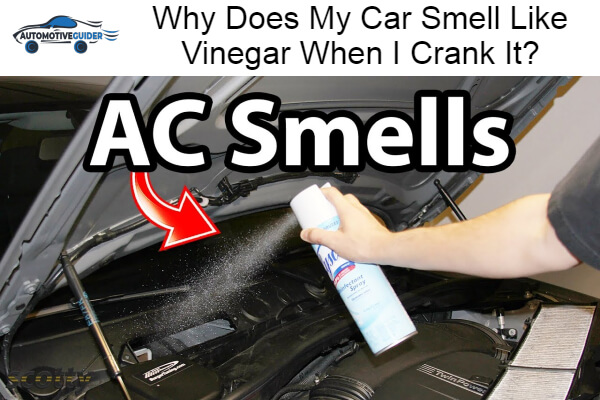
What does it mean when your AC smells like vinegar?
If your AC smells like vinegar, it could be due to a build-up of dust and dirt on the coils. This build-up can cause the coils to overheat and produce a burning smell. If you notice this smell, be sure to clean the coils as soon as possible to prevent any damage to the unit.
How do I get the sour smell out of my car’s air conditioner?
If your car’s air conditioner is blowing musty or sour-smelling air, it’s probably due to bacteria growth in the evaporator. When the evaporator isn’t cleaned regularly, water can build up and create an ideal environment for bacteria to grow. As the bacteria multiply, they release a foul odor.
The good news is that you can clean the evaporator yourself. You’ll need a can of foaming evaporator cleaner, a brush or cloth, and a vacuum cleaner with a hose attachment. First, turn off your car’s engine and remove the negative battery cable to prevent shocks.
Then, locate the evaporator. It’s usually located behind the dash, near the blower motor. Once you’ve found the evaporator, use the brush or cloth to remove any visible dirt or debris.
Next, spray the evaporator with the foaming cleanser. Be sure to coat it evenly. Let the cleaner sit for a few minutes, then use the vacuum’s hose attachment to suction away the cleaner and any bacteria that’s been loosened.
Finally, reattach the battery cable and turn on the car’s engine. The musty smell should be gone!
Does refrigerant smell like vinegar?
No, the refrigerant does not smell like vinegar. However, if your refrigerator is leaking refrigerant, it may produce a vinegar-like smell. This is because the refrigerant is reacting with the air to produce acetic acid, which has a vinegar-like smell.
If you notice a vinegar-like smell coming from your refrigerator, you should contact a qualified technician to repair the leak.
What causes car ac smells sour?
When your car’s air conditioner starts to produce a sour smell, it’s a sign that the system is no longer functioning properly. The most common cause of this problem is bacteria build-up in the evaporator. When the evaporator is not cleaned regularly, the moisture in the air can cause bacteria to grow.
These bacteria can then cause an unpleasant smell. Another possible cause of a sour smell in your car’s AC is a leak in the system. If there is a leak, the refrigerant can mix with the oil in the system and cause a burning smell.
If you notice a sour smell coming from your car’s air conditioner, it’s important to have the system checked by a professional as soon as possible. Ignoring the problem can lead to more serious issues, such as expensive repairs or even health problems.
How to Fix Smelly AC in Your Car Like the Pro in 3 Minutes
Conclusion
If you notice that your car’s air conditioner is emitting a vinegar-like smell, it’s probably time to clean it. Vinegar is acidic and can damage the air conditioner’s coils and fins. Over time, this damage can cause the air conditioner to leak refrigerant.
If you suspect your air conditioner is leaking, take it to a mechanic to have it checked out.
