Portable air conditioners are a great way to keep cool during the hot summer months. However, many people have reported that their portable ACs have started to smell bad. There are a few possible reasons for this.
One reason your portable AC may smell bad is that it is not getting enough airflow. This can happen if the unit is not properly ventilated. Make sure that the exhaust hose is not blocked and that there is nothing blocking the vents on the unit.
Another reason for a bad smell could be because the AC unit is dirty. The evaporator coils can become coated with dust and dirt over time. This can cause the unit to smell musty.
To clean the coils, turn off the unit and remove the front panel. Use a soft brush to remove any dirt and debris. If you have tried these things and your portable AC still smells bad, it may be time to call a technician.
Why Does My Portable Ac Smell Bad? Explore the reasons!
If your portable AC smells bad, it could be due to a number of reasons. The most common reason is that the unit is not properly ventilated. If your AC is not properly ventilated, the condensation that builds up inside the unit can start to produce a bad smell.
Another common reason for a bad smell is dirt and dust buildup. If your unit is not regularly cleaned, dirt and dust can accumulate and start to produce a musty smell. Finally, if your portable AC is not properly maintained, the refrigerant can start to leak, which can also produce a bad smell.
Besides the above, there are more factors that can contribute to bad smells coming from portable air conditioners. Some of the most common causes of bad smells in portable air conditioners include:
- Accumulation of dirt, dust, and debris in the air filter and other components
- Clogged drain pans or drain lines
- Mold or mildew growth due to high humidity levels and inadequate ventilation
- Bacteria and other microorganisms thriving in stagnant water or condensation
- Chemical odors from cleaning agents or air fresheners used in the vicinity of the air conditioner
- Inefficient cooling leads to overheating of the unit
- Poor maintenance or infrequent cleaning of the unit
It is important to identify these causes in order to effectively eliminate the odor and prevent it from recurring. By addressing these underlying causes, individuals can ensure that their portable air conditioners operate efficiently and produce clean, fresh air.
If you notice any of these problems, it’s advisable to have your AC serviced by a qualified technician for healthy living and long-lasting air conditioning systems.
How do I stop my portable air conditioner from smelling?
If your portable air conditioner has started to emit an unpleasant smell, there are a few things you can do to try to eliminate the odor. First, make sure that the unit is clean. The coils and other parts of the unit can accumulate dirt and dust over time, which can cause a musty smell.
Use a soft brush or cloth to clean the coils, and be sure to vacuum or dust the rest of the unit regularly. It’s also important to empty the water tank of your portable air conditioner on a regular basis. If water is left sitting in the tank, it can start to develop bacteria and mold, which can cause a foul smell.
Empty the tank and clean it out with soap and water or a mild bleach solution regularly. If your portable air conditioner is still emitting a bad odor even after you’ve cleaned it, you may need to replace the filter. A clogged or dirty filter can cause all sorts of problems, including bad smells.
Check your owner’s manual to see how often the filter should be replaced and follow the instructions carefully. By following these simple tips, you should be able to eliminate any bad smells coming from your portable air conditioner.
How do you fix a bad smell in your air conditioner?
If you’re noticing a bad smell coming from your air conditioner, there are a few possible culprits. The most common cause of a musty smell is mold or mildew, which can build up on the evaporator coils. Another possible cause is dirty air filters, which can cause a musty smell as well as reduced airflow and efficiency.
If you think mold or mildew is the problem, the first step is to clean the coils. You can do this yourself with a coil cleaning brush and some bleach or other disinfectant. Be sure to turn off the power to the unit before starting any work.
Once the coils are clean, be sure to dry them completely to prevent further mold growth. If dirty air filters are the problem, the solution is simple: just replace them with new ones. Be sure to check the filters monthly and replace them as needed to keep your air conditioner running smoothly and smelling fresh.
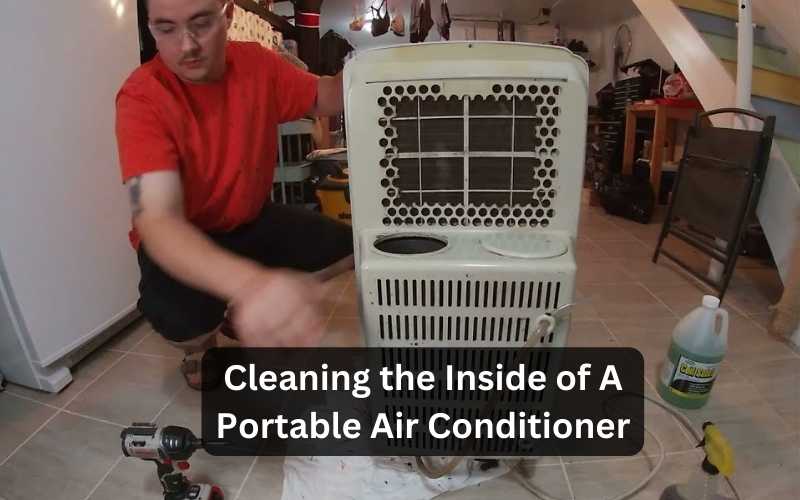
How do you clean the inside of a portable air conditioner?
If you’re like most people, you probably don’t give much thought to how you clean the inside of your portable air conditioner. However, if you want your unit to function properly and efficiently, it’s important to clean it on a regular basis. Here’s a step-by-step guide on how to clean the inside of your portable air conditioner:
- Unplug the unit from the power source and remove any hoses or cords.
- Carefully tilt the unit so that you can access the inside.
- Use a soft cloth or brush to gently remove any dust or dirt from the coils and other components.
- Use a vacuum attachment to remove any debris from the interior of the unit.
- Wipe down the inside of the unit with a damp cloth.
- Allow the unit to air dry completely before plugging it back in and reconnecting any hoses or cords.
By following these simple steps, you can keep the inside of your portable air conditioner clean and free of debris. This will help to ensure that your unit runs efficiently and effectively.
Portable ac smells in fan mode
If you have a portable air conditioner, and you notice that it smells bad when you turn on the fan mode, there are a few things you can do to try to fix the problem.
First, make sure that the air filter is clean. If it is dirty, clean it according to the manufacturer’s instructions.
If the filter is clean and the smell persists, the next thing to check is the evaporator coils. These coils can become dirty over time and can cause a musty smell.
Clean the coils according to the manufacturer’s instructions.
If the coils are clean and the smell is still there, the problem may be with the air ducts. Inspect the air ducts and look for any mold or mildew. If you find any, clean it according to the manufacturer’s instructions.
Portable ac smells like mildew
If your portable air conditioner smells like mildew, it is likely caused by a buildup of moisture and bacteria in the unit. This can occur when the unit is not properly maintained, such as not cleaning or replacing the air filter regularly.
To eliminate the mildew odor, turn off the unit and clean the filter with soap and water, or replace it if necessary. Additionally, clean the interior of the unit with a mixture of water and vinegar, making sure to thoroughly dry it afterward.
It is important to maintain your portable air conditioner to prevent future mildew buildup and ensure the proper functioning of the unit.
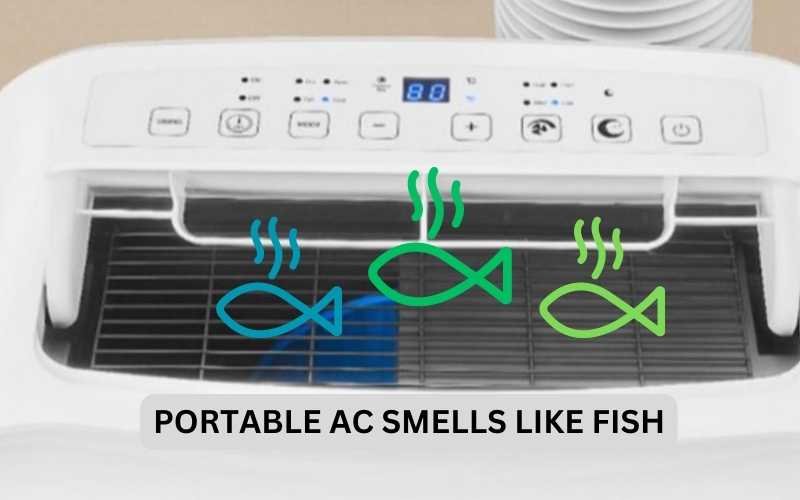
Portable ac smells like fish
If you have a portable air conditioner, and it smells like fish, there are a few possible explanations. First, it could be that the unit is simply dirty and needs to be cleaned. Second, it could be that the unit is not draining properly, which can cause water to build up and cause a fishy smell.
Third, it could be that the unit is low on Freon, which can also cause a fishy smell. If you’re not sure what the problem is, it’s best to call a professional to take a look at your unit.
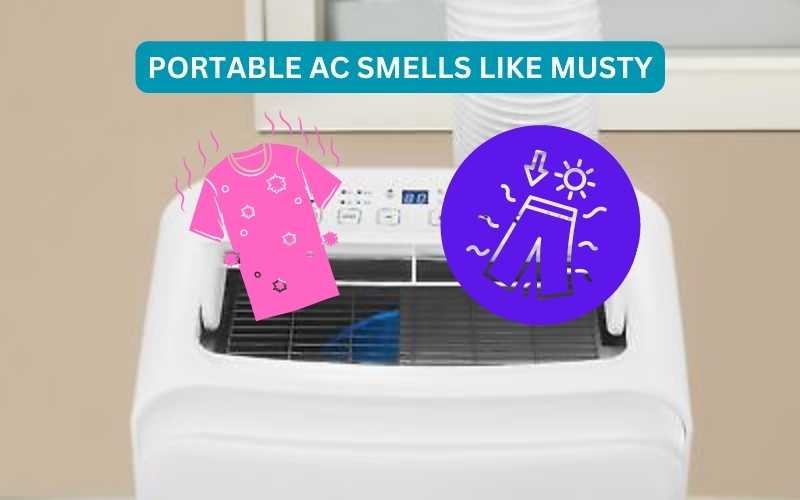
Portable air conditioner smells musty
If your portable air conditioner is emitting a musty smell, it is important to address the issue promptly. This unpleasant odor is often caused by the growth of mold or mildew within the unit, which can compromise indoor air quality and even lead to respiratory problems.
To remedy the situation, it is recommended to clean the air filter and drain pan regularly and to use a mold and mildew remover to eliminate any existing spores. Additionally, ensuring proper ventilation and keeping the unit in a dry location can prevent future mold growth.
It is crucial to address the issue of a musty smelling portable air conditioner to maintain a healthy living environment.
New portable ac smells
If your new portable air conditioner has an unpleasant smell, there are a few things you can do to get rid of the odor.
First, make sure that the unit is properly ventilated. If the air conditioner is not properly ventilated, the smell will become more concentrated and more difficult to get rid of.
Second, clean the filter. A dirty filter can cause the unit to smell bad.
Third, try using a dehumidifier to remove the moisture from the air. This will help to prevent the growth of mold and mildew, which can cause the unit to smell bad.
Finally, if the smell persists, you may need to contact the manufacturer for assistance.
How to remove mildew smell from portable air conditioners?
If your portable air conditioner has a mildew smell, there are a few things you can do to get rid of it.
First, make sure that the unit is clean. Wipe down the inside and outside of the unit with a damp cloth. If the unit is very dirty, you may need to use a mild soap.
Next, check the air filter. If the filter is clogged, it can cause a musty smell. Clean or replace the filter as needed.
Finally, try using a dehumidifier. This will help to remove the moisture from the air, which can cause mildew to grow.
If you follow these steps, you should be able to get rid of the mildew smell from your portable air conditioner.
Air conditioner smells bad when turned on
If your air conditioner smells bad when you turn it on, there are a few possible causes. The most likely cause is that the unit is dirty and needs to be cleaned. Another possibility is that there is mold or mildew growing inside the unit.
If this is the case, you’ll need to have the unit professionally cleaned. If your air conditioner is clean and there is no mold or mildew, the smell could be coming from the Freon. Freon is a refrigerant used in air conditioners and it can develop a leak.
If you think your air conditioner has a Freon leak, you’ll need to have it repaired by a professional. If your air conditioner is still under warranty, the best thing to do is to call the manufacturer and have them send a technician to take a look at it. If the unit is not under warranty, you can try cleaning it yourself or contact a professional air conditioning repair service.
Air conditioner smells like rotten eggs
If your air conditioner smells like rotten eggs, there are a few possible explanations. First, it could be that your unit is simply dirty and in need of a good cleaning. If you haven’t cleaned your air conditioner in a while, that could be the source of the smell.
Another possibility is that there is a dead animal inside the unit. If you think this might be the case, you should contact a professional to have the unit inspected. Finally, it’s possible that the smell is coming from the ductwork.
If this is the case, you’ll need to have the ducts cleaned. If you’re dealing with a smelly air conditioner, don’t despair. There are a few things you can do to get rid of the odor.
First, give your unit a good cleaning. If that doesn’t take care of the problem, you may need to contact a professional to have the unit inspected. Finally, if the smell is coming from the ductwork, you’ll need to have the ducts cleaned.
With a little effort, you can get rid of that rotten egg smell and enjoy fresh, clean air again.
New portable air conditioner smells
If you’ve just bought a new portable air conditioner, and it smells, there are a few things you can do to get rid of the smell. First, make sure that the unit is properly ventilated. If it’s not, the smell will only get worse.
Second, clean the filter. A dirty filter can cause all sorts of smells, so it’s important to keep it clean. Finally, if the smell persists, try using an air freshener in the room where the air conditioner is located.
Bad smell from ac car
If your car’s air conditioner is producing a bad smell, there are a few possible causes. The most common is that the system is simply not getting enough airflow. This can be caused by a clogged air filter or a blockage in the air ducts.
Another possibility is that the evaporator coil is dirty and needs to be cleaned. If you suspect that the air filter is the problem, the first thing you should do is check it and replace it if necessary. If the air filter is clean, then the next step is to check the air ducts for any blockages.
You will need to clear the obstruction before the air conditioner can work. You will need to clean the coil if it is the problem. This is not a difficult task, but it is important to do it correctly.
First, you will need to turn off the power to the air conditioner. Next, you will need to remove the evaporator coil from the unit. Once the coil is removed, you can clean it with a mild soap and water solution.
Be sure to rinse it thoroughly before putting it back in the air conditioner.
Why Does My Portable AC Smell Bad [Video]
Conclusion
If your portable AC unit is giving off a bad smell, there are a few possible reasons. The most common reason is that the unit is not properly ventilated. If the unit is not getting enough airflow, the coils can overheat and start to smell.
Another possibility is that the unit is not draining properly. If water is not draining from the unit, it can start to form mold and mildew, which can also cause a bad smell. If you are having trouble with your portable AC unit, be sure to check these things first.
