If you find yourself coughing every time you turn on your air conditioner, you may be wondering what’s going on. After all, shouldn’t air conditioners make the air cleaner, not dirtier? Unfortunately, there are a few potential reasons why your air conditioner might be making you cough.
One possibility is that your air conditioner is simply circulating dust and other allergens that are already in your home. If you have pets or live in an older home, this could definitely be the case. Another possibility is that your air conditioner is actually introducing new contaminants into your home.
This could be happening if your air conditioner’s filter is dirty or if there is mold growing inside the unit. If you suspect this is the problem, it’s important to have your air conditioner serviced by a professional. In most cases, coughing while using your air conditioner is nothing to worry about.
However, if your coughing is severe or if you have other symptoms like difficulty breathing, it’s important to see a doctor to rule out any potential underlying health problems.
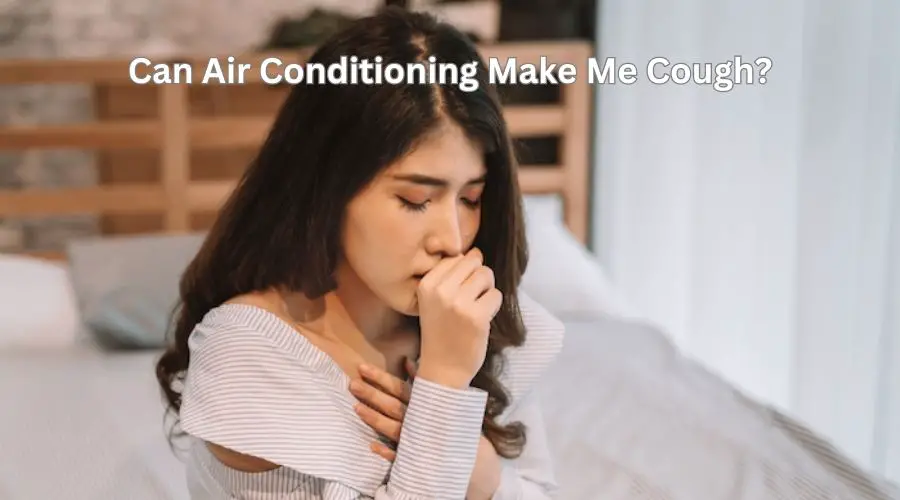
Why does air make me cough?
We all know that feeling of taking a deep breath in and then suddenly coughing uncontrollably. Why does this happen? When you inhale, air passes through your nose and down your throat.
As the air moves down, it warms up and picks up moisture from the tissues lining your respiratory tract. By the time it reaches your lungs, it’s full of moisture. When you exhale, that moisture is expelled from your body.
But sometimes, when the air is dry or cold, that moisture can’t be expelled as easily. It can get trapped in the airways and irritate the tissues, causing a cough. So if you’re wondering why the air makes you cough, now you know!
How to get rid of an air conditioner cough?
If you have an air conditioner cough, there are a few things you can do to get rid of it. First, try to avoid triggers that can make your cough worse. These include dust, pollen, smoke, and other irritants.
If you can’t avoid them, try to limit your exposure as much as possible. Second, drink plenty of fluids to keep your throat moist. This will help to reduce the irritation that can cause a cough.
Third, use a humidifier to add moisture to the air. This can also help to reduce the irritation that can cause a cough. Finally, if your cough is severe, you may need to see a doctor to get some medication to help relieve it.
Tickle in throat from air conditioning
If you’re like many people, you may experience a tickle in your throat when you’re in a room with air conditioning. This is because the air conditioning can dry out the air, making it harder for your throat to lubricate itself. The result is a tickle that can be annoying and even painful.
There are a few things you can do to help ease the tickle in your throat from air conditioning. First, try to drink plenty of fluids throughout the day. This will help keep your throat lubricated.
You can also use a humidifier in your room to add moisture to the air. Finally, try to avoid any activities that will make your throat dry, such as smoking or talking for long periods of time without breaks. If the tickle in your throat persists, it’s best to see a doctor.
There may be an underlying condition causing the problem. In rare cases, a tickle in the throat can be a sign of a more serious condition, such as cancer.

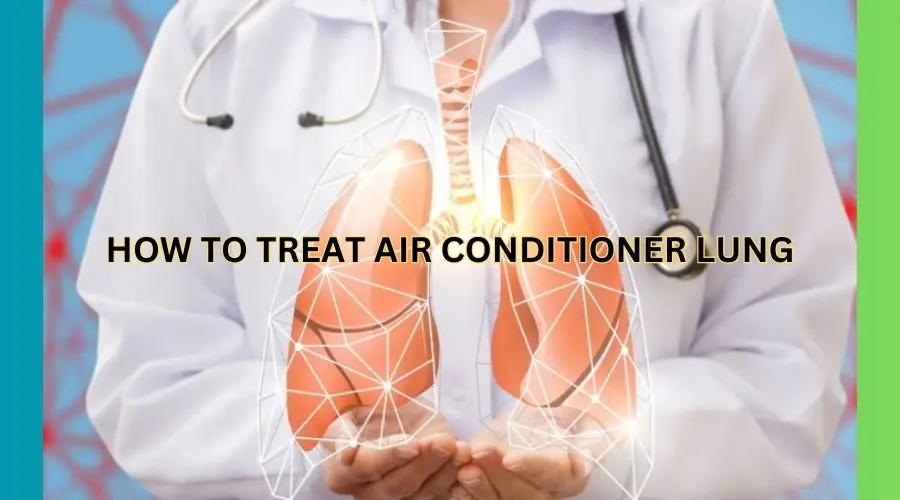
How to treat air conditioner lung?
If you or someone you know suffers from air conditioner lung, also known as hypersensitivity pneumonitis, you know that it can be a debilitating condition. There is good news, though: with proper treatment, air conditioner lungs can be managed and even cured. The first step in treating air conditioner lungs is to identify the source of the problem.
If you know you are allergic to a certain type of air conditioner, for example, you can avoid using that type of air conditioner. If you are not sure what is causing your air conditioner lung, your doctor may recommend allergy testing. Once the source of the problem is identified, you can take steps to avoid it.
If you are allergic to a certain type of air conditioner, for example, you can avoid using that type of air conditioner. If you are exposed to air conditioners at work, your doctor may recommend wearing a mask or avoiding exposure to air conditioners as much as possible. When you have an air conditioner lung, it is important to see your doctor regularly.
Your doctor will monitor your condition and may prescribe medication to help relieve your symptoms. In some cases, surgery may be necessary to remove damaged lung tissue. With proper treatment, air conditioner lung can be managed and even cured.
Air conditioner during cough and cold
If you’re like most people, you probably don’t think twice about using your air conditioner when you have a cold or cough. However, there is some debate about whether this is actually a good idea. On one hand, some people argue that the air conditioner can help to dry out the air and make it easier to breathe.
This can be especially helpful if you live in a humid climate. On the other hand, others argue that the air conditioner can actually make your cold or cough worse. This is because the air conditioner can remove moisture from the air, which can make your throat and nose drier.
So, what’s the verdict? If you’re struggling to breathe, the air conditioner can definitely help. However, if your throat and nose are already dry, you might want to avoid using it. Ultimately, it’s up to you to decide what’s best for you.
How to get rid of cough from cold air?
If you’re struggling with a cough that seems to be brought on by cold air, there are a few things you can do to find relief. First, it’s important to identify the root cause of your cough. If it’s due to allergies, you’ll want to take steps to avoid triggers and manage your symptoms.
If it’s due to a cold or other respiratory infection, over-the-counter medications may help. In either case, staying hydrated is essential. Drink plenty of fluids, and try to avoid irritants like smoke and dust.
A humidifier can also help to keep the air moist and ease your cough. If your cough is severe or doesn’t seem to be improving, make sure to see your doctor. With the right treatment, you can get rid of that cough and get back to enjoying your life.
Air conditioner lung symptoms
What is Air Conditioner Lung? Air conditioner lung is a type of hypersensitivity pneumonitis. It is caused by exposure to airborne particles that are released from air conditioners, humidifiers, and other similar devices.
These particles can contain bacteria, mold, and other organisms that can cause an allergic reaction in the lungs. Symptoms of air conditioner lung include:
- Coughing
- Shortness of breath
- Wheezing
- Chest tightness
- Fatigue
- Fever
If you experience any of these symptoms, it is important to see a doctor as soon as possible.
Air conditioner lung can be treated with medication and avoiding exposure to the offending particles. In severe cases, a lung transplant may be necessary.
Air conditioner lung disease
When it comes to your health, you should never take chances. This is especially true when it comes to the air you breathe. Unfortunately, there are many dangers lurking in the air, both indoors and out.
One of these dangers is air conditioner lung disease. Air conditioner lung disease is a rare but serious condition that is caused by exposure to air conditioning units that are not properly maintained. The condition is caused by a build-up of mold and bacteria in the unit, which can then be released into the air.
When this happens, it can lead to serious respiratory problems, including pneumonia. If you or someone you know has been diagnosed with air conditioner lung disease, it is important to get treatment right away. In most cases, treatment will involve a course of antibiotics.
In severe cases, hospitalization may be necessary. If you have an air conditioner, it is important to have it regularly serviced and cleaned. This will help to prevent the build-up of mold and bacteria, and will also help to extend the life of your unit.
If you or someone you know is suffering from air conditioner lung disease, don’t hesitate to get treatment. With proper care, the condition can be successfully treated.
Why does my air conditioner make me cough?
If you suffer from coughing fits when you turn on your air conditioner, you may be wondering why this is happening. After all, coughs are usually associated with colds and allergies, not with cool, refreshing air.
However, there are a few possible explanations for why your air conditioner might be causing you to cough.
- One possibility is that you have a condition called dust mite allergy. Dust mites are tiny creatures that thrive in warm, humid environments – like the inside of your air conditioner. When you turn on your AC, it can cause dust mites to become airborne, and if you’re allergic to them, this can trigger a coughing fit.
- Another possibility is that you have a mold allergy. Mold loves to grow in damp, dark places – again, like the inside of your air conditioner. When you turn on the AC, it can cause mold spores to become airborne, and if you’re allergic to mold, this can also trigger a coughing fit.
If you’re suffering from coughing fits every time you turn on your air conditioner, it’s a good idea to see an allergist to find out if you have a dust mite or mold allergy. If you do, there are treatments available that can help lessen your symptoms.
- Another possibility is that the air conditioner is not properly maintained and is therefore circulating dust and other particles that can irritate your lungs and cause you to cough.
If you find yourself coughing more when you’re around your air conditioner, it’s possible that it’s not properly maintained and is circulating dust and other particles that can irritate your lungs. To help prevent this, make sure to regularly clean your air conditioner’s filter and vents.
You can also try using an air purifier in your home to help improve the quality of the air. If your coughing persists, it’s best to consult with a doctor to rule out any other possible causes.

Why does aircon make me cough?
Air conditioning systems have become a ubiquitous feature of modern buildings, providing a comfortable indoor environment regardless of the external temperature. However, it is not uncommon for individuals to develop a cough while using air conditioning, particularly in enclosed spaces.
The cough is likely caused by a number of factors, including the dryness of the air, the circulation of allergens or pollutants, and the rapid changes in temperature and humidity. In addition, certain individuals may be more susceptible to the effects of air conditioning, such as those with pre-existing respiratory conditions.
As such, it is important to ensure that air conditioning systems are properly maintained and that individuals take steps to protect themselves against potential air quality issues.
VERIFY: Do air-conditioners cause sinus congestion?
Conclusion
If your air conditioner is making you cough, it could be because of a few different things. Dust and pollen can build up in the unit, and when the air conditioner turns on, these particles can be blown into the air and cause you to cough. Another possibility is that the unit is not properly humidified, and the dry air is irritating your throat.
Alternatively, it could be that the air conditioner is simply blowing dust and dirt around the room, and you are coughing because of the irritants in the air. Whatever the reason, if your air conditioner is making you cough, it is best to have it checked out by a professional to see if there is a problem that needs to be fixed.
