If you’re struggling with an AC that won’t cool below 74 degrees, you’re not alone. Many homeowners experience this issue during the hot summer months, and it can be both frustrating and uncomfortable.
While there are many factors that could be contributing to this problem, it’s important to understand that your AC system is a complex machine that requires regular maintenance and care to operate at its best.
In this blog post, we’ll explore some of the most common causes of an AC that won’t cool below 74 degrees, and provide some practical solutions to help you get your home back to a comfortable temperature.
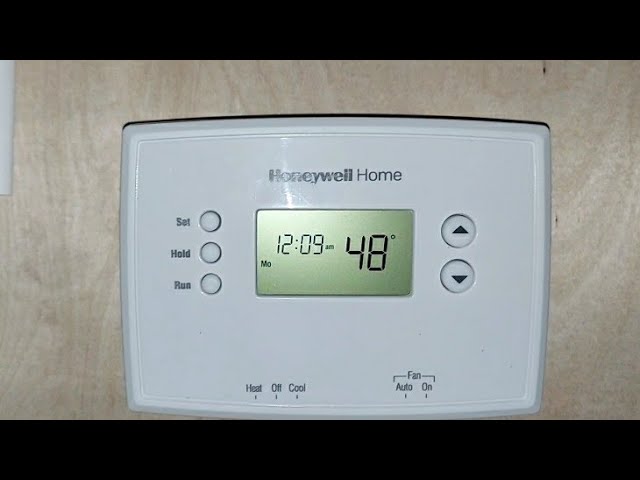
The Facts Why Won’t My AC Cool Below 74?
If your home’s air conditioner is running constantly and your home is still not cool, there are a few possible explanations. One possibility is that your air conditioner is too small for your home. If your air conditioner is too small, it will run constantly but never reach the temperature you want.
Another possibility is that your air conditioner is not properly sized for your home. If your air conditioner is not properly sized, it will also run constantly but never reach the temperature you want.
Finally, your air conditioner may be low on refrigerant. If your air conditioner is low on refrigerant, it will also run constantly but never reach the temperature you want.
Why my ac temperature is not going down?
If your home’s air conditioner is not cooling your home, there are a number of potential causes. First, check to be sure that the air conditioner’s thermostat is set to “cool” and that the temperature setting is lower than the current temperature inside your home. If the thermostat is set properly but your home is not cooling, the next step is to check the air conditioner’s outdoor unit.
Be sure that the unit is turned on and that there is nothing blocking the flow of air to and from the unit. If the outdoor unit is running properly, the next step is to check the air conditioner’s evaporator coils. These coils can become frozen, preventing the air conditioner from cooling your home.
If the coils are frozen, turn off the air conditioner and let the coils thaw. Once the coils have thawed, the air conditioner should be able to cool your home properly.
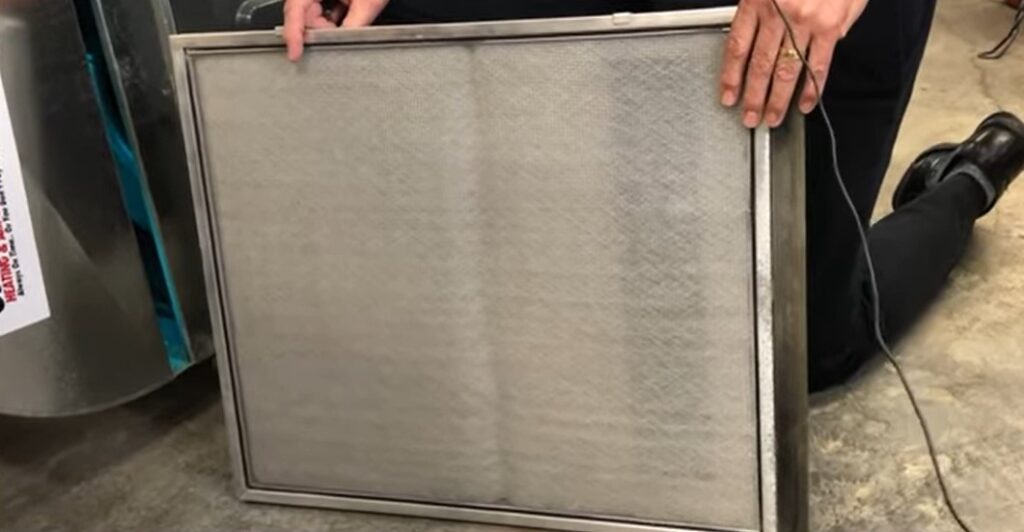
Air conditioner won’t cool below 75
If your air conditioner won’t cool below 75, there are a few possible causes. The most likely cause is that the air conditioner is too big for the room. The air conditioner needs to be the right size to properly cool the room.
If the air conditioner is too big, it will cool the room too quickly and won’t be able to maintain a consistent temperature. Another possible cause is that the air conditioner is low on refrigerant. The refrigerant is what helps the air conditioner to cool the air.
If the air conditioner is low on refrigerant, it won’t be able to properly cool the air. Finally, the air conditioner might need to be serviced. If the air conditioner is more than 10 years old, it might need to be serviced or replaced.
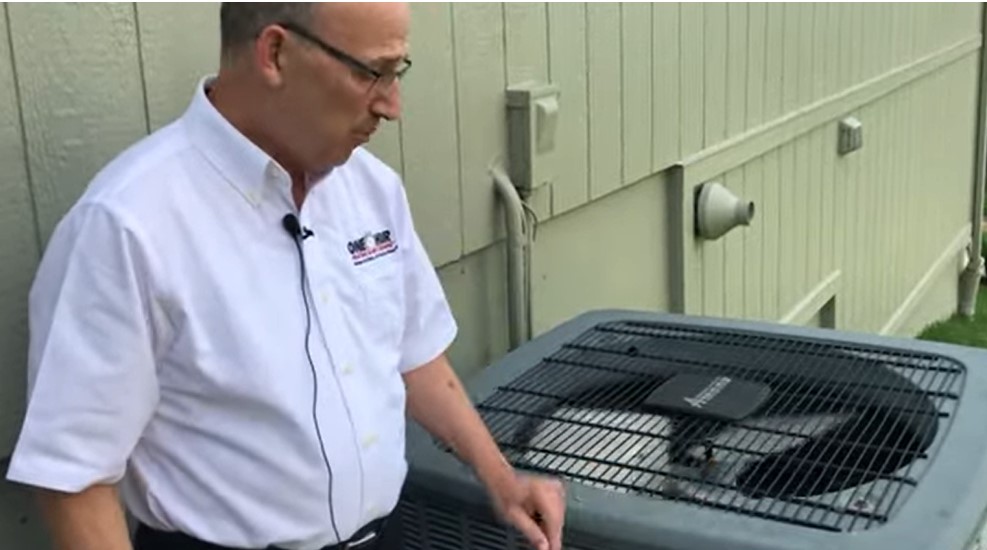
Thermostat is set at 72 but reads 75
If your thermostat is set to 72 degrees but it reads 75 degrees, there are a few possible explanations. First, it’s possible that the thermostat is simply inaccurate. This isn’t terribly uncommon, especially in older homes.
If you suspect that this is the case, you can try calibrating the thermostat. It’s also possible that there is a problem with the HVAC system itself. If the system is running constantly but the temperature isn’t dropping, there could be an issue with the compressor or another component.
In this case, you’ll need to call a professional for assistance. Finally, it’s possible that the room itself is just warmer than usual. This could be due to a number of factors, including sunlight exposure or the presence of heat-generating appliances.
If the room is warmer than usual, you may just need to wait for it to cool down on its own.
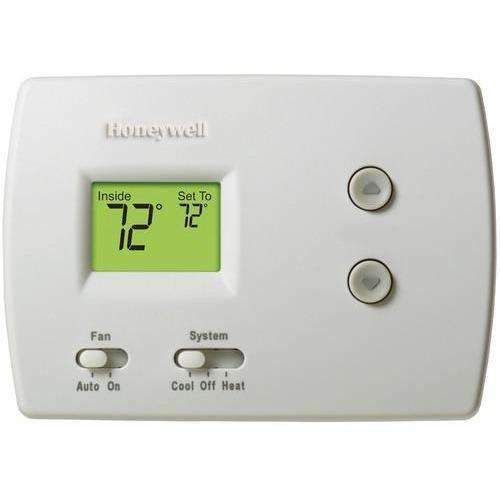
Thermostat is set to 74 but reads 78
If your thermostat is set to 74 but reads 78, there are a few things that could be going on. First, check to see if the batteries in your thermostat are low. If they are, replace them and see if that solves the problem.
If not, it’s possible that your thermostat is placed in an area that gets a lot of direct sunlight, which can cause it to read a few degrees higher than the actual temperature. Try moving it to a different location and see if that makes a difference. Finally, it’s possible that your furnace is not calibrated correctly.
This is something that should be done by a professional, so if you think this may be the case, give us a call and we’ll be happy to take a look.
Air conditioner can’t keep up on hot days
It’s that time of year again when the temperatures start to rise and your air conditioner has to work overtime to keep your home cool and comfortable. But what happens when your AC can’t keep up on hot days? There are a few reasons why your air conditioner might not be performing as well as it should on hot days.
It could be that your AC unit is too small for your home, or it might not be properly maintained. If your AC unit is too small, it won’t be able to cool your home properly on hot days. This is because it will have to work harder to remove the same amount of heat from your home.
If your AC unit isn’t properly maintained, it could also be struggling to keep up on hot days. This is because dirt and dust can build up on the coils and cause the unit to work less efficiently. If your AC unit is having trouble keeping up on hot days, there are a few things you can do to help it out.
You can start by making sure that the unit is properly sized for your home. You can also have the unit serviced and cleaned regularly to keep it running at its best. If your AC unit is still struggling to keep your home cool on hot days, you might need to consider upgrading to a newer, more powerful unit.
But whatever you do, don’t suffer through the heat – make sure your AC unit is up to the task!
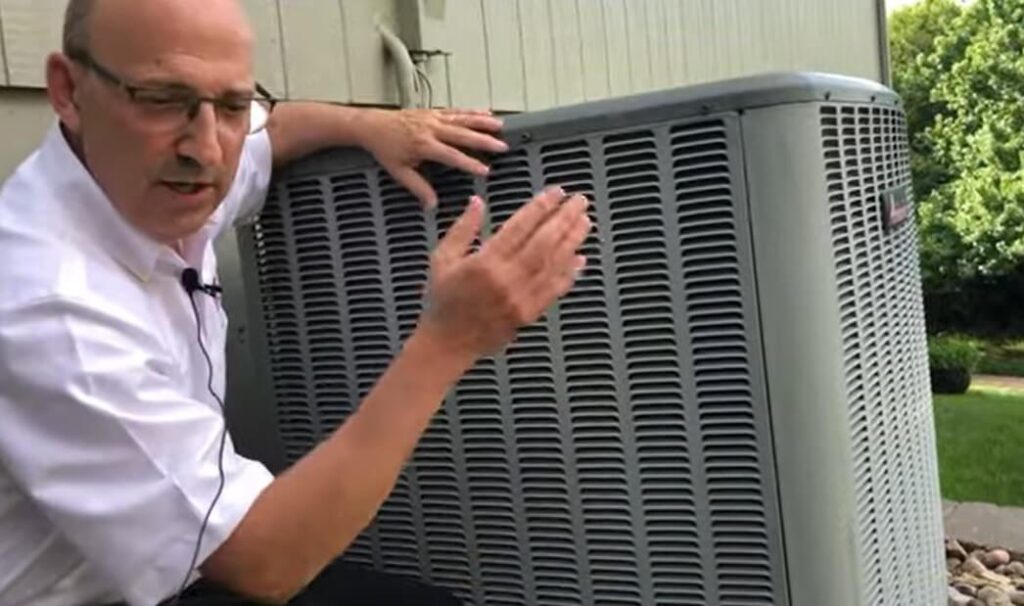
How long should it take to cool a house from 80 to 72?
When your home is too warm, it can be uncomfortable and even dangerous. The elderly, small children and pets are especially vulnerable to heat-related illnesses. So, how long does it take to cool a house from 80 to 72?
The answer depends on a few factors, including the size of your home, the number of people and pets inside, the type of cooling system you have, and the outside temperature. Generally speaking, it will take longer to cool a larger home than a smaller one. If you have a lot of people and/or pets inside, that will also add to the time it takes to bring the temperature down.
If you have a central air conditioner, it will take longer to cool your home than if you have a window unit. And, if it’s hot outside, it will take longer to cool your home than if it’s cooler. In most cases, you can expect it to take several hours to cool a house from 80 to 72.
However, if it’s very hot outside or you have a large home, it could take longer. If you’re worried about your home getting too warm, you can always turn on the air conditioner a few hours before you need it to start cooling things down.
Ac not cooling enough
If your air conditioner isn’t cooling your home enough, there are a few things you can check before calling a professional. First, check your air filter and make sure it’s clean. A dirty air filter can restrict air flow, making your AC unit work harder and less efficiently.
Next, take a look at your thermostat and make sure it’s set to the correct temperature. If it’s set too high, your AC unit won’t run long enough to properly cool your home. Finally, check your AC unit itself and make sure there’s nothing blocking the airflow.
If the unit is clean and the airflow is unobstructed, but your home still isn’t cooling enough, it’s time to call a professional.
House won’t cool below 74
If your home won’t cool below 74 degrees, there are a few possible culprits. It could be an issue with your thermostat, your AC unit, or your home’s insulation. Let’s take a closer look at each of these possibilities.
If your thermostat is set to 74 degrees but your home isn’t cooling below that temperature, the first thing to check is the battery. If the battery is dead, the thermostat won’t work properly. Once you’ve replaced the battery, if the problem persists, it’s time to call a professional.
If your AC unit is running but your home isn’t cooling, the next thing to check is the evaporator coil. If the coil is frozen, it won’t be able to effectively remove heat from your home. You’ll need to call a professional to thaw the coil and get your AC unit back up and running.
Finally, if your home has poor insulation, that could be the reason it won’t cool below 74 degrees. If heat is leaking into your home, your AC unit will have to work overtime to try to cool things down. This not only wastes energy but can also lead to higher utility bills.
If you think poor insulation may be the problem, it’s time to call in a professional to take a look.
Why does my AC keep going to 75?
If your home’s air conditioner is set to 75 degrees and it keeps going to that temperature, there are a few potential causes. One possibility is that the air conditioner’s thermostat is set incorrectly. Another possibility is that the air conditioner is too small for the space it is trying to cool.
If the air conditioner is too small, it will have to run for longer periods of time to cool the space, and it will have a harder time maintaining a consistent temperature.
Finally, if the air conditioner’s filters are dirty, it will have a harder time cooling the space and will also cycle on and off more frequently. If you’re not sure what is causing your air conditioner to keep going to 75 degrees, it’s best to consult a professional.
Why is my AC temperature not going down?
There are a few reasons why your AC temperature might not be going down. One possibility is that the air conditioner is not sized correctly for the room. Another possibility is that the air conditioner is low on refrigerant.
If the air conditioner is low on refrigerant, it will not be able to cool the room as effectively. Finally, the air conditioner might not be working properly. If the air conditioner is not working properly, it will not be able to cool the room effectively.
Why is my AC stuck at 77?
If your AC is stuck at 77, there are a few potential reasons why. One possibility is that the AC unit is not properly sized for your home. Another possibility is that the AC unit is not properly installed.
Finally, it is also possible that the AC unit is not properly maintained.
Is it normal that the AC not to reach a set temperature?
If your AC isn’t reaching the set temperature, there are a few potential causes. It could be that the AC is too big for the room, the thermostat is incorrectly calibrated, the AC filter is dirty, or there are leaks in the ductwork. If you’re not sure what the cause is, it’s best to call a professional to take a look.
Air Conditioner Not Cooling Enough [2 Simple Checks to Do Yourself]
Conclusion
If your AC is having trouble cooling below 74, there are a few potential reasons. One possibility is that the AC is not properly sized for the space it is cooling. Another possibility is that the AC is low on Freon.
Another potential issue could be that the AC’s evaporator coils are frozen. If the coils are frozen, the AC will not be able to properly cool the air. If you are having trouble with your AC, it is best to call a professional to come and take a look.
