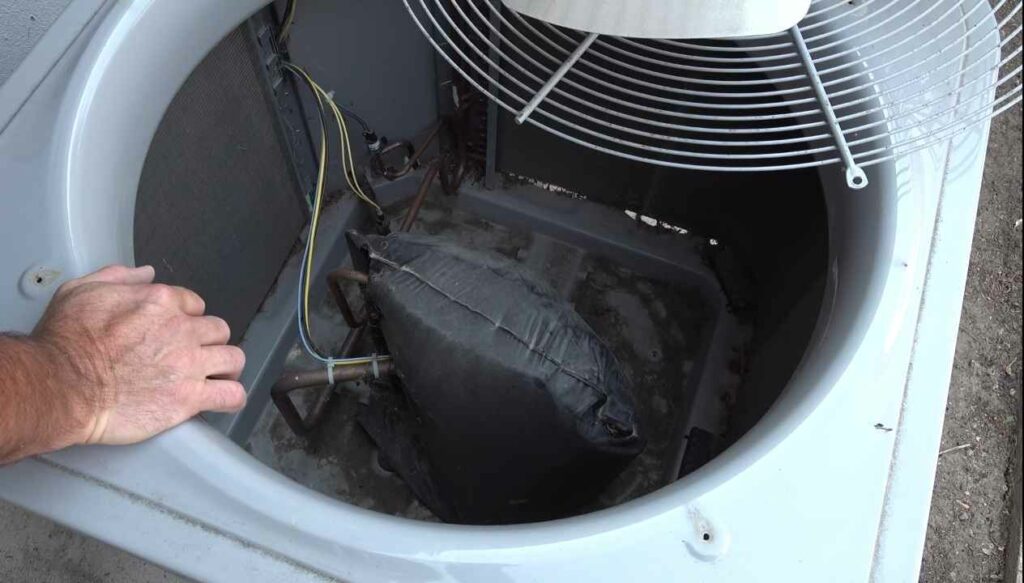
Some air conditioner filters are designed to be Universal, meaning they can be used in any type of AC unit.
However, not all filters are created equal.
Some Universal filters may not fit certain AC units, so it’s always best to check the size and compatibility before purchasing.
If you’re unsure whether or not a filter is compatible with your AC unit, the safest bet is to buy a specifically sized filter from the same manufacturer as your AC unit.
That way, you know for sure that it will fit and work correctly.
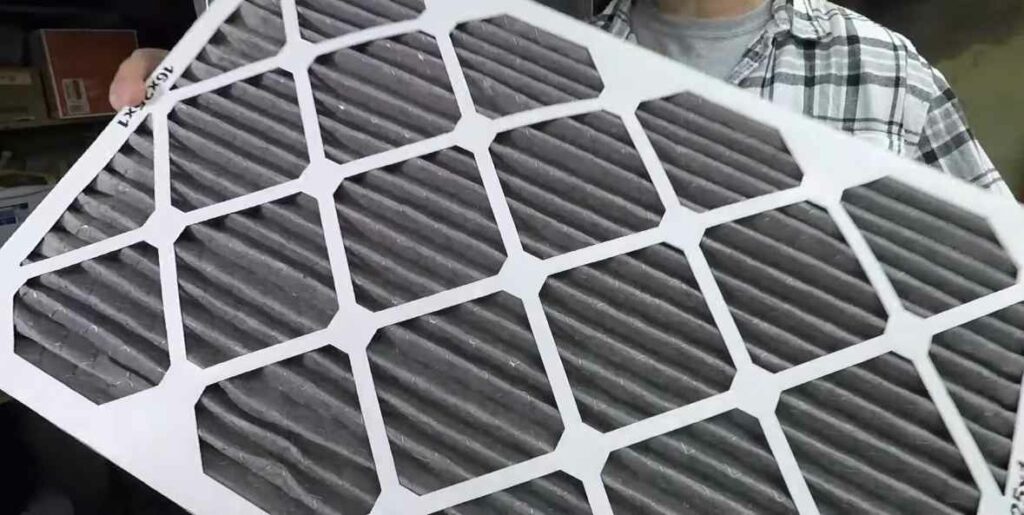
Each Type And Model of Air Conditioner Has Its Own Specific Filter That is Designed to Fit Snugly in the Unit
If you have an air conditioner, it is important to know which type and model of filter you need.
Each type and model of air conditioner has its own specific filter that is designed to fit snugly in the unit.
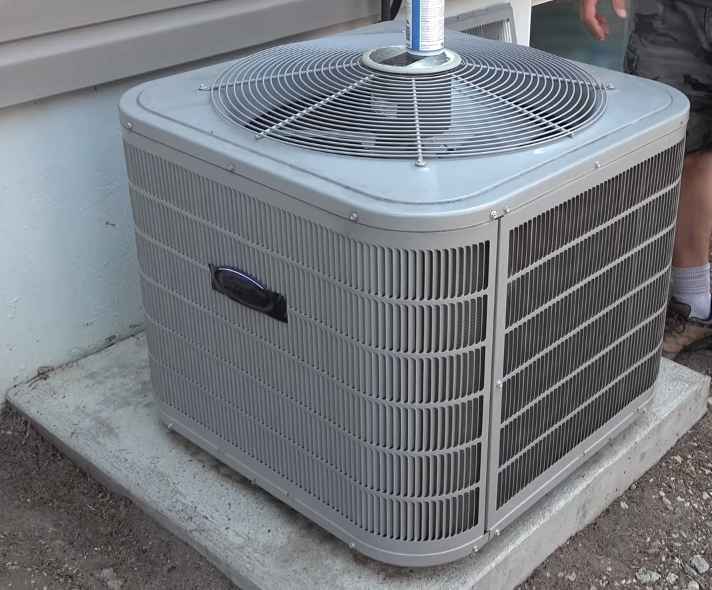
While some filters can be cut to size, getting the right size to function properly is always best.
A few different types of air conditioner filters are available on the market: pleated, activated carbon, HEPA, and washable. Pleated air filters are made from a paper material that has been folded into pleats.
These filters effectively trap dust, pollen, and other airborne particles.
Activated carbon filters are made with charcoal treated with oxygen to create tiny pores.
These pores allow the filter to trap chemicals, gases, and odors. HEPA filters are designed to trap small particles like bacteria and viruses.
Washable air filters can be reused after being washed with soap and water.
When choosing an air conditioner filter, it is important to consider the specific needs of your home or office space.
If you have allergies or asthma, you will want to choose a filter that will remove as many allergens from the air as possible.
If you live in an area with high levels of smog or other pollutants, an activated carbon filter may be a good option for you.
And if someone in your home suffers from a serious respiratory illness like tuberculosis or pneumonia, a HEPA filter may be necessary.
No matter which type of air conditioner filter you choose, be sure to change it regularly according to the manufacturer’s instructions so your unit continues functioning properly!
Replacing Your Air Filter – Which One to Choose?
Attempting to Use a Different Filter Could Result in Decreased Performance Or Damage to the Unit
When you purchase a new furnace, air conditioner or heat pump, it comes with a filter.
This filter is specifically designed to work with that unit and provide the best possible protection and performance.
While it may be tempting to save money by using a different filter, doing so could actually decrease the unit’s performance or damage the unit.
Filters are designed to protect the unit from dirt, dust, and other airborne particles.
A clogged filter can restrict air flow, causing the unit to work harder and decreasing its efficiency.
In some cases, a dirty filter can cause the unit to overheat and shut down prematurely.
Additionally, using a different filter than what is recommended could void your warranty.
If you’re concerned about cost, talk to your HVAC contractor about options for energy-efficient filters that will still provide adequate protection for your system.