If you’re wondering whether you can get Legionnaires disease from a window air conditioner, the answer is yes – but it’s very rare.
Legionnaires disease is a type of pneumonia caused by the Legionella bacteria, which is found in water.
It’s usually spread through inhalation of contaminated water droplets, such as those from shower heads or faucets.
Window air conditioners can become contaminated with Legionella if they use water to cool the air (known as evaporative cooling).
When the contaminated water droplets are expelled from the unit, they can be inhaled and cause infection.
The risk of contracting Legionnaires disease from a window air conditioner is low, but it’s still important to have your unit regularly serviced and cleaned to prevent contamination.
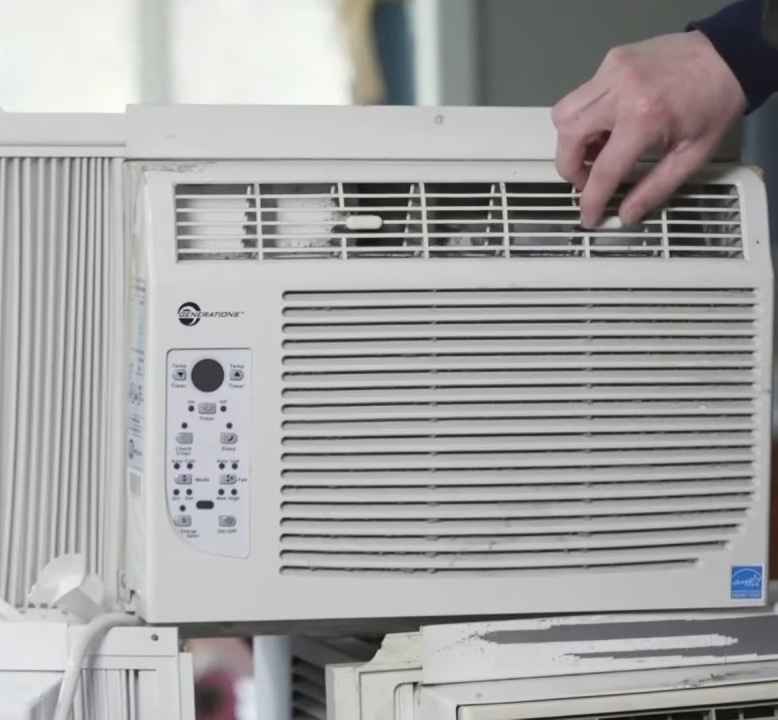
What is Legionnaires’ disease?
Legionnaires’ disease is caused by a type of bacteria called Legionella.
These bacteria are found in water, and they can grow and multiply in warm, moist environments like hot tubs, cooling towers, and air-conditioning units.
When people breathe in water vapor or mist contaminated with the bacteria, they can get sick.
Symptoms of Legionnaires’ disease include fever, chills, coughing, and shortness of breath.
The illness can range from mild to severe, and it can even be fatal.
People with weakened immune systems, such as those with cancer or HIV/AIDS, are at greater risk for developing Legionnaires’ disease.
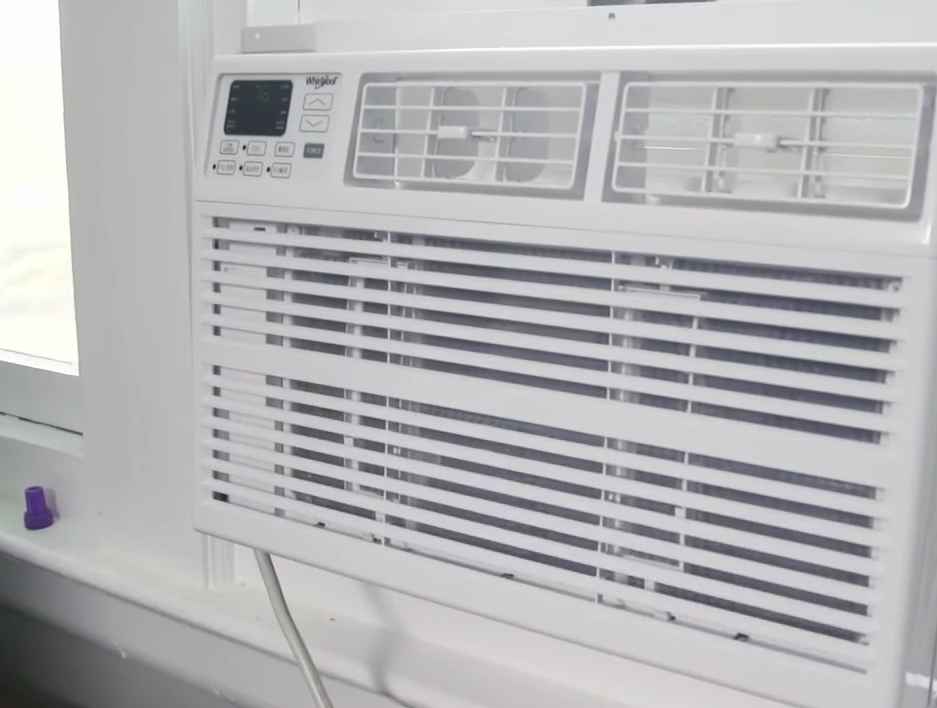
What is the Most Common Way of Contracting Legionnaires Disease?
The most common way of contracting Legionnaires disease is by inhaling water droplets containing Legionella bacteria.
These droplets can come from showers, faucets, or other water sources.
The bacteria can also grow in hot tubs, cooling towers, and decorative fountains.
People can also contract the disease by drinking contaminated water or coming into contact with contaminated soil.
How Do You Prevent Legionnaires Disease in Air Conditioners?
Legionnaires disease is a serious lung infection that can be fatal.
The infection is caused by the bacterium Legionella pneumophila, which is found in water. Legionnaires disease is most often spread through aerosmption of contaminated water, but it can also be spread through inhalation of contaminated droplets of water.
There are several things you can do to prevent legionellosis:
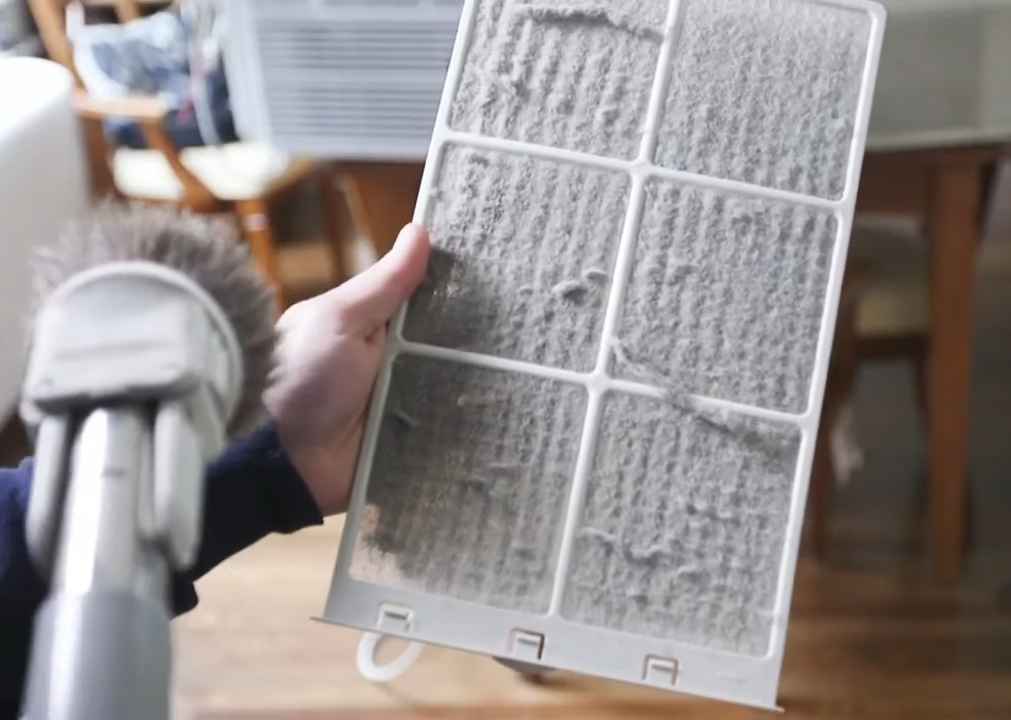
1) Keep your air conditioner clean and well maintained. Regularly clean and disinfect the cooling towers, evaporative condensers, and other parts of the system that come into contact with water. Use an approved biocide such as chlorine or quaternary ammonium compounds.
2) Adjust the pH of the water in your air conditioning system to between 6.5 and 7.5 using a commercial acid or alkaline solution; this will help to prevent the growth of legionella bacteria.
3) Install filters on all intake vents for your air conditioning system, and clean or replace them regularly according to the manufacturer’s instructions.
This will help to remove any bacteria that might be present in the air before it has a chance to enter the system.
Can You Get Legionnaires’ Disease from Portable Air Conditioning
Yes, you can get Legionnaires’ disease from portable air conditioning units.
The bacteria that cause the disease, Legionella pneumophila, can grow in the water of these units and be aerosmed when the unit is used.
The symptoms of Legionnaires’ disease include fever, chills, coughing, and difficulty breathing.
If you think you have contracted the disease, seek medical attention immediately.
How Does Legionnaires’ Disease Spread?
Legionnaires’ disease is a serious respiratory infection that can be deadly.
The cause of Legionnaires’ disease is the bacteria Legionella pneumophila, which is found in fresh water.
The bacteria can also be found in soil and in man-made environments, such as cooling towers, hot tubs, and air-conditioning units.
People can get Legionnaires’ disease by breathing in small droplets of water that contain the bacteria.
The droplets can come from shower heads, faucets, or other sources of water aerosed by people with the infection.
It is not possible to catch Legionnaires’ disease from another person.
Most people who develop Legionnaires’ disease will do so within 2 weeks after exposure to the bacteria.
Symptoms include fever, chills, coughing, and shortness of breath. Some people may also experience muscle aches, headaches, diarrhea, and vomiting.
If you develop these symptoms after being exposed to water containing Legionella pneumophila bacteria, it is important to see a doctor right away so that you can be treated with antibiotics.
