If you’re wondering ‘how can I make my AC colder’, you’re not alone. Many people struggle to keep their homes cool during the summer months, especially when temperatures start to soar.
Fortunately, there are some simple tips and tricks you can use to improve the performance of your air conditioning system and keep your home comfortable even on the hottest days.
In this blog post, we’ll explore eight easy ways to make your AC colder, from cleaning your filters to adjusting your thermostat settings. Whether you’re looking to save money on your energy bills or simply want to stay cool and comfortable all summer long, these tips will help you achieve your goals.
So if you’re ready to beat the heat and enjoy a cool, refreshing home, read on to discover our top tips for making your AC colder.

AC Isn’t Blowing Cold Air: What to Do?
If your AC isn’t blowing cold air, there are a few things you can check before calling a technician. First, check the thermostat to make sure it’s set to “cool” and the temperature is lower than the current room temperature. If the thermostat is set correctly, check the air filter and replace it if it’s dirty.
When the air filter is clean, then check to see if the AC unit is frozen. If the unit is frozen, turn off the AC and thaw it out. Once the AC unit is thawed, turn it back on and see if it’s blowing cold air.
If you want to make your AC colder, there are a few things you can do. One is to lower the temperature on the thermostat.
Another is to make sure that the AC unit is not blocked by furniture or curtains.
Additionally, you can close any vents that are in rooms that you are not using.
Finally, you can open windows in rooms that are not being cooled by the AC to help circulate the air.
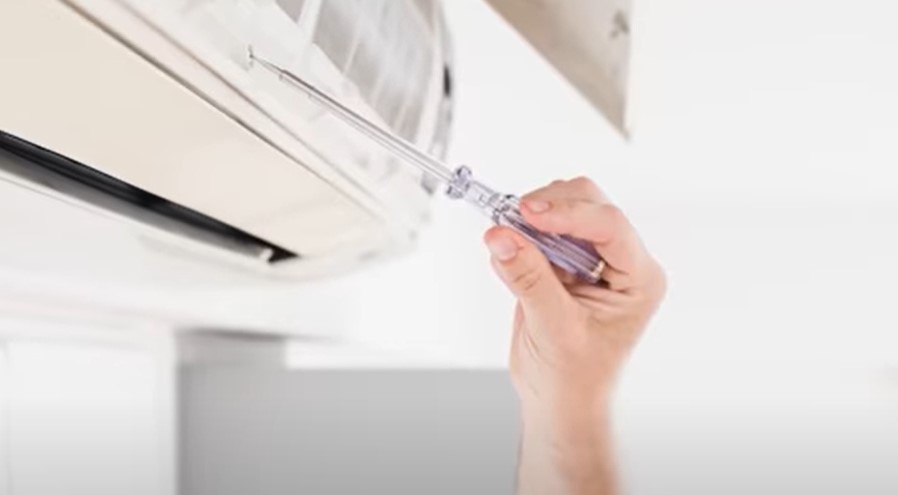
How Can I Make My AC Colder? 8 Simple Tips
As summer approaches, it’s important to ensure your air conditioning system is working efficiently to beat the heat. But what if you find that your AC is not cooling your home as well as it should be? Before you consider calling in a professional, there are several simple steps you can take to make your AC colder.
Let’s find the eight simple hacks to make your AC colder.
1. Lower the temperature setting: Most air conditioners have a temperature control dial or digital display. Decrease the temperature setting to make the air conditioner produce colder air. Setting it to the lowest temperature available will maximize its cooling capacity.
2. Check the airflow: Ensure that the air conditioner’s vents are not blocked by furniture, curtains, or any other obstructions. Clear the area around the unit to allow for proper airflow and distribution of cold air.
3. Clean or replace the air filter: A dirty or clogged air filter can restrict airflow and reduce the efficiency of your air conditioner. Check the filter and clean or replace it according to the manufacturer’s instructions. This will help the unit cool the air more effectively.
4. Keep windows and doors closed: When the air conditioner is running, make sure all windows and doors in the room are closed tightly. This prevents warm air from entering the space and helps maintain a colder temperature.
5. Use curtains or blinds: Keep curtains or blinds drawn during the day to block out direct sunlight, which can heat up the room. This reduces the workload on the air conditioner and helps it maintain a colder temperature.
6. Reduce heat-generating appliances: Appliances such as ovens, stoves, and incandescent lights produce heat, which can make the room warmer. Minimize their use or turn them off when the air conditioner is running to help maintain a cooler environment.
7. Consider using fans: Supplement your air conditioner with fans to help circulate the cool air throughout the room. Ceiling fans or portable fans can assist in improving air circulation and making the space feel cooler.
8. Schedule maintenance: Regularly service and maintain your air conditioner to ensure it operates at its best. A professional technician can clean the coils, check the refrigerant levels, and optimize the system’s performance, which can improve its cooling efficiency.
It’s important to note that some air conditioners may have limitations based on their design or capacity.
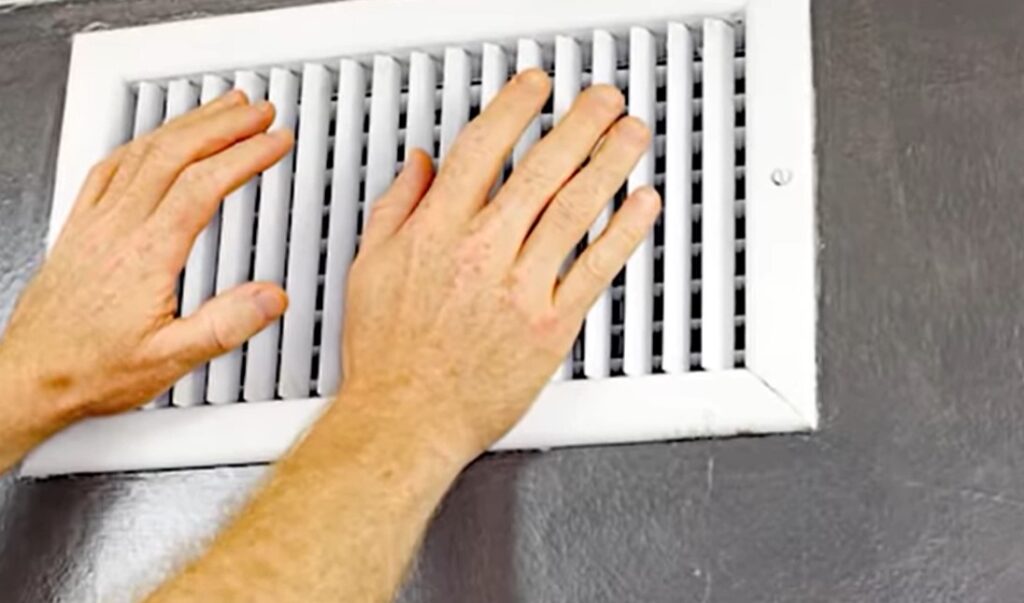
How can I improve my AC’s cooling performance?
If you want to improve your air conditioner’s cooling performance, there are a few things you can do. First, make sure that the air conditioner is the right size for the room. If it’s too small, it won’t be able to cool the room properly.
Second, clean the air conditioner regularly. Dust and dirt can build up on the coils and affect the cooling performance.
Third, make sure the air conditioner is installed properly. If it’s not level, it won’t work as efficiently.
Finally, check the ductwork to make sure there are no leaks. If there are, the cool air will escape and the air conditioner will have to work harder to cool the room.
What are some tips for making my AC colder?
If your home is not as cool as you would like, there are a few things you can do to make your AC colder. First, check the air filter and replace it if it is dirty. A dirty air filter will restrict airflow and make your AC work harder to cool your home.
Second, clean the coils on your AC unit. The coils can become dirty over time and prevent the unit from cooling properly.
Third, make sure the AC unit is level. If the unit is not level, it will not work as efficiently.
Finally, check the ductwork for leaks. Leaks in the ductwork can cause the AC unit to work harder to cool your home.
How to make my ac colder in my car?
If you’re looking to make your car’s air conditioner colder, there are a few things you can do. First, check the air conditioner’s coolant levels and make sure they’re full. If they’re not, you can add more coolant.
You can also try adjusting the air conditioner’s controls to make the air colder. Additionally, turning on the car’s fan will help circulate the cold air.
Finally, if all else fails, you can take your car to a mechanic to have the air conditioner checked out.
How to make ac colder in house remote?
If you’re looking to make your AC colder in your home remotely, there are a few things you can do! First, check your AC’s filter and make sure it’s clean. A dirty filter can make your AC work harder and not be as effective at cooling your home.
Second, raise the temperature on your thermostat. This will make your AC run longer and cooler, and will help to lower the temperature in your home. Finally, close any vents or doors in your home that are letting in warm air from outside.
By doing these things, you can make your AC colder and more effective at cooling your home!
How to make window ac colder?
When it starts to get hot outside, the last thing you want is for your window air conditioner (AC) to stop working properly. If your AC isn’t blowing cold air, there are a few things you can do to try and fix the problem. First, check the AC’s filters and clean or replace them if necessary.
Dirty filters can block airflow and prevent the AC from working properly. Next, check the air vents to make sure they’re not blocked by furniture or other objects. If the vents are blocked, air can’t flow properly and the AC won’t work as well.
Try these tips to make your window AC colder:
-Close the windows and doors in the room where the AC is located. This will help prevent warm air from entering and make the AC work more efficiently.
-Move the AC unit to a different window. Sometimes, the location of the AC unit can make a difference in how well it works.
-Add an extra fan to the room. This will help circulate the cold air from the AC and make the room feel cooler.
How To Make Your Cars AC Colder For Free “3 Easy Ways”
Coldest air conditioner temperature
What is the coldest air conditioner temperature? The coldest temperature that an air conditioner can achieve is determined by the manufacturer. Most air conditioners have a limit of around 62 degrees Fahrenheit.
However, there are some air conditioners that can go as low as 50 degrees Fahrenheit. Why is the coldest air conditioner temperature important? The coldest temperature that an air conditioner can achieve is important because it determines how effective the air conditioner will be at cooling a room.
If the air conditioner is not able to achieve a cold enough temperature, it will not be able to effectively cool the room. How can I make sure my air conditioner is able to achieve the coldest temperature? There are a few things that you can do to make sure that your air conditioner is able to achieve the coldest temperature.
First, make sure that the air conditioner is properly sized for the room. Second, make sure that the air conditioner is properly installed. Third, make sure that the air conditioner is properly maintained.
How to make a portable air conditioner colder?
One of the main complaints about portable air conditioners is that they don’t seem to get cold enough. But there are a few things you can do to help your portable air conditioner perform better and keep your space cooler.
First, make sure that your portable air conditioner is the right size for the space you’re trying to cool. If it’s too small, it won’t be able to effectively cool the space.
Next, try to keep the air conditioner in a shady spot. If it’s in direct sunlight, it will have to work harder to cool the space.
Finally, try to keep the air around the air conditioner as cool as possible. This means closing windows and doors and using fans to circulate the air.
By following these tips, you can help your portable air conditioner perform better and keep your space cooler.
Do you turn the air conditioner up or down to make it cooler?
If you want to make your air conditioner cooler, you should turn the temperature knob down. This will cause the unit to work harder and cool the air more quickly. You can also turn the fan speed knob to the left to make the fan run faster, which will help circulate the cool air more efficiently.
How to set AC temperature for cooling?
If you’re like most people, you probably don’t give much thought to your air conditioner’s temperature settings. After all, as long as it’s keeping you cool, right?
Well, there is actually a bit of science involved in setting your AC’s temperature, and it can make a big difference in both your comfort and your energy bill.
The ideal temperature for cooling your home depends on a few factors, including the outside temperature, the humidity level, and the amount of sun exposure your home gets. In general, though, the ideal temperature for cooling is between 78 and 80 degrees Fahrenheit. Of course, you don’t want your home to be too cold, either.
A temperature that is too low can actually be just as uncomfortable as one that is too high. It can also cause your energy bill to skyrocket, as your AC unit will be working overtime to cool your home to the desired temperature. The best way to find the perfect temperature for your home is to experiment a bit.
Start with a setting of 78 degrees and see how it feels. If it’s too cold, slowly increase the temperature until you find the perfect balance of comfort and energy efficiency.
What makes AC cold in car?
If your car’s air conditioner is blowing cold air, there could be a problem with the compressor. The compressor is part of the AC system that pressurizes the refrigerant and circulates it through the AC system. If the compressor is not working properly, it can’t pressurize the refrigerant, and the AC will blow warm air.
There are a few other potential causes of a car’s AC blowing warm air. One is a problem with the AC condenser. The condenser is responsible for dissipating the heat from the refrigerant.
If the condenser is not working properly, the refrigerant will not be cooled and the AC will blow warm air. Another potential cause of a car’s AC blowing warm air is a problem with the AC evaporator. The evaporator is responsible for absorbing the heat from the air inside the car.
If the evaporator is not working properly, the air inside the car will not be cooled and the AC will blow warm air. If your car’s AC is blowing warm air, it is best to take it to a mechanic and have it checked out. They will be able to diagnose the problem and fix it.
Conclusion
If you want to make your AC colder, there are a few things you can do. First, you can lower the thermostat setting. This will make the AC unit work harder and cooler the air more quickly.
You can also close the vents in rooms that you’re not using. This will help to direct the cool air to the areas where you are. Finally, you can make sure that your AC unit is clean and free of debris.
A clean unit will work more efficiently and cool the air more effectively.
